The concept of Hell is deeply ingrained in popular Christian doctrine, often depicted as a realm of eternal torment for the wicked. However, when we examine the Bible closely, some compelling reasons suggest that this interpretation may not align with scripture.
Let’s delve into ten reasons why Hell, as it is popularly understood, might not exist according to the Bible.
The Bible’s Silence on Hell

While many Christian teachings emphasize Hell as an eternal place of punishment, the Bible itself barely mentions it. Key passages, such as Romans 6:7, say, “he that is dead is freed from sin,” indicating that death, rather than eternal torment, is the final consequence of sin.
Romans 6:23 also states, “the wages of sin is death, but the gift of God is eternal life in Christ Jesus our Lord.” This verse makes no reference to Hell or everlasting torment, suggesting that the ultimate consequence of sin is death, not eternal suffering.
Endless Punishment Contradicts God’s Justice
The concept of eternal punishment seems inconsistent with the nature of God as depicted in the Bible. 1 John 4:8 describes God as love, and Deuteronomy 19:21 advocates “an eye for an eye,” implying that punishment should fit the crime.
How, then, can an infinite punishment be justified for a finite sin? The Bible suggests a fair and just God would not impose endless suffering for a brief lifetime of mistakes.
Mistranslation of Biblical Terms
Many modern interpretations of Hell are based on mistranslations of ancient texts. For instance, the King James Version (KJV) of the Bible uses the word “Hell” to translate several different Hebrew and Greek terms, such as “Sheol,” “Hades,” and “Gehenna,” each of which carries a different meaning.
“Sheol” refers to the grave or the afterlife, and “Hades” similarly refers to a general realm of the dead, not a place of torment. This mistranslation has led to widespread misunderstanding about the biblical concept of Hell.
Gehenna

The term “Gehenna” is often cited as a reference to Hell in the New Testament, yet it originates from a literal valley near Jerusalem, known for being a site of pagan child sacrifice. By the time of Jesus, the valley had become a metaphor for destruction.
In the Gospel of Matthew, Jesus speaks of Gehenna as a place where both “soul and body” are destroyed, not tortured eternally. The use of this term suggests annihilation rather than perpetual torment.
Parables Are Not Literal
Jesus’ parables, such as the story of the Rich Man and Lazarus, are often misinterpreted as descriptions of the afterlife. In Luke 16:19-31, the rich man is portrayed suffering in a fiery place while Lazarus enjoys peace in the bosom of Abraham.
However, this is a parable… a fictional story designed to teach a moral lesson. Jesus used these stories to challenge his audience’s behavior and values, not to offer a literal depiction of the afterlife.
Eternal Destruction, Not Eternal Torment
Passages like Matthew 25:41-46 describe the fate of the unrighteous as being cast into “eternal fire prepared for the devil and his angels.” However, many theologians argue that “eternal” in this context refers to the permanence of the destruction, not an ongoing process of suffering.
The unrighteous are not subject to eternal torment, but to final and irrevocable destruction. This interpretation is supported by verses such as Revelation 20:14, which suggests that death and Hades themselves are destroyed in the lake of fire.
The Absence of Hell in the Old Testament
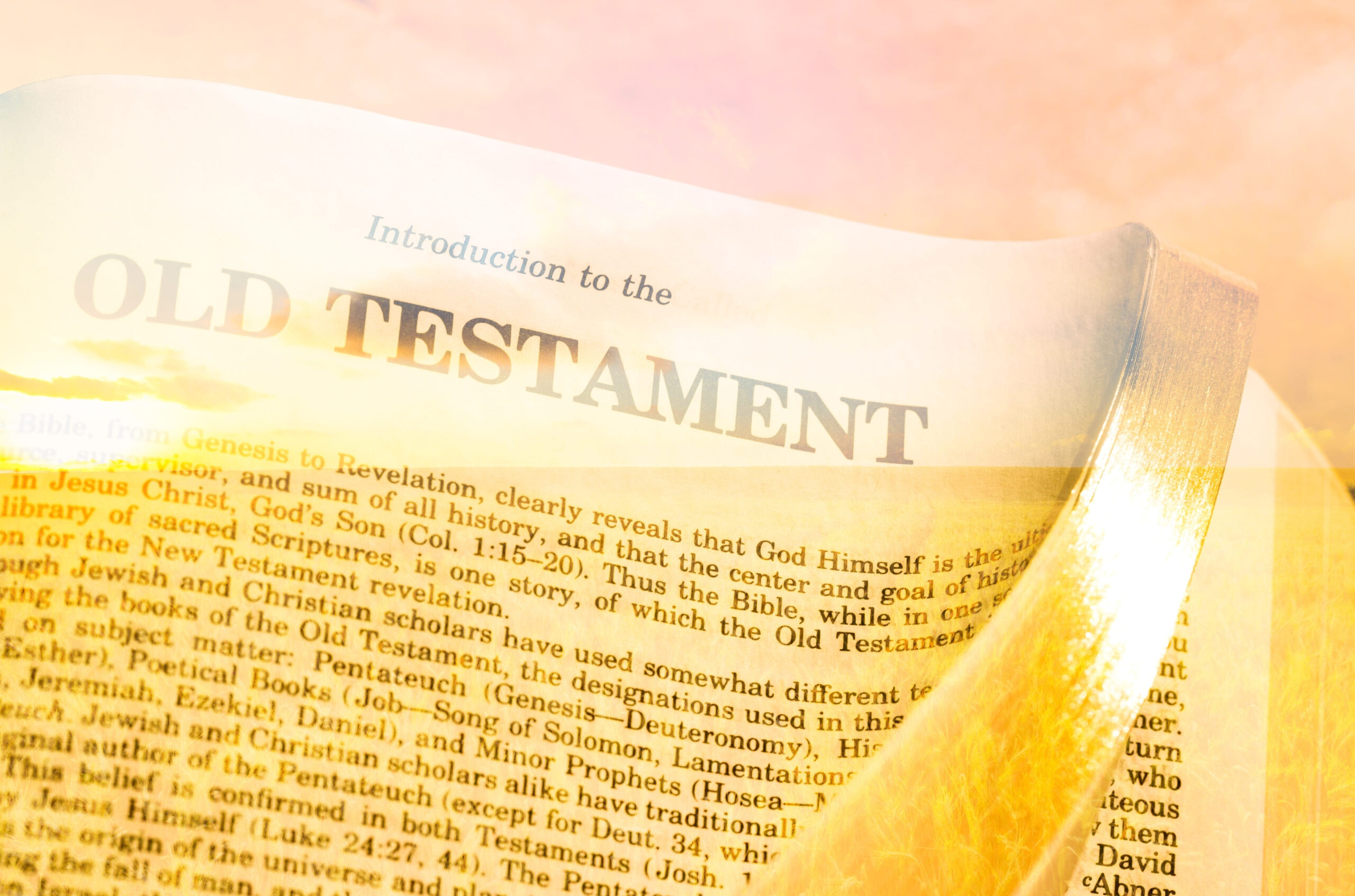
The Old Testament makes no mention of Hell as a place of eternal punishment. Terms like “Sheol” are used to describe the grave or the afterlife, but these do not imply a place of eternal suffering. In fact, the concept of Hell as we understand it today is largely absent in ancient Jewish thought.
It was only later, particularly in the New Testament, that the idea of eternal torment emerged, and even then, it is heavily symbolic.
Destruction of the Wicked, Not Their Eternal Suffering
The Bible repeatedly speaks of the fate of the wicked as one of destruction, not eternal suffering. In 2 Thessalonians 1:9, the wicked “will suffer the punishment of eternal destruction,” not eternal torture. Similarly, 2 Peter 3:7 speaks of the “destruction of ungodly men” in the context of the end times.
These references align more with the idea of final destruction rather than unending torment.
Revelation’s Symbolism
The Book of Revelation, which contains some of the most vivid imagery of Hell, is filled with symbolism. In Revelation 20:10, the “lake of burning sulfur” is described as a place of torment for the devil, the beast, and the false prophet, but this is clearly a symbolic representation of ultimate evil being defeated.
The imagery of fire is often used in scripture as a metaphor for purification and destruction, not eternal pain.
The Hope of Restoration, Not Endless Punishment

The Bible offers a message of hope and restoration rather than an eternal cycle of punishment. God’s plan, as described in scripture, is one of salvation and reconciliation. In Acts 3:21, it is stated that “heaven must receive [Jesus] until the time comes for God to restore everything, as he promised long ago through his holy prophets.”
This promise of restoration contradicts the idea of eternal suffering for those who reject God’s salvation.
Conclusion
The concept of Hell as an eternal place of torment is not as clearly supported by the Bible as many may think. From mistranslations to metaphorical interpretations, there is significant evidence in scripture to suggest that Hell, as it is popularly imagined, does not exist.
Instead, the Bible focuses more on the themes of death, destruction, and finality for the wicked, rather than eternal suffering.
The message of the Bible is one of hope, restoration, and the ultimate victory of good over evil. Understanding these points challenges the traditional view of Hell and encourages a deeper exploration of the scriptural message.