Energy drinks to people under 16, a move that turns a familiar corner-store purchase into a public health issue.
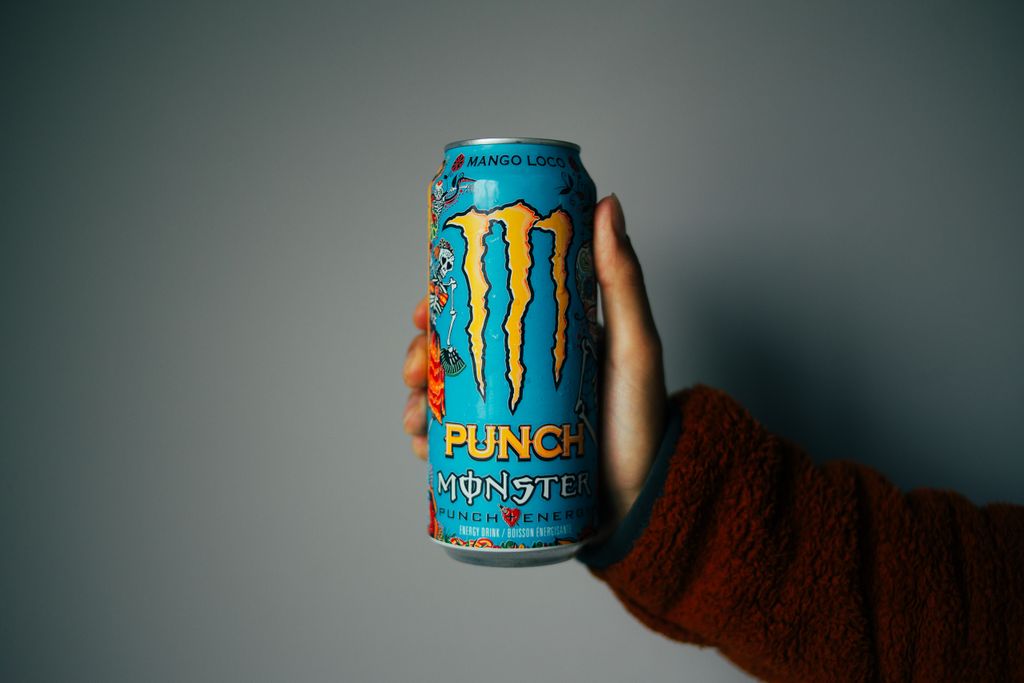
The new law, passed by Quebec lawmakers, targets highly caffeinated energy drinks often sold in bright cans, bold flavors, and youth-friendly branding. For many parents, the decision may feel overdue. For some retailers and beverage companies, it raises new questions about enforcement, personal choice, and how far government should go to protect teenagers.
What the new law does
The law prohibits stores from selling energy drinks to anyone under 16. It also bans adults from buying those drinks on behalf of a young person under that age.
The rule does not apply only to convenience stores. It also covers online sales and vending machines, which means retailers will have to rethink how these drinks are sold, displayed, and verified.
Quebec defines the affected drinks as beverages with at least 150 milligrams of caffeine per liter, combined with other ingredients such as taurine, vitamins, or minerals. That definition is important because it separates energy drinks from ordinary coffee, tea, or soft drinks, even though critics argue the line may still create confusion.
Why Quebec moved now

The push gained emotional force after the death of 15-year-old Zachary Miron, whose case became central to the public debate around energy drinks and young people.
Zachary died after consuming an energy drink while taking ADHD medication, according to reports tied to the case. His parents became advocates for stricter rules, arguing that many families do not understand the possible risks of mixing high caffeine drinks with certain medications.
That personal tragedy gave the bill a human face. It turned a policy argument into a painful question for parents: if teenagers can easily buy products that may carry serious risks, should the law step in before another family is left grieving?
The penalties could hit stores hard.
The law includes penalties for both young buyers and retailers. Youth who violate the rule could face a smaller fine, while businesses that sell to underage customers could face far steeper consequences.
For convenience stores, supermarkets, gas stations, and vending operators, the biggest concern may not be the product itself, but the new responsibility. Staff may now have to check the ages of energy drink purchasers in the same way they already check the ages of purchasers of other restricted products.
That could create tension at the counter, especially in busy stores where energy drinks have become a routine purchase for students on the way to school, sports, or work.
Supporters see prevention, not punishment.

Supporters of the ban argue that energy drinks are not harmless for teenagers. They point to caffeine, sugar, stimulant ingredients, sleep disruption, heart concerns, anxiety, and the risk of overconsumption.
Health voices have long warned that children and teens can be more sensitive to caffeine because of their size and development. For families already dealing with medication, heart conditions, anxiety, or sleep problems, the concern becomes even sharper.
To supporters, the ban is not about demonizing every can on the shelf. It is about making it harder for young teens to casually grab a stimulant-heavy drink without understanding what it may do to their bodies.
Critics say the law moved too fast.
The beverage industry has pushed back, arguing that Quebec acted too quickly and created a separate provincial restriction that may not align neatly with Health Canada’s existing rules.
Critics also argue that caffeine is already present in coffee, tea, chocolate, soft drinks, and many popular café drinks. Their concern is that the law targets one category while leaving other sources of caffeine untouched.
That argument may resonate with some parents and business owners. A teen may be barred from buying an energy drink at a corner store, but still be able to buy a sweetened coffee drink elsewhere. For critics, that raises a practical question: is the law focused on health risk, branding, or political pressure?
Why this matters beyond Quebec
This law could become a test case for the rest of Canada. If Quebec’s ban is seen as effective, other provinces may face pressure from parents, doctors, schools, and local officials to consider similar restrictions.
Schools may also pay close attention. Energy drinks have become part of youth culture, especially among students juggling early mornings, late nights, sports, gaming, jobs, and academic pressure.
The larger issue is not just one drink. It is the way teenagers are being sold quick energy in a culture that already leaves many of them tired, overstimulated, and under pressure to keep going.
What happens next
The law is expected to take effect after a transition period, giving stores, suppliers, and online sellers time to adjust. That period will likely be watched closely by retailers who need clear rules on age checks, vending machines, delivery orders, and product definitions.
Parents may also see this as a chance to start a bigger conversation at home. Many teens do not think of caffeine as a drug, and many adults underestimate how much caffeine young people are consuming across different products.
Quebec’s move may not end the debate. It may only begin. But for families worried about what is sitting in school backpacks, gym bags, and convenience store coolers, the province has sent a clear message: energy drinks are no longer being treated like just another soda.