Every 10 minutes, another person in the United States is added to the organ transplant waiting list. Every day, around 17 people on that list die waiting.
These are not abstract statistics; they are the backdrop against which one of medicine’s most remarkable stories plays out: the story of what happens when one human being gives part of themselves to keep another alive.
Here are ten astonishing facts about the gift of life that illuminate just how extraordinary, complex, and urgent that story really is.
A Single Blood Donation Can Save Three Lives
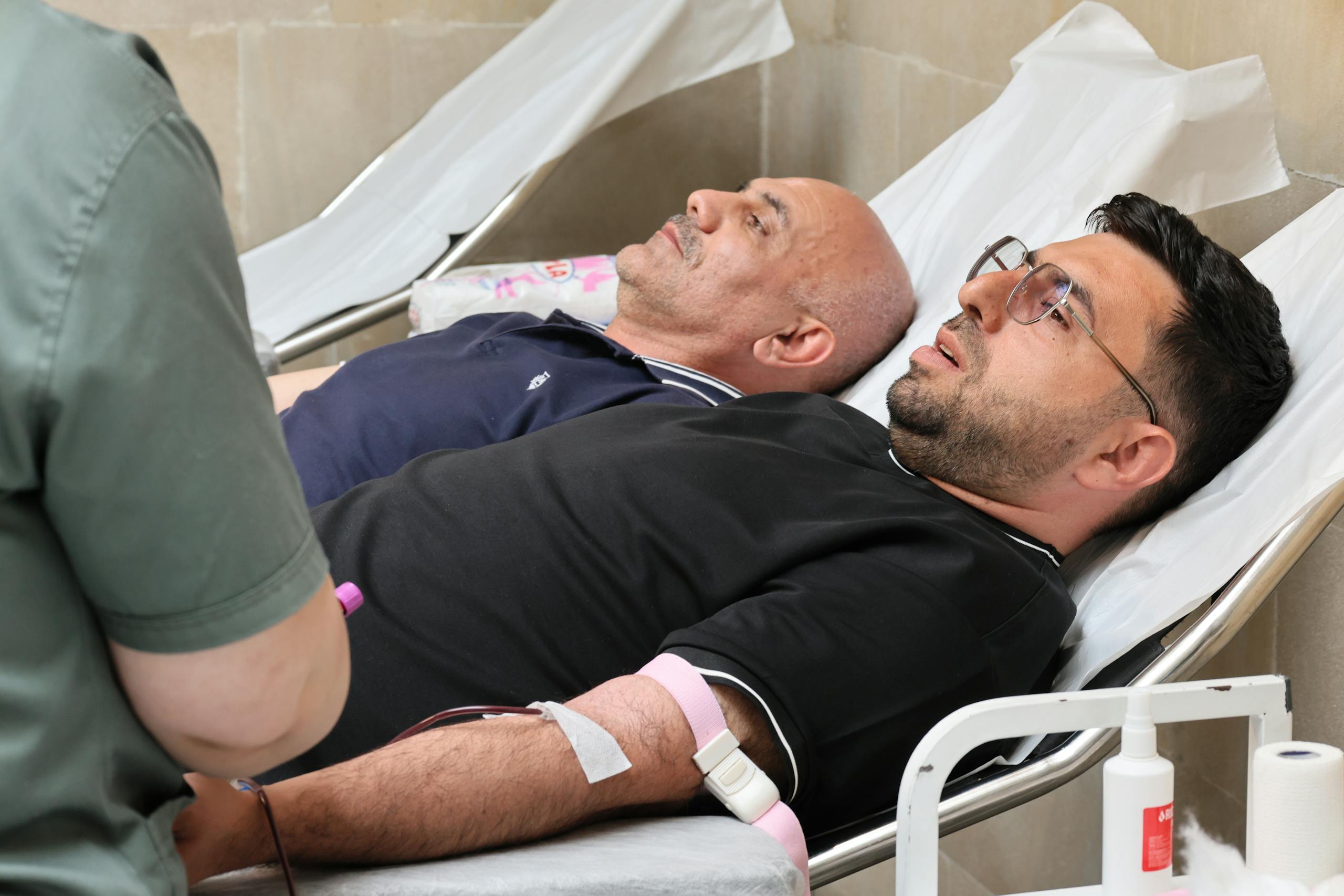
Blood donation is the most accessible form of medical generosity available to most healthy adults, and its impact is quietly staggering.
When you donate a unit of whole blood, it is separated into its components, red blood cells, plasma, and platelets, each of which goes to a different patient with a different need.
A cancer patient may need platelets. A trauma victim needs red cells. A burn patient needs plasma. One donation, one hour of your time, potentially three lives touched.
The demand is relentless. Hospitals need blood every single day for surgeries, cancer treatments, childbirth complications, and emergency care.
There is no synthetic substitute for human blood, none that works reliably in a clinical setting, which means the entire system runs on voluntary donors showing up regularly. Platelets last only five days after donation. The supply chain never rests.
One Organ Donor Can Save Eight Lives
A single deceased donor, someone who has registered, dies in circumstances that allow for donation, and whose family follows through, can potentially save eight lives through organ donation alone.
Heart, lungs (two), liver, kidneys (two), pancreas, and small intestine. Add tissue donation, and the number of people helped climbs dramatically: corneas, heart valves, bone, skin, and tendons can restore sight, mobility, and function for up to 75 additional recipients.
The logistics required to make this happen within the available window, organs must be recovered, matched, transported, and transplanted within hours, are breathtaking.
It involves transplant coordinators, surgical teams, aircraft, and databases working in concert around the clock. That any of it works at all is a testament to decades of medical infrastructure built specifically around human generosity.
Opt-Out Systems Dramatically Increase Donation Rates
How a country handles organ donation consent matters enormously. In opt-in systems like the United States, individuals must actively register as donors.
In opt-out systems, used in Spain, Austria, and increasingly across Europe, everyone is presumed to be a donor unless they have explicitly recorded otherwise.
Spain consistently leads the world in deceased donor rates, and its presumed consent law is part of the explanation.
But researchers note that the legal framework alone isn’t sufficient; Spain also invested heavily in transplant coordinators embedded in hospitals, dedicated to identifying potential donors and supporting families through the process.
The lesson isn’t just about default settings, it’s about treating donation as a system that needs active management, not passive hope.
You Can Donate a Kidney and Live a Completely Normal Life
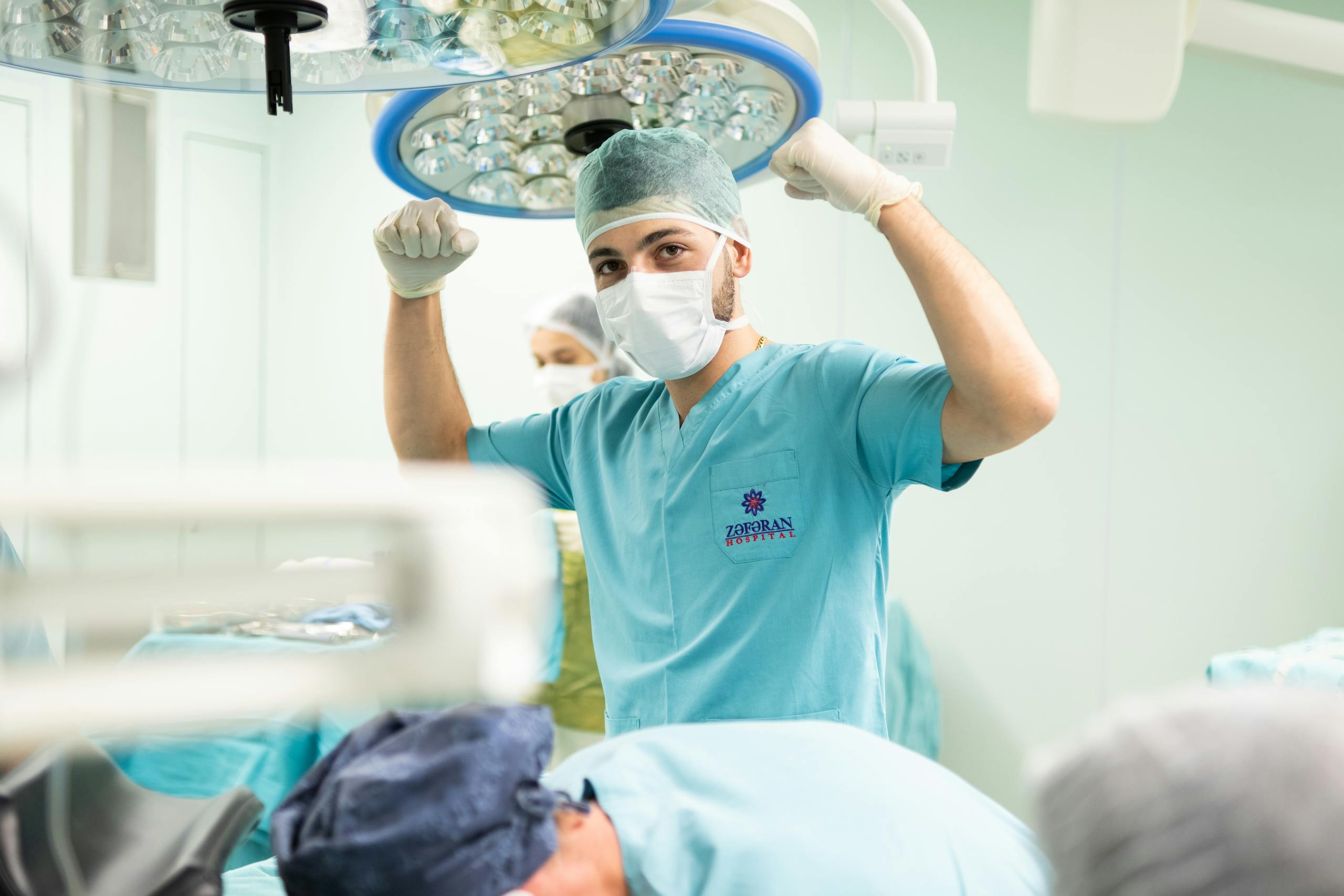
Living donation sounds extreme until you understand the biology. The human body functions perfectly well with one kidney.
The remaining kidney gradually increases its capacity to compensate, and the long-term health outcomes for living kidney donors are, in most cases, excellent. Donors typically return to normal activity within a few weeks.
Liver donation works differently but is equally remarkable. The liver is the only internal organ capable of regenerating itself.
A living donor can give up to 60 percent of their liver to a recipient, and within weeks, both the donor’s remnant liver and the recipient’s new partial liver will have grown to near-normal size.
It is one of the more extraordinary facts in human biology, and it means that living donation is not the sacrifice it might seem to be.
Ethnicity Matters More Than Most People Realize
Organ matching is not just about blood type. For transplants to succeed long-term, a range of tissue markers needs to align between donor and recipient. These markers are inherited, which means they cluster along ethnic and ancestral lines.
A patient of Nigerian heritage is statistically more likely to find a compatible match with a donor of similar background than with a donor from a completely different ancestry.
This creates a real and underappreciated problem: if donation rates are lower in certain communities, due to cultural mistrust, religious concerns, or historical experience with medical institutions, then patients from those communities wait longer and fare worse.
Increasing donation rates across all communities isn’t just about expanding supply in general. For many patients, it’s about expanding the pool of people who could actually match them specifically.
The United States cannot Use Paid Blood for Transfusions.
Here’s a fact that surprises most people: in the United States, blood purchased from donors cannot legally be used for transfusions.
Paid blood is used in pharmaceutical manufacturing, plasma-derived medications, and clotting factors, but not directly into patients’ veins.
The reason is safety. Research has consistently shown that voluntary, unpaid donors are more likely to be honest about their health history and risk factors than paid donors, for whom financial need may create an incentive to conceal disqualifying information.
The entire transfusion supply, therefore, depends on altruism. Every bag of blood hanging in a hospital ward got there because someone chose to give it away.
Stem Cells Can Come From an Umbilical Cord
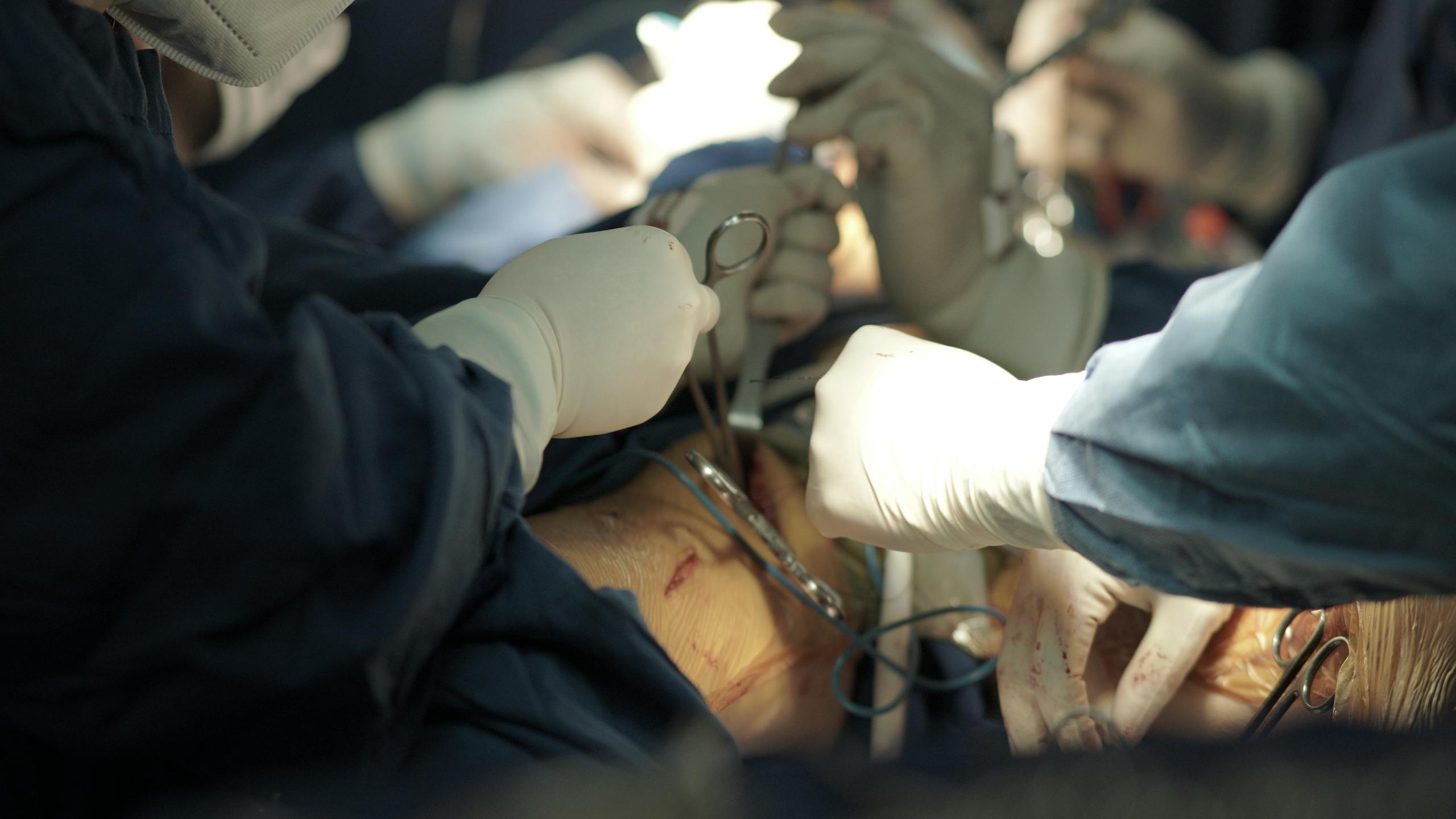
When a baby is born, the blood remaining in the umbilical cord and placenta is rich in stem cells, the foundational cells that can develop into various blood and immune system components.
This cord blood, which is otherwise simply discarded, can be collected, frozen, and stored for potential future use. It has already been used to treat leukemia, lymphoma, sickle cell disease, and a range of other conditions.
Bone marrow donation is the better-known source of stem cells for transplantation, and it saves thousands of lives annually.
The matching process is complex, and only about 30 percent of patients find a match within their own family. That is why international registries connecting millions of potential donors across dozens of countries exist specifically to close that gap.
Organ Tourism Is a Genuine and Dark Problem
Global demand for organs vastly outstrips supply, creating a black market. Organ tourism, traveling to another country to purchase an organ from a living, typically impoverished seller, exists in various parts of the world and involves levels of exploitation that are difficult to overstate.
Sellers frequently receive far less than promised, undergo surgery in inadequate conditions, and receive little or no follow-up care.
International medical bodies universally condemn the practice, and most countries have laws against participating in it.
But the desperation on both sides of the transaction, patients who are dying, sellers who are impoverished, means it persists. It is one of the sharper moral edges of the global organ shortage, and it does not resolve neatly.
Brain Death Is Not the Same as a Coma
One of the most significant barriers to donation is misunderstanding what brain death actually means. A person in a coma is unconscious but still has brain function; they may recover.
A person who is brain dead has experienced a complete and irreversible cessation of all brain activity, including the brain stem functions that control breathing.
Brain death is death. The body can be kept functioning temporarily by machines, but the person is gone.
This distinction matters because most deceased organ donors are brain-dead at the time of donation. Families who don’t understand this sometimes believe that consenting to donation means giving up on a living person.
It does not. The medical and legal standards for declaring brain death are rigorous precisely because the stakes are so high.
17 People Die Every Day Waiting for a Transplant in the US Alone

Over 100,000 people are currently on the transplant waiting list in the United States. The majority are waiting for kidneys. Some will wait years. Every day, approximately 17 of them die before a matching organ becomes available.
That works out to one person every 85 minutes, quietly dying of a shortage that donor registration could help address.
The gap between people who support donation in principle and people who have actually registered is significant. Surveys consistently show that around 90 percent of Americans support organ donation.
Registered donors number around 169 million, a large figure, but one that still leaves millions of supportive people who simply haven’t completed the step of making their wishes official.
Conclusion
The gift of life through donation is not one thing; it is blood given on a Tuesday morning before work, a family making an agonizing decision in a hospital corridor, a stem cell donor whose cheek swab matched a stranger on another continent, a surgeon landing at midnight with a cooler.
It is biology and ethics and bureaucracy and grief and extraordinary human generosity, all operating simultaneously.
What makes it astonishing is not any single fact but the whole improbable system, and the reality that it only works because ordinary people keep choosing to participate in it.