Modern church worship is no longer shaped by one style, one room, one choir, or one Sunday format. We now see churches blending Scripture, music, technology, hospitality, discipleship, accessibility, and community service into a fuller worship experience that reaches people both inside and outside the sanctuary. The strongest worship practices today do not chase novelty for its own sake. They use modern tools to deepen reverence, strengthen participation, welcome diverse congregations, and help people carry faith into everyday life.
Pew Research Center reported that 23% of U.S. adults watch religious services online or on television at least monthly, and 40% participate in religious services at least monthly through in-person worship, online worship, or both. That single shift explains why worship planning now extends beyond the pulpit, choir loft, and pews. A church service has become a gathered experience, a digital doorway, a discipleship moment, and a community signal all at once. Pew Research Center
Hybrid Worship Is Now a Core Church Practice
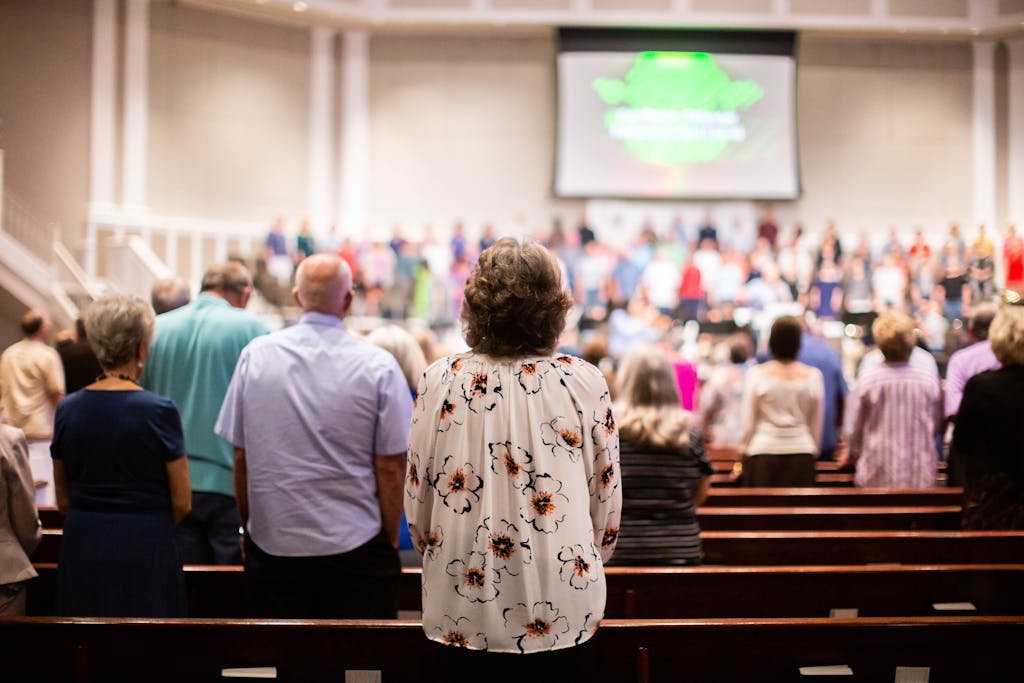
Hybrid worship has moved from an emergency solution to a lasting ministry model. Churches now plan Sunday services with both the in-person congregation and the online viewer in mind, which changes how worship teams think about sound, camera angles, lighting, sermon pacing, welcome moments, prayer, and follow-up. A livestream is no longer treated as a passive recording of what happened in the room. It has become a front door for first-time visitors, homebound members, traveling families, seekers, shift workers, and people who need time before entering a physical church space.
The best hybrid worship practices preserve the sacred weight of gathering while extending hospitality beyond the building. We see churches adding online hosts, digital prayer cards, sermon discussion links, midweek follow-up emails, online giving options, and small group invitations that connect remote attendees to real relationships. Lifeway Research has continued to highlight the importance of digital ministry and hybrid services in church life, especially as technology affects giving, attendance, and engagement. (Lifeway Research) The key is not to make online worship replace the gathered church. The goal is to make digital ministry serve as a bridge toward worship, discipleship, care, and community.
Contemporary Worship Music Keeps Expanding
Contemporary worship music remains one of the most visible trends in church worship practices today. Many churches now use praise bands, acoustic sets, worship choirs, gospel arrangements, modern hymns, spontaneous prayer moments, and carefully planned transitions to create a musical flow that feels both current and spiritually grounded. Guitars, keyboards, drums, pads, strings, and vocal teams often work together to support congregational singing rather than performance alone. The strongest worship teams understand that the congregation is not the audience. The congregation is the choir.
At the same time, contemporary worship is becoming more diverse in sound. We see churches drawing from gospel, Afrobeat, Latin worship, worship ballads, folk, modern hymnody, Pentecostal praise, and stripped-down acoustic arrangements. This gives congregations a richer musical language for prayer, lament, celebration, repentance, gratitude, and surrender. The trend is not simply “new music replacing old music.” It is a wider worship vocabulary that helps different generations and cultures sing faith with sincerity.
Traditional Hymns Are Returning With Fresh Arrangements
Many churches are rediscovering the depth of historic hymns. Instead of abandoning traditional worship, congregations are reintroducing hymns with updated arrangements, fresh instrumentation, and clearer theological framing. Songs like “Holy, Holy, Holy,” “Great Is Thy Faithfulness,” “Be Thou My Vision,” and “It Is Well With My Soul” continue to resonate because they carry doctrinal weight, poetic beauty, and generational memory. In a fast-moving culture, these songs give worshippers a sense of rootedness.
This trend matters because many younger worshippers are not only looking for novelty. They are also searching for depth, continuity, and sacred identity. A church that sings only what is new may feel thin. A church that sings only what is old may feel inaccessible to some people. The strongest worship practice blends inherited faith with present expression, allowing the church to sound like a living body rather than a museum or a concert venue.
Intergenerational Worship Is Becoming More Intentional
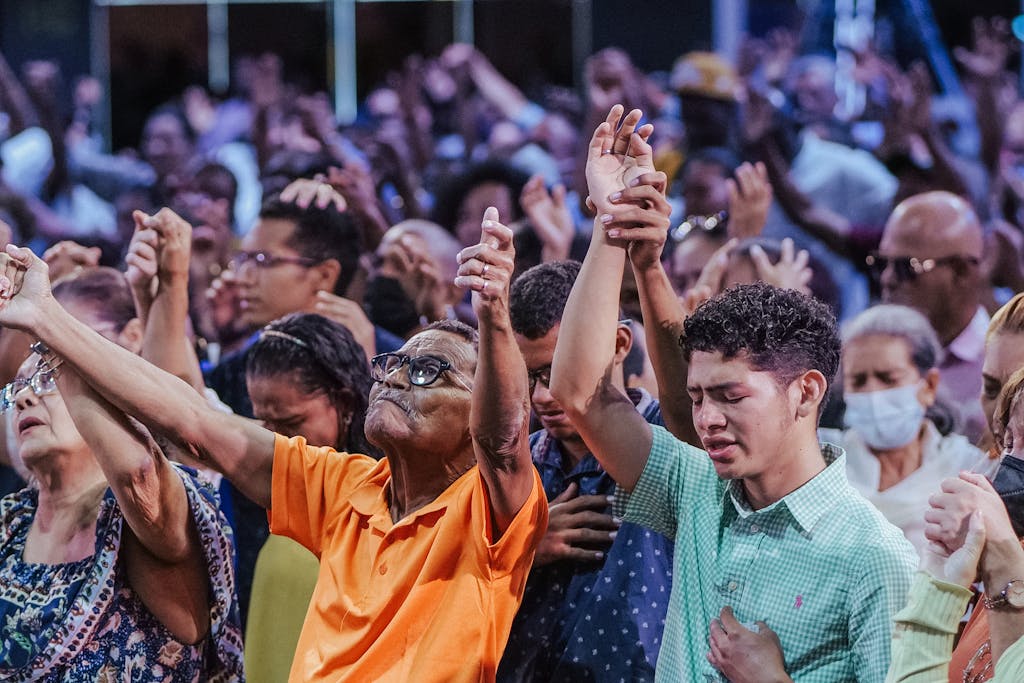
Churches are paying closer attention to how worship serves children, teenagers, young adults, parents, singles, seniors, and long-time members together. Intergenerational worship does not mean every song, sermon illustration, or service element must appeal equally to everyone. It means we design worship with the whole body of Christ in view. Children see older believers pray. Seniors hear younger voices lead. Teenagers learn that faith is not a stage of life. Adults remember that worship is bigger than personal preference.
This practice pushes churches beyond style-based separation. A fully segmented church can become efficient, but it can also weaken the sense of shared spiritual family. Intergenerational worship restores that family feeling by including child dedications, youth Scripture readings, testimony moments, multi-age choirs, family communion services, and service projects connected to Sunday worship. The result is a stronger congregation where worship forms people across life stages.
Digital Scripture, Screens, and Visual Media Support Participation
Churches now use screens, projectors, lower-thirds for livestreams, sermon slides, worship lyrics, motion backgrounds, and digital Scripture displays to help people participate more easily. These tools are especially useful for visitors who do not know the songs, people who did not bring a Bible, and online attendees following from a phone or television. When used carefully, visual media can reduce barriers and keep the congregation focused on the message.
Still, wise churches avoid turning worship into a presentation deck. Screens should serve the liturgy, not dominate it. The best visual worship practices use simple typography, readable lyrics, accurate Scripture references, uncluttered backgrounds, and thoughtful pacing. Visual media becomes powerful when it helps people sing, read, pray, reflect, and respond without distraction.
Worship Services Are Becoming More Accessible
Accessibility has become a serious part of modern church worship. Churches are adding sign language interpretation, captioned livestreams, wheelchair-friendly seating, sensory-sensitive spaces, large-print materials, hearing assistance systems, quiet rooms, and clearer building signage. These practices show that inclusion is not just a statement on a website. It becomes visible in the architecture, service planning, volunteer training, and communication style of the church.
Accessible worship also includes language access. Multilingual Scripture readings, translated sermon notes, bilingual worship songs, and culturally aware hospitality help churches serve increasingly diverse communities. A church that removes barriers reflects the heart of the gospel in practical ways. We welcome people not by asking them to overcome every obstacle alone, but by preparing a place where they can participate with dignity.
Prayer Is Becoming More Congregational and Less Rushed
In many modern worship settings, prayer is regaining space. Churches are moving beyond brief transition prayers and creating meaningful moments for confession, lament, healing, intercession, silence, and thanksgiving. Some congregations include guided prayer, altar ministry, prayer teams, written prayer prompts, or moments where members pray in small groups during the service. This trend shows a hunger for worship that is not only energetic but spiritually honest.
The return of deeper prayer practices also reflects cultural exhaustion. Many people arrive at church anxious, distracted, grieving, overworked, or spiritually numb. A service that never slows down can miss the ache people carry into the room. Thoughtful prayer gives worshippers permission to bring their real lives before God. It makes the service feel less like a production and more like a holy gathering.
Shorter Sermon Series Are Meeting Modern Attention Patterns
Churches are adapting sermon planning without weakening biblical substance. Many pastors now use shorter sermon series, clearer themes, strong storytelling, practical application, and memorable teaching frameworks. This does not mean sermons must become shallow. It means pastors are paying attention to how people listen, learn, and remember. A well-structured sermon can carry serious theology in a way that ordinary people can apply on Monday morning.
Topical series on anxiety, marriage, forgiveness, prayer, identity, generosity, work, family, justice, and spiritual growth often sit alongside verse-by-verse preaching through biblical books. The strongest preaching ministries balance relevance with biblical authority. They do not use Scripture as decoration for motivational talks. They let Scripture lead, then connect its truth to the pressures, hopes, sins, and questions people face today.
Testimonies Are Strengthening Worship Connection
Personal testimonies are becoming a powerful part of church worship practices. A two-minute story of healing, forgiveness, addiction recovery, restored marriage, answered prayer, or renewed faith can help the congregation see doctrine in motion. Testimonies make worship feel personal without making it self-centered. They remind people that God is active in ordinary lives, not only in sermons and songs.
Churches use testimonies in different ways. Some include baptism stories before immersion. Others record short videos before the sermon series. Some invite members to share during mission Sundays, giving moments, youth services, or special prayer gatherings. The best testimonies are brief, honest, Christ-centered, and carefully prepared. They should point to grace, not personal performance.
Community Engagement Is Becoming Part of Worship Identity
Church worship no longer ends when the benediction is spoken. More churches connect Sunday worship to local mission through food drives, school partnerships, prison ministry, hospital visitation, refugee support, addiction recovery programs, neighborhood cleanups, counseling support, and volunteer teams. Worship becomes credible when it produces service. A church that sings about compassion but never practices it loses moral weight in the community.
This trend reflects a larger shift from attraction-only ministry to presence-based ministry. Churches are asking how they can bless their neighborhoods, not just how they can fill seats. AP reporting on fast-growing churches has also shown how young adults are drawn to communities that combine strong preaching, passionate worship, spiritual seriousness, and real belonging. AP News When worship connects to mission, people see faith as a lived calling rather than a Sunday habit.
Smaller Worship Gatherings Are Growing Alongside Large Services
Large worship gatherings still matter, but smaller gatherings are gaining strength. House churches, prayer nights, micro-churches, campus groups, midweek worship rooms, young adult gatherings, and neighborhood Bible studies give people more intimate spaces for participation. In smaller settings, people are more likely to ask questions, share burdens, pray aloud, confess struggles, and form lasting friendships.
This does not make the main Sunday service less important. It means the church is learning that spiritual formation needs both celebration and closeness. The large gathering gives the congregation a shared vision, preaching, sacraments, worship, and public witness. The smaller gathering gives people care, accountability, and relational depth. Healthy churches are building both.
Liturgical Worship Is Attracting Renewed Interest
Liturgical worship is receiving fresh attention, especially among people who feel tired of constant novelty and performance culture. Creeds, responsive readings, confession, communion, church calendar rhythms, Scripture-heavy services, candles, silence, and written prayers can give worshippers a sense of sacred order. These practices remind the church that worship is not invented from scratch every week. It is received, practiced, and passed on.
This trend does not belong only to historic denominations. Even contemporary churches are borrowing liturgical elements in simple ways. We see modern worship services include Advent readings, Lent reflections, weekly communion, corporate confession, and pastoral blessings. The appeal is clear. In a noisy culture, liturgy gives people words when they have none, rhythm when life feels scattered, and reverence when everything else feels casual.
Worship Teams Are Becoming Pastoral Teams
The role of the worship team is changing. Strong worship leaders are not simply musicians who choose songs. They are spiritual guides who understand theology, pastoral care, congregational dynamics, Scripture, prayer, and emotional tone. They help shape how the church responds to grief, celebration, tragedy, repentance, baptism, communion, and mission. This requires maturity, humility, and preparation beyond musical skill.
Churches are also investing more in worship team discipleship. Rehearsals include prayer, Scripture reflection, leadership coaching, and conversations about serving the congregation. This matters because platform ministry can easily drift into performance. A spiritually healthy worship team remembers that excellence is not the same as entertainment. Excellence becomes worship when it is offered with reverence, love, and service.
Church Technology Is Becoming More Strategic

Modern worship technology now includes livestream systems, digital giving tools, church apps, planning software, online connection cards, lighting systems, audio upgrades, sermon clips, podcasts, and social media distribution. These tools help churches communicate clearly and reach people who may never walk into the building first. According to Lifeway Research, online giving and hybrid services are two technological changes that may contribute to increased giving in congregations. Lifeway Research
The most effective churches do not use technology to appear impressive. They use it to remove friction. A clear website helps a visitor know service times. A reliable livestream helps a sick member worship from home. A church app helps someone join a group. A digital giving platform helps generosity continue beyond Sunday. Technology works best when it quietly supports worship, care, mission, and discipleship.
Worship Spaces Are Being Designed for Flexibility
Church buildings are changing. Many congregations now prefer flexible worship spaces that can support Sunday services, youth nights, prayer gatherings, conferences, community meals, counseling, training, and outreach events. Movable seating, improved lighting, modern sound systems, accessible stages, multipurpose lobbies, and better children’s check-in areas help churches use their facilities throughout the week.
This trend is practical and theological. A church building is not only a sanctuary for an hour on Sunday. It can become a mission hub, care center, classroom, prayer room, and community gathering place. Churches that design flexible spaces can respond faster to local needs. They can host worship one day, serve families the next, and train volunteers the day after that.
Multisensory Worship Is Deepening Engagement
Multisensory worship uses sight, sound, silence, movement, touch, and space to help people engage more fully. This can include communion, kneeling prayer, candlelight services, baptism, visual art, Scripture stations, anointing with oil, processions, responsive readings, and reflective music. These practices remind us that worship involves the whole person, not only the mind.
Churches should use multisensory elements with care. The goal is not theatrical effect. The goal is embodied faith. Baptism lets the church see death and resurrection. Communion lets believers taste remembrance and grace. Kneeling expresses surrender. Silence makes room for listening. When these practices are grounded in Scripture and explained well, they can deepen reverence and participation.
Online Content Is Extending Worship Beyond Sunday
Sermon clips, worship playlists, devotionals, podcasts, prayer videos, Bible reading plans, and social media reflections now extend the life of Sunday worship into the week. A sermon no longer lives only in the memory of those who attended. It can become a Monday encouragement, a Wednesday small group discussion, a Saturday invitation, or a private resource for someone searching for hope at midnight.
This trend requires wisdom. Churches should resist the pressure to behave like content factories. The goal is formation, not constant posting. Strong digital ministry repurposes Sunday worship into useful touchpoints that help people pray, learn, invite, and grow. A short sermon clip can reach someone who would never click a full service. A worship playlist can help a family pray in the car. A devotional email can keep Scripture close during a stressful week.
Church Worship Is Becoming More Data-Informed
Churches are using data more carefully to understand attendance patterns, livestream engagement, volunteer health, giving rhythms, newcomer follow-up, small group participation, and service accessibility. This does not mean churches should reduce worship to numbers. It means leaders can make wiser decisions when they understand how people are engaging.
For example, if many first-time visitors watch online before attending in person, the church should improve its digital welcome. If families leave because the children’s check-in is confusing, hospitality needs attention. If livestream viewers drop off before the sermon begins, the service opening may need clarity. If volunteers burn out, scheduling practices need care. Data cannot replace prayer and discernment, but it can reveal patterns leaders might otherwise miss.
Young Adults Are Looking for Authentic Worship
Many churches are rethinking how they serve young adults. The old assumption that younger generations only want louder music, casual settings, and shorter sermons is too thin. Many young adults want authenticity, biblical depth, honest community, beauty, service, and spiritual seriousness. Barna’s 2025 reporting found that Gen Z and Millennial churchgoers were attending more frequently than before, with Gen Z churchgoers averaging 1.9 weekends per month and Millennials averaging 1.8. Barna Group
This trend should encourage churches to move beyond stereotypes. Young adults can recognize performance without substance. They often respond to worship that feels honest, rooted, relational, and purposeful. They want space for hard questions, meaningful friendships, service opportunities, and teaching that does not collapse under cultural pressure. Churches that combine conviction with compassion are better positioned to disciple the next generation.