Nature, in all its magnificence, does not always reward life after sex. In some species, reproduction is the finish line rather than the beginning of parenthood.
This phenomenon, known as semelparity, is a reproductive strategy in which animals invest all their energy into a single, massive reproductive effort, only to die shortly after.
While this idea might seem extreme or even suicidal, it is far from uncommon in the animal kingdom. Males, in particular, are often driven to live fast and die young, many surviving only a year or less.
Although scientists have yet to pinpoint the exact reason for this behavior, some argue that it may be a survival strategy. By dying after reproduction, these males make space for the females and avoid wasting resources.
In certain species, the male’s death could even make reproduction more successful for the females. This strategy is nature’s answer to one pressing question: when you have only one chance to reproduce, how can you maximize its success?
Let’s take a closer look at the fascinating and often brutal lives of these animals that give everything for the future of their species.
The Antechinus
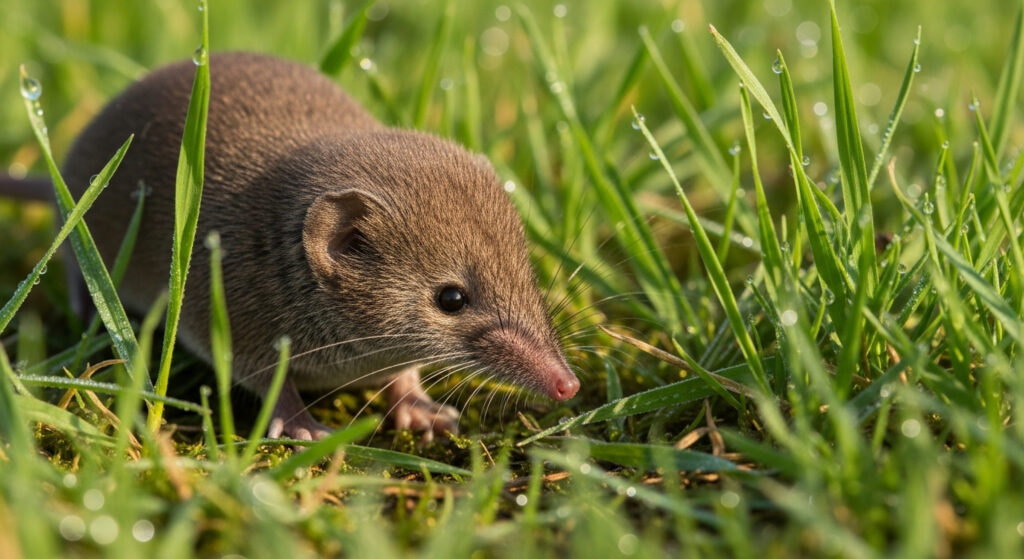
The Antechinus, a small marsupial native to Australia, is an emblematic example of how the intensity of mating can lead to death. Males live for just one year, with their sole purpose being to mate.
During the breeding season, males engage in what can only be described as a mating frenzy, vying for the attention of females in brutal, violent encounters. These mating sessions can last up to 14 hours, and throughout this period, the males don’t eat, drink, or sleep.
The result? Their bodies begin to break down. The stress of reproduction weakens their immune systems, leaving them vulnerable to infections and parasites.
After the mating season ends, the males are completely exhausted and die shortly after. Meanwhile, the females, having survived the ordeal, go on to give birth and care for their young, leaving the males to pay the ultimate price for the continuation of the species.
Labord’s Chameleon
Imagine living for only a few months, with most of that time spent inside an egg. For Labord’s Chameleon, this is the reality. The chameleon has one of the shortest life spans of any vertebrate, often living for only four to five months. Males die shortly after mating, and their life cycle is so compressed that they spend more time as embryos than as fully grown adults.
Why do they die so young? The answer lies in the brutal nature of the chameleon’s reproductive process. Mating is violent, with males fighting for access to females, and the physical stress involved in competing for mates eventually takes its toll. The death of both males and females following mating seems to be a natural result of the intense energy required for reproduction. This strategy might seem harsh, but it ensures that the chameleon’s genes are passed on in a short and efficient manner.
Praying Mantises
When it comes to praying mantises, reproduction is not just about mating; it’s about survival of the fittest, with a deadly twist. In many mantis species, the female devours the male either during or after mating. This gruesome behavior may seem like a random act of violence, but it actually serves an evolutionary purpose. The act of decapitation seems to stimulate the male’s reproductive organs, making him thrust more vigorously, thus increasing the chances of successful mating.
But this sacrifice comes at a cost. Once decapitated, the male’s body continues to function for a short period, with the tail’s mini brain taking over control of the mating process. Although the female benefits from this gruesome act by gaining extra nutrients, the male’s death ensures that he will not survive to mate again. In this case, death is an active part of the reproductive process.
Australian Redback Spiders
In the world of spiders, Australian redbacks are notorious for their extreme approach to reproduction. Like their cousins, the black widow spiders, redbacks engage in sexual cannibalism.
During mating, males offer themselves to females by positioning themselves near their mouths, knowing that they will likely be devoured after copulation. But here’s the twist: this sacrifice enhances the male’s chances of fathering more offspring.
By being eaten, the male ensures that the female’s energy is fully dedicated to producing his offspring. A male who sacrifices himself is more likely to sire a larger number of offspring compared to a male who survives the mating process.
This strategy seems counterintuitive at first, but for the redback spider, it’s a necessary sacrifice to ensure the survival of its genes. The male’s death is almost preordained, as his lifespan is so short that even if he doesn’t get eaten by a predator, he is unlikely to live long enough to find another mate.
The Phascogale
The red-tailed phascogale, a small marsupial from Australia, follows a similar reproductive path to that of the antechinus. Male phascogales only have one chance to mate before they die. Around the ages of 11 or 12 months, they enter a frantic breeding season that completely exhausts their bodies.
The stress of reproduction weakens their immune system, leading to infections and organ failure. By the time the breeding season is over, the males have either died from these conditions or fallen prey to predators like owls or foxes.
Meanwhile, females, who live longer, can mate for multiple seasons. The male’s death may seem wasteful, but it actually ensures that the next generation has the resources to thrive, as there is less competition for food and space.
The Little Red Kaluta
The little red kaluta, a small marsupial from Western Australia, follows the same reproductive strategy as the phascogale and antechinus. Males live only to mate. After the stressful breeding season, they die, often before the females even give birth. This reproductive strategy maximizes the chances of successful reproduction by ensuring that males focus entirely on mating, without wasting energy on survival.
Interestingly, in laboratory settings, male kalutas kept alive after mating become “reproductively senile,” too old to mate effectively, even though they are still quite young. This reinforces the idea that their bodies are built for a one-time reproductive burst, and the species benefits from this sacrifice.
Drone Honey Bees
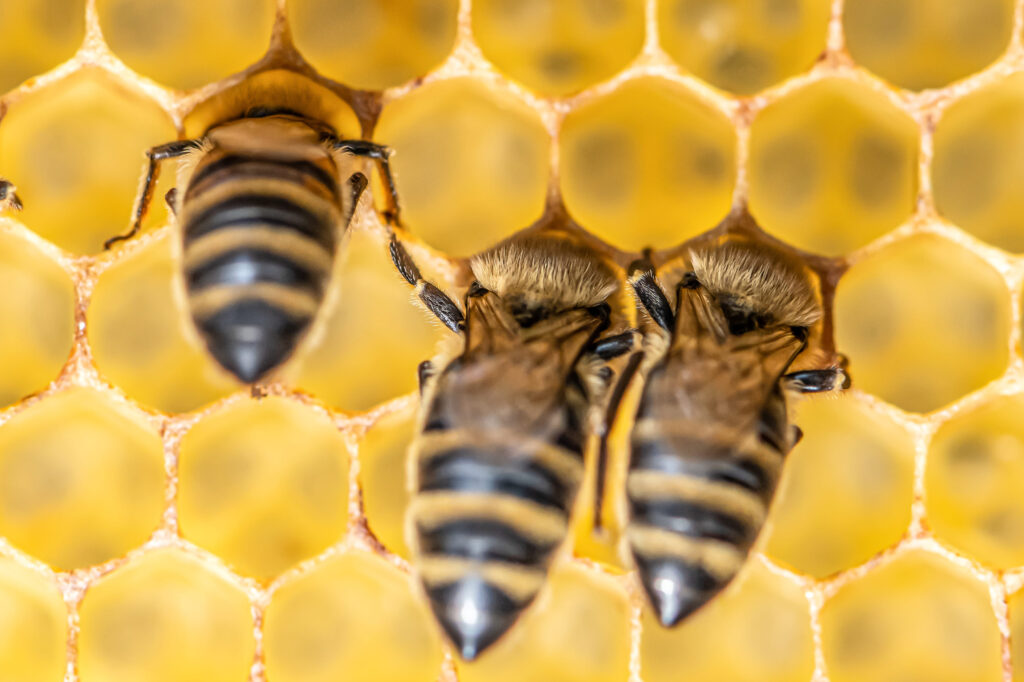
For the drone honey bee, reproduction is literally a one-way street. Drones only have one purpose in life: to mate with the queen. After successfully mating with the queen, the drone’s reproductive organs are ripped out, and he dies almost immediately.
This might seem like a gruesome fate, but it’s the ultimate sacrifice for the colony. The drone’s death ensures that the queen has access to a sufficient supply of sperm for future reproduction, while also preventing the drone from wasting resources in his final moments.
In this case, the drone does not simply die; he dies with a purpose, ensuring the future of his genes and the hive itself.
Pacific Salmon
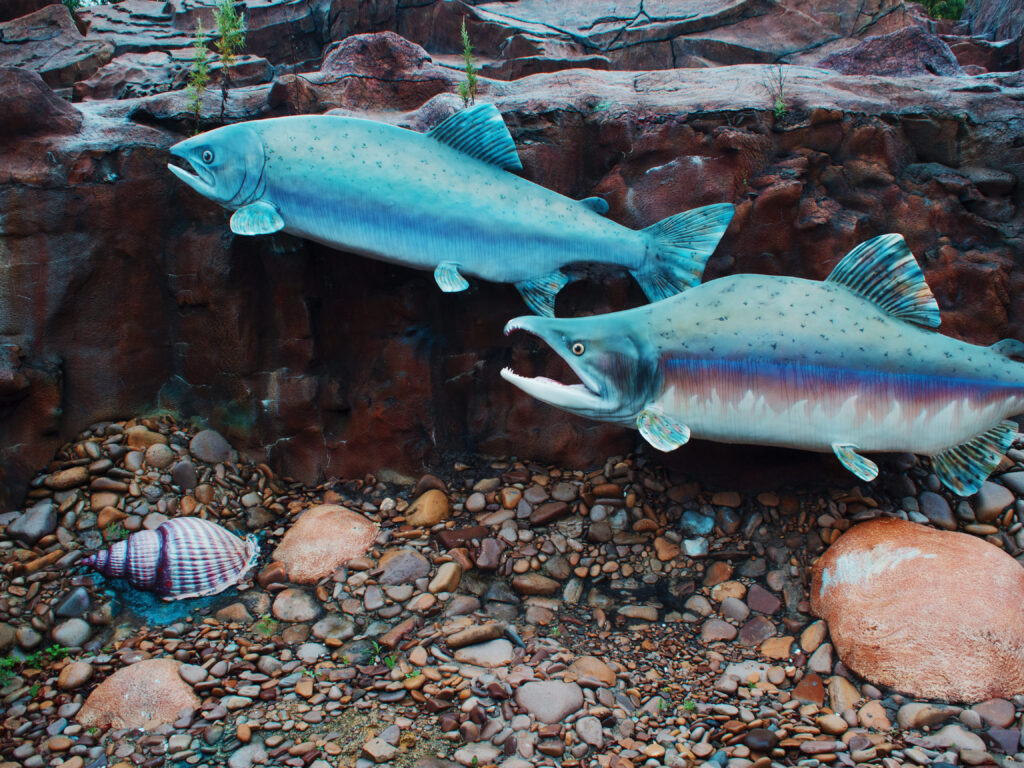
Pacific salmon follow one of the most well-known semelparous life cycles. After spending years in the ocean, they return to their freshwater breeding grounds to spawn.
By this point, they are essentially on their deathbeds, having stopped eating and expending all their energy on the long, grueling journey upstream. Once they spawn, they die, having given everything for the future of their species.
This is not just an act of biological programming; it’s an all-consuming, exhausting process. Their bodies are designed to expend every last resource to produce offspring, ensuring that the next generation has the best possible start in life.
Eulachon
While eulachon fish may not be as famous as salmon, they follow a very similar reproductive strategy. These fish live to spawn, and once they have successfully laid their eggs, they die.
This strategy is not unique to eulachon; it’s found in several fish species, suggesting that semelparity is a reliable evolutionary strategy for species with narrow breeding windows. Like salmon, eulachon dedicate their entire lives to one reproductive burst, sacrificing themselves for the next generation.
Octopuses
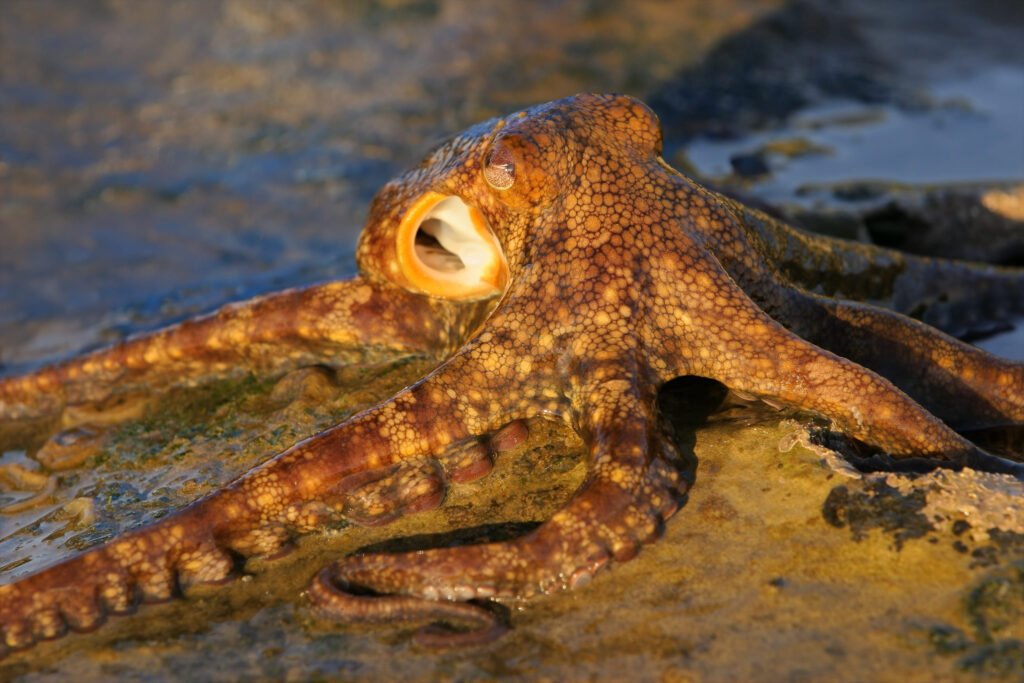
Octopuses provide one of the most fascinating examples of semelparity, with a life cycle that culminates in a programmed death. Males die shortly after mating, while females typically die while brooding their eggs. This death is triggered by hormonal changes that shut down their bodies, essentially leading to a form of self-destruction.
This programmed death ensures that the female’s energy is fully dedicated to producing and caring for the next generation. The process may seem tragic, but it’s an evolutionary strategy that ensures the species’ survival.