Most people hear the word “overdose” and immediately picture pills, powders, or the latest trendy street drug. What rarely comes to mind are the everyday items lurking in your kitchen, pantry, or bathroom that could quietly plot against you if consumed in alarming quantities.
You might think that a little soy sauce or a giant jug of iced tea is harmless, but as it turns out, even the most innocent substances can turn deadly when the line between reasonable and ridiculous is crossed.
The following examples mix the bizarre, the everyday, and the “why on earth would anyone do that?” They are reminders that moderation is not just a suggestion; it can be a lifesaver. Prepare yourself for the unexpected culprits that have shocked doctors and confused families worldwide.
Soy Sauce
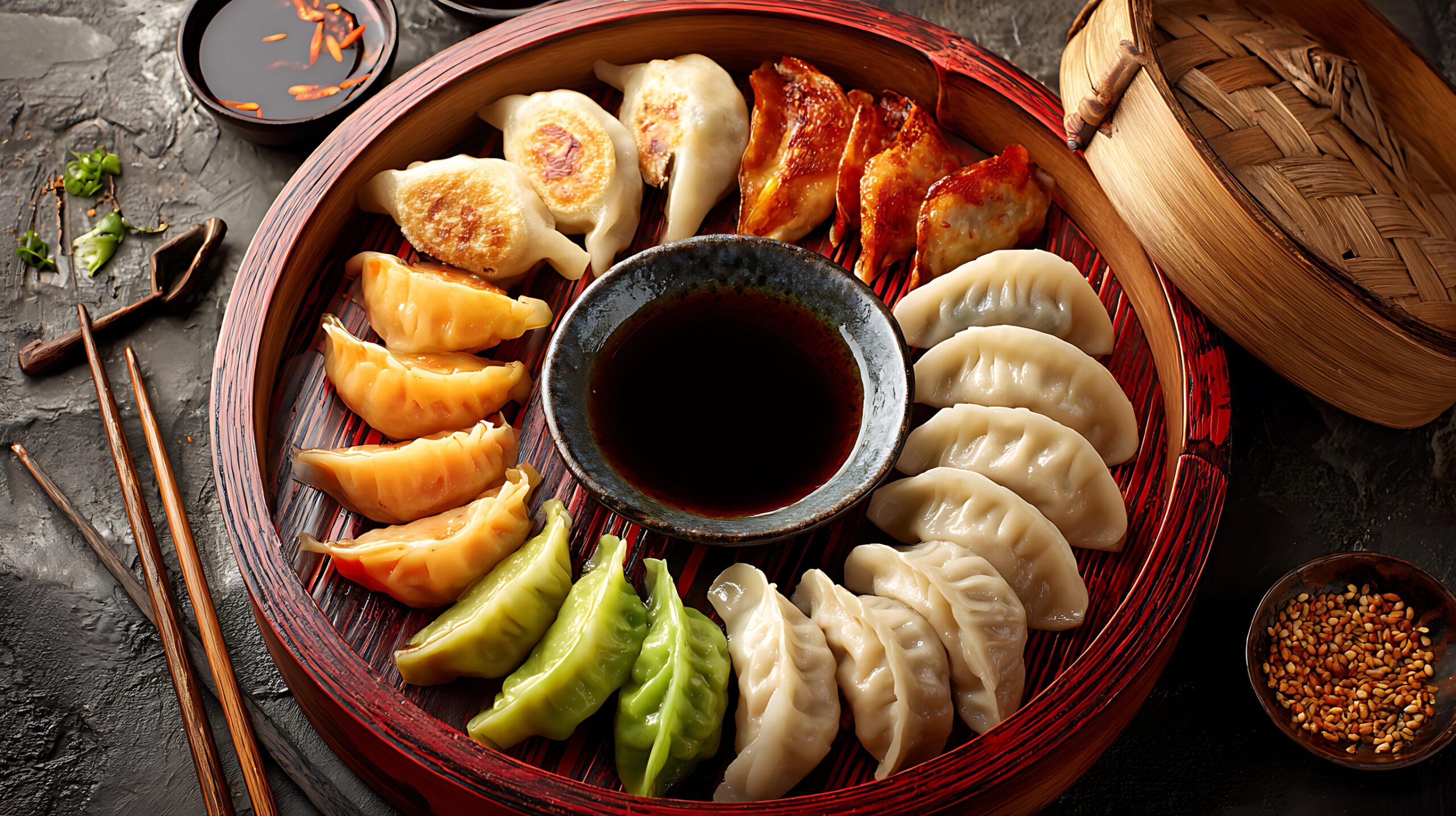
Most people sprinkle soy sauce on their sushi or stir-fry without a second thought. However, in 2013, a 19-year-old teen from Virginia decided that a mere teaspoon was not enough and drank almost a liter of soy sauce after a dare.
The result was a severe case of hypernatremia, where salt levels in the blood spike so high that water is literally pulled from the brain, causing shrinkage and bleeding.
He experienced seizures and fell into a coma for three days. Doctors had to carefully flush the excess sodium from his system. Thankfully, he survived without lasting neurological damage, but the incident proves that the condiment sitting on your shelf can become a silent assassin if taken too far.
Tea
An Arkansas man loved his iced tea a little too much. Consuming roughly sixteen 8-ounce cups per day, he ended up with kidney failure due to an overload of oxalate, a chemical naturally found in black tea, rhubarb, and spinach.
After feeling nauseous, weak, and achy, he required dialysis and may face lifelong treatment. Experts note that up to four cups of tea daily is generally safe, but this extreme tea obsession illustrates that even seemingly healthy beverages have their limits. Overindulgence can turn a comforting ritual into a medical emergency.
Water
Hydration is vital, but water has a dark side when taken to extremes. Water intoxication, or hyponatremia, occurs when the balance of electrolytes is disrupted by excessive fluid intake. Cells swell, pressure in the brain rises, and confusion, seizures, or even death can follow.
There have been documented cases of marathon runners collapsing after drinking too much water too quickly. It is a sobering reminder that something as essential as water can become deadly when moderation is ignored.
Vitamin A
Vitamin A is critical for vision, immune function, and skin health. However, more is not necessarily better. Ingesting massive amounts can lead to headaches, liver damage, and even death.
In one tragic case, an explorer in the Arctic consumed polar bear liver, rich in vitamin A, and suffered severe poisoning. This demonstrates that even nutrients often marketed as essential supplements have a line between helpful and harmful. Overconsumption may sneak in quietly, leaving you puzzled about how a vitamin could put you in danger.
Caffeine
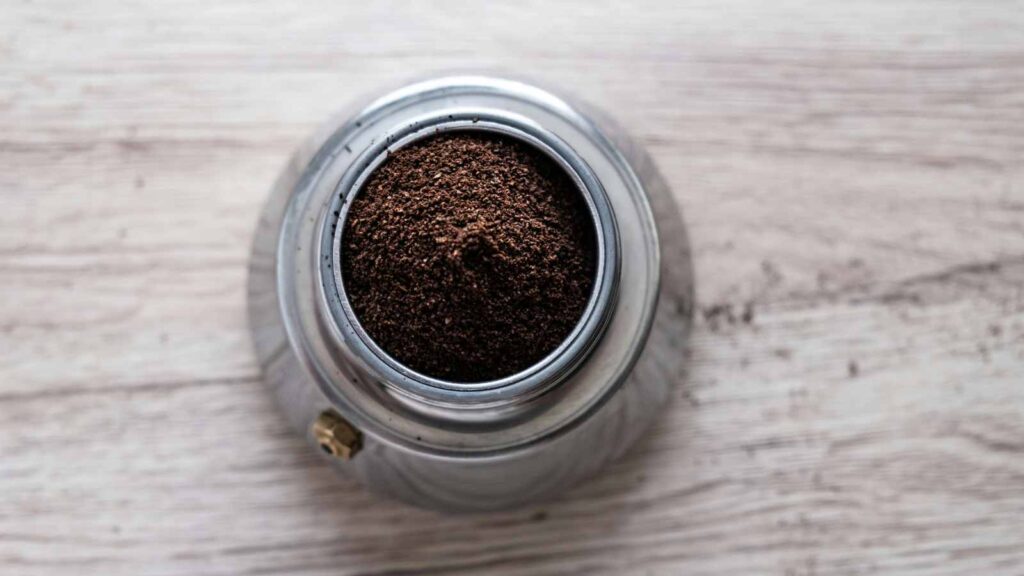
Coffee lovers, beware. While caffeine can increase alertness and improve mood, it is also a substance that can be overdosed on. Extremely high doses may lead to heart palpitations, vomiting, seizures, and in rare cases, death.
It is surprisingly easy for those obsessed with energy drinks, espresso shots, or caffeine pills to cross the threshold from stimulating to harmful. The “wake up” ritual can turn into a medical nightmare, proving that your morning pick-me-up deserves respect and careful measurement.
Nutmeg
Nutmeg seems harmless, a spice that adds warmth to holiday dishes and baked goods. Yet consuming large amounts of nutmeg can induce hallucinations, nausea, dizziness, and palpitations due to a chemical called myristicin.
There have been reported cases of teenagers experimenting with nutmeg to achieve psychoactive effects. The idea that a pinch in your pumpkin pie could be relatively safe, but a tablespoon or two might land you in the hospital, is a striking example of how everyday items can hide dangerous potential.
Salt
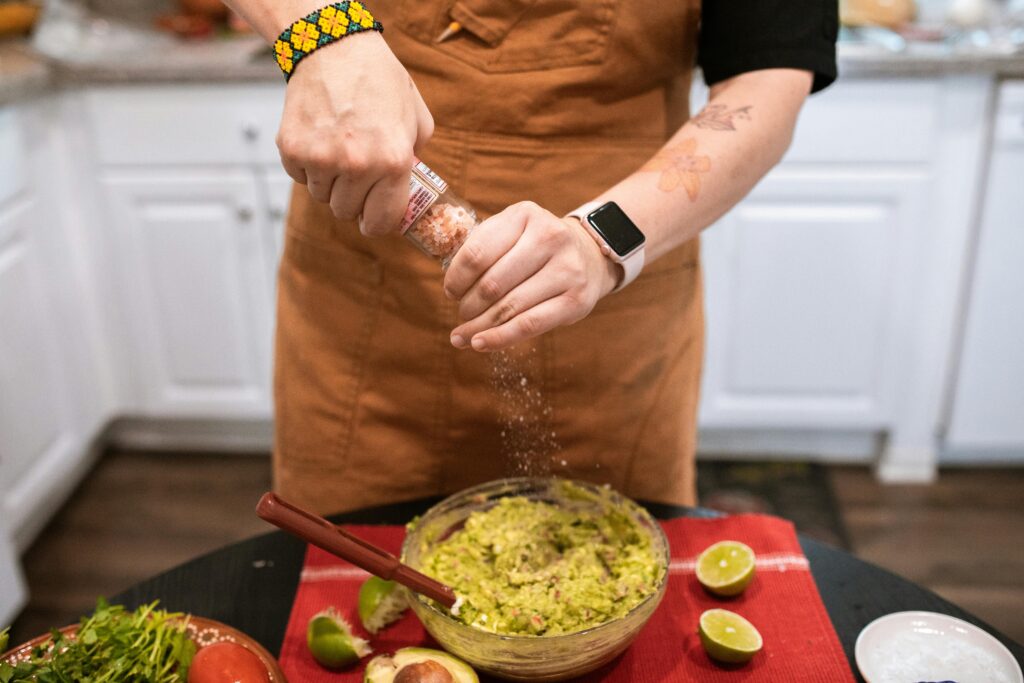
Salt, the cornerstone of flavor, is another common substance that can kill in excess. Just like with soy sauce, extreme salt consumption can disrupt the electrolyte balance in your blood, leading to severe complications, including seizures and coma.
The body requires a delicate balance, and tipping it too far toward sodium overload can have immediate and serious consequences. A sprinkle too many can be more than a flavor faux pas; it can be a life-threatening decision.
Alcohol-Free Products
It might sound counterintuitive, but even alcohol-free products such as kombucha or zero-alcohol beer can be harmful if consumed in excess. The fermentation process still produces small amounts of ethanol, and drinking gallons per day could overwhelm your liver or kidneys.
This subtle danger highlights that “non-alcoholic” does not equate to “risk-free.” Even substances designed as safer alternatives pose hidden dangers when consumed without restraint.
Energy Drinks
Energy drinks are notorious for their high caffeine and sugar content. While the occasional can might boost focus, overconsumption can spike blood pressure, cause irregular heartbeats, and trigger heart attacks in extreme cases.
Marketing often encourages rapid consumption for instant energy, but the body is not built for such intense chemical surges. These beverages can sneakily transform a normal workday ritual into a serious health hazard.
Over-the-Counter Supplements
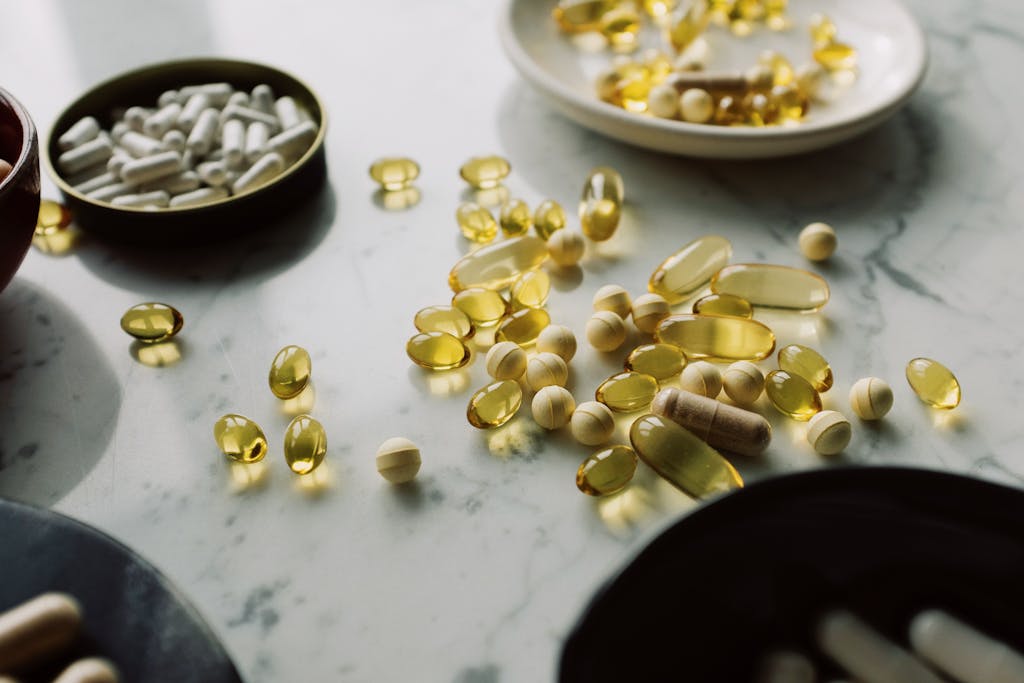
Finally, the seemingly innocuous world of over-the-counter supplements can hide dangers. Vitamins, minerals, and herbal remedies often appear safe, but excessive intake may damage organs or interfere with medications.
Supplements such as iron, vitamin D, or certain herbal blends can accumulate in the body to toxic levels, with effects ranging from nausea to life-threatening organ failure. It is a cautionary tale that “natural” does not automatically mean safe.
Conclusion
These ten examples illustrate a universal truth: even the most ordinary substances can become life-threatening when taken to extremes. From your morning cup of tea to a sprinkle of nutmeg, the line between beneficial and harmful is often narrower than we think.
While we enjoy these items in our daily lives, it is important to respect moderation. Overindulgence, curiosity, or peer pressure can turn everyday foods and products into silent hazards that catch even the most careful people off guard.