Food safety history is full of rules that sound ridiculous until you imagine eating from a shared glass, buying milk from a dirty cart, or trusting a mystery jar from a shelf with no seal.
Modern shoppers often complain about expiration dates, sealed caps, gloves, inspections, and warning labels, but those habits came from ugly lessons. The CDC estimates that foodborne illness still sickens about 48 million Americans each year, underscoring that food safety is a serious public health issue, not just a pile of annoying rules.
The old rules below may sound quirky, dramatic, or even fussy, but many of them grew out of real fear. They show how public health learned, sometimes painfully, that convenience can become dangerous when food moves faster than hygiene.
Shared Ice cream Glasses Were Finally Treated Like Germ Traps
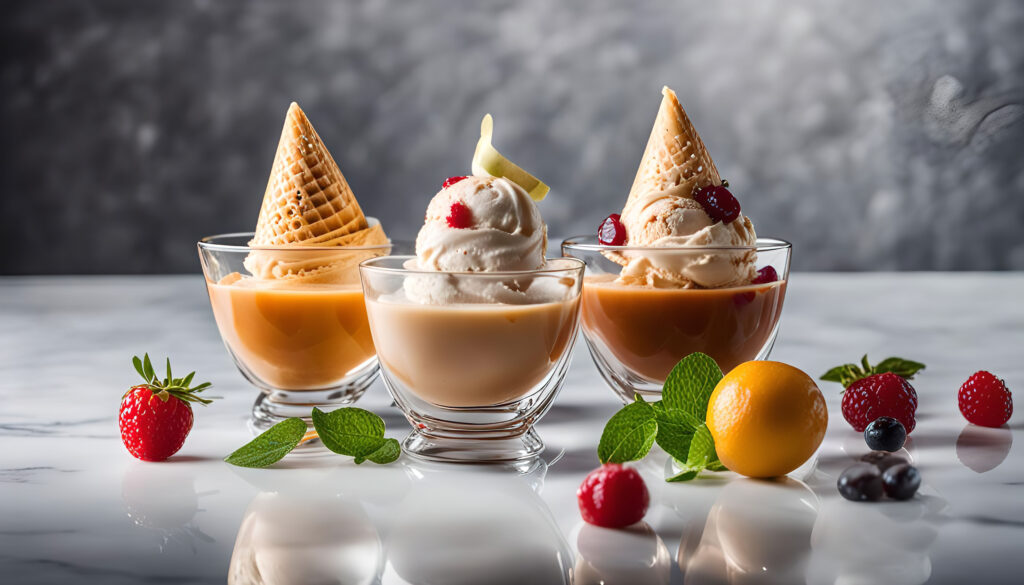
Victorian ice cream sellers once used small glass cups called penny licks. Customers licked the ice cream straight from the glass, handed it back, and the same cup went to the next person. That sounds like a dare today, but it was normal street food culture at the time.
London later banned penny licks because poorly washed glasses could spread diseases such as tuberculosis. The London Museum notes that these cups were a public health hazard, and PBS also links their decline to the rise of edible cones. Suddenly, the cone looked less like a novelty and more like a lifesaver.
Handwashing Became a Rule Before People Wanted to Believe it Mattered
Today, a food worker skipping the sink can ruin your appetite in seconds. In the nineteenth century, handwashing was still a battle. Ignaz Semmelweis promoted chlorinated lime handwashing in Vienna after observing that deadly infections declined when doctors washed their hands properly.
That lesson later became impossible to ignore in kitchens, hospitals, markets, and food stalls. The rule felt strict to people who thought clean hands were about appearance, not invisible danger. Now, hand hygiene sits at the center of food safety because one careless hand can move bacteria from raw food to ready food in seconds.
Raw Oysters Forced Cities to Rethink Fancy Seafood Habits
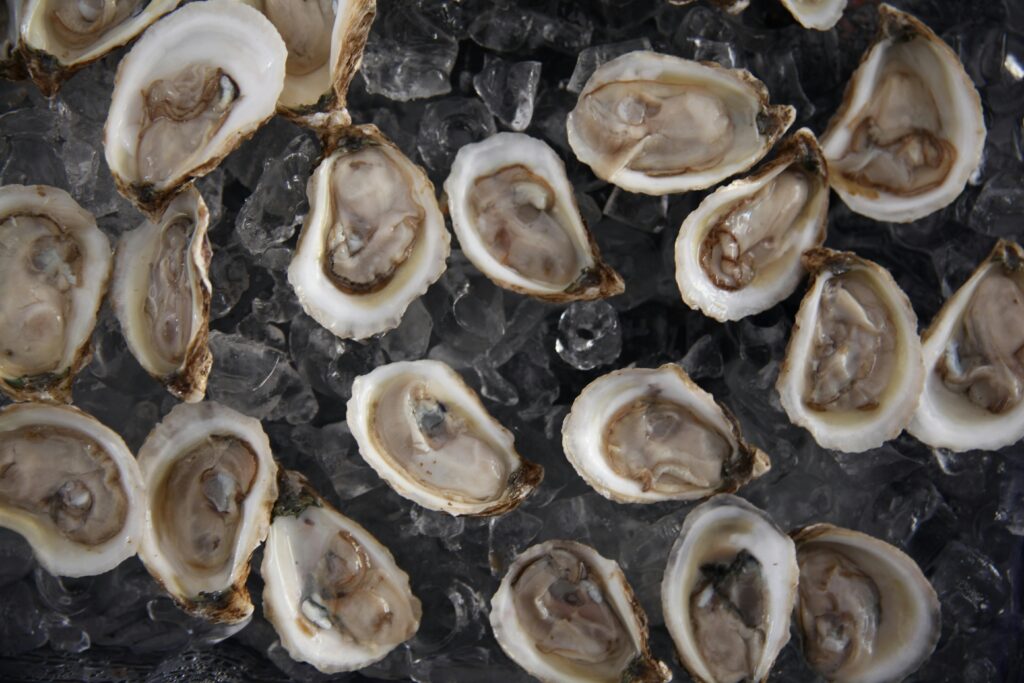
Oysters once had a glamorous reputation, especially in busy port cities where oyster bars fed crowds quickly. The problem was that raw oysters could carry danger from polluted waters straight to the plate. Today, the CDC still warns that raw oysters can make people very sick, especially when Vibrio bacteria are involved.
Older oyster rules often focused on handling, storage, and serving because officials understood that seafood did not forgive sloppy practices. Ice, clean tools, safe waters, and careful shucking became more than restaurant theater. They became survival habits for a food that could look elegant while hiding real risk.
Milk Rules Turned Dairy from Risky Comfort into a Safer Routine
Milk once arrived with a cozy image and a long list of dangers. Before stronger dairy standards, milk could be contaminated by pathogens from sick animals, dirty containers, poor cooling, or careless handling. That made ordinary breakfast feel much riskier than modern shoppers might expect.
The Grade A Pasteurized Milk Ordinance helped push safer milk practices in the United States, and the FDA describes it as a key reason Grade A milk and dairy products are among the safest in the nation. Pasteurization, sanitation, and inspection may sound boring, but they changed milk from a gamble into a daily staple.
Meat Inspection Became Necessary After Horror Stories Reached the Public
Few food safety reforms in American history hit as hard as those in the meat industry. Public outrage over dirty processing, adulterated products, and unsafe conditions helped push federal action in 1906. The FDA notes that President Theodore Roosevelt signed the Food and Drugs Act on June 30, 1906, after years of pressure for national oversight.
This was not just paperwork. It marked a shift from blindly trusting producers to demanding rules, inspections, labels, and accountability. Meat had to be treated as a public health matter, not just a private business.
Wooden Utensils and Shared Serving Tools Made People Nervous
Old public meals often involved shared bowls, shared ladles, and utensils that moved from hand to pot to mouth. Wooden tools looked harmless, but rough surfaces could trap food residue and moisture. That made them harder to clean, especially before modern sanitizers and dishwashing systems.
Some communities became strict about utensils at public gatherings because a single contaminated spoon could contaminate an entire stew. The fear may sound exaggerated, but the basic idea remains familiar. Modern kitchens still separate raw and cooked tools, sanitize surfaces, and treat shared serving equipment with caution.
Lead-glazed pottery made beautiful dishes, but it was also Dangerous
Food safety is not only about germs. Sometimes the plate itself can be the threat. Lead-glazed pottery has caused poisoning when acidic foods or drinks pull lead from the glaze into what people eat.
The FDA still warns that traditional pottery may contain lead that can leach into food, even when some items are labeled lead-free. That makes old warnings on unsafe dishes look much less dramatic than they first appear. A pretty bowl means nothing if it quietly poisons soup, salsa, pickles, or fruit juice.
Canning Rules Made the Humble Jar Far More Serious
Home-canned food looks wholesome, but a poorly processed jar can become one of the most dangerous items in a pantry. The National Center for Home Food Preservation explains that safe canning uses heat to destroy harmful microorganisms and creates a vacuum seal as the jar cools.
The CDC warns that low-acid foods are the most common sources of botulism linked to home canning in the United States. That is why old canning advice became so precise about pressure, timing, lids, seals, and spoiled jars. The cheerful pop of a sealed lid carries serious meaning.
Sealed Containers Made Tampering Harder to Hide
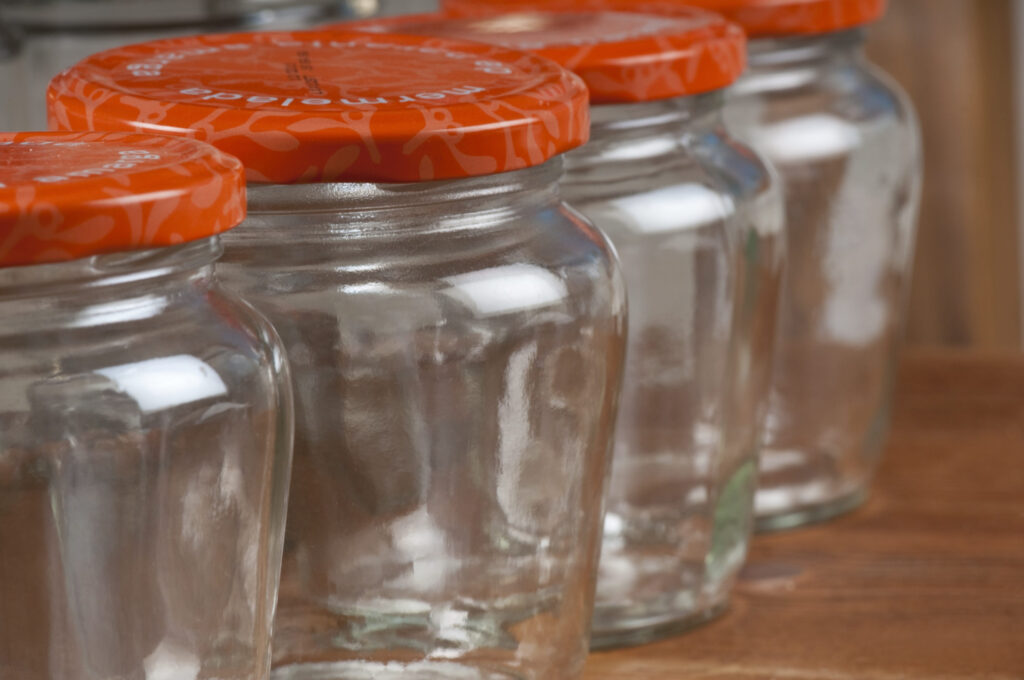
A sealed bottle, jar, or package now feels ordinary. In the past, consumers had far fewer clues about whether food had been opened, diluted, contaminated, or altered. That uncertainty made seals one of the simplest and smartest food safety upgrades.
Tamper-evident packaging does not solve every problem, but it gives shoppers a visible warning when something looks wrong. It also forces producers and sellers to take responsibility for the product before it reaches the kitchen. That small ring, click, snap, or lid mark carries a powerful promise.
Conclusion
The strangest old food safety rules share one message. People usually demanded reform after sickness, scandal, or fear exposed a hidden danger.
The FDA says the Food Safety Modernization Act shifted the agency toward preventing food safety problems rather than mainly reacting after they happen.
That is the real lesson behind these quirky rules. Food safety often looks excessive before the outbreak and obvious after the damage. The past reminds us that clean hands, sealed jars, inspected meat, safe milk, and careful seafood rules are not fussy details. They are the quiet barriers between dinner and disaster.