The idea of men as the primary providers for their families has been a societal expectation for generations. However, Gen Z men are entering adulthood in a world very different from that of their fathers and grandfathers. Rising living costs, economic instability, and changing cultural expectations are making it increasingly difficult for young men to assume the traditional “breadwinner” role. While some blame ambition or work ethic, the reality is far more complex: structural, societal, and economic forces are reshaping the possibilities for men today.
In this article, we’ll explore 10 reasons why many Gen Z men are struggling to achieve financial independence and support households as previous generations did. From soaring housing costs to shifts in labor markets, these factors illustrate why being a breadwinner has become a more elusive goal than ever before. Understanding these challenges is essential for grasping the broader implications for relationships, family structures, and future economic stability.
It is difficult to own a home due to rising housing costs.

For decades, the price of housing has been rising faster than wage growth, and among men in Gen Z, renting is likely to be the only viable option. Homeownership is a traditional indicator of financial stability and breadwinning, but it is not feasible for many people due to high property prices and student debt. Many young men in cities feel economically vulnerable because they cannot afford to pay their mortgages, even with both incomes. In many cities, even two-income households have a hard time making ends meet, leading to a sense of financial insecurity and the postponement of long-term family plans. It is becoming harder and harder for women to secure housing if they do not conform to the breadwinner ideal.
Bypass student loan debt barriers to financial freedom.
A large number of young men in their Gen Z years have extensive student loan debt that hinders their savings, investment, and risk-taking in their careers. Monthly loan obligations reduce the funds available for other demands and make it difficult to meet the financial expectations of being a primary supplier. The traditional breadwinner role is complicated by debt, which can hinder life milestones like marriage and family planning. In fact, financial independence has actually been postponed for many men before they enter the workforce.
The gig economy is hurting stable careers.
Jobs with jobs, benefits, and stability are becoming a thing of the past; people are now freelancing, contracting, and getting jobs on a gig basis. Flexibility may seem attractive, but it makes long-term financial obligations difficult to plan for because it lacks regular income, health care, and retirement payments. The income of Gen Z men is also volatile, and they risk losing their jobs, making it hard for them to be certain they can provide for a family. While gig work might offer an opportunity, it also challenges the notion of a man as a reliable breadwinner.
Automation and AI are taking away opportunities for middle-class jobs.
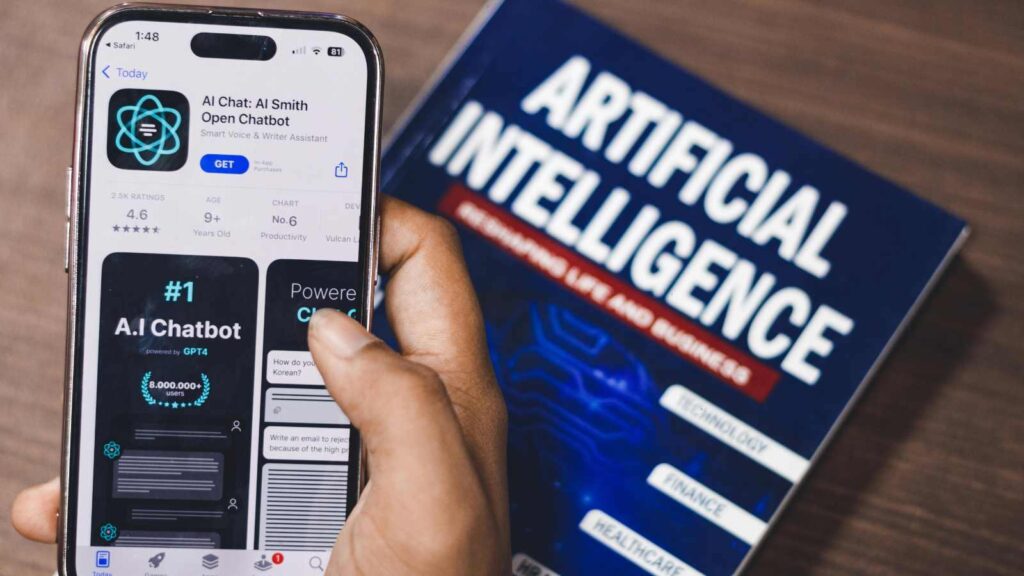
Technological change is reshaping the labor market and frequently causing the disappearance of the ‘middle class’ jobs that formed the backbone of financial security. Sectors that had traditionally employed more young men, such as manufacturing, logistics, and entry-level office jobs, are more likely to be affected by AI, automation, and outsourcing. When these jobs are eliminated, men have to either retrain or take a lesser-paying, less stable job. The overall effect is a narrowing path to becoming a breadwinner through economic mobility.
Culture shifts are redefining gender roles.
The stereotypes about men as breadwinners are changing, and the expectation to “be the breadwinner” is becoming less prevalent. Many young couples prefer shared financial responsibilities to traditional roles or individual fulfillment and flexibility. This is a welcome development towards equality, but it signals that men are not achieving what is traditionally judged a measure of success. Gen Z men are coming of age in a society of shared provision, but messages about male responsibility haven’t yet caught up with them, leaving some feeling under-equipped.
Wages do not keep up with inflation and the cost of living.
Men with stable employment are not spared from this phenomenon either, as they may increase their pay but still be unable to cover their costs. Incomes have also not kept up with rising housing, healthcare, and education costs, making it much harder to earn what is still considered the “breadwinner salary.” The day-to-day has become a struggle for Gen Z men as they work longer hours or hold multiple jobs to afford rent, food, and bills, leaving little time to save or invest creatively to pass on a nest egg to their children. For most young men, the breadwinner ideal is becoming increasingly unfeasible in the current economic climate.
Delayed Career Starts Affect Long-Term Earnings Potential.
Lifelong earnings are affected by many Gen Z men entering the workforce later than previous generations, as they have spent more time in education, internships, or other economic factors. The later you start, the less time you will have to get rich, save for retirement, and develop a stable career. The result is that the breadwinner is delayed until later in adult life, typically the late 30s or 40s, when family expectations are growing. As a result, conventional financial benchmarks are no longer in line with generational expectations.
An increase in mental health issues impacts productivity.

In the past, Gen Z has been more likely to say they experience anxiety, depression, and burnout than other generations, which can affect their career security and financial success. If not managed, mental health issues may result in impaired work productivity and absenteeism and the inability to maintain challenging positions that are stereotypically considered “breadwinners’ positions.” These difficulties are further exacerbated by a lack of support systems, which hinder the prospects for long-term economic independence. Mental well-being is not an individual matter; it is the direct connection between mental health and financial ability in today’s challenging world.
Societal Pressure is in Conflict with Economic Reality
There is this cultural mindset that is still stuck in the 2000s, expecting us to earn a living, even though the economy has changed drastically over the past few years. Gen Z men are under pressure from parents, the media, and peers to succeed financially and are confronted with unprecedented economic challenges. This tension causes stress, imposter syndrome, and failure when nothing is actually wrong with them, except that they need to manage their real lives, whether it’s financial stress or market volatility. Young men are frustrated and disempowered as cultural expectations clash with modern realities.
Taking a long-term view of financial security is more difficult.
Despite education, ambition, and hard work, many Gen Z men still cannot accumulate enough wealth to support themselves and their families. Stock market volatility, high rent, a heavy debt load, and limited savings opportunities can cause financial insecurity. If you don’t have the option to save money, invest, or purchase property, the old breadwinner system is virtually impossible to come by. But the modern economic climate is set against young men doing this job: long-term security is a long way off for many.
Conclusion: The Breadwinner Dream is Dying.
The notion of a breadwinner is facing economic, cultural, and social changes. Gen Z men are burdened by high debt, slow wage growth, precarious employment, and societal expectations to provide. The role of a traditional breadwinner is no longer a guarantee; rather, it is a challenge that must be planned for, adapted to, and approached realistically. In a world where stability is uncertain, young men must be ready to reinvent themselves, pursue multiple streams of income, and rethink success. While perhaps not dead, the breadwinner myth is far removed from the one that was left to previous generations.