Signs are everywhere. They guide us, warn us, and inform us, yet sometimes they fail spectacularly. The result is a visual comedy show scattered across streets, shops, offices, and public spaces.
These absurd signs prove that even the simplest message can become bewildering, hilarious, and highly shareable. They make us pause mid-step, scratch our heads, and laugh at the bizarre ways human communication can go wrong.
From contradictory instructions to exaggerated warnings and poorly translated notices, these signs turn mundane environments into unexpected arenas of entertainment.
While some absurd signs are the product of careless proofreading or design oversight, others feel almost intentional, toeing the line between humor and function.
They might confuse, irritate, or bemuse, but all share the same effect: they stick in your mind. The most compelling absurd signs also inspire social media fame, as people photograph, share, and comment on the strange messages they encounter.
Here, we explore ten categories of signs that are unhelpful in the strictest sense yet delightfully memorable, capturing a mix of chaos, irony, and whimsy.
Road Signs That Seem Completely Designed to Confuse Drivers
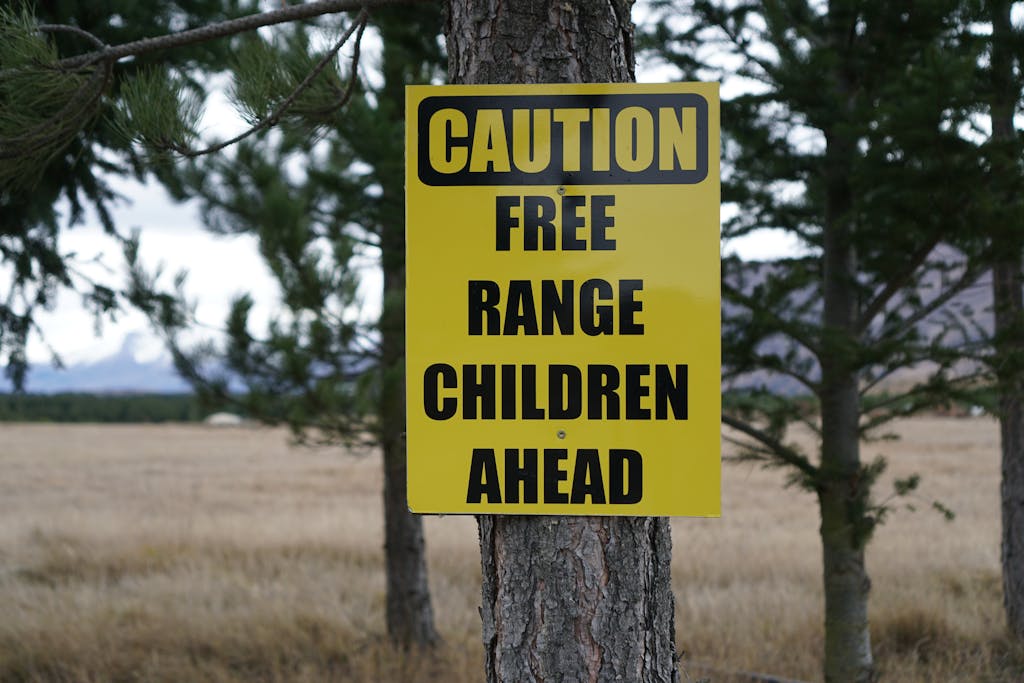
Driving requires clarity, yet some road signs push comprehension to absurd extremes. Messages like “Stop and Wait for No Reason” or arrows pointing both left and right labeled “Go Somewhere” force motorists into guessing games, leaving them simultaneously amused and baffled.
These signs appear in unexpected places, from tourist-heavy streets to quiet country roads, creating a surreal sense of uncertainty.
Translation errors amplify the confusion, especially in areas frequented by international visitors. A sign meant to caution might instead read like a riddle, requiring drivers to puzzle over the meaning while behind the wheel.
Some municipalities intentionally attempt humor, but more often the result is unintentional chaos that turns a routine commute into an unexpected adventure.
The juxtaposition of authority with absurdity forces a second glance, often leading to snapshots shared online that immortalize the bewildering message.
Contradictory Directions That Defy All Logic and Common Sense
Certain signs go beyond mere confusion; they directly contradict themselves. Statements like “Yield to Nobody” or “No Parking Anytime, Except When Permitted” create a tension between instruction and interpretation, leaving motorists questioning whether rules exist at all.
Even familiar symbols, like arrows or pictograms, can be combined in ways that make absolutely no sense.
These contradictions often arise from hastily updated templates, poor translation, or a lack of editorial oversight. Yet their comedic value is undeniable.
Drivers and pedestrians encountering such signs experience a mix of frustration and amusement, and many stop to photograph these oddities.
In the digital age, such contradictory signage becomes a source of viral content, offering a humorous glimpse into human error and design oversights that can reach global audiences.
Retail Signs That Leave Shoppers Wondering What They Actually Mean
Stores frequently attempt to communicate rules, promotions, or instructions, but sometimes they fail spectacularly. Signs reading “Free Samples, No Eating Allowed” or “Employees Must Wash Hands After Bathroom Use,” directed at customers rather than staff, turn simple shopping trips into comedic interludes. Shoppers often pause, unsure whether to follow the instructions literally or question the logic.
These moments of confusion become particularly potent in large retail environments where signage is everywhere. One misprinted warning can disrupt the flow of an entire aisle, prompting amusement, photography, and online sharing.
Even when retailers intend clarity, errors in wording, placement, or imagery can result in unexpected humor. In this way, retail signage transcends functionality, providing entertainment while simultaneously delivering instructions in a hilariously ineffective manner.
Marketing Attempts That Backfire Into Hilarious Confusion
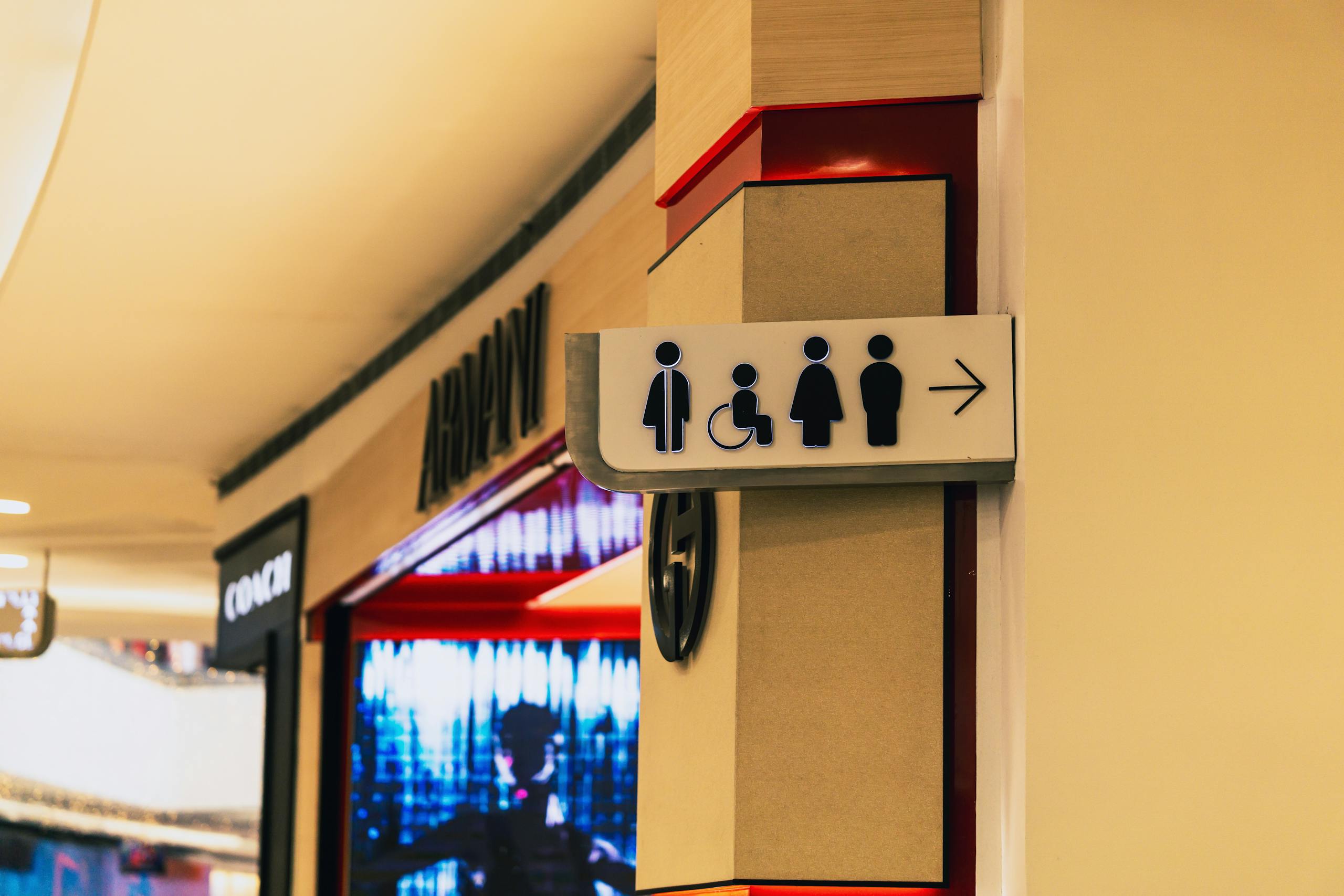
Retailers and businesses often aim for cleverness, but sometimes creativity overshoots comprehension. Slogans like “Open When Closed” or “Buy One, Get One Confused” illustrate how intended wit can transform into bewildering messages.
Instead of informing or enticing customers, these campaigns leave them puzzled, scratching their heads, and sometimes laughing aloud.
Irony and ambiguity in marketing are powerful tools, but these tactics exemplify the fine line between humor and confusion. While the messaging might fail to sell products, it succeeds in generating attention, online engagement, and word-of-mouth.
Consumers might forget the offer, but the absurd sign will linger in memory, proving that mistakes, when amplified, can have unexpected benefits in visibility and brand recall.
Public Notices and Official Signs That Miss Their Intended Purpose Entirely
Government and civic signage is usually formal and serious, but some messages veer into absurdity. Signs reading “No Trespassing, Unless You Know Someone” or “Wet Floor, Dry at Your Own Risk” combine authority with unintentional humor.
Citizens encounter these notices in municipal parks, libraries, and streets, often pausing to process the contradiction or the unintended comedic phrasing.
What makes public absurd signs particularly entertaining is their authenticity. Unlike curated online content, these errors exist in real spaces, affecting real people.
Misplaced punctuation, outdated templates, or translation errors often contribute to the humor, turning simple instructions into viral moments. These signs invite interpretation, speculation, and social sharing, proving that even official communications can unexpectedly delight the public.
Over-the-Top Safety Warnings That Make You Laugh While You Caution Yourself
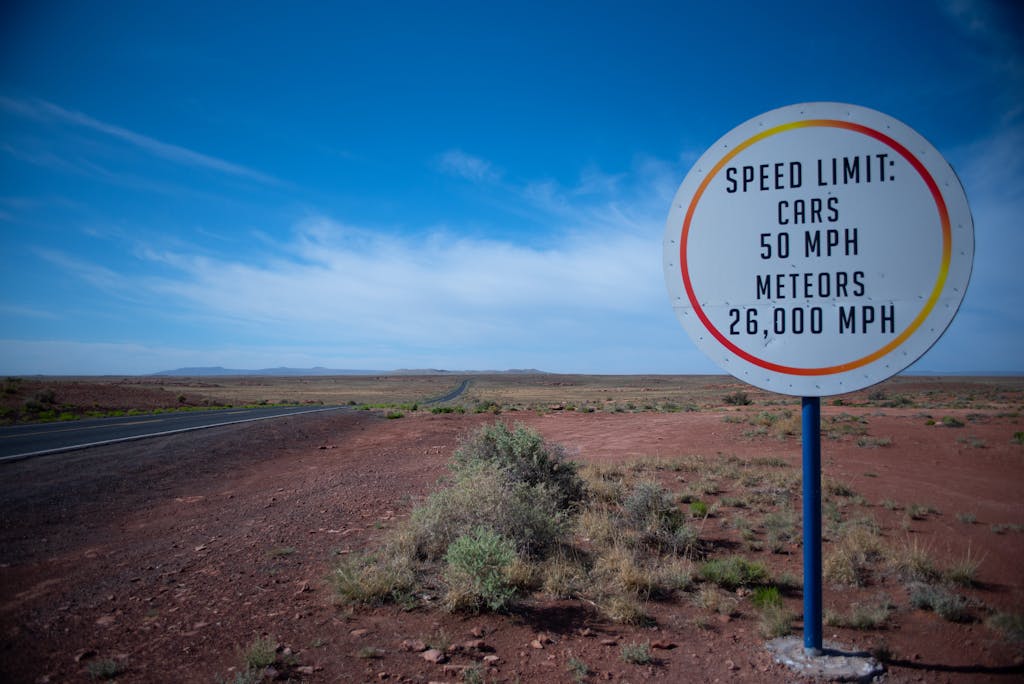
Safety signs sometimes exaggerate risks to ridiculous extremes. Warnings like “Objects May Appear Out of Nowhere” or “Slippery When Wet, Especially if You Are Clumsy” blend hyperbole with precaution, creating an unusual mix of caution and comedy.
Visitors are prompted to follow safety instructions while simultaneously laughing at the absurd phrasing.
These exaggerated warnings frequently appear in workplaces, amusement parks, or construction zones, where liability concerns collide with human error in signage design. The result is a tension between compliance and amusement.
While the safety message is technically present, the exaggerated context makes the sign memorable for its entertainment value, often prompting photographs and viral attention.
Restroom Signage That Turns Mundane Instructions Into Comic Relief
Even the simplest spaces, like bathrooms, can house absurd signage. Notices such as “No Peeing in the Sink” or “Employees Only, Customers Beware” highlight the humor of misplaced emphasis and illogical instructions. They transform an ordinary restroom visit into a moment of reflection and laughter.
Restroom absurdities often gain attention precisely because they are unexpected. Visitors encounter them in hotels, restaurants, and offices, leading to shared stories and social media posts.
In some cases, humorous signage may be intentional, aiming to provoke smiles or establish a quirky brand voice. In other instances, errors create unintentional comedy, proving that humor can be found in the most mundane environments.
Park and Public Space Signage That Turns Ordinary Areas Into Comedic Attractions
Public areas frequently use signage to regulate minor behavior, but some take it too far. Messages like “Reserved for People Who Like Sitting” or playground warnings that contradict their own instructions transform ordinary spaces into unintentional entertainment zones.
Visitors encounter unexpected humor in locations meant for routine activity, prompting laughter and photo opportunities.
These eccentric notices blur the line between function and art, giving audiences a fresh perspective on everyday surroundings.
Parks, libraries, and city squares become stages for absurdity, encouraging onlookers to engage creatively with their environment. In effect, signage intended to maintain order ends up inspiring amusement and curiosity.
Translation Fails and Language Mishaps That Amplify Confusion Everywhere
Translation errors produce some of the most widely relatable absurd signage. Examples such as “Do Not Disturb, But Please Enter” or confusing restroom symbols demonstrate that literal translations often fail to communicate intended meaning.
These mishaps transcend culture and language, creating humor that is universally understood.
Tourist destinations, airports, and international establishments are hotbeds for these language fails. They highlight the importance of context, proofreading, and local understanding in communication.
Even when unintentional, these signs become memorable, widely shared, and celebrated for their comedic value, illustrating that translation mistakes can have far-reaching entertainment effects.
Viral Sign Fame and How Absurdity Captivates Global Audiences

Absurd signs rarely remain local curiosities. Confusion sparks amusement, leading to photos shared across social media platforms. Signs from roads, shops, parks, and public institutions find second lives online, entertaining audiences far from their original locations.
The lifecycle of a viral sign often begins with an unexpected or contradictory message, followed by public recognition and online sharing. These signs demonstrate that humor, context, and human error intersect to create global entertainment. They remind us that mistakes, when captured and shared, can turn ordinary objects into extraordinary moments of collective amusement.
Conclusion
In a world overflowing with signs, it’s clear that not all guidance is created equal. The most absurd and unhelpful signs, whether born from translation mishaps, design oversights, or intentional humor, serve as reminders that communication is as much about entertainment as information.
These hilarious missteps brighten our routines, fuel social media trends, and connect people through shared amusement at the unexpected.
Ultimately, even when signs fail at their original purpose, they succeed in making us pause, laugh, and see the world with a bit more whimsy.