Preserving food is as old as civilization itself, but some methods humans use to extend shelf life are stranger than fiction. From ancient techniques to cutting-edge science, these approaches reveal just how far we go to keep food fresh, safe, and flavorful.
Many of these processes are invisible to the consumer, hidden behind labels, chemicals, or even elaborate physical techniques. Understanding these methods gives insight into the intersection of science, culture, and our daily diets.
Let’s explore ten of the most unusual ways food stays edible for longer than nature intended.
Food Irradiation, Killing Microbes with Radiation
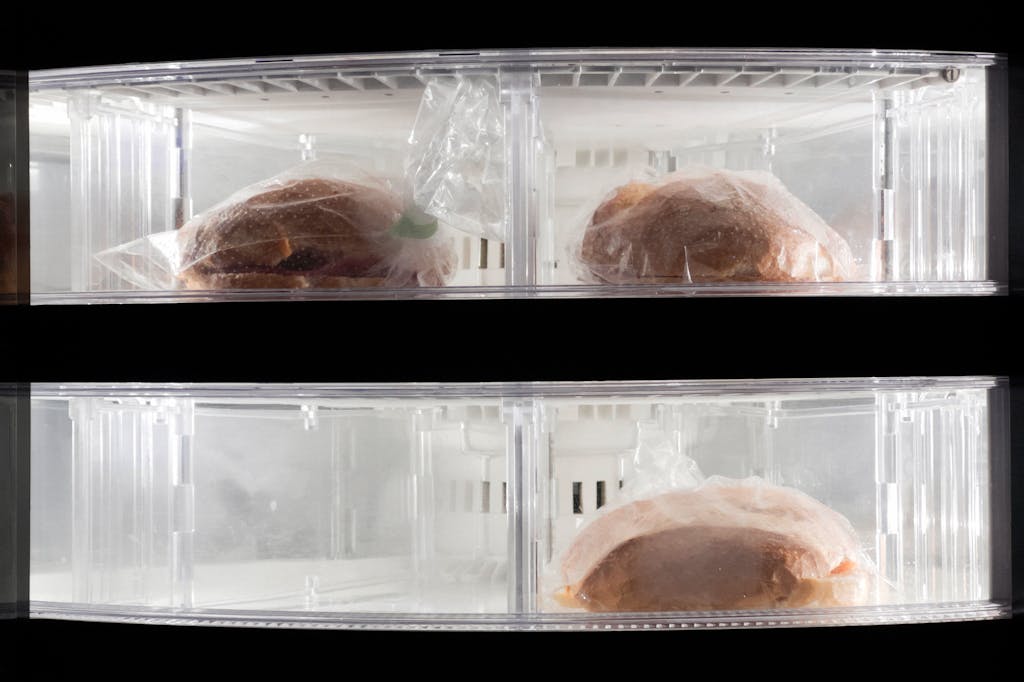
Food irradiation uses ionizing radiation, such as X-rays or gamma rays, to kill bacteria, parasites, and insects that spoil food. Unlike microwaving, which heats food for cooking, irradiation penetrates food without significantly raising its temperature, leaving the texture and taste largely intact. This technique can extend the shelf life of fruits, spices, and meat while preventing foodborne illnesses.
Despite its safety and widespread approval by health authorities, the word “radiation” still triggers skepticism, making this method one of the most controversial yet effective ways to preserve food.
High-Pressure Processing: Preserving Without Additives
High-pressure processing, also known as pascalization, subjects food to up to 87,000 psi of pressure for several minutes. This immense pressure inactivates harmful microorganisms without heat or chemical preservatives.
Foods like guacamole, juices, and deli meats can see their shelf life increase tenfold, while some nutrients, including antioxidants, remain stable or even enhanced. This method is celebrated for maintaining natural flavors and textures, demonstrating that preservation does not always require chemicals or high temperatures.
Burial and Fermentation, Nature’s Hidden Preservers
Burying food in soil, salt, or ice has been a preservation method for centuries. By limiting exposure to light, oxygen, and pests, certain foods, such as kimchi, root vegetables, and fermented shark, are stored safely underground.
This technique often initiates fermentation, a controlled spoilage process in which microbes break down sugars, producing acids or alcohol that inhibit harmful bacterial growth. Fermentation also enriches flavors, textures, and nutritional profiles, turning simple preservation into culinary innovation.
Jugging, Cooking, and Preserving in Earthenware
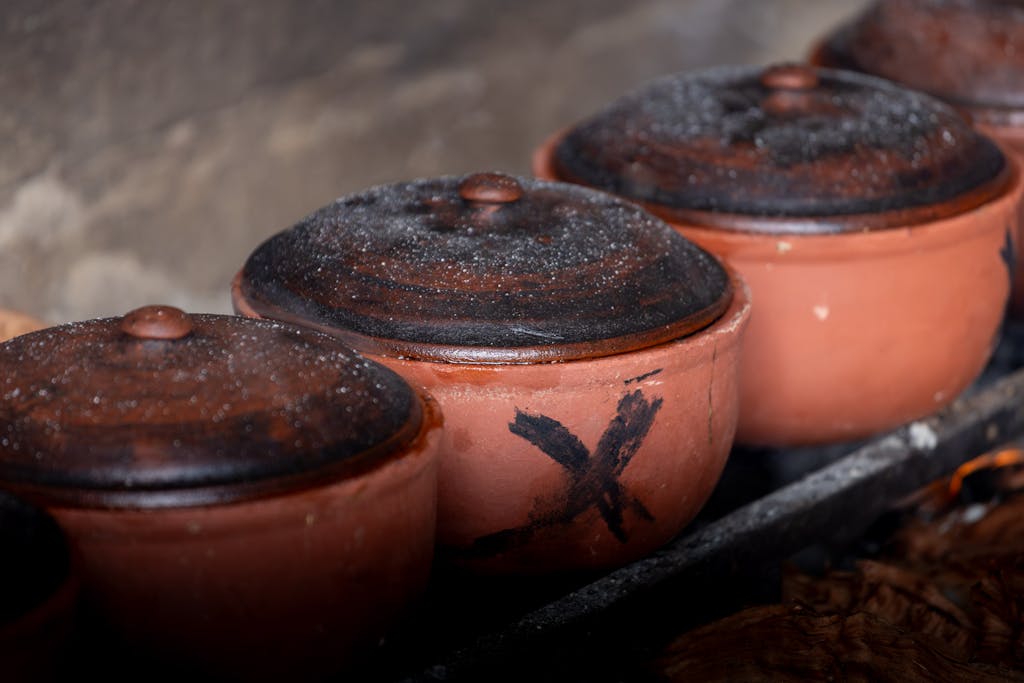
Jugging involves sealing meat or fish in a tightly closed jug, often with wine, herbs, or juniper berries, and cooking it slowly. The sealed environment traps heat and moisture, preventing spoilage while producing tender, flavorful dishes.
Historically popular in English and French cuisine, jugged meats can remain edible longer than conventionally cooked dishes due to this low-oxygen, high-moisture cooking method. This approach is a fascinating combination of preservation and gourmet preparation.
Nonthermal Plasma, The Future of Antimicrobial Treatment
Nonthermal plasma uses ionized gases at roughly room temperature to kill bacteria and fungi on food surfaces without cooking the food. Unlike high-heat methods, nonthermal plasma preserves the delicate textures and flavors of fresh produce.
Scientists consider it one of the most futuristic preservation techniques, providing antimicrobial protection while extending shelf life. Its ability to treat sensitive fruits and vegetables safely highlights how modern technology can augment traditional preservation methods.
Blast Chilling, Rapid Cooling for Safe Transport
Catering services often rely on blast chilling to cool hot meals rapidly from cooking temperatures to refrigeration levels within 90 minutes. By quickly lowering the temperature, microbial growth is minimized, and the food maintains its taste, texture, and nutritional quality.
This method allows for large-scale preparation and safe transport of meals over long distances without the risk of spoilage. It has also become a standard in the frozen food industry, ensuring consistency and safety from production to consumption.
Aspic and Confit, Sealing Food from Air
Aspic encases meats, seafood, or vegetables in gelatin, creating a barrier against oxygen and bacteria. Confit, similarly, involves slow-cooking meat in its own fat or fruit in sugar syrup, which solidifies into a protective layer upon cooling.
Both methods seal foods completely from air, dramatically extending shelf life while adding flavor complexity. Classic dishes like duck confit or aspic-enrobed terrines exemplify how preservation and culinary artistry intersect in timeless cuisine.
Modified Atmosphere Packaging, Engineering the Air Around Food

Modified atmosphere packaging replaces the air inside containers with a precise mix of gases, such as carbon dioxide, nitrogen, and reduced oxygen, to slow oxidation and microbial growth. Common in fresh-cut fruits, vegetables, and meats, this method can double or triple shelf life.
By altering the environment rather than the food itself, this technique provides a safe, cost-effective way to maintain freshness while preserving flavors and nutrients.
Lye Treatment, Alkaline Preservation
Lye, a highly alkaline solution, can preserve foods by initiating saponification, altering proteins and fats to produce unique textures and flavors. Traditional foods like lutefisk and certain olives undergo lye treatment to achieve gelatinous or soft characteristics while extending shelf life.
While challenging to execute safely due to toxicity risks, lye preservation demonstrates the intersection of chemistry and culinary tradition, producing distinctively flavored delicacies that endure.
Biopreservation, Harnessing Nature Through Fermentation
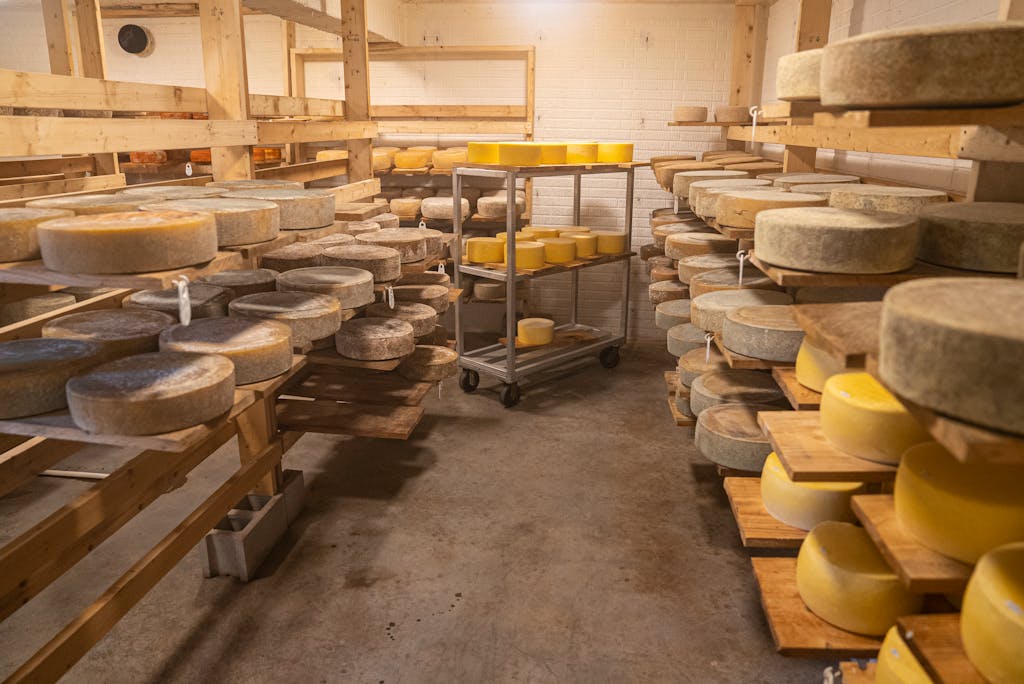
Biopreservation leverages beneficial microbes to control harmful pathogens, relying on fermentation or the natural production of organic acids. Yogurt, cheese, salami, and pickled vegetables are examples where controlled microbial activity enhances safety, taste, and shelf life simultaneously.
This approach reflects an ancient understanding of microbial ecosystems, demonstrating that sometimes the oldest methods, used carefully, remain among the most effective.
Conclusion
These ten techniques showcase the creativity and science behind keeping our food safe and tasty. From ancient fermentation to plasma technology, humans have continuously pushed the boundaries of preservation. Each method combines practicality with innovation, ensuring that what we eat stays as fresh and nutritious as possible for as long as possible.
Understanding these strategies helps consumers appreciate the science behind their meals and may inspire smarter choices about storage, handling, and consumption in daily life.