Life is unpredictable, and sometimes survival hinges on the most unlikely objects. From a hair clip to a stuffed toy, ordinary items have unexpectedly prevented tragedy in moments when every second counted.
These stories reveal how quick thinking, coincidence, or sheer luck, combined with everyday objects, can become life-saving tools.
Hair Clip Stops Bear Attack

In Yukon, Canada, Vanessa Chaput was jogging with her German shepherd, Luna, when three grizzly bears appeared. As she tried to retreat, Luna confronted the smaller bears, leaving Chaput alone with a charging male.
During the attack, the bear clamped down on Chaput’s hair, hitting a plastic hair clip. The clip exploded under the bear’s bite, startling it and allowing Chaput to escape. Though injured, Chaput survived, crediting the small hair clip with saving her life and demonstrating how even a simple accessory can make a critical difference in wilderness survival.
The incident underscores the unpredictability of outdoor hazards. Chaput’s experience emphasizes preparedness, awareness, and the importance of seemingly minor items that may act as protective devices in emergencies.
The bear attack prompted local authorities to evacuate nearby campgrounds and euthanize the offending bears, further highlighting how fragile the line between danger and survival can be in remote environments.
Lip Fillers Reveal Hidden Illness
Cosmetic procedures can uncover more than aesthetic flaws. Edita Jucaite, a dental nurse from Oxfordshire, underwent lip filler injections in 2023. Unexpected swelling and bruising led her to seek medical attention, revealing chronic myeloid leukemia.
The injections indirectly saved her life by triggering a diagnostic process she might have otherwise delayed. Jucaite received chemotherapy, stabilizing her condition, and she now maintains lifelong medication to prevent relapse.
This case illustrates that minor health events or interventions can reveal underlying serious conditions. What might appear to be a routine cosmetic procedure can become a crucial health alert, underscoring how vigilance and prompt response to physical anomalies can be life-saving.
Baby Shark Stuffed Toy Shields Toddler
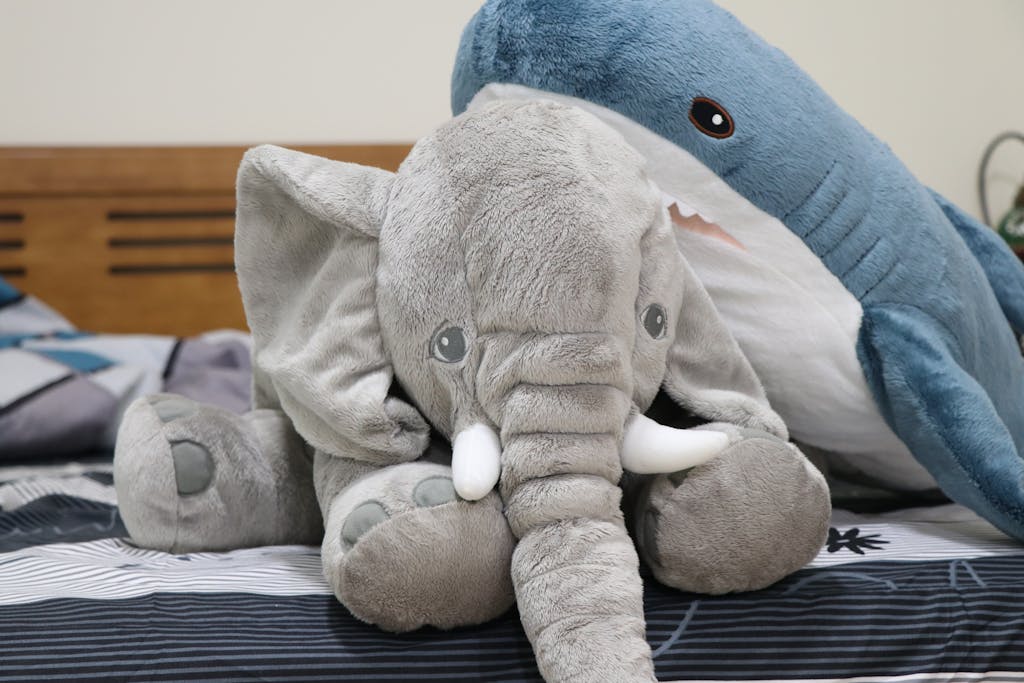
In Madison, Wisconsin, gunfire erupted in a residential area, and a three-year-old toddler slept in her crib. One bullet penetrated the wall and struck her “Baby Shark” plush toy, absorbing the impact and sparing the child.
The toy became an unexpected shield in a violent situation, proving that everyday objects in routine positions can serve as critical buffers against harm.
This event reinforces the concept of incidental protection. While designed for play, the stuffed toy’s location and material properties prevented a fatal injury, emphasizing how ordinary items in ordinary settings can unexpectedly save lives when danger strikes.
Potato Chip Bag Seals Chest Wound
During a stabbing incident in Harlem, NY, Officer Ronald Kennedy used a flattened potato chip bag and shipping tape to seal a victim’s chest wound. This improvised seal prevented the victim’s lung from collapsing due to external air pressure, stabilizing him until paramedics arrived.
Quick thinking and the use of a snack bag highlight how everyday items can substitute for specialized medical tools in critical emergencies.
Improvisation in first-response scenarios is often essential. Officer Kennedy’s knowledge of emergency techniques, combined with the availability of common items, illustrates how unconventional methods can bridge the gap when immediate medical instruments are unavailable.
Song Lyrics Calm Suicidal Man
In Orlando, Florida, healthcare worker Cristina Settanni encountered a man perched on a bridge ledge, contemplating suicide. She recited lyrics from a Linkin Park song, providing comfort and emotional connection that enabled law enforcement to intervene safely.
Music became a conduit for survival, demonstrating that intangible elements like songs and words can also serve as protective instruments in life-threatening crises.
This incident highlights emotional intervention as a life-saving measure. The lyrics resonated with the individual, bridging the gap between despair and hope, showcasing the impact of psychological tools in preventing tragedy.
Air-Filled Diaper Floats Baby to Safety
A Florida car crash left a toddler trapped underwater in a submerged vehicle. The child survived because the diaper inflated, keeping her afloat until rescuers could reach her. Ordinary infant care items like diapers, designed for hygiene and comfort, inadvertently provided buoyancy and protection in a life-threatening scenario.
This event emphasizes the unintended protective capacity of everyday items. The physics of a simple diaper transformed it into a survival device, proving that even mundane objects can play a pivotal role in emergencies.
Car Key Stops Assault

In a robbery attempt, a woman in Chicago used her car key to fend off an attacker. By strategically pressing the key against pressure points, she created a window to escape and summon help.
This everyday object, intended for vehicle access, became a personal defense tool, showcasing how quick thinking and resourcefulness can turn ordinary possessions into life-saving instruments.
Situational awareness combined with immediate action can be decisive in violent encounters. Objects within reach often offer the most accessible means of protection, reinforcing the value of preparedness.
Backpack Shields From Falling Debris
A construction site accident in New York saw a worker’s backpack absorb the force of a falling metal beam. The bag prevented a potentially fatal head injury. What is normally a carrying accessory doubled as an impact absorber, illustrating how everyday equipment can unexpectedly prevent severe injuries.
The protective qualities of common items, when positioned fortuitously, can mitigate harm. This scenario demonstrates that practical awareness of one’s environment enhances survival prospects.
Umbrella Diverts Stray Vehicle
In Tokyo, a pedestrian used a large umbrella to deflect a bicycle that veered out of control, preventing a direct collision. The umbrella served as a barrier, redirecting impact away from vital body areas.
Simple, portable objects can sometimes serve as shields in urban accidents, turning otherwise routine items into lifesaving tools.
This underscores the improvisational potential of objects in high-risk situations. Quick reflexes, coupled with items on hand, can significantly reduce injury severity.
Belt Saves Climber from Fall
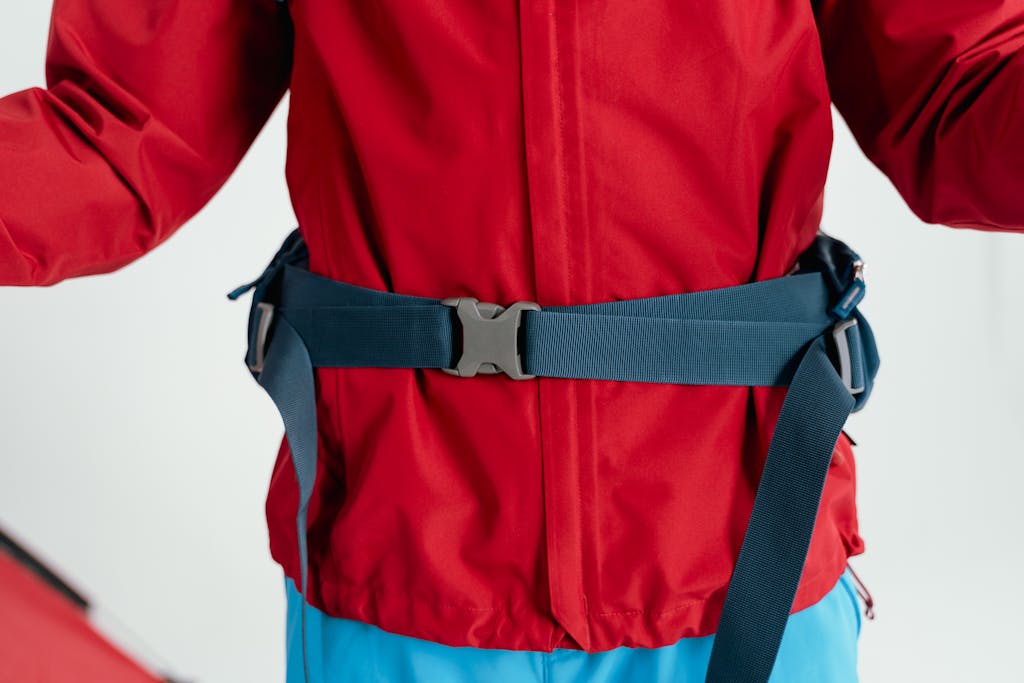
During a hiking expedition, a climber lost footing on a steep trail. A companion quickly looped a belt around the climber’s waist and anchored it to a tree, arresting the fall. The belt, an everyday clothing accessory, became a critical safety device.
Improvised solutions in outdoor environments can prevent falls and fatal injuries, highlighting how knowledge and resourcefulness complement ordinary items in emergencies.
The incident demonstrates the combination of situational awareness, immediate reaction, and accessible tools. Improvised devices often determine the difference between survival and disaster in precarious terrains.
Conclusion
These stories reveal that survival often relies on a combination of resourcefulness, awareness, and serendipity. Ordinary items can play extraordinary roles in preventing death, highlighting the unpredictable intersections between daily life and life-saving circumstances.
From hair clips to song lyrics, the unassuming objects around us sometimes hold the power to protect, comfort, and preserve life in ways we never anticipate.