Signs your body is aging faster can show up in your skin, energy, memory, sleep, muscles, weight, hormones, mood, and recovery. We break down the warning signals, what they may mean, and how we can respond early.
A birthday candle tells one story. Your body may tell another. We can be 38 on paper and feel 52 in the morning, especially when our joints creak before our coffee finishes brewing, our energy crashes by 3 p.m., and our skin seems to have entered a group chat we never joined. That gap between chronological age and biological age matters because modern aging research now uses markers such as DNA methylation patterns to estimate how fast the body may be aging at the cellular level.
Accelerated aging does not usually arrive with one dramatic alarm. It sneaks in through small changes we explain away for months. We blame work stress, bad sleep, busy schedules, kids, bills, and “getting older.” Some of those explanations may be true, but when several warning signs appear together, the body may be signaling that inflammation, metabolic strain, poor recovery, hormone shifts, or lifestyle pressure has started to age key systems faster than expected.
Your skin looks much older than it should.

Skin often becomes the first visible receipt for what is happening inside the body. Normal aging can bring fine lines, dryness, and thinner skin, but faster aging may show up as deep wrinkles, dullness, rough texture, sagging, easy bruising, slow healing, and dark spots much earlier than expected. The National Institute on Aging explains that age-related loss of collagen and elastin makes skin more fragile and wrinkled over time. older than the rest of us. Heavy sun exposure, smoking, dehydration, poor nutrition, high stress, and weak sleep can speed up visible skin aging. Skin does not need to look airbrushed to look healthy. A warning sign appears when it loses bounce, glow, and repair speed at the same time.
You feel tired even after sleeping.
A tired body after one rough night is normal. A tired body after seven or eight hours of sleep may be waving a bigger flag. Persistent fatigue can point to poor sleep quality, low iron, thyroid changes, blood sugar swings, chronic inflammation, depression, sleep apnea, overtraining, or under-recovery.
Adults generally need at least seven hours of sleep, and older adults still need about seven to nine hours each night. When we sleep enough but wake up drained, the issue may not be time in bed. It may be fragmented sleep, stress hormones, alcohol, late caffeine, breathing problems, pain, or a body stuck in repair debt.
Your muscles are shrinking faster than expected.
Muscle is not just about looking fit. It protects blood sugar control, balance, metabolism, bone strength, posture, and independence. Faster aging often appears when the arms, legs, shoulders, or glutes lose firmness, even if body weight stays the same. A person may notice a weaker grip, trouble carrying groceries, slower stair climbing, or more effort getting up from a chair.
The CDC recommends adults get at least 150 minutes of moderate physical activity weekly and do muscle-strengthening activity two days each week. When we stop challenging a muscle, the body gets the message that strength is no longer needed. The good news is that muscle responds at almost any age when we train it consistently and feed it properly.
Your joints feel stiff every morning.
A little stiffness after a hard workout or long drive makes sense. Daily stiffness that lasts more than 30 minutes, limits movement, or affects several joints deserves attention. Faster joint aging can show up as creaking knees, tight hips, sore fingers, stiff shoulders, or a back that complains before the day begins.
Joint stiffness can come from inflammation, cartilage wear, weak muscles, poor posture, old injuries, autoimmune conditions, excess weight, or long hours sitting. Movement usually helps healthy joints. When we avoid motion because everything feels tight, stiffness often grows stronger. Gentle mobility work, strength training, weight management, and medical evaluation for persistent swelling or pain can make a major difference.
Your balance is getting worse.
Balance is one of the most underrated signs of biological aging. We may notice it when we stumble on flat ground, avoid uneven sidewalks, grip stair rails harder, or feel less confident in the shower. Balance depends on muscle strength, vision, inner ear function, foot sensation, joint mobility, brain processing, and reaction speed.
Older adults are encouraged to include balance activities along with aerobic and strengthening movement, especially when fall risk rises. CDC Faster balance decline should not be brushed off as clumsiness. It can reveal weakness, nerve issues, medication side effects, vision changes, vestibular problems, or low physical conditioning.
Your memory slips are becoming disruptive.
Forgetting a name and remembering it later can be normal. Forgetting appointments repeatedly, getting lost in familiar places, losing track of conversations, struggling with everyday tasks, or asking the same questions again and again needs a closer look. The National Institute on Aging notes that mild forgetfulness can happen with age, but difficulty doing daily tasks may signal a more serious memory problem. National Institute on Aging
Brain aging is deeply connected to sleep, blood pressure, blood sugar, hearing, movement, social connection, stress, and nutrition. We should not panic over every misplaced key. Still, we should not ignore patterns that disrupt work, relationships, safety, or independence. Early evaluation can identify treatable issues such as vitamin deficiencies, thyroid problems, medication effects, sleep disorders, depression, or early cognitive decline.
Your sleep has become shallow and broken.
Poor sleep can age the body from several angles at once. It can raise appetite, worsen blood sugar control, weaken focus, increase inflammation, intensify pain, and lower emotional resilience. Signs of aging-related sleep strain include trouble falling asleep, waking several times, waking too early, needing alcohol to relax, or feeling unrefreshed despite enough hours in bed.
Sleep is not wasted time. It is repair time. During deep sleep, the body supports immune function, hormone balance, memory processing, and tissue recovery. If sleep keeps breaking down, we should look at caffeine timing, alcohol, screen habits, stress, room temperature, snoring, breathing pauses, restless legs, pain, and inconsistent schedules.
Your waist is growing even though your habits seem the same.
Midsection weight gain can feel unfair because it often appears before we feel “old.” Faster metabolic aging can make the body store more abdominal fat, especially when sleep is poor, stress is high, muscle mass drops, and insulin sensitivity declines. The same meals that once felt harmless may now leave us sluggish, bloated, or hungry again an hour later.
Insulin resistance can raise blood glucose levels and contribute to weight gain, and prediabetes can develop before type 2 diabetes. Waist gain matters because abdominal fat often tracks with cardiometabolic risk. We do not need shame. We need better signals, including waist measurement, blood pressure, fasting glucose, A1C, lipids, sleep quality, and strength levels.
Your blood pressure or heart rate is creeping up.
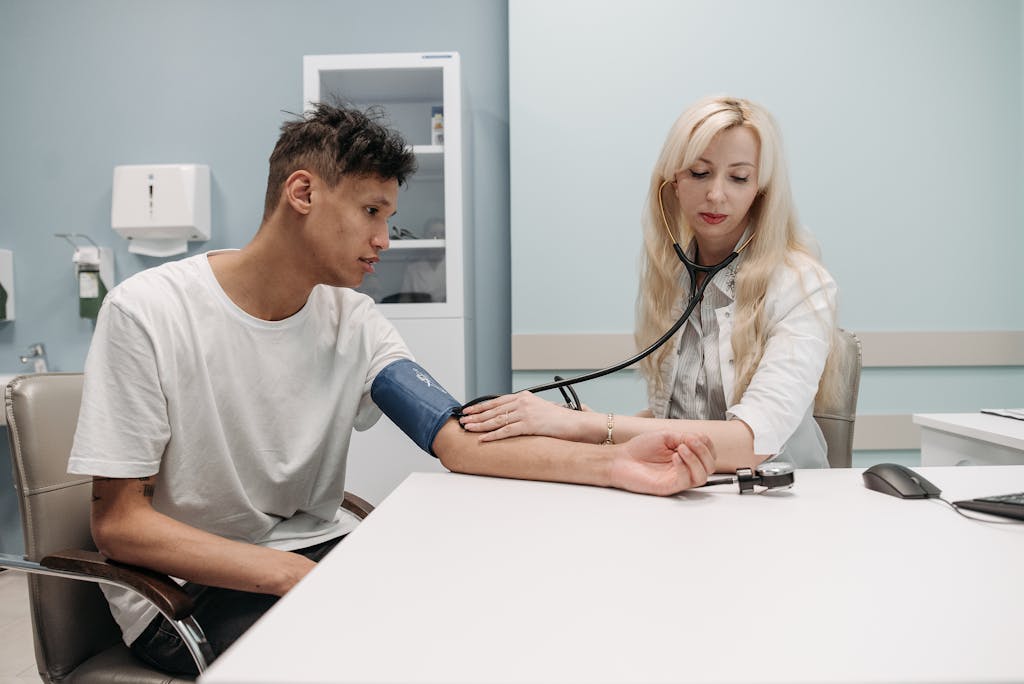
Cardiovascular aging can be quiet. A person may feel fine while blood pressure, resting heart rate, cholesterol, or blood sugar slowly move in the wrong direction. Warning signs can include shortness of breath with mild activity, chest discomfort, palpitations, swollen ankles, cold hands and feet, dizziness, or a resting heart rate that has risen over time.
Blood pressure and vascular health are major parts of long-term aging because the brain, kidneys, eyes, heart, and muscles all depend on healthy circulation. We should treat rising numbers as useful information rather than personal failure. Earlier action often gives better results than waiting until medication becomes the only option.
You get sick more often and recover slowly.

A younger, resilient body usually bounces back. Faster immune aging may feel like catching every bug in the room, staying sick longer than others, needing weeks to recover from minor infections, or having wounds that heal slowly. Frequent flare-ups, recurring infections, and persistent inflammation can signal that the immune system is under strain.
Immunity depends on sleep, protein intake, micronutrients, vaccines, movement, stress control, gut health, and chronic disease management. Slow recovery should not be ignored, especially in people at risk, with autoimmune symptoms, unexplained fatigue, or repeated infections. The immune system is not separate from aging. It is one of the engines that can either protect healthy aging or speed decline.
Your hormones feel out of rhythm.
Hormonal shifts can make the body feel older almost overnight. Warning signs may include low libido, mood swings, night sweats, irregular periods, erectile changes, stubborn weight gain, hair thinning, fatigue, cold intolerance, heat intolerance, acne, anxiety, or poor recovery after exercise. These symptoms can come from thyroid changes, perimenopause, menopause, testosterone decline, cortisol imbalance, insulin resistance, or medication effects.
We should avoid turning every hormone change into a crisis, but we also should not dismiss major changes as “just age.” Hormones influence sleep, metabolism, muscle, bones, mood, skin, and energy. When several symptoms appear together, testing and medical guidance can help us separate normal transitions from treatable imbalances.
Conclusion
The body rarely whispers forever. It starts with smaller signs, tired mornings, weaker muscles, dull skin, stiff joints, scattered focus, broken sleep, stubborn weight, and slower recovery. When we treat those signs as early information, we gain time. We can strengthen muscles, protect sleep, improve food quality, manage stress, monitor key numbers, and get medical help before small changes become major limitations.
Aging is natural. Falling apart early is not something we have to accept quietly. When we understand the signs that your body is aging faster, we can stop guessing, start measuring, and build a body that feels closer to the age we want to live in.