A tidy home can trick people into buying more stuff than they need. Walk into any home store, scroll through a few cleaning videos, or spend ten minutes on a storage aisle, and suddenly every messy drawer looks like it needs a special box, tray, rack, divider, or label set. The problem is that many organizing products only look useful before they enter real life.
The best organizers do not start with containers. They start with editing. If a closet, pantry, drawer, garage, or playroom is already overloaded, buying more storage can make the mess look prettier for a week, only to get worse by the end of the month. Some products promise order but secretly create extra work, waste space, or trap clutter in a more expensive costume.
That is why the smartest rule is simple: declutter first, measure second, buy last. A good organizing product should fit your actual habits, not the fantasy version of your home. These are the organizing products many people regret buying because they often add more frustration than function.
Unlabelable Letter Trays That Turn Paper into Mystery Piles

Letter trays seem helpful at first because they stack papers neatly and keep desks from looking chaotic. The trouble starts when the trays cannot be labeled clearly. One tray becomes “important papers,” another becomes “things to check later,” and the rest become quiet landing zones for receipts, school forms, unopened mail, and half-finished tasks.
Paper clutter needs a clear destination, not just a nicer place to sit. If a tray cannot tell you what belongs inside it, the system depends entirely on memory, and memory is not a reliable filing system. A better choice is a labeled file box, a slim wall organizer with categories, or a simple inbox-and-action-folder system. The goal is not to stack paper beautifully. The goal is to know exactly where it goes and when it needs attention.
Premade Label Kits That Stop Matching Your Real Life
Premade label kits look clean, polished, and satisfying in photos. They usually come with tidy words like snacks, pasta, towels, toys, mail, and cleaning supplies. The problem is that homes change faster than label kits do. Your pantry may need a label for protein bars, baby snacks, gluten-free flour, school lunch items, or medication overflow, and suddenly the perfect matching system feels incomplete.
A label system should grow with your home. Premade labels can lock you into someone else’s categories instead of your own. Once one label is missing or mismatched, the whole aesthetic can feel broken. A simple label maker, chalk labels, removable bin clips, or plain handwritten labels usually work better because they can be updated as your needs change. A good home system should bend, not break.
Tiny Undergarment Organizers That Make Laundry More Annoying

Undergarment organizers are often sold as the secret to perfect drawers. In reality, many of them have tiny compartments that require too much folding, sorting, and patience. They may look beautiful on day one, but after laundry day, people often toss socks, underwear, bras, and shapewear wherever they fit because the organizer demands more effort than daily life allows.
The best drawer systems are easy to reset. Soft-sided rectangular dividers or simple drawer bins often work better because they separate categories without forcing every item into a tiny slot. Socks can live in one section, underwear in another, and bras in a third. That gives the drawer structure without turning basic laundry into a puzzle. If a product needs too much maintenance, it will not survive a busy week.
Bulky Plastic Hangers That Waste Closet Space

Large plastic hangers are common, cheap, and easy to grab, but they can quietly ruin a closet. Their thick shape eats up valuable hanging space, especially in small closets, shared closets, or wardrobes packed with coats, dresses, work clothes, and seasonal pieces. They can also make clothing hang unevenly, which adds visual clutter even when everything is technically put away.
Slim hangers usually create a cleaner, calmer closet because they give clothes more breathing room. Matching hangers also make it easier to see what you own, helping reduce duplicate purchases. The point is not to make the closet look like a boutique just for the sake of beauty. The point is to make the closet easier to use every morning. When hangers take up more room than the clothes deserve, the system is working against you.
Clear Trash Cans That Display What You’re Trying to Hide
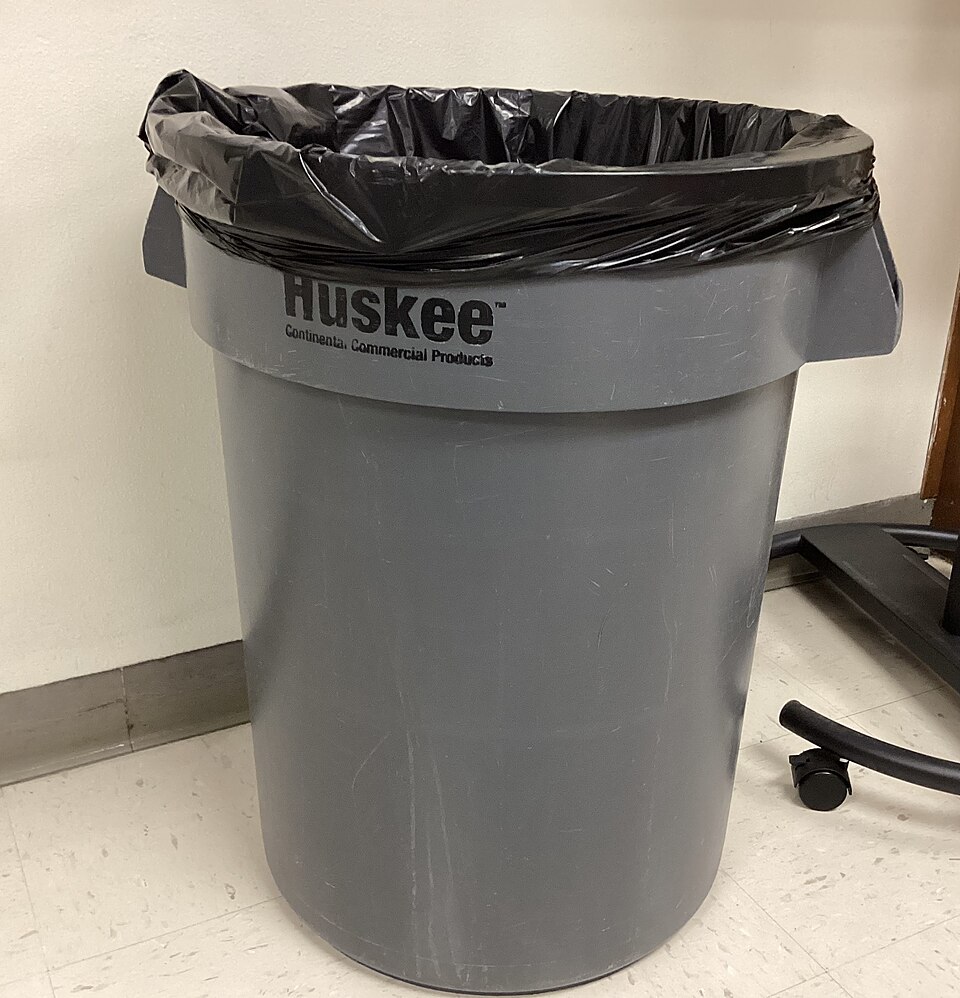
Clear storage can be useful in pantries, craft rooms, and closets because it lets you see what you own. Clear trash cans are a different story. Trash is not something most people want to showcase. Even a clean room can feel messy when wrappers, tissues, packaging, and bathroom waste are visible through a transparent bin.
A trash can should contain visual clutter, not frame it. Opaque bins with lids or simple solid-colored wastebaskets usually do the job better. They keep the room looking calm and make the trash less noticeable. Clear design can be stylish in the right place, but not every object benefits from being visible. Some things in a home need to disappear quietly, and garbage is one of them.
Prefilled Spice Racks That Create Countertop Clutter
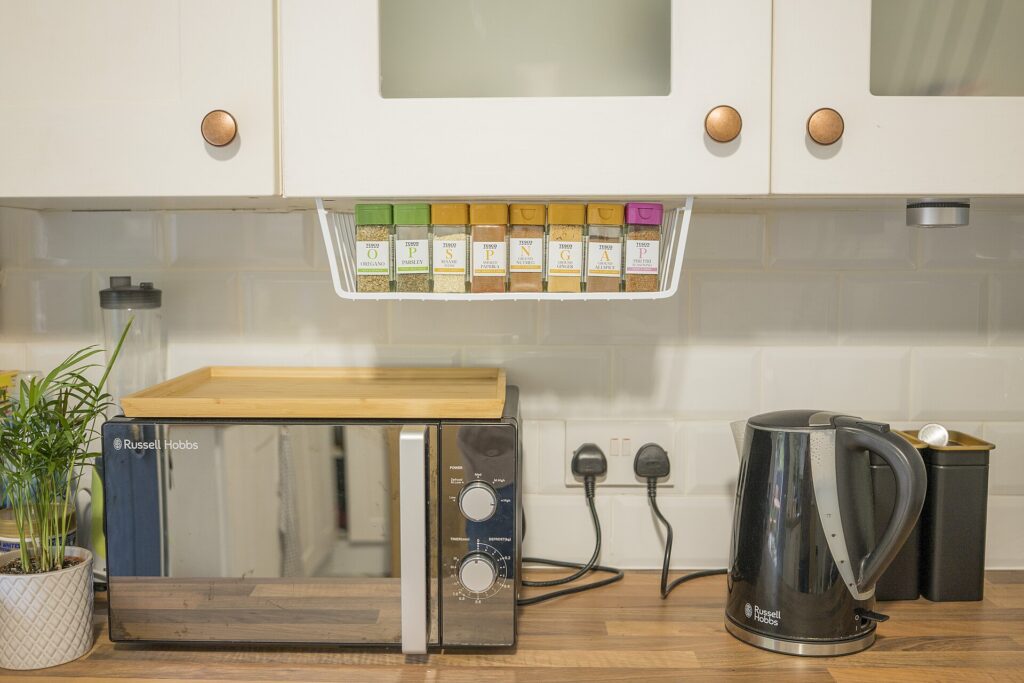
Prefilled spice racks look charming, especially when the jars line up in neat little rows. The problem is that they often come with spices you do not use, jars that are too small, and labels that do not reflect how real cooking works. Many families already have favorite spices in different bottle sizes, refill bags, bulk containers, or brand-specific jars that do not fit neatly into a standard rack.
Counter space is valuable, so anything that lives there should earn its place. A prefilled rack can become decoration pretending to be organization. A better system starts with the spices you actually use. Keep daily seasonings near the stove, store extras in a drawer or cabinet, and use matching jars only when they truly make cooking easier. The goal is faster meals, not a countertop display that collects dust.
Oversized Toy Containers Kids Cannot Manage.
Toy storage fails when adults buy containers that look tidy but are too hard for children to use. Heavy lids, deep bins, stacked boxes, and complicated compartments may look organized after cleanup, but they often collapse during playtime. If a child cannot reach the container, open it, understand the category, and put toys back without help, the system is too complicated.
The best toy storage is simple and forgiving. Large soft bins, open baskets, low shelves, and picture labels often work better than polished storage pieces that require adult-level patience. Kids need a system that makes cleanup quick. Stuffed animals, blocks, cars, dolls, and dress-up clothes should have obvious homes. If toy storage feels like a choreographed routine, it will not last long in a real family room.
Gift Wrap Organizers That Only Work for Perfect Supplies
Gift wrap organizers sound like a smart purchase because wrapping paper, bows, ribbons, tags, bags, and tissue paper can become messy fast. The issue is that many gift wrap organizers are too specific. They only work if your rolls are the right length, your ribbon count is small, your gift bags are the right size, and your supplies match the compartments provided by the product.
Real gift wrap collections are rarely that neat. After birthdays, holidays, weddings, school events, and last-minute celebrations, the supplies change shape and size. A long under-bed storage box, a clear lidded bin, or a labeled closet container can be more practical than a specialized organizer. Before buying any gift wrap system, gather all the supplies first. The storage should fit the collection, not the other way around.
Fabric Hanging Shelves That Sag and Swallow Small Items
Fabric hanging shelves can seem like an easy closet fix, especially for sweaters, bags, shoes, or folded clothes. The problem is that they often sag, tilt, and lose shape once they hold real weight. Instead of creating order, they can become soft vertical piles where items slide, disappear, or look messy even when folded.
These shelves work only in limited situations. They may help with lightweight items or temporary storage, but they are rarely the strongest long-term solution. Solid shelving, drawer units, labeled bins, or shelf dividers usually hold shape better and make items easier to access. Closets need structure, and floppy storage often creates the opposite. If an organizer collapses under normal use, it does not solve the problem.
Traditional Toy Boxes That Become Black Holes
Toy boxes are among the most common storage mistakes. They promise one easy place to toss everything, but that is also the problem. Small toys, puzzle pieces, doll accessories, building blocks, cars, craft items, and game parts sink to the bottom and disappear. Kids then dump the whole box to find one thing, and the room ends up messier than before.
Toy boxes work best for large, soft, simple categories. Stuffed animals, dress-up clothes, blankets, or oversized plush toys can live there because they do not require sorting through tiny pieces. For everything else, shallow bins, cubbies, trays, and open shelves usually work better. A good toy system helps children find what they want without destroying the room in the process.
Storage Bins Bought Before You Declutter

The biggest organizing mistake is buying storage before knowing what needs to be stored. It feels productive because shopping is easier than sorting. New bins create a sense of progress, but they can also hide clutter you should have donated, tossed, recycled, or moved. That is how homes end up with beautiful containers full of things nobody uses.
The smartest order is always edit, sort, measure, then buy. First, remove what no longer belongs. Next, group similar items together. Then measure the shelf, drawer, closet, cabinet, or floor space. Only after that should you buy containers. This saves money, prevents returns, and creates systems that match your real home. Organizing products should support decisions you have already made, not delay the decisions you are avoiding.
A Simple Rule Before Buying Any Organizing Product
Before adding another basket, tray, rack, shelf, bin, or divider to your cart, ask three questions. Do we know exactly what will go inside it? Does it fit the space we actually have? Will the person using it maintain it on a normal, busy day?
If the answer is no, the product is probably clutter in disguise. The best organizing tools are not always the prettiest ones. They are the ones who make daily life easier, reduce visual noise, and help the whole household reset a space without overthinking it.
Conclusion
Organizing products can help, but they cannot rescue a home from too much stuff, unclear categories, or unrealistic habits. The wrong product simply makes clutter look more intentional. It gives the mess a lid, a label, a compartment, or a prettier shape without fixing the reason the mess keeps coming back.
A better home starts with fewer items, clearer homes, and systems that match how people actually live. Before buying another clever storage solution, pause and ask whether the product will reduce work or create more of it. The best organizing choice is often not the newest container on the shelf. It is the decision to own less, store smarter, and make every item easier to find, use, and put away.