Bread looks innocent. It sits quietly on the kitchen counter, waiting to become toast, sandwiches, French toast, or a late-night snack with butter melting into the corners. For many families, it is one of those foods that feels too ordinary to question. You grab the same loaf every week, trust the front label, and move on with your day.
But the bread aisle can be sneaky. Some loaves wear “wheat,” “multigrain,” or “healthy” like a costume, yet the ingredient list tells a much less flattering story. The problem is not that bread is bad. The problem is that some bread gives you the comfort of a staple food without much nutrition behind it.
Here are five warning signs your bread may not be as healthy as it looks.
The First Ingredient Is Not Whole Grain
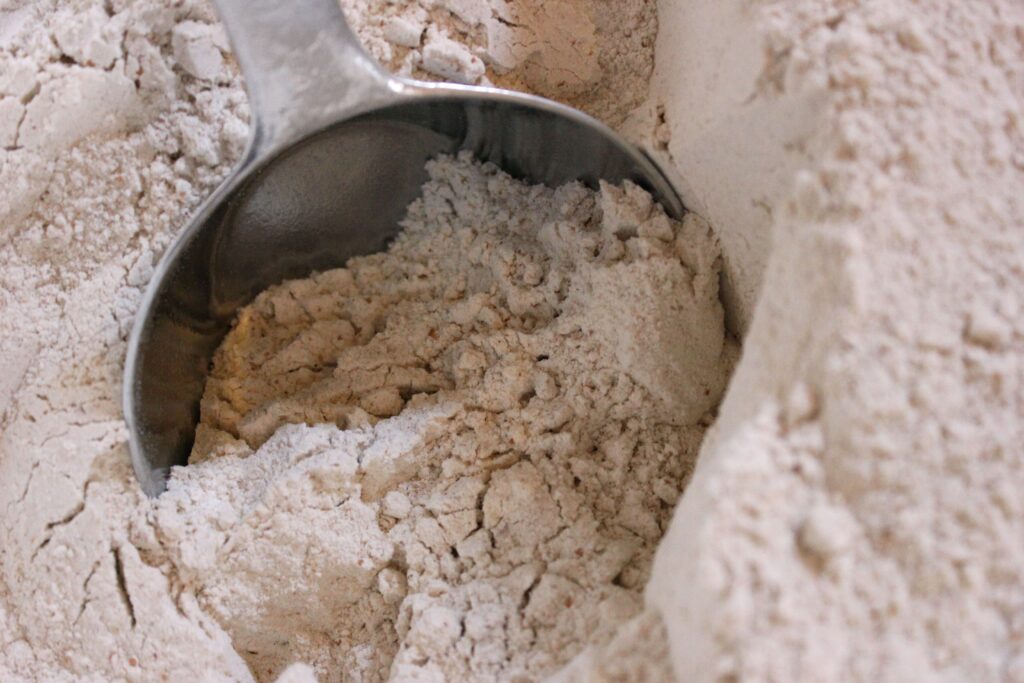
The first ingredient on a bread label tells you what the loaf is mostly made from. If it says “enriched wheat flour,” “wheat flour,” or simply “flour,” that usually means refined flour. The word “wheat” can sound healthy, but it does not automatically mean whole grain. A truly better loaf should say “whole wheat,” “100% whole wheat,” or “whole grain” near the top of the ingredient list.
This matters because refined flour loses much of the grain’s natural goodness during processing. The bran and germ are removed, taking away fiber, minerals, and other helpful nutrients. What remains is softer and lighter, but also less filling. That is why a slice of white or refined bread may leave you hungry again soon after eating. It gives quick comfort, but not much staying power.
It Has Very Little Fiber

Fiber is one of the biggest clues that bread is worth buying. A better loaf should usually offer about 3 grams of fiber per slice. If your bread has less than 2 grams of fiber, it may be more like a soft starch vehicle than a nourishing food. That does not mean you can never eat it, but it should not be the everyday loaf you depend on.
Fiber helps bread feel more satisfying. It slows digestion, supports gut health, and helps prevent the quick blood sugar rise that can happen after eating highly refined carbs. Low-fiber bread can taste pleasant and fluffy, but it often disappears in your stomach too fast. You eat two slices, feel full for a moment, then start searching the kitchen again an hour later. That is a clear sign that the bread is not doing much for your body.
Sugar Is Hiding in the Ingredients
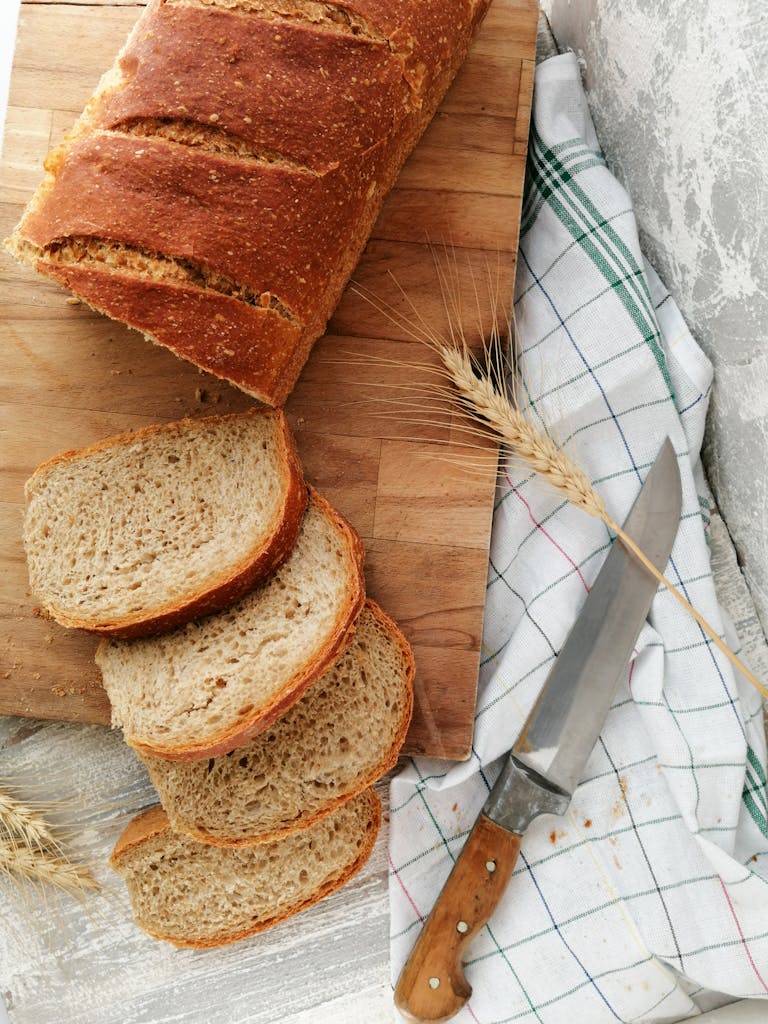
Bread does not have to taste like cake to contain added sugar. Sugar can appear under names like cane sugar, molasses, honey, brown sugar, corn syrup, or tapioca syrup. Some added sweetness helps yeast work and improves flavor, but too much turns a basic loaf into a sneaky source of extra sugar. A daily sandwich should not quietly behave like dessert.
Sweet breads are the obvious suspects, but regular sandwich bread can also carry more sugar than expected. Hawaiian bread, cinnamon raisin bread, brioche, and soft bakery-style loaves can be delicious, but they are better treated as occasional choices. The danger comes when they become your normal breakfast toast or lunch bread. Over time, those small extra sugars add up in a way that feels almost invisible.
The Ingredient List Looks Like a Science Project
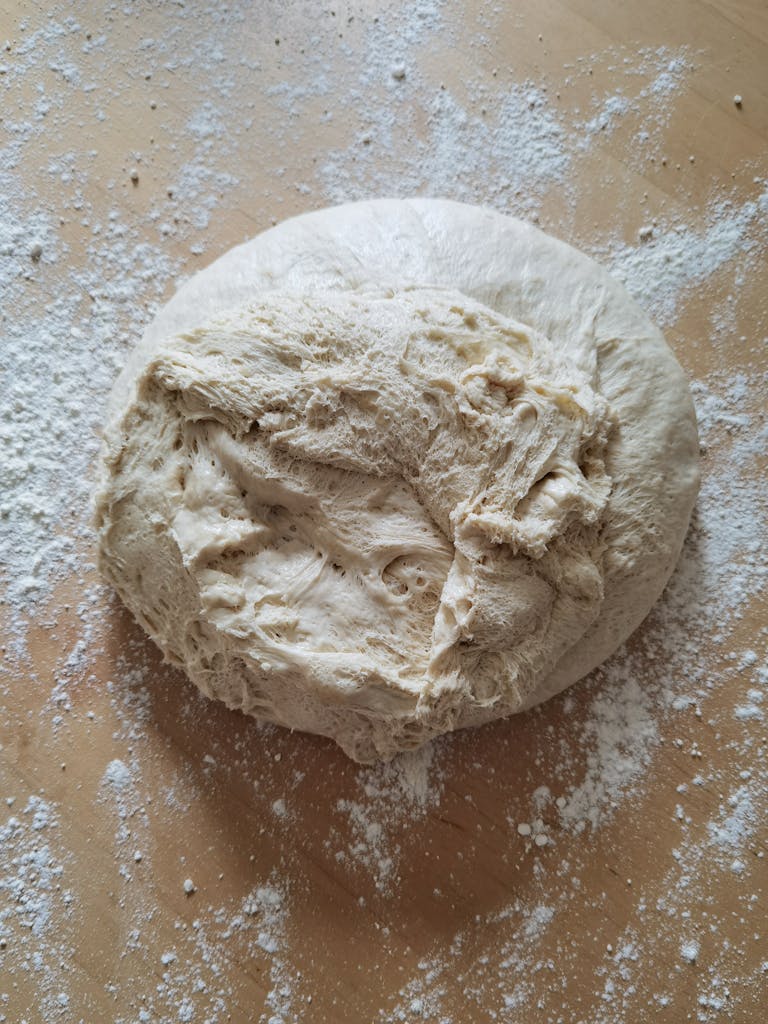
A short ingredient list is not automatically perfect, but it can be a good sign. Bread traditionally needs simple ingredients like flour, water, yeast, and salt. Many store-bought loaves add preservatives, dough conditioners, emulsifiers, gums, and other extras to improve softness and shelf life. Some of those ingredients are common in commercial baking, but a very long list can suggest the loaf has been heavily engineered.
This does not mean every unfamiliar ingredient is dangerous. Still, if you need a chemistry degree to understand half the label, it is fair to pause. Ultra-soft bread that stays fresh for an unusually long time often gets that texture and durability from additives. The bread may look fresh, but it may be far from simple. A better everyday loaf should feel closer to real food than a manufactured sponge.
The Front Label Is Trying Too Hard
Food packaging is full of clever words. “Multigrain,” “made with wheat,” “natural,” “honey,” “ancient grains,” and “farmhouse style” can all sound healthy. The trouble is that these phrases do not always mean the bread is high in fiber, low in sugar, or made mostly from whole grains. A loaf can have a few grains sprinkled in and still be mostly refined flour.
This is where many shoppers get fooled. The front of the package is designed to sell the bread, but the nutrition label tells the truth. Look at the first ingredient, fiber per slice, sugar per slice, and the length of the ingredient list. If the label looks wholesome but the facts look weak, believe the facts. Pretty packaging cannot turn a low-fiber, sugary, refined loaf into a healthy choice.
Conclusion
Bread does not need to be banned from your kitchen. The real goal is to stop letting weak loaves pretend they are doing more for you than they are. Choose bread with whole grains first, decent fiber, low added sugar, and a label that does not feel overcrowded with additives.
A good loaf should make your meal more filling, not just more convenient. The next time you reach for bread, flip the bag around before tossing it into your cart. The healthiest choice is rarely the loudest package on the shelf.