Baking can feel like science wrapped in art; one wrong ingredient, measurement, or technique can turn your masterpiece into a dense brick, a gooey mess, or a flavor flop. Whether you’re a novice baker or someone who considers themselves “pretty good,” certain pitfalls consistently trip people up. Mastering what not to do is one of the fastest ways to elevate your baking from mediocre to magnificent.
Below are the most common baking mistakes explained in detail with precise, actionable solutions so your next batch comes out just right.
Skipping the Recipe Read‑Through

Impatience is the enemy of consistent baking. Jumping straight to mixing without reading the instructions end‑to‑end leads to missed steps, incorrect ingredient order, and surprise techniques you weren’t ready for.
Fix: Read the entire recipe before you start. Familiarize yourself with each step and have all ingredients measured and ready (mise en place).
Not Weighing Ingredients
Measuring by volume (cups and spoons) invites inconsistency. A “cup of flour” can vary wildly in weight depending on how it’s scooped, packed, or aerated, leading to dry, crumbly cakes or gummy cookies.
Fix: Use a kitchen scale. Baking is unforgiving; weighing ingredients ensures precision and repeatability.
Using Cold Ingredients
Most baked goods require room‑temperature eggs, butter, and dairy so the ingredients blend uniformly. Cold ingredients don’t emulsify properly, leaving lumps or uneven crumb structures.
Fix: Let eggs, milk, and butter sit at room temperature for 30–60 minutes before baking. Think of this as a smoothness enhancer.
Incorrect Oven Temperature
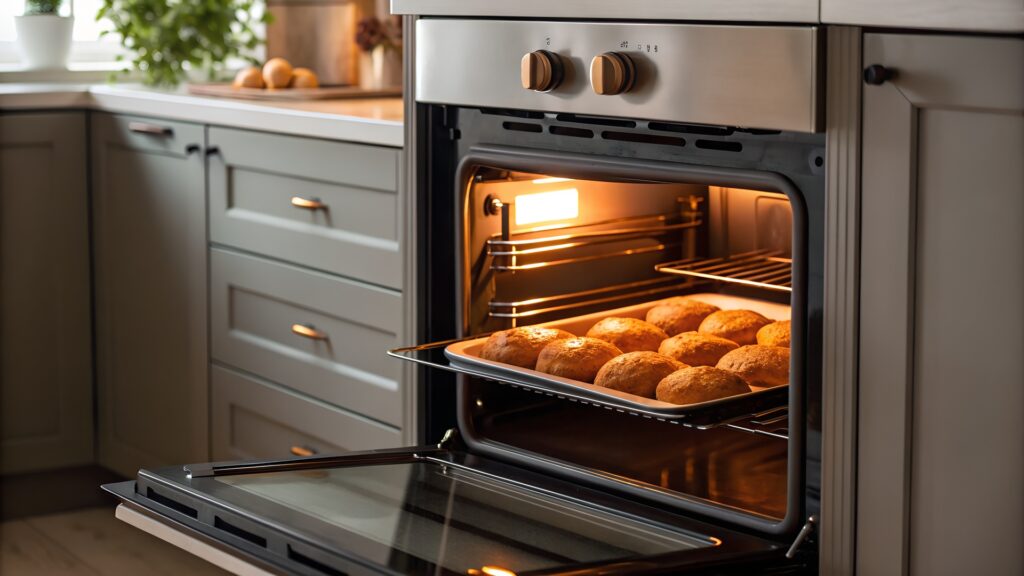
Ovens can vary widely from their set temperature, leading to under‑baked centers or burnt edges before the interior is done.
Fix: Use an oven thermometer to verify the actual temperature and preheat fully; don’t rely on the dial alone.
Overmixing the Batter
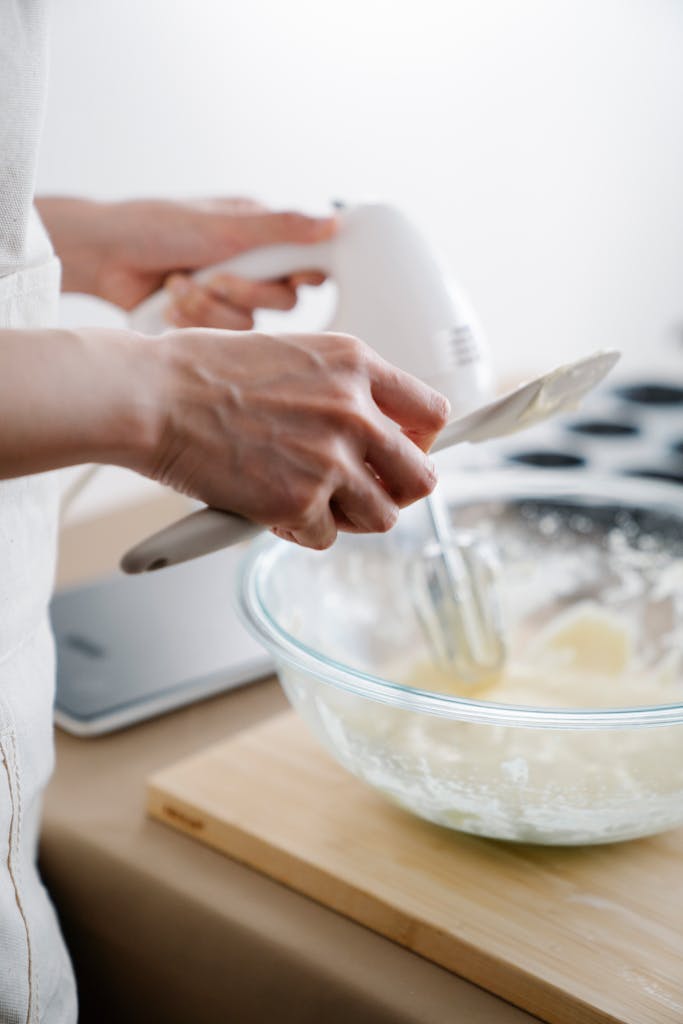
Mixing too vigorously after adding flour develops gluten, great for bread, terrible for cakes or muffins. Overmixed batters yield tough, chewy, or peaked results when you want tender, light results.
Fix: Stir gently just until the dry ingredients are incorporated; a few small lumps are good.
Ignoring Ingredient Quality
Expired baking powder, stale flour, or low‑quality vanilla extract subtly sabotage flavor and rise. Old leavening agents lose power, leading to flat muffins or sagging cakes.
Fix: Check expiration dates and invest in fresh, high-quality staples; they make a measurable difference.
Not Preparing Pans Properly
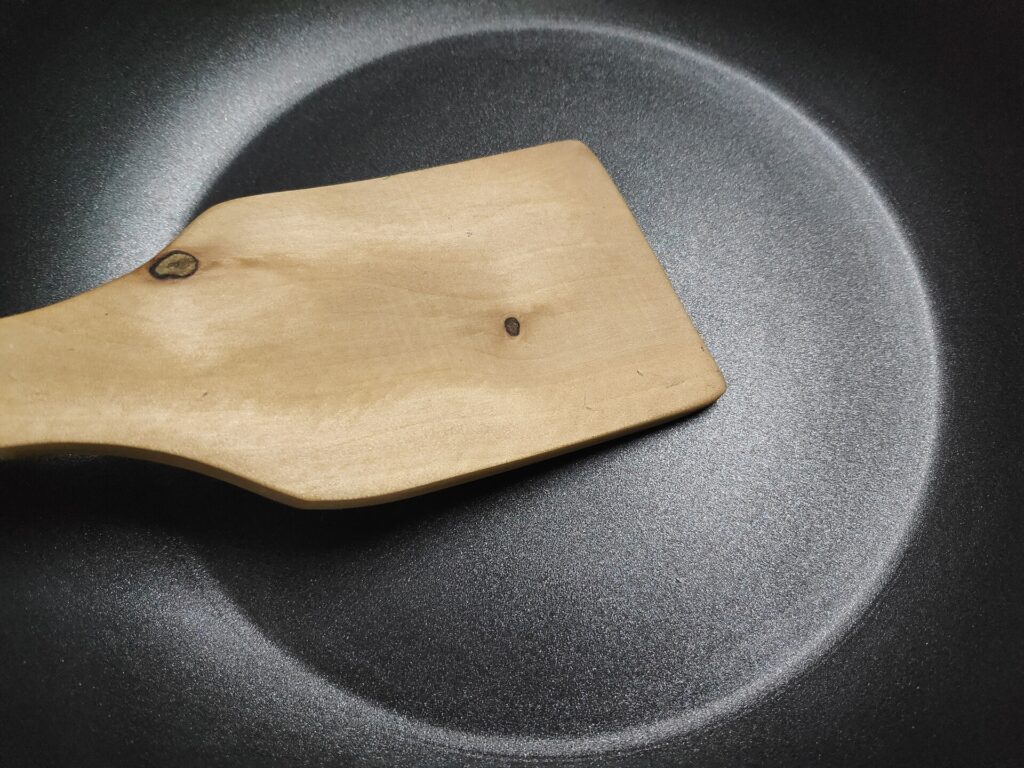
Skipping greasing, lining with parchment, or dusting with flour leads to stubborn sticking and pastries that tear or crumble when you try to release them.
Fix: Use the preparation method specified in the recipe: butter and flour for cakes, parchment liners for quick breads, and nonstick spray for bundts or loaf pans.
Misreading Leavening Instructions
Baking soda and baking powder aren’t interchangeable. Baking soda requires an acid to activate; baking powder already contains one.
Mixing them up changes the rise and flavor of your baked goods.
Fix: Follow the recipe exactly, and never substitute one for the other unless you understand the chemistry behind it.
Neglecting Cooling Time
Ripping a cake from its pan while it’s still hot, slicing brownies too soon, or icing cookies before they’re cooled can easily transform delicate textures into mushy ruin.
Fix: Cool on a wire rack to allow steam to escape and structure to set. Patience here yields definitive texture wins.
Opening the Oven Too Often

Curiosity may be rewarding in life, but opening the oven door repeatedly causes temperature drops and uneven rise, especially in soufflés and angel food cakes.
Fix: Trust the process. Peek only near the minimum baking time or use the oven light.
Not Adjusting for Altitude and Humidity
Baking at high altitude or on a humid day changes how ingredients behave, causing them to rise faster, dry out quicker, or absorb moisture unevenly.
Fix: Adjust recipes for your climate: decrease leavening agents slightly at high altitude, and reduce liquid in very humid environments.
Consult local guides for precise adjustments.
Using Sugars Interchangeably Without Understanding Their Roles
Brown sugar adds moisture and depth, while granulated sugar contributes crispness and strong structure. Subbing one for the other blindly alters texture and flavor.
Fix: Stick to the specified sugar type unless you know exactly how it affects your results.
Not Sifting Dry Ingredients When Required
Sifting aerates flour and removes lumps in cocoa, powdered sugar, or baking powder blends, especially important in delicate batters like sponge cakes or macarons.
Fix: Sift as directed, not as a suggestion. It improves texture and ensures even mixing.
Overloading With Mix‑Ins
Chocolate chips, nuts, or fruit add delight until they overwhelm the batter and weigh it down, causing dense, uneven bakes.
Fix: Stick to the recipe’s suggested quantities or reduce mix‑ins slightly. Fold them in gently after the batter is ready.
Rushing the Dough Rest
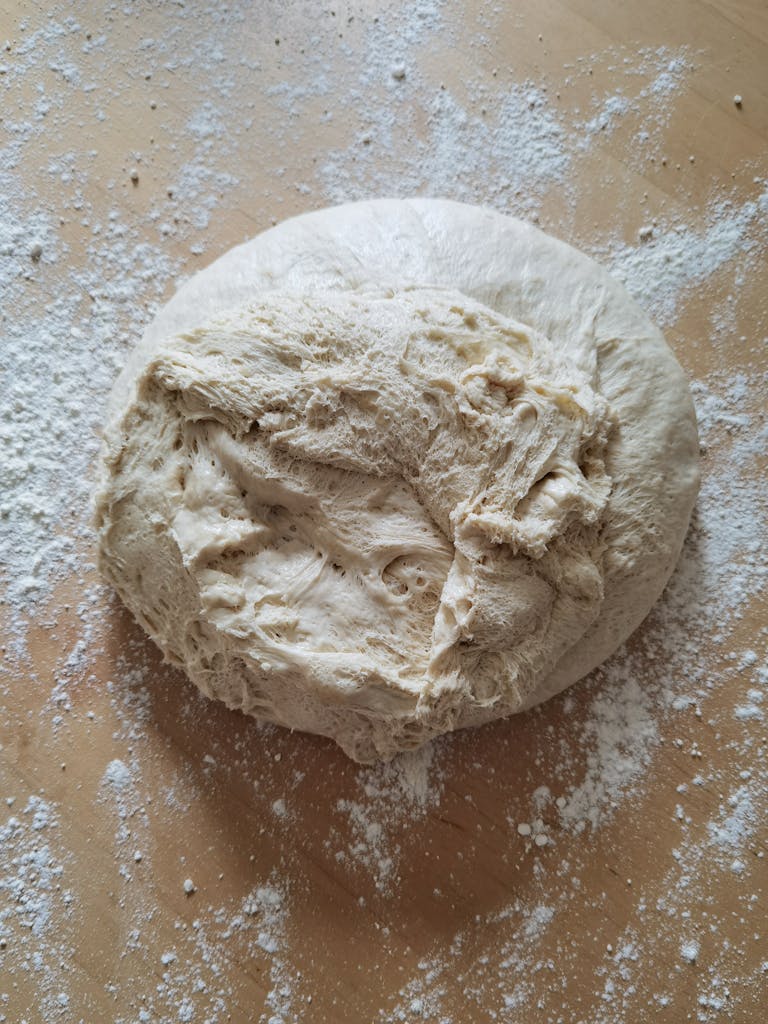
Certain doughs, especially laminated doughs (croissants, puff pastry) or doughs enriched with fat, require resting so that the gluten relaxes and layers form properly. Skipping rest time yields tough, flat results.
Fix: Respect rest and proof times; they’re not optional detours; they’re essential.
Guessing Instead of Timing

Baking isn’t as forgiving as sautéing; a minute too long or too short can destroy texture. Eyeballing isn’t a strategy.
Fix: Set a timer as soon as your batter hits the oven. Check doneness using a skewer, not just visual cues.
Not Using Reliable Recipes
Relying on vague or untested recipes leads to inconsistency and unpredictable outcomes. Baking is precision, not “wing it” territory.
Fix: Use trusted sources and follow directions carefully, then experiment once you understand the fundamentals.
Conclusion
Baking isn’t just cooking; it’s chemistry, craft, and deliberate precision. Avoiding these common mistakes sharpens your technique, improves texture and flavor, and saves you the frustration of wasted ingredients and time. With attentive preparation, respect for the process, and a few tried‑and‑true habits, your baked goods can go from average to extraordinary.