Goji berries may look like tiny dried red raisins, but ignoring them could mean missing out on one of the easiest nutrition upgrades hiding in the snack aisle. These bright berries have been used for years in teas, soups, cereals, smoothies, trail mixes, and breakfast bowls, yet many people still treat them as a trendy garnish rather than a serious health-supporting food. Their sweet, slightly tart flavor makes them easy to add to everyday meals without turning your diet into a chore.
The biggest mistake is thinking goji berries are just another “superfood” with a shiny reputation and no real value. They contain antioxidants, fiber, vitamin C, and plant compounds that may support your eyes, gut, immune system, and overall wellness. You do not need to eat a mountain of them either. A small serving can add color, texture, and nutrients to foods you already enjoy.
Ignoring Goji Berries Could Leave Your Eyes Missing Important Nutrients
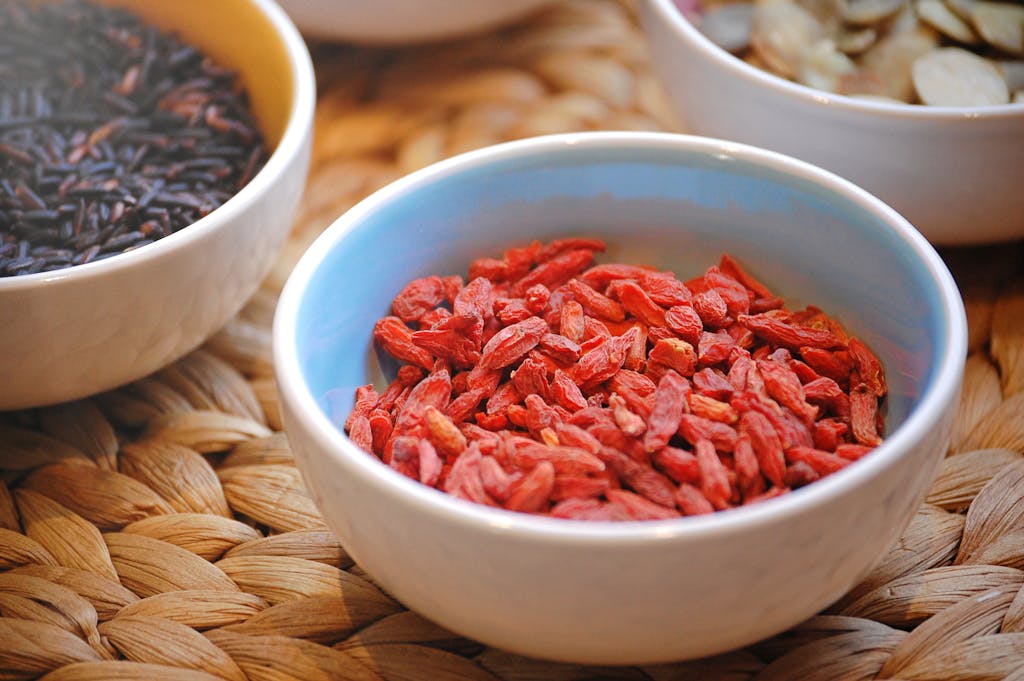
Your eyes deal with more stress than many people realize. Long screen hours, harsh sunlight, poor sleep, and everyday aging can all place pressure on eye health over time. Goji berries contain carotenoids, especially lutein and zeaxanthin, which are plant pigments linked with eye support. These compounds help protect the eyes from oxidative stress, the kind of damage that can build quietly before symptoms become obvious.
That matters because many people only think about eye health after their vision starts changing. Adding goji berries to oatmeal, yogurt, smoothies, or homemade trail mix gives your diet another source of eye-friendly nutrients. They will not replace regular eye exams or a balanced diet, but they can support a smarter food routine. If your daily meals rarely include colorful fruits and vegetables, goji berries can help close that gap in a simple way.
Skipping Goji Berries May Mean Missing a Strong Antioxidant Boost
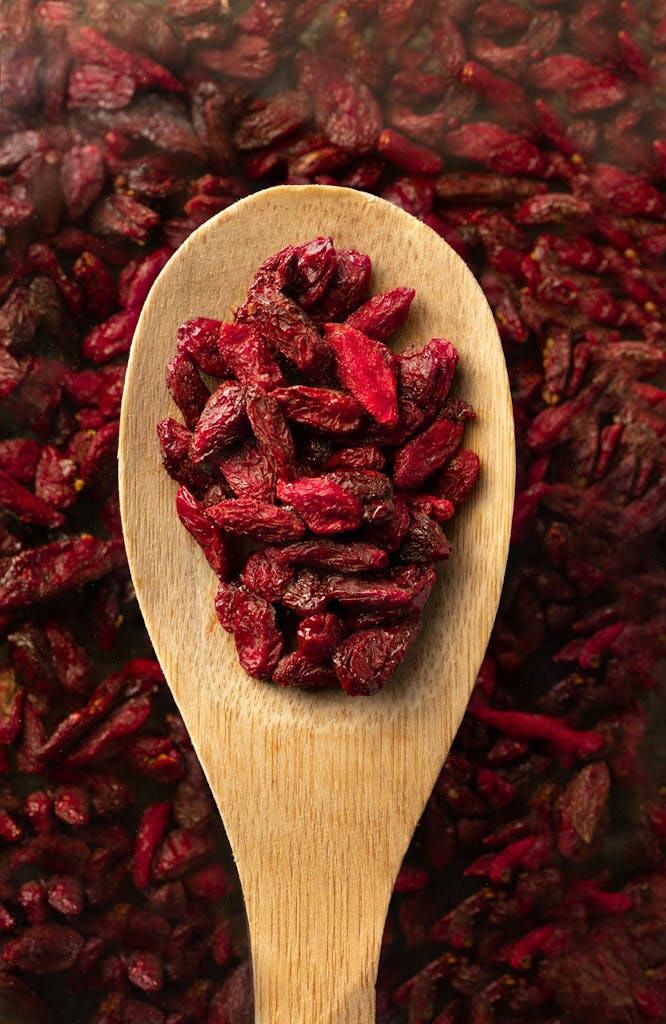
Antioxidants help the body fight free radicals, which are unstable molecules linked to everyday stress, pollution, exposure to tobacco smoke, a poor diet, and normal metabolic processes. Goji berries contain several antioxidant compounds, including vitamin C, vitamin E, lycopene, lutein, and zeaxanthin. That combination gives them a strong reputation among bright-colored fruits. Their deep red color is part of the clue, because colorful plant foods often carry protective compounds.
A diet low in antioxidant-rich foods can leave your body without enough nutritional backup. That does not mean goji berries are magic, but it does mean they can be useful in a diet that needs more variety. Sprinkle them into cereal, blend them into smoothies, or mix them with nuts for a snack that feels more exciting than plain dried fruit. The goal is not to chase one perfect food. The goal is to build a pattern in which nutrient-rich foods appear often enough to matter.
Overlooking Goji Berries Could Hurt Your Gut Health Routine

Fiber is one of the most underrated parts of a healthy diet, and goji berries bring some of it in a small, convenient package. Fiber supports digestion by helping stool move through the gut more comfortably. It also helps feed beneficial gut bacteria, which play a role in digestion, immune function, and general wellness. Many people struggle to get enough fiber because their diets lean too heavily on refined snacks, white bread, sugary drinks, and low-fiber convenience foods.
Goji berries can help make fiber easier to include without forcing a dramatic diet overhaul. You can toss them into overnight oats, add them to chia pudding, stir them into granola, or pair them with seeds and almonds. Their chewy texture adds more bite to meals, making healthy eating feel less boring. Still, portion control matters because dried fruit is concentrated. A small handful is usually enough to add flavor and nutrients without turning a healthy snack into a sugar-heavy one.
Ignoring Goji Berries May Be a Mistake for Better Blood Sugar Habits
Blood sugar balance is not just a concern for people with diabetes. Energy crashes, intense cravings, and constant snacking can all be tied to meals that do not keep the body satisfied. Goji berries contain fiber and plant compounds that may support healthier blood sugar patterns, especially when eaten as part of a balanced meal. They are not a treatment for blood sugar problems, but they can fit into a smarter eating plan.
The mistake comes when people eat large amounts of dried fruit on their own and assume it is automatically harmless. Goji berries are best paired with protein, healthy fats, or high-fiber foods. Try them with plain Greek yogurt, nuts, oats, or unsweetened cereal instead of eating them straight from the bag all day. This helps slow digestion and creates a more balanced snack. Anyone managing diabetes, taking blood sugar medication, or dealing with a medical condition should speak with a health professional before making major diet changes.
Avoiding Goji Berries Could Mean Missing Immune-Supporting Nutrients
Your immune system depends on steady nutrition, not last-minute panic during cold season. Goji berries contain vitamin C, zinc, and other plant compounds that support normal immune function. Vitamin C helps protect cells and supports the activity of white blood cells, which the body uses to defend itself. Zinc also plays a role in immune health, making goji berries a useful addition to a varied diet.
The key is consistency. Eating goji berries once will not suddenly shield you from every cold, but adding nutrient-rich foods regularly can support your body over time. Mix them into warm porridge, steep them in tea, add them to rice dishes, or fold them into homemade energy bites. Their flavor works well in both sweet and savory dishes, making them more versatile than many dried fruits. Just remember that goji berries may interact with certain medications, including blood thinners, so caution matters if you take prescriptions.
Conclusion
Goji berries are easy to overlook because they are small, dried, and often marketed like another overhyped wellness trend. That would be a mistake. They offer eye-supporting carotenoids, antioxidants, fiber, immune-friendly nutrients, and possible support for better blood sugar habits when eaten wisely. They work best as part of a balanced diet, not as a miracle cure or a replacement for medical care.
A small serving can make breakfast bowls, smoothies, salads, teas, and snacks more nutritious without much effort. If your diet needs more color, fiber, and antioxidant-rich foods, goji berries deserve a serious place on your grocery list.