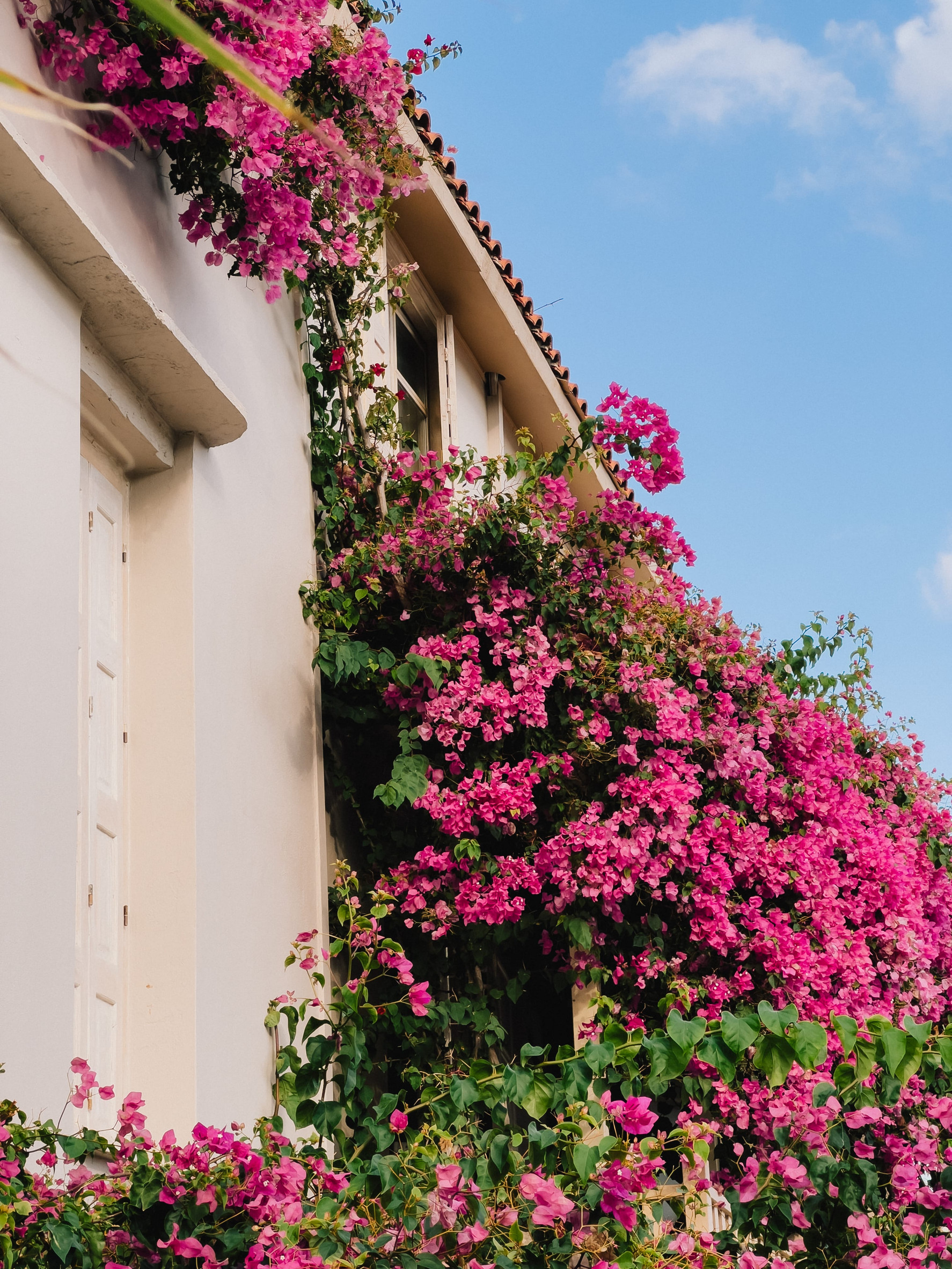
Slugs and snails look harmless until your garden starts waking up with shredded leaves, slimy trails, and sad-looking plants that looked perfect yesterday. These soft-bodied pests usually work at night, which makes the damage feel sudden and unfair. One evening, your hostas, lettuce, basil, dahlias, or young vegetable seedlings look healthy. By morning, the leaves are full of holes like something threw a midnight buffet in your backyard.
The frustrating part is that slugs and snails do not need much to settle in. Give them shade, moisture, mulch, and a few hiding spots, and they will happily move in. The good news is that you can protect your garden from slugs and snails without turning your yard into a chemical battlefield. The key is to spot the problem early, remove their hiding places, trap them smartly, and make your plants harder to reach.
Ignoring Slime Trails Until the Damage Spreads
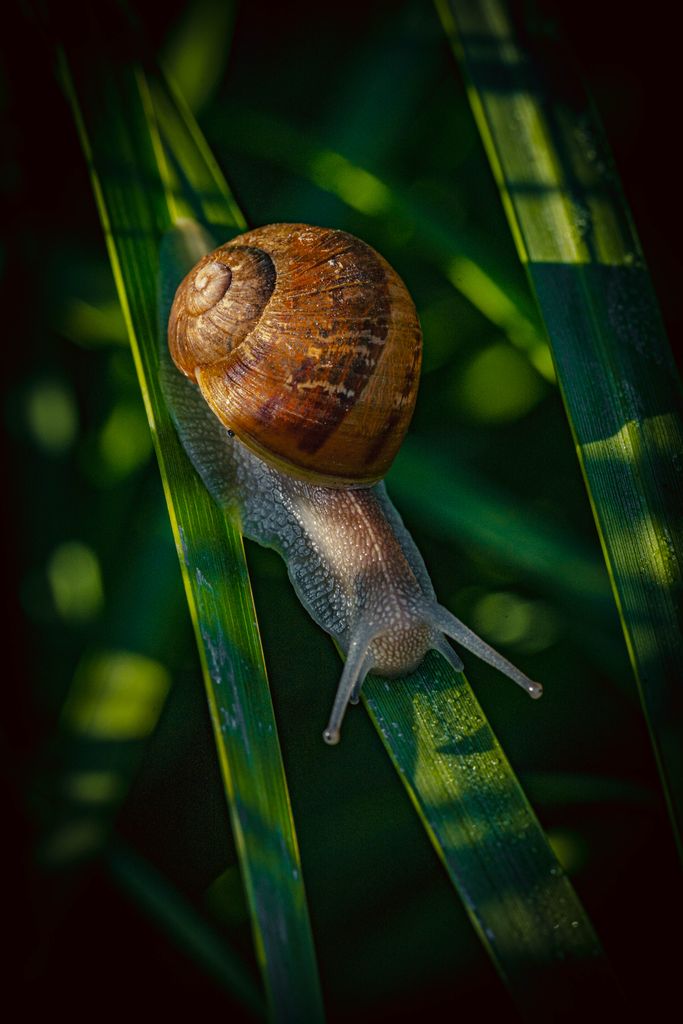
One of the biggest mistakes gardeners make is waiting until the plants look terrible before taking action. Slugs and snails often leave shiny, silvery trails on leaves, soil, pots, stepping stones, and garden edges. Those trails are not just gross. They are a warning sign that pests are already feeding when you are not watching.
Look closely at young leaves, soft stems, and low-growing plants, especially after rain or early in the morning. Slugs and snails love damp conditions, so they often become more active after watering, storms, or humid nights. If you grow lettuce, cabbage, strawberries, hostas, marigolds, basil, or other tender plants, check them regularly, as they are easy targets.
A simple garden inspection can save you a lot of frustration. Take a flashlight outside at night and look under leaves, around pots, beneath boards, and near mulch. You may find the pests hiding in places that seemed harmless during the day. Once you know where they gather, you can target the problem rather than guess.
Leaving Damp Hiding Places Around Your Plants
Slugs and snails love messy, moist garden corners. Thick piles of leaves, old plant debris, boards, stones, weeds, and overcrowded mulch give them shelter during the day. When the sun goes down, they come out and feed. That means a cluttered garden can quietly become a pest hotel.
Cleaning up does not mean stripping your garden bare. It means removing the damp hiding spots closest to vulnerable plants. Clear away dead leaves, rotting stems, fallen fruit, and thick weed patches. Lift pots occasionally and check the bottom. Move boards, bricks, and unused containers away from planting beds if they are creating cool, dark hiding spots.
Watering habits also matter. Try watering in the morning instead of late evening so the soil surface has time to dry before nightfall. Slugs and snails move more easily across wet ground, so a garden that stays damp all night gives them an open invitation. Better airflow, cleaner beds, and smarter watering can make your garden much less comfortable for them.
Forgetting That Traps Work Best When They Are Simple

You do not need complicated tools to trap slugs and snails. One of the easiest methods is to create a fake hiding place. Place a damp board, piece of cardboard, or folded newspaper near the plants they are attacking. Overnight, slugs and snails often crawl beneath the surface because it feels cool, dark, and safe.
The next morning, lift the trap and remove what you find. It is not glamorous garden work, but it is effective because it gathers pests in one place. This method is especially useful if you do not want to spray anything on your plants or soil. It also helps you understand how bad the infestation really is.
Beer traps can also work because slugs and snails are attracted to the yeasty smell. Sink a shallow container into the soil so the rim is level with the ground, then add a small amount of beer. The pests crawl in and drown. Just place these traps carefully, keep them out of reach of pets and children, and refresh them as needed. Traps work best when you use several at once and keep checking them consistently.
Skipping Barriers Around Vulnerable Plants
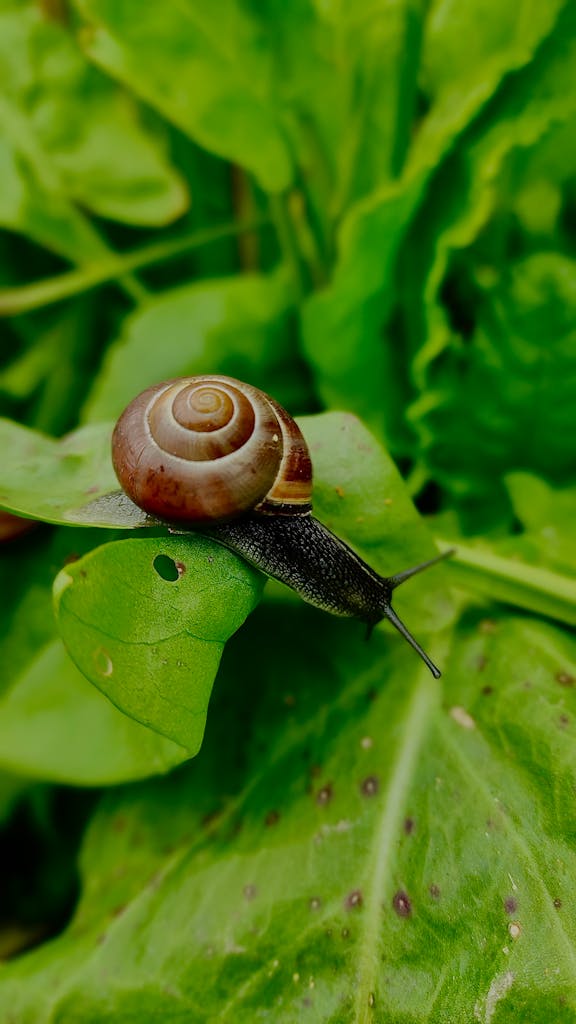
If your garden gets attacked every season, barriers can help protect your most valuable plants. Copper tape, copper rings, and copper barriers are popular because slugs and snails dislike crossing copper. You can place copper tape around raised beds, pots, or individual containers to create a defensive line.
Diatomaceous earth can also help create an uncomfortable surface around plants, though it works best when dry. Sprinkle it in a ring around vulnerable plants, but remember that rain and watering can reduce its effectiveness. You may need to reapply it after wet weather. Avoid breathing in dust when applying it, and use it carefully around beneficial insects.
Crushed eggshells, rough mulch, pine needles, gravel, and other textured materials are sometimes used as slug barriers, too. Results can vary, but the main idea is the same. Make the path to your plants less inviting. Barriers are not always perfect on their own, but they become much stronger when combined with cleanup, traps, and regular inspection.
Killing Every Natural Predator in the Yard

A healthy garden has helpers. Birds, frogs, toads, beetles, snakes, and other natural predators can reduce slug and snail populations over time. If your yard has no shelter, no water source, no plant diversity, and constant pesticide use, you may accidentally remove the creatures that help keep pests under control.
You can make your garden more predator-friendly without making it wild or messy. Add a birdbath, grow pollinator-friendly plants, leave a small protected area for beneficial insects, and avoid unnecessary broad-spectrum chemicals. Even a few changes can support a better garden balance.
This does not mean predators will solve everything overnight. Slug and snail control usually works best as a layered strategy. You clean up hiding places, inspect at night, trap regularly, protect plants with barriers, and encourage natural pest control. When all those pieces work together, your garden becomes far less attractive to slugs and snails.
Conclusion
Slugs and snails can quickly wreck a garden, but they are not impossible to control. The real danger comes from ignoring the early signs, leaving damp hiding places untouched, and waiting until the damage spreads across several plants. Start with the basics: inspect your garden, remove clutter, water earlier in the day, set simple traps, and protect your most vulnerable plants with barriers.
The best slug and snail control plan is not one dramatic fix. It is a steady routine that makes your garden harder to invade and less comfortable to hide in. Once you understand how these pests move, feed, and shelter, you can stop reacting to damage and start preventing it.