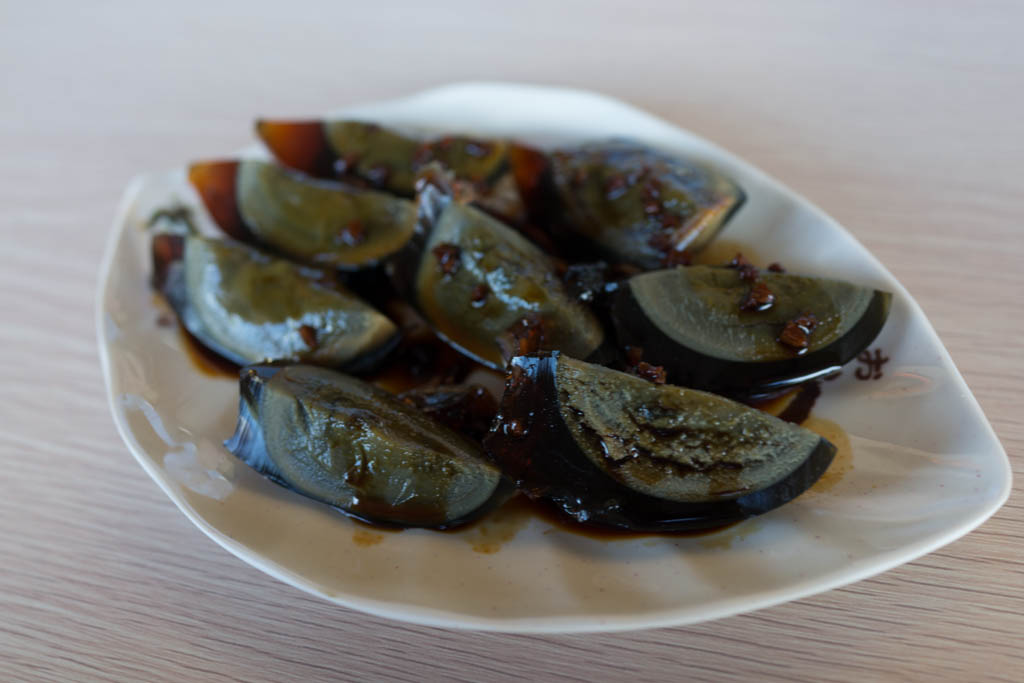
Some foods wear a health halo so bright that people stop reading the label. They sit in your kitchen looking innocent, dressed up in words like “natural,” “light,” “plant-based,” “low-fat,” or “made with real fruit.” Then you check the sugar, sodium, refined carbs, additives, or portion size, and suddenly the halo starts flickering.
A Listverse article from 2012 warned that many foods people treat as healthy can quietly work against them, especially when they are processed, salty, sugary, or stripped of fiber. The idea still holds up today. The American Heart Association recommends keeping added sugar to about 6 teaspoons per day for most women and 9 teaspoons for most men, while the CDC says Americans average more than 3,300 milligrams of sodium daily, well above the federal recommendation of less than 2,300 milligrams.
Vegetable Oils That Sound Healthier Than They Are
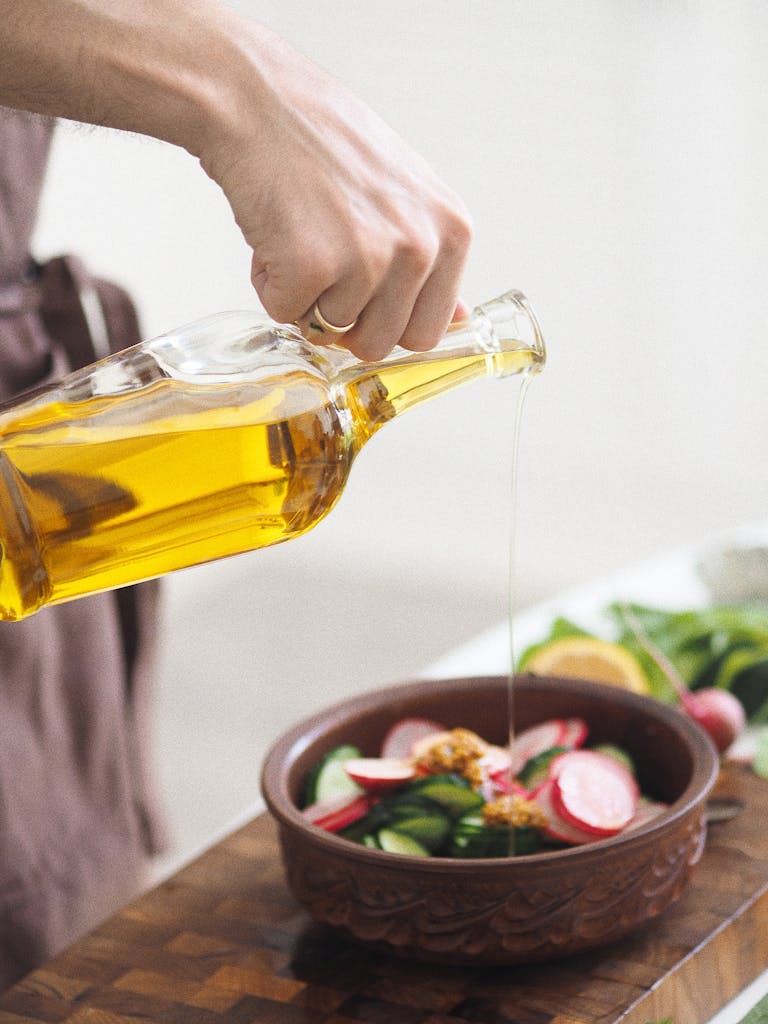
Vegetable oil sounds harmless because the word “vegetable” does a lot of emotional heavy lifting. Many people assume that anything plant-based must automatically be better than butter, lard, or animal fat. That can be misleading, especially when oils are used heavily in fried foods or when the oil is high in saturated fat, like palm oil. Listverse noted that some fast-food frying oils can appear liquid when heated but still have a less healthy fat profile.
The bigger issue is not that every vegetable oil is bad. Olive oil, canola oil, and other unsaturated oils can fit into a balanced diet. The trap lies in treating fried food as healthy just because it was cooked in plant oil. A potato fried in a heavy oil bath is still a fried potato, not a wellness breakthrough.
White Pasta That Acts Like a Refined Carb Bomb
Pasta feels comforting, filling, and almost too ordinary to be suspicious. But standard white pasta is often made from refined flour, which can mean it lacks the fiber and nutrients found in whole grains. Listverse described typical pasta as mostly white flour, water, and sometimes egg, with little fiber compared with better grain choices.
The danger comes from portion size and toppings. A reasonable serving can fit into a balanced meal, especially with vegetables, lean protein, and olive oil. A giant bowl covered in creamy sauce, salty cheese, and processed meat is a different story. Pasta is not the villain by itself, but refined pasta can become a quiet calorie and carb pileup when the plate gets too generous.
White Bread That Pretends to Be a Staple

White bread has been marketed for generations as soft, clean, and family-friendly. It makes sandwiches easy, toast fast, and lunchboxes predictable. The problem is that many white breads are made from refined grains that have lost much of the fiber and natural structure found in whole grains.
Listverse bluntly compared white bread to pasta, noting that both often rely on refined flour. That may sound harsh, but the point is fair: soft white bread can be digested quickly, leave you less full, and encourage more snacking later. Look for breads with whole grains listed clearly and enough fiber to make the slice work harder for your body.
Soup Mixes Loaded With Salt
Soup has one of the strongest reputations for health in the kitchen. People associate it with comfort, recovery, warmth, and simple ingredients. But powdered soup mixes and instant soups can be loaded with sodium, preservatives, and flavor enhancers, making them far less gentle than they look.
Listverse warned that soup mixes can contain “a lot of salt,” and modern sodium guidance makes that warning even more relevant. The CDC says most sodium comes from processed and restaurant foods, and that Americans, on average, eat more sodium than recommended. A bowl of instant soup may feel light, but it can quietly push your daily sodium number in the wrong direction.
Ketchup That Turns Tomatoes Into Sugar Sauce
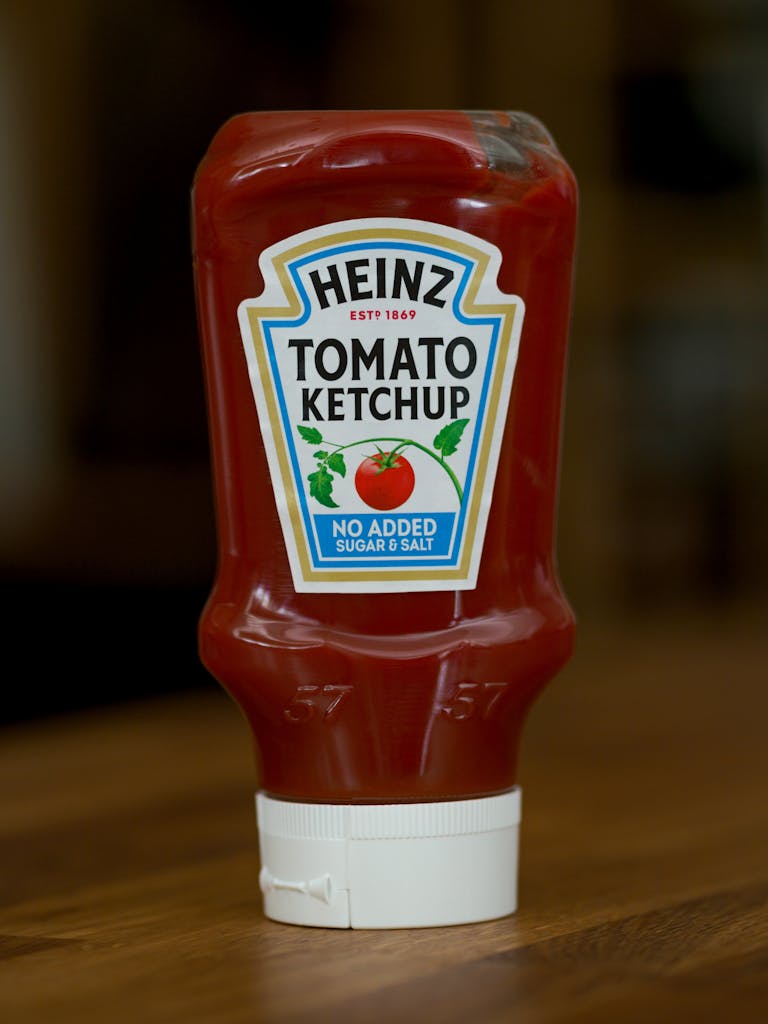
Ketchup has tomatoes, and tomatoes have lycopene, so the bottle can feel healthier than it really is. That is the trick. Ketchup is not just tomato in liquid form. It often brings added sugar and sodium along for the ride, which matters because people rarely measure it carefully.
Listverse noted that ketchup can contain a surprising amount of sugar and salt. That does not mean you need to ban it from your burger forever. It means the squeeze bottle deserves boundaries. A small amount is fine for most people, but drowning fries, eggs, burgers, and meatloaf in ketchup can add more sugar and sodium than the “tomato” image suggests.
Diet Soda That Makes “Zero Calories” Feel Too Easy
Diet soda sells one beautiful promise: sweetness without sugar. For people trying to cut calories, that sounds like a loophole. The problem is that “zero sugar” does not automatically mean “healthy.” It may help some people reduce their intake of sugary drinks, but it can also keep the craving for very sweet flavors alive.
Listverse described diet soda as controversial and noted debates around appetite and weight gain. Current health guidance still encourages people to limit added sugars, especially from drinks, because liquid sweetness can add up fast. Water, unsweetened tea, sparkling water, or black coffee are usually better daily habits than turning diet soda into a main beverage.
Processed Cheese That Melts Better Than It Nourishes
Processed cheese is almost suspiciously perfect on burgers. It melts smoothly, looks bright, and gives fast food that familiar creamy bite. But that texture often comes from processing, added sodium, emulsifiers, and a formula designed for consistency rather than nutrition.
Listverse warned that processed cheese can be high in salt, especially in fast-food-style slices. That matters because sodium accumulates quickly throughout the day. One slice may not wreck your diet, but processed cheese stacked onto burgers, sandwiches, breakfast wraps, and snack plates can turn a small indulgence into a daily habit with a salty price.
Soy Sauce That Hides a Sodium Shock

Soy sauce looks light because it is thin, dark, and usually used in small amounts. But nutritionally, it can be a sodium grenade. A few splashes can make rice, noodles, stir-fries, marinades, and sushi taste better, yet that salty punch is exactly the concern.
Listverse flagged soy sauce for its high salt content, even though it may contain some antioxidant compounds. The CDC’s sodium guidance makes this especially important for people watching their blood pressure or heart health. Low-sodium soy sauce can help, but portion control still matters because “low sodium” does not mean “no sodium.”
Salted Peanuts That Turn a Smart Snack Into a Salty Habit
Peanuts can absolutely be part of a healthy diet. They offer plant protein, fat, and minerals, and they are far more filling than many processed snacks. The problem starts when peanuts are heavily salted, honey-roasted, oil-coated, or eaten straight from a giant container without portion control.
Listverse argued that peanuts are not necessarily bad, but many snack versions come packed with salt and added fats. That is the key distinction. A small handful of unsalted peanuts can be useful. A whole bowl of salted peanuts during a movie can quietly deliver far more calories and sodium than your appetite notices.
Fruit Juice That Acts Healthier Than Soda
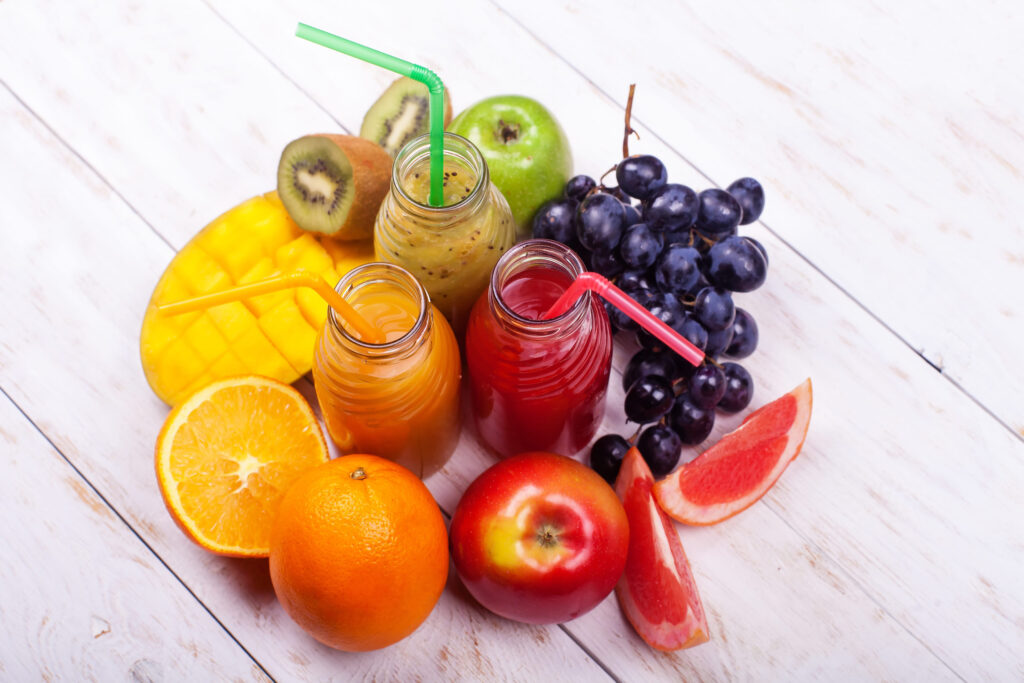
Fruit juice may be the biggest health-halo trap on this list. It comes from fruit, contains vitamins, and looks innocent beside soda. But juice often removes the fiber that makes whole fruit more filling, leaving you with a fast-drinking source of natural sugar, and sometimes added sugar too.
Listverse ranked fruit juice at number one because many people treat it as a replacement for whole fruit. That is the mistake. A whole orange makes you chew, gives you fiber, and fills you up better. A glass of orange juice can contain the sugar of several oranges and disappear in seconds. The smarter move is simple: eat the fruit more often than you drink it.
Final Thoughts
The most dangerous “healthy” foods are not always junk food in disguise. Sometimes they are ordinary pantry staples that people stop questioning. Vegetable oils, white pasta, white bread, soup mix, ketchup, diet soda, processed cheese, soy sauce, salted peanuts, and fruit juice all have one thing in common: they can look harmless until the label tells a different story.
You do not need to eat perfectly to eat better. Just watch for added sugar, sodium, refined grains, portion creep, and ultra-processed ingredients. Harvard’s Nutrition Source notes that processed foods can contribute to obesity and increased risk of chronic disease, especially when they dominate the diet. The smartest plate is not built on marketing words. It is built on whole foods, better portions, and labels you actually read.