Africa is renowned for its diverse and breathtaking wildlife, attracting nature enthusiasts and tourists from all corners of the globe. However, this rich tapestry of biodiversity is under severe threat, with numerous species facing the real possibility of extinction. Habitat destruction, poaching, and the repercussions of climate change are just a few of the factors driving the rapid decline of many of Africa’s iconic animals. From the majestic African elephant to the elusive gorilla, the plight of these endangered species demands urgent attention. This article explores the most endangered animals in Africa, the challenges they face, and the ongoing efforts to conserve them, shedding light on the critical importance of wildlife preservation on the continent.
The Elephant Crisis
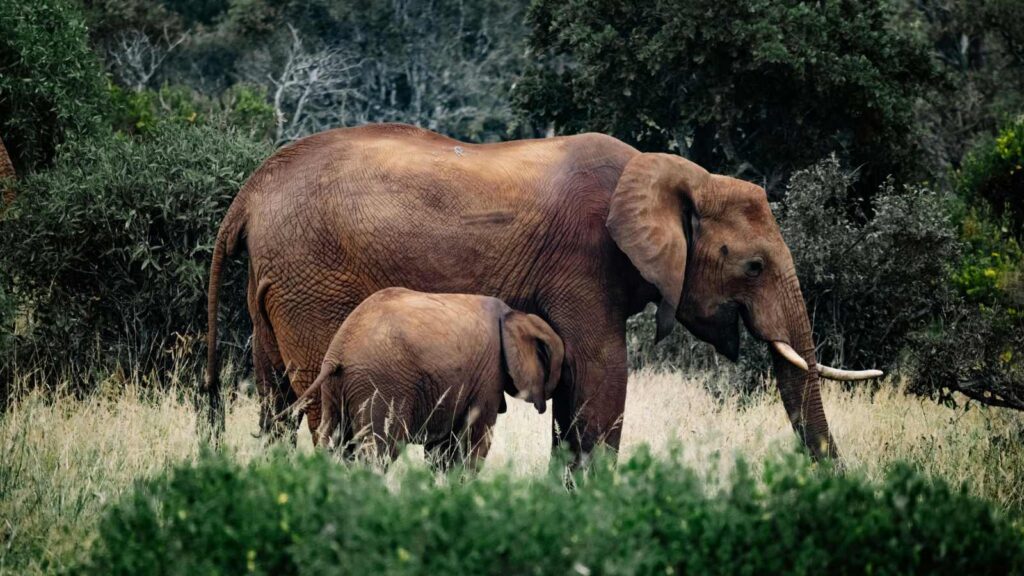
The African elephant, often considered one of the most intelligent and majestic animals on Earth, is also one of the most endangered. Once abundant across Africa, the population of these incredible creatures has declined dramatically in recent decades. Poaching for ivory has been one of the most significant drivers of this decline.
Despite global efforts to outlaw the ivory trade, illegal poaching persists, especially in areas where enforcement is weak or ineffective. Beyond poaching, the African elephant faces habitat destruction from human development, including agriculture, logging, and infrastructure expansion. In 1979, there were approximately 1.3 million elephants in Africa, but by 2019, that number had dwindled to around 415,000, a stark reflection of the ongoing crisis.
Efforts to combat this dire situation are underway, with governments and conservation organizations focusing on stricter anti-poaching laws, more robust enforcement, and the establishment of wildlife corridors to allow elephants to roam freely without the threat of human encroachment. Moreover, several African nations have increased their commitment to combating the illegal ivory trade, which remains a significant obstacle. The elephant crisis serves as a clear example of the fragile balance between human development and wildlife conservation, demanding immediate and long-term solutions to prevent the extinction of one of Africa’s most iconic species.
The Rhinos
Both the black and white rhino species are teetering on the brink of extinction, with their populations plummeting due to poaching, habitat loss, and human conflict. Black rhinos, in particular, have suffered a drastic decline of over 97% in the last five decades, leaving fewer than 5,000 individuals remaining in the wild.
The white rhino, although slightly less endangered, is still at risk. In recent years, conservation efforts have made a small but significant impact, with populations beginning to stabilize in certain protected areas. However, the threat remains high, as rhinos continue to be hunted for their horns, which are valued at astronomical prices in illegal markets.
To protect these iconic creatures, conservationists are employing a multi-faceted approach. Anti-poaching patrols have been intensified, and some rhinos have been relocated to protected sanctuaries where they are safe from poaching. Dehorning programs, where rhinos’ horns are safely removed to reduce poaching risks, have also been implemented in certain regions. Furthermore, greater attention is being paid to restoring rhino habitats, which have been significantly impacted by human encroachment. Though the path to recovery is long, these efforts offer a glimmer of hope for rhinos’ survival in Africa.
The Lion

Once known as the ruler of the African savannah, the African lion now faces a grim future, with fewer than 20,000 lions remaining in the wild. This represents a staggering 43% decline in the lion population over the past two decades. Habitat loss is one of the primary drivers behind this dramatic decrease. As human populations grow, lions are increasingly pushed out of their natural territories, leading to more frequent human-wildlife conflict.
Additionally, poaching for body parts, particularly their skin and bones, as well as trophy hunting, further contribute to the species’ decline. The lion’s status as an apex predator makes it especially vulnerable to environmental changes, and its reliance on a healthy ecosystem for survival is being jeopardized by human activities.
Several measures have been taken to protect lions and ensure their survival. Community-based conservation initiatives have been particularly successful, empowering local populations to take an active role in lion conservation. These initiatives include creating sustainable livelihoods that coexist with wildlife, reducing the likelihood of conflict between lions and humans. Additionally, national parks and reserves are being strengthened, with improved law enforcement and stricter regulations in place to combat poaching and illegal hunting. Through these concerted efforts, there is hope that the African lion will continue to roam the savannah for generations to come.
The Gorilla
Gorillas, known for their intelligence and familial bonds, are among the most endangered animals in Africa. The western lowland gorilla, in particular, is critically endangered, with fewer than 100,000 individuals remaining in the wild. Poaching, habitat destruction, and disease (such as Ebola) are major threats to gorilla populations. These great apes are highly social, and the loss of family groups due to poaching or disease can devastate entire populations. The western lowland gorilla’s habitat is being rapidly eroded by logging, mining, and agricultural expansion, further exacerbating the situation.
Conservation efforts for gorillas have focused on increasing the number of protected areas, enforcing anti-poaching measures, and raising awareness about the importance of gorilla conservation. Eco-tourism has played a significant role in funding these efforts, as tourists are drawn to see these incredible creatures in their natural habitat. Gorilla sanctuaries, such as those in Rwanda and Uganda, have proven successful in safeguarding populations. These sanctuaries provide a safe haven for gorillas while also educating local communities about the species’ plight and encouraging sustainable livelihoods. While the future of gorillas remains uncertain, ongoing conservation initiatives offer hope for their survival.
The Cheetah
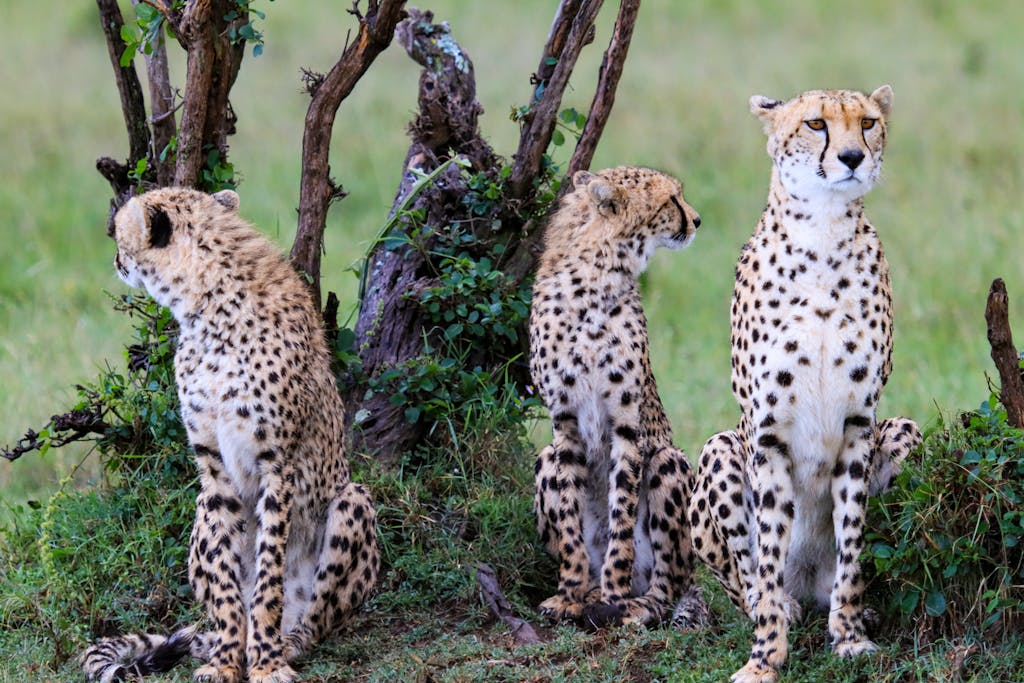
Cheetahs are renowned for their speed, but this remarkable ability is not enough to protect them from extinction. Despite being the fastest land animal, the cheetah faces numerous threats that have caused its population to dwindle by over 50% in the past three decades. With only around 7,100 individuals remaining, the cheetah is classified as vulnerable. Habitat loss, human-wildlife conflict, and poaching are the primary drivers of the cheetah’s decline. Additionally, the species faces a genetic bottleneck, making it more susceptible to disease and environmental changes.
Conservation strategies aimed at saving the cheetah focus on preserving large tracts of land to allow the species to roam freely. Furthermore, efforts to mitigate human-wildlife conflict have included the use of predator-proof enclosures and compensation programs for farmers who lose livestock to cheetahs. One of the most promising approaches is the conservation farming initiative, which encourages farmers to adopt practices that benefit both their livestock and local wildlife, including cheetahs. Through these innovative methods, there is hope that the cheetah population can be stabilized and even increased in the coming years.
The Giraffe

Although the giraffe is one of Africa’s most iconic animals, it is quietly facing an extinction crisis. Three of the nine giraffe subspecies are endangered, and the Masai giraffe population has dropped by 50% over the past 30 years. Habitat destruction and fragmentation are the main factors contributing to the giraffe’s decline, as they are being pushed out of areas that were once their natural habitat. Giraffes also face the threat of poaching, though it is less widespread than that affecting other species like elephants and rhinos.
Conservation efforts for giraffes have focused on habitat preservation and restoration. This includes working with local communities to reduce human-wildlife conflict and promote sustainable land management practices. Giraffe monitoring programs have also been established, helping track population numbers and identify areas requiring protection. With these efforts in place, there is optimism that giraffes will continue to thrive in Africa’s savannas and grasslands.
Conclusion
The most endangered animals in Africa represent a sobering reminder of the challenges facing wildlife conservation on the continent. From elephants and rhinos to lions and giraffes, these iconic species are at risk of disappearing forever unless immediate action is taken. The key to their survival lies in strengthening conservation efforts, reducing human-wildlife conflict, and ensuring that these animals have the protection and space they need to thrive.
While the situation remains dire, the collective efforts of governments, conservation organizations, and local communities provide hope that Africa’s endangered species can be saved. With continued investment and a commitment to sustainable practices, there is still time to ensure that these majestic creatures remain a part of Africa’s wildlife legacy for generations to come.