It’s an uncomfortable reality: in many areas of life, attractive women receive preferential treatment, whether in workplaces, social settings, or even casual interactions. While society often praises this as a “beauty advantage,” the reality is far more damaging, fostering inequality, resentment, and distorted social dynamics. Being treated better for looks alone isn’t just unfair to others; it also imposes pressures and expectations on the women themselves that can impact mental health, self-perception, and professional credibility.
This article explores seven brutal truths about how attractive women are treated differently, exposing structural and social mechanisms that benefit them unfairly while creating real-world consequences for everyone involved.
Attractive Women Often Receive Better Opportunities at Work

Studies show that women deemed “pretty” are more likely to be hired, promoted, or receive favorable evaluations compared to equally qualified peers.
This preferential treatment reinforces a superficial standard of merit, where appearance can outweigh skill or experience. While this may seem beneficial, it fosters workplace inequality and resentment among colleagues. It often increases scrutiny on the attractive women themselves.
People Are More Lenient About Their Mistakes
Attractive women often benefit from implicit forgiveness when errors occur, a phenomenon psychologists call the “halo effect.” Managers, peers, or even strangers are more likely to excuse missteps, giving a safety net not available to less conventionally attractive individuals. Over time, this can distort accountability norms and create inequitable expectations.
Social Interactions Are Skewed
In everyday interactions, attractive women frequently receive more attention, help, or deference from strangers than colleagues seeking favor do. While this might seem like a “perk,” it can also place a disproportionate burden on women to manage expectations, maintain appearances, and navigate unwanted attention. Social privilege in this form often comes with emotional labor that goes unrecognized.
Attractive Women Face Unequal Scrutiny

Ironically, the same advantage can turn into intense pressure. Attractive women are often judged more harshly in performance, behavior, or lifestyle choices because of higher expectations or jealousy from others.
This duality, better treatment in some contexts and heightened scrutiny in others, creates a complex dynamic that many underestimate when thinking about “beauty privilege.”
Perceived Authority Is Linked to Appearance
Research shows that physically attractive women are more likely to be perceived as confident or persuasive, even without additional credentials.
While this can open doors socially or professionally, it can also obscure actual skill assessment, leading to situations where competence is overestimated or misjudged. Those who rely on appearance rather than merit may face challenges when skills are truly tested.
The Beauty Advantage Reinforces Inequality
This preference for attractive women reinforces social hierarchies, perpetuating a culture where looks matter more than talent or effort. It marginalizes women who are competent, talented, and hardworking but do not conform to conventional beauty standards, creating inequity in opportunities, income, and influence.
Emotional and Psychological Costs Are High
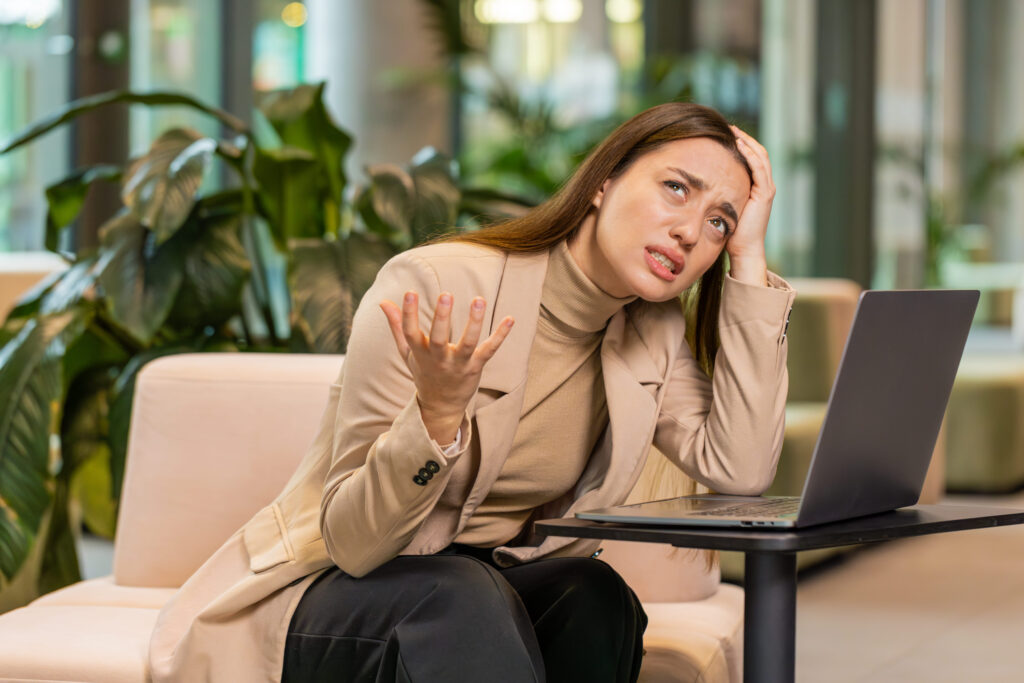
The benefits of being attractive come with hidden costs: constant evaluation, social comparison, unwanted attention, and pressure to maintain appearances. Over time, this can lead to stress, anxiety, and self-consciousness, making what seems like a privilege a mixed burden that affects well-being, self-esteem, and interpersonal relationships.
Conclusion: Beauty Privilege Isn’t Free. It Creates Complex Problems
Being attractive can open doors, ease social interactions, and provide advantages in professional and personal contexts. However, these advantages are not universally positive: they reinforce inequality, intensify scrutiny, and impose psychological burdens on those who benefit from the bias. Understanding these seven brutal truths helps unpack the complexity of beauty privilege. It highlights why societal reliance on appearance as a measure of value is both unfair and damaging.
Privilege based on appearance isn’t just an advantage; it shapes dynamics that are unequal, stressful, and often invisible to those who benefit. Recognizing these patterns is the first step toward a more equitable and self-aware society.