Central Florida residents are approaching hurricane season with routines that leave them dangerously exposed. Despite annual warnings, many households continue to underestimate the intensity and frequency of storms. These missteps not only jeopardize property and finances but also threaten lives. As meteorologists predict above-average storm activity for this year, understanding the most critical mistakes and how to address them is essential.
The risks extend beyond coastal areas. Central Florida’s inland communities face severe flooding, wind damage, and power outages that can disrupt daily life for days. Awareness, preparation, and proactive planning separate those who weather hurricanes safely from those who experience preventable devastation.
Neglecting to Update Emergency Plans
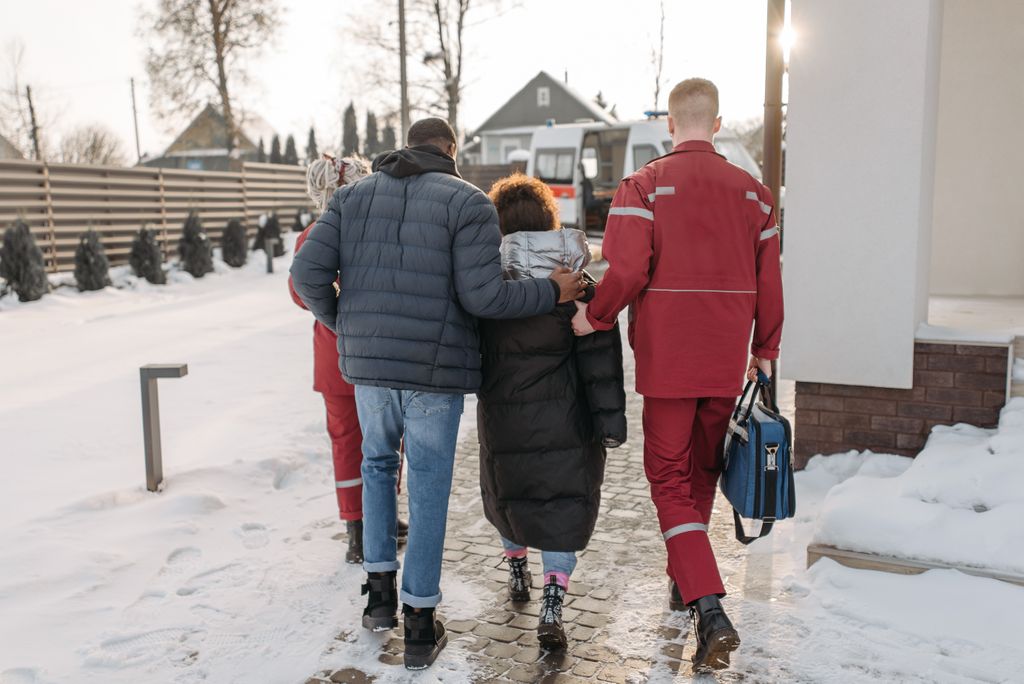
One of the most common and dangerous mistakes is failing to revise family emergency plans annually. Households often rely on outdated evacuation routes, contact lists, or local shelter information, leaving gaps in communication and safety protocols. Children, elderly relatives, and pets may be unaccounted for, complicating evacuation efforts during rapidly escalating situations.
Emergency plans should include multiple exit routes, designated meeting points, and contingency arrangements for extended power outages or blocked roads. Updating these plans ensures that families can respond efficiently, even if usual routes or shelters are unavailable. Central Floridians who ignore these updates increase their risk of delays, confusion, and exposure during high-stress storm events.
Delaying Evacuation Decisions
Another critical error is waiting too long to evacuate. Officials often provide advance notice of evacuation orders, but some residents delay due to traffic concerns, perceived storm strength, or personal inconvenience. Delayed evacuations increase exposure to flooded roads, high winds, and emergency congestion.
Planning ahead includes identifying multiple evacuation routes, coordinating with neighbors, and accounting for pets or mobility challenges. Leaving too late often means limited shelter availability, hazardous driving conditions, and prolonged exposure to storm risks. Prompt compliance with evacuation notices can prevent injuries and ensure timely access to safe zones.
Underestimating Storm Severity
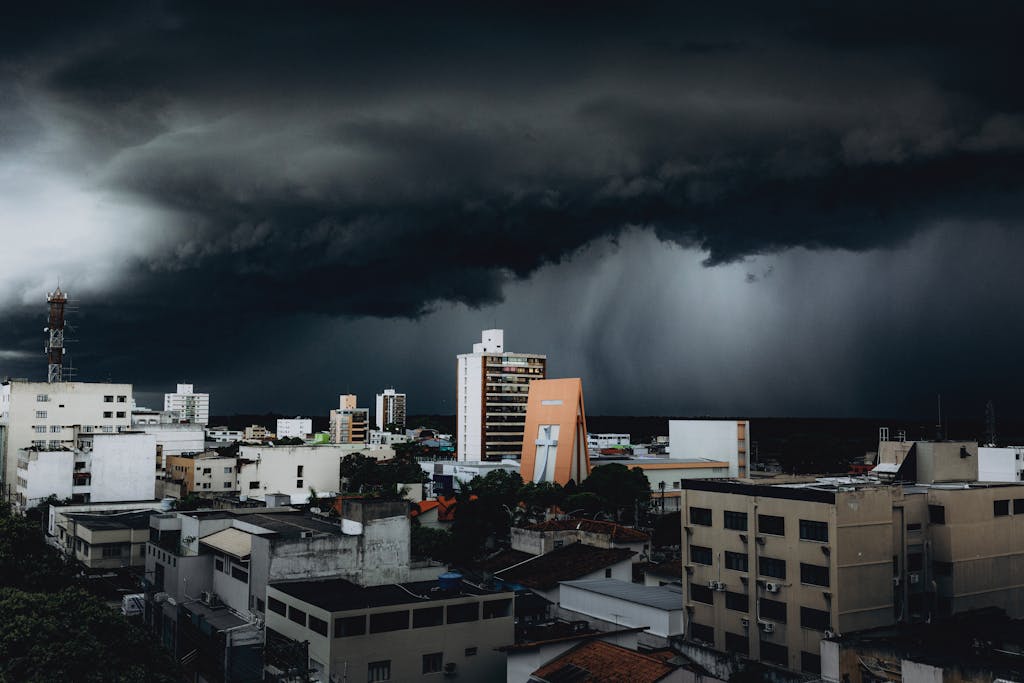
Many residents still underestimate the impact a Category 1 or Category 2 hurricane can have on inland areas. Strong winds, flash floods, and tornadoes spawned from tropical storms can damage homes, vehicles, and infrastructure far from the coast. Overconfidence in local geography or historical patterns can lead to inadequate preparation.
Failing to reinforce windows, secure loose outdoor items, and elevate valuables can transform a manageable storm into a catastrophic event. Insurance coverage often does not account for all types of inland damage, leaving families financially vulnerable. Underestimating a storm’s severity directly increases the risk of property loss, injuries, and long-term recovery challenges.
Ignoring Flood Risk Maps and Zoning Information
Central Florida’s topography varies significantly, with low-lying areas particularly susceptible to flooding. Many residents ignore updated flood zone maps and municipal risk assessments, assuming past storms are a reliable guide. Urban development and drainage changes can quickly alter flood patterns, creating new vulnerabilities.
Ignoring zoning and flood risk data can result in placing essential items in basements, garages, or low-lying rooms. Floodwaters can damage electrical systems, vehicles, and irreplaceable personal property. Being unaware of these risks undermines even the best-laid hurricane plans, leaving families to face preventable hazards when storms strike.
Failing to Stock Adequate Supplies
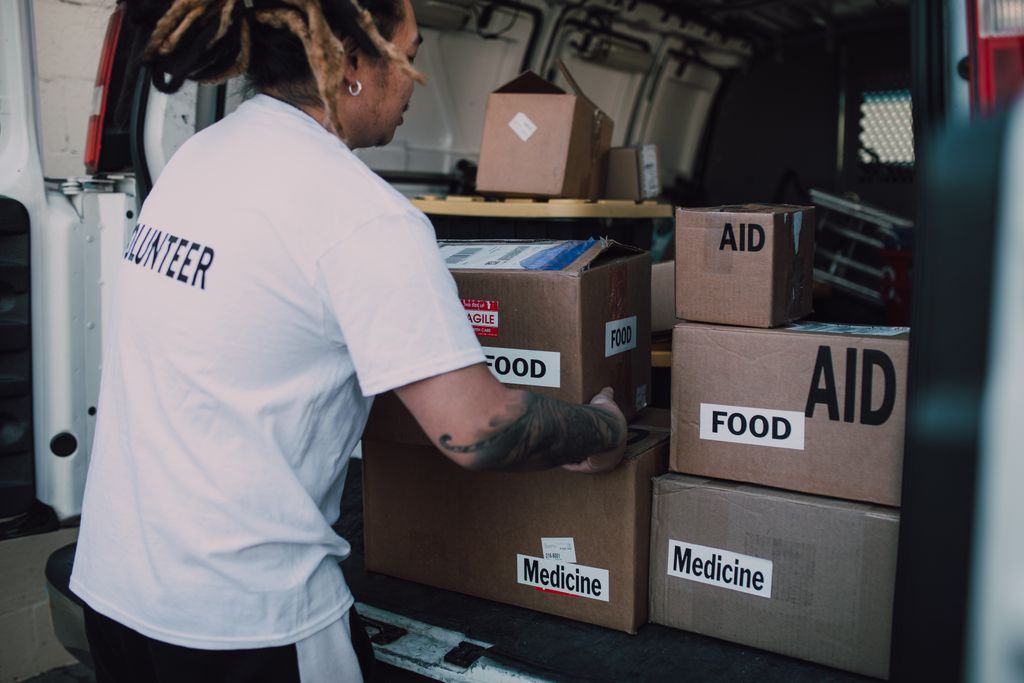
A widespread mistake involves insufficient preparation of emergency supplies. Residents often maintain minimal water, nonperishable food, or medical provisions, assuming outages will be brief. This leaves households vulnerable to extended blackouts, hazardous conditions, and a lack of access to essential services.
Stockpiling essentials should cover at least 72 hours, with additional reserves for longer disruptions. Batteries, flashlights, first aid kits, prescription medications, and fuel for generators are critical. Ignoring supply needs can force residents to leave unsafe areas during storms or risk dehydration, illness, and injury. Central Floridians who underprepare compound the challenges faced by first responders during peak emergency periods.
Neglecting Home Maintenance and Reinforcement
Central Floridians frequently overlook critical home reinforcement, such as securing roof tiles, trimming trees, and fortifying garage doors. Even minor structural weaknesses can result in significant damage from high winds or flying debris. Older homes and mobile units are especially vulnerable without proactive reinforcement measures.
Regular maintenance, installation of storm shutters, and elevation of sensitive electrical equipment can dramatically reduce property loss. Neglecting these preventive steps amplifies risks during hurricanes, leading to costly repairs, insurance disputes, and potential safety hazards for residents.
Overlooking Insurance Coverage Gaps

Many homeowners assume standard policies fully cover hurricane-related damage, but gaps exist, particularly in flood insurance, windstorm riders, and replacement cost coverage. Without reviewing policies annually, families may discover significant out-of-pocket expenses after a storm.
Insurance review should include verifying limits, deductibles, and coverage for personal property and temporary relocation. Failure to address gaps can hinder recovery, create financial stress, and delay rebuilding efforts. Proactive policy evaluation is a crucial step that Central Floridians often neglect, leaving them exposed to preventable financial harm during storms.
Conclusion
The 2026 hurricane season presents a serious threat to Central Florida communities. Neglecting updated emergency plans, underestimating storm severity, ignoring flood risks, failing to stock supplies, delaying evacuation, neglecting home maintenance, and overlooking insurance coverage all constitute dangerous mistakes.
Residents must recognize these vulnerabilities and take proactive steps to mitigate risks. Strategic planning, thorough preparation, and adherence to official guidance can safeguard lives, property, and long-term resilience during what promises to be a challenging hurricane season.