Every traveler knows that history is not just about dates and events; it’s about experiencing the spaces and structures where these moments unfolded.
From the rugged ruins of ancient empires to monuments of innovation and culture, historical sites offer more than just a glimpse into the past. They provide an opportunity to step into another time, feel the weight of history, and come to understand the forces that shaped civilizations.
This curated list of historical landmarks is more than a must-see checklist; these sites have the power to transform our understanding of the world and our place in it. Whether you’re a seasoned traveler or a history enthusiast, these locations are essential destinations for exploring and understanding humanity’s enduring legacies.
The Pyramids at Giza, Egypt
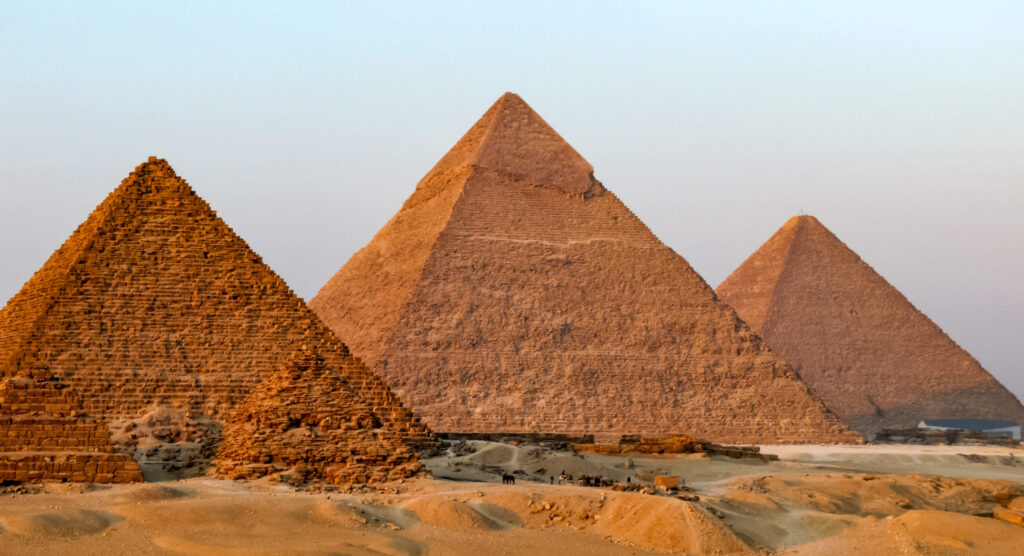
No list of historical sites would be complete without the Pyramids of Giza. These iconic monuments to the power of ancient Egypt are not just architectural feats; they are mysteries wrapped in sand and stone.
Standing tall for over 4,500 years, the Great Pyramid of Khufu was, for nearly 4,000 years, the tallest man-made structure in the world. The precision of the construction is astounding, considering the tools available to builders at the time.
But the Pyramids offer more than just their size. They are a symbol of the power and spiritual beliefs of a society that revered the pharaohs as gods. The complex includes not only the pyramids themselves but also intricate burial chambers, grand causeways, and the famous Great Sphinx, which watches over the desert sands. Visiting Giza isn’t just about admiring monumental stones; it’s about contemplating the human drive for immortality and the effort required to achieve such an extraordinary legacy.
The Colosseum, Rome, Italy
The Colosseum in Rome stands as a testament to the grandeur and brutal reality of the Roman Empire. Built in the first century AD, this amphitheater could seat 80,000 spectators and was the center of Roman entertainment, where gladiators fought for survival, wild animals were unleashed, and naval battles were reenacted in floods of water. Today, this iconic structure is not only a symbol of ancient Roman engineering but also a place where visitors can walk through history.
With its towering arches and intricate underground chambers, the Colosseum is a living relic of an era defined by power, spectacle, and military might. Visiting this landmark offers a rare chance to understand the Romans’ obsession with glory and public life. The building’s ruins still evoke the energy of the ancient games that once enthralled audiences, as well as the political implications of the events staged there.
Petra, Jordan
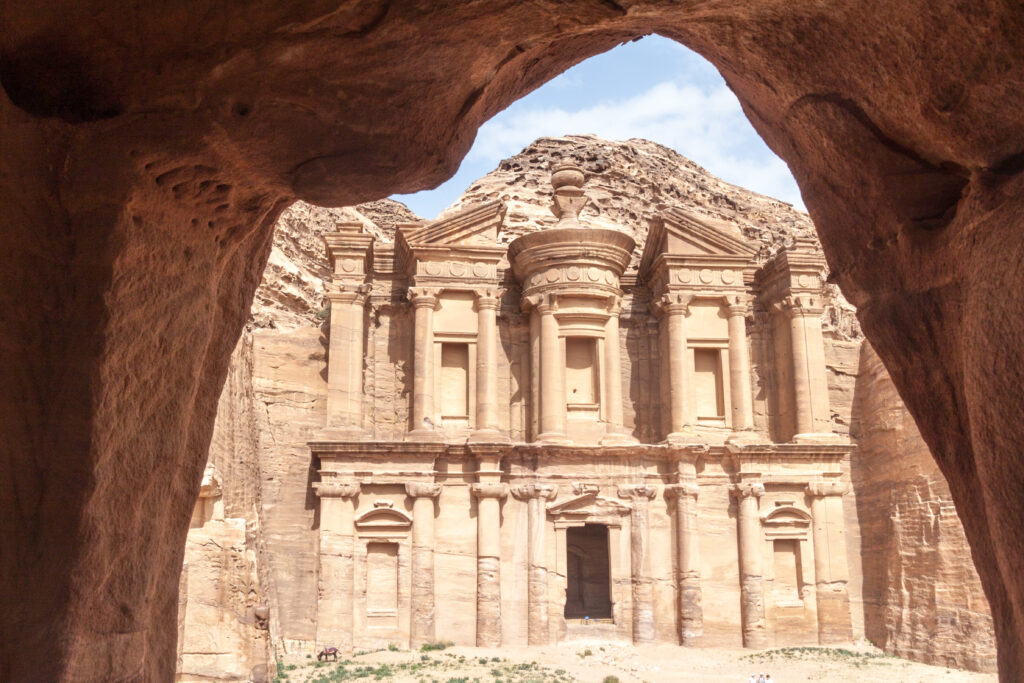
Nestled within the dramatic sandstone cliffs of Jordan, Petra is often called the “Rose City” for the pink hues of its rock-carved architecture. But there’s much more to Petra than its striking appearance.
This ancient city, built by the Nabateans around the 4th century BCE, was once a bustling trade hub connecting the Arabian Peninsula, Egypt, and Syria. Its architectural wonders, including the famous Treasury (Al-Khazneh), are carved into the rock, blending seamlessly with the natural landscape.
But Petra’s significance goes beyond its physical beauty. It is a symbol of human ingenuity, showing how the Nabateans mastered desert survival through water management systems, advanced engineering, and a deep understanding of their environment. Walking through Petra is like stepping into a time machine that takes you back to an ancient world where trade and culture thrived in the harshest conditions.
Machu Picchu, Peru
Machu Picchu is one of the New Seven Wonders of the World, and with good reason. This Incan citadel, perched high in the Andes Mountains, offers breathtaking views and a rich history that dates back to the 15th century.
What makes Machu Picchu so captivating is its mystery: why did the Incas build such a remote city, and why did they abandon it so abruptly? These questions remain unanswered, but the site’s sophisticated architecture and advanced engineering speak volumes about the Incas’ understanding of nature and construction.
Machu Picchu’s terraces, temples, and royal residences are a tribute to the Incan Empire’s ingenuity, and the surrounding landscape adds to the site’s enchantment. Whether you approach it through the Inca Trail or take the scenic train ride from Cusco, visiting Machu Picchu is an immersive journey into the past, and a chance to experience the grandeur of a lost civilization.
The Great Wall of China
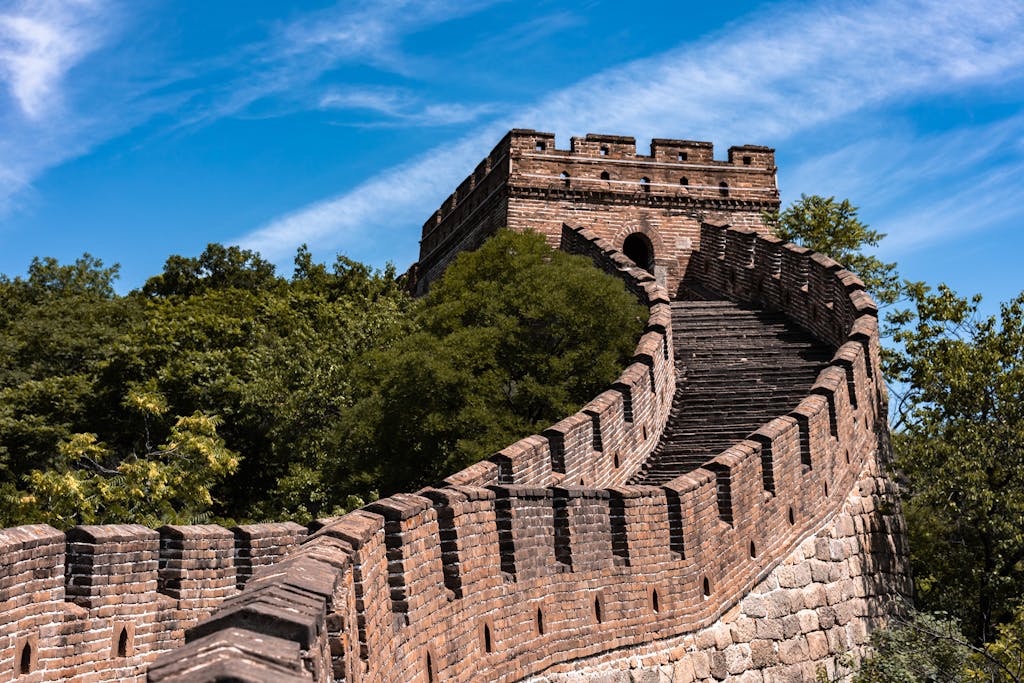
Stretching more than 13,000 miles across China, the Great Wall is an awe-inspiring feat of human engineering. Originally built to defend against nomadic invasions, the Wall became a symbol of China’s perseverance and strategic vision.
While it is commonly thought of as a single structure, the Great Wall is actually a network of walls, watchtowers, and fortifications built over many centuries, each part offering a different glimpse into China’s long history of defense and empire-building.
Walking along the Wall, visitors are struck by its scale and the rugged landscapes it traverses. Some sections have been beautifully restored, while others remain wild and unkempt, offering a more adventurous experience. The Great Wall tells the story of China’s resilience in the face of challenges n enduring symbol of how architecture can serve both practical and symbolic purposes.
The Forbidden City, Beijing, China
The Forbidden City in Beijing is one of the most awe-inspiring royal palaces in the world. With nearly 1,000 buildings spread across 180 acres, this sprawling complex was once the center of imperial China, housing 24 emperors from the Ming and Qing dynasties. Its intricate architecture, vibrant colors, and ceremonial spaces reflect the grandeur and power of the Chinese emperors, and the city’s layout, with its strict spatial hierarchy, symbolizes the emperor’s absolute authority.
What makes the Forbidden City so captivating is how it intertwines the sacred with the imperial. Walking through its courtyards and halls, visitors get a sense of the power, ritual, and drama that defined China’s imperial era. The city is a living museum, housing thousands of priceless artifacts that tell the story of China’s long and storied history.
Sukhothai, Thailand
Often overlooked in favor of more well-known Asian landmarks, Sukhothai offers a peaceful escape into Thailand’s historical roots. This ancient city, which served as the capital of the Sukhothai Kingdom from the 13th to the 14th centuries, is known for its beautiful ruins, which include temples, statues, and inscriptions. The architectural style developed here would go on to influence Thai culture for centuries.
Sukhothai is not just a collection of ruins, but a living testament to the roots of Thai civilization. It was here that King Ramkhamhaeng introduced the Thai alphabet, marking a pivotal moment in the nation’s cultural history. The serene surroundings and the majestic ruins make Sukhothai an ideal place to reflect on the roots of Thai culture and its enduring legacy.
Easter Island, Chile
Easter Island, or Rapa Nui, is one of the most mysterious places on Earth. Famous for its moai statues, which are scattered across the island, Easter Island represents the creativity and resilience of the Polynesian people who settled there.
But the island’s history is not just about statues; it’s about the rise and fall of a society that mastered monumental sculpture, only to face environmental and cultural collapse.
Visiting Easter Island is like stepping into an enigma, where every moai tells a story of a people who left behind one of the most impressive artistic legacies in history. The island’s landscapes, from its volcanic craters to its lush grasslands, make it an ideal destination for adventurous travelers. Easter Island teaches us the importance of sustainability and the power of art in shaping cultural identity.
Ellis Island, New York Harbor, United States
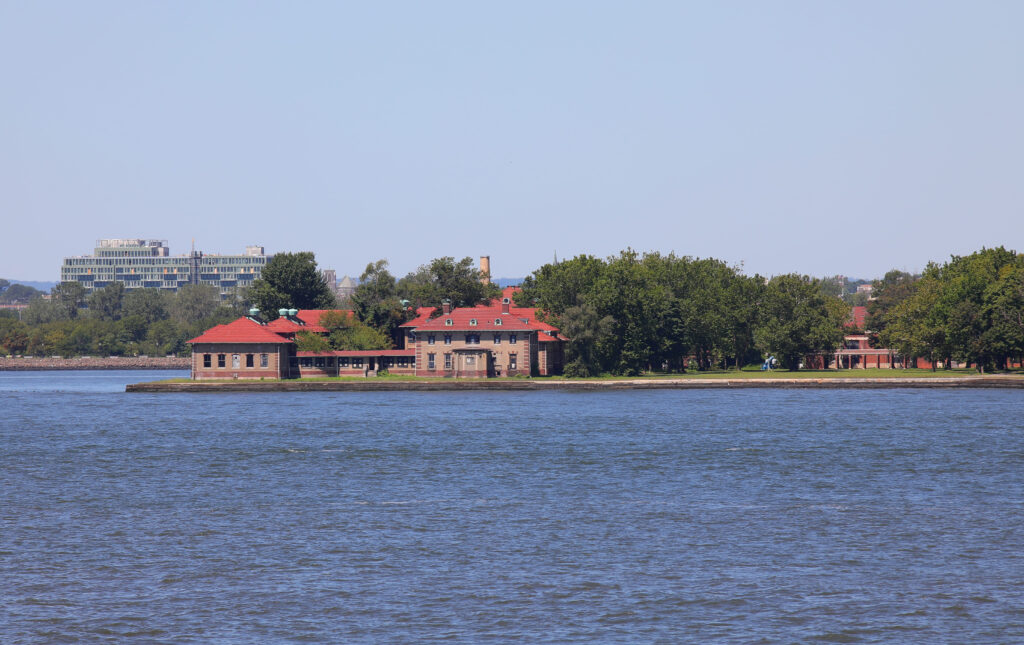
Ellis Island is not just a historical site; it is the story of the American immigrant experience. From 1892 to 1954, more than 12 million immigrants passed through its gates, seeking a better life in the United States. Today, Ellis Island stands as a memorial to the hopes, dreams, and struggles of these early immigrants.
The museum on the island preserves its stories, allowing visitors to connect with the past in a deeply personal way. Walking through the Great Hall, visitors can imagine what it must have been like for those who stood in line, awaiting inspection and hoping for a new life. Ellis Island is more than a monument; it is a reminder of the sacrifices immigrants made to build a nation.