Petunias look easy, and that is part of the trap. They spill beautifully from hanging baskets, brighten porch containers, and make garden beds look cheerful without asking for much attention. Then one week passes, the flowers fade, the stems stretch, and the whole plant starts looking tired before summer has even hit its stride.
The good news is that petunias usually do not need complicated care. The bad news is that small deadheading mistakes can quietly ruin the show. If you want fuller plants, cleaner flowers, and a longer bloom season, these are the mistakes worth avoiding.
Pulling off only the faded petals
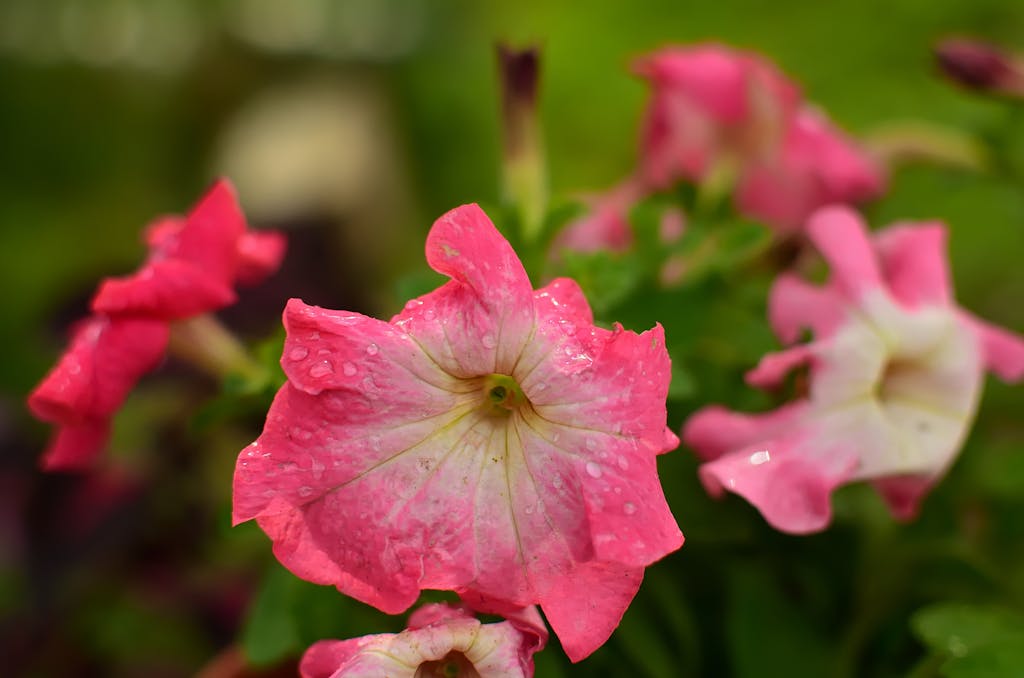
This is one of the most common petunia deadheading mistakes. Many gardeners see wilted petals, pinch them away, and assume the job is done. The problem is that the seed pod may still be sitting behind the flower.
When that happens, the plant can keep sending energy into seed production rather than into fresh blooms. Proper deadheading means removing the entire spent flower, including the base where the bloom connects to the small stem. A quick pinch with your thumb and forefinger is usually enough. The goal is not just to make the plant look cleaner, but to redirect its energy back into flowering.
Waiting until the whole plant looks messy
Petunias respond better to regular care than emergency cleanup. If you wait until the plant is covered in brown, limp, sticky flowers, the job becomes slower, and the plant may already be shifting energy away from blooming. A few minutes of attention every few days can make a big difference.
Look over your petunias when you water them or pass by the container. Remove flowers that look collapsed, dry, or faded. This keeps the plant tidy and encourages steady new growth. Deadheading petunias should feel like a small routine, not a major weekend rescue mission.
Ignoring leggy stems
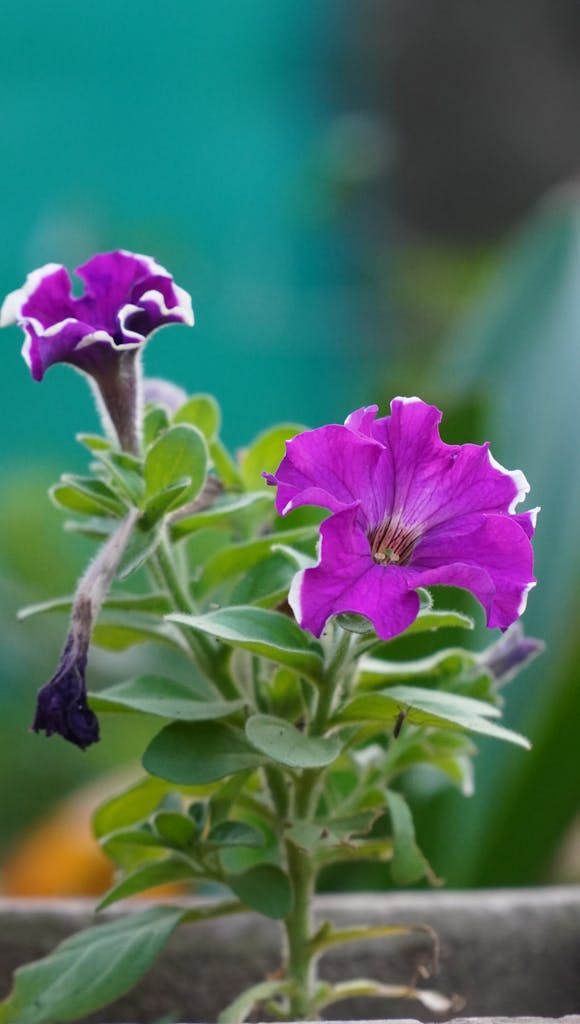
Deadheading helps flowers, but it does not always fix stretched-out stems on its own. Petunias can become leggy when their stems grow long, thin, and sparse. You may still see blooms at the ends, but the plant loses that full, rounded look gardeners love.
When this happens, light pruning is needed. Trim back the long stems to a healthy set of leaves or a stronger main stem. Do not cut the whole plant down at once. A gentle trim helps the petunia branch out and look fuller again. This is especially useful for hanging baskets and containers, where thin growth becomes obvious quickly.
Cutting back too much at once
Pruning can help petunias recover, but heavy cutting can stress the plant if you go too far. Some gardeners see a tired plant and chop it back harshly, hoping for a fast reset. That can leave the plant looking bare and struggling, especially during hot weather.
A safer approach is to remove no more than about one-third of the plant at a time. Focus on the worst stems first, especially the long, straggly ones with fewer leaves and flowers. This gives the plant a chance to recover without losing too much growth at once. After a stronger trim, give the plant steady water and a little fertilizer to help it return to blooming.
Treating all petunias exactly the same
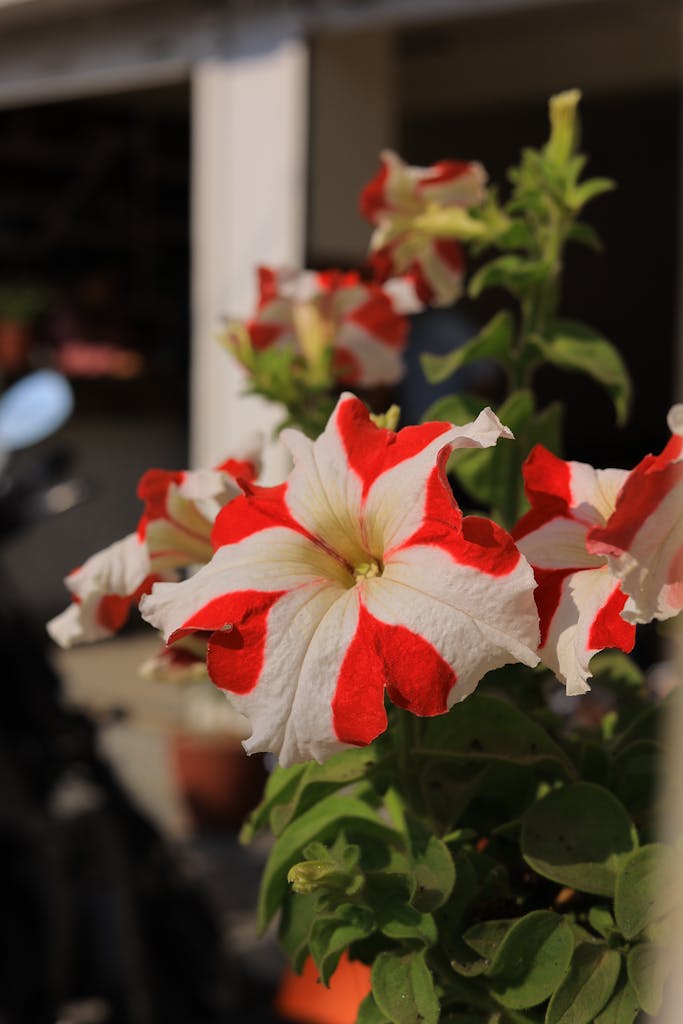
Not every petunia needs the same level of deadheading. Some newer varieties are self-cleaning, meaning they naturally shed many of their spent flowers. These types still benefit from occasional tidying, but they may not need the same close attention as older varieties.
Traditional petunias usually need more hands-on deadheading to stay fresh and full. If you are not sure what type you have, watch how the plant behaves. If old flowers cling to the plant and seed pods remain, you need to step in more often. If the plant drops blooms cleanly and continues to flower, lighter maintenance may be enough.
Forgetting to check hidden blooms
Petunias can hide spent flowers under fresh growth, especially in thick hanging baskets. From a distance, the plant may look colorful, but old blooms may be tucked inside the foliage. Those hidden flowers can still form seed pods, making the plant look untidy over time.
Gently lift the stems and check inside the plant. Look under trailing sections and around the center where flowers may have collapsed. This small step helps you catch faded blooms before they pile up. It also gives you a chance to spot yellow leaves, dry soil, or stems that need trimming.
Deadheading without supporting the plant afterward
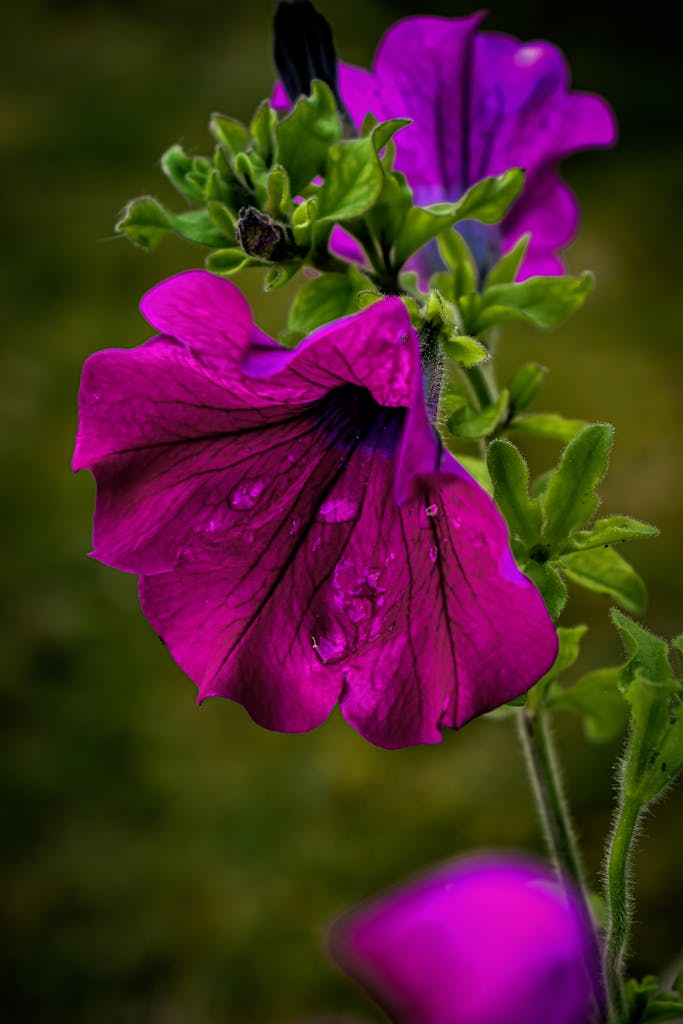
Deadheading is helpful, but it works best as part of an overall petunia care routine. If the plant is thirsty, underfed, or stuck in poor light, removing old blooms alone will not create a lush display. Petunias need enough sun, consistent moisture, and nutrients to keep producing flowers.
After regular deadheading or light pruning, check the soil. Containers and hanging baskets dry out faster than garden beds, especially in summer heat. A balanced feeding routine can also help petunias bounce back after trimming. Think of deadheading as the cleanup step, then water, light, and feeding as the fuel that keeps the flower show going.
Conclusion
Deadheading petunias is simple, but doing it carelessly can limit your blooms. Remove the fully spent flower, check your plants often, and trim leggy stems before they take over. With a steady routine, petunias can stay fuller, neater, and more colorful through the warm months.
The biggest mistake is treating deadheading like a one-time chore. Petunias reward small, regular attention. Give them that, and they can keep looking bright long after neglected plants have started to fade.