Every home has a funny way of testing your confidence. One minute, you are calmly enjoying your day, and the next, a toilet refuses to flush, a chair starts wobbling like it has secrets, or the bathroom fan begins making a noise that belongs in a horror movie. That is when the quick fix starts calling your name.
The problem is that quick fixes can be sneaky. They feel smart because they save time in the moment, but some only hide the real issue long enough for it to grow teeth. A small repair can become an expensive headache when you force the wrong part, cover the wrong smell, or ignore the warning signs your home is clearly giving you.
Forcing a Toilet Handle Until Something Snaps

A stubborn toilet handle can make anyone lose patience. You press it once, nothing happens, so you press again with more attitude. Then comes the jiggle, the slap, the harder push, and the silent hope that the toilet will suddenly remember its job.
That little fight may feel harmless, but forcing the handle can strain the parts inside the tank. The chain may stretch, the handle arm may bend, or the flapper may stop sealing properly. Before long, you are no longer dealing with a weak flush. You are dealing with a toilet that wastes water, runs too long, or refuses to flush at the worst possible time.
The smarter fix starts inside the tank. Lift the lid and check the chain, flapper, and handle arm before using force. Sometimes the chain is too loose, sometimes it is tangled, and sometimes the flapper has worn out. A simple adjustment or cheap part can solve the problem without turning the handle into a victim.
Spraying Air Freshener Over a Smelly Washer
A smelly washing machine feels unfair. It is supposed to clean your clothes, not smell like damp towels left in a gym bag. That is why many people grab scented products, pour in extra detergent, or toss in fragrance boosters to make the problem disappear.
The smell may fade for one load, but the real problem is still sitting inside the machine. Moisture, detergent residue, lint, and grime can collect around the drum, gasket, and dispenser. Adding more scent does not remove that buildup. It can even feed the mess by leaving behind more residue.
Front-load washers are especially guilty because their rubber gaskets trap moisture easily. The better habit is simple but powerful. Remove wet clothes quickly, leave the door open after washing, wipe the gasket, and run a proper cleaning cycle. Your washer needs cleaning, airflow, and less product overload, not a perfume bath.
Replacing a Doorbell Before Checking the Basics
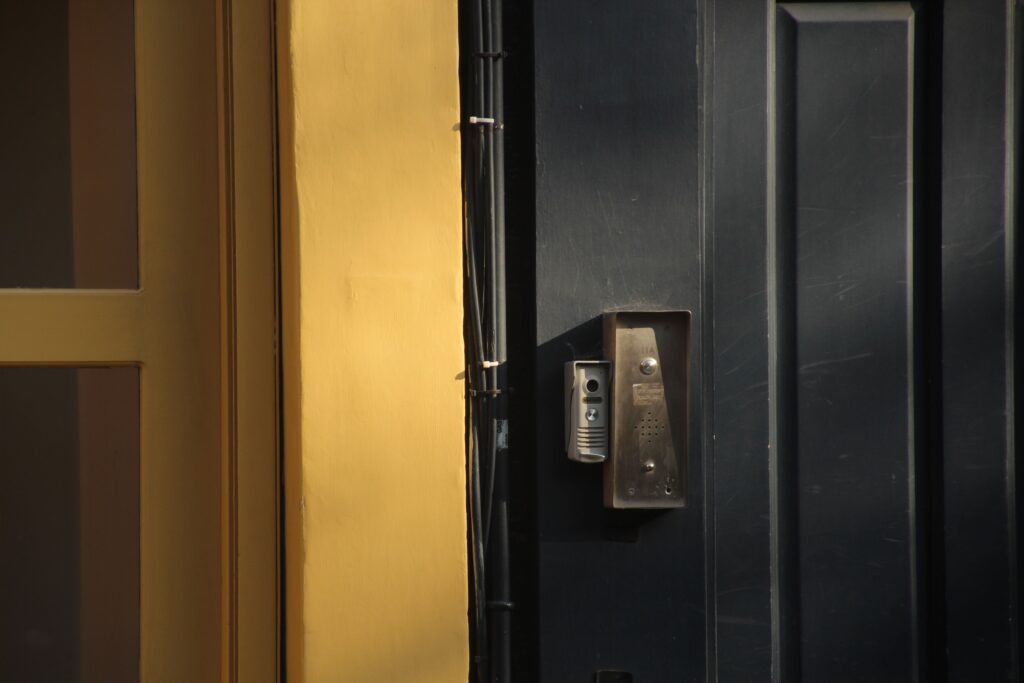
A dead doorbell can make a home feel oddly unfinished. Someone presses the button, nothing happens, and suddenly the whole system looks guilty. Many homeowners rush to replace the doorbell unit when the issue may be much simpler.
Sometimes the button is worn out. Sometimes the batteries are weak. Sometimes a wire is loose, or the chime box is the actual problem. Replacing the visible part first may feel productive, but it can waste money and leave you confused when the new doorbell still refuses to ring.
Start with the simple checks before buying anything dramatic. Inspect the button, check batteries if it uses them, and look for obvious loose parts. If the problem points to wiring or power, do not turn the repair into a guessing game. That is when calling a professional is smarter than poking around and creating a safety issue.
Ignoring a Bathroom Fan That Sounds Angry
A noisy bathroom fan is easy to ignore because it usually still works. It rattles, hums, groans, or buzzes, but steam still leaves the room, so you convince yourself it is fine. That sound is your bathroom politely begging for attention before moisture starts causing bigger trouble.
Noise can come from dust buildup, loose parts, worn bearings, or a fan motor struggling harder than it should. If the fan moves air poorly, moisture lingers after showers. That can lead to musty smells, peeling paint, mildew, and a bathroom that feels damp long after everyone has left.
The quick fix is not pretending the noise is normal. Turn off the power, clean the cover, remove dust from safe reachable areas, and check whether the fan is still moving air properly. If it continues grinding or barely pulls moisture out, the fan may need repair or replacement. Silence is nice, but proper ventilation matters more.
Using Lemon Peels to Hide Garbage Disposal Odor

The lemon peel trick feels satisfying because it gives instant results. You drop peels into the garbage disposal, switch it on, and the kitchen smells bright and fresh. For a few minutes, it feels like you won the battle.
The problem is that lemon scent can hide odor without removing the buildup that caused it. Old food can sit under the splash guard, cling to the chamber, or collect in the drain area. Once the citrus smell fades, the odor returns with the confidence of someone who never left.
A garbage disposal needs actual cleaning, not just fragrance. Flush it with cold water, clean the splash guard if your model allows it, and avoid sending grease, fibrous scraps, coffee grounds, and large food chunks down the drain. Lemon can freshen the smell after cleaning, but it should never be the whole plan.
Drowning Squeaky Hinges in the Wrong Product
A squeaky door can make a peaceful home sound dramatic. Every open and close announces itself like a stage entrance. The fastest fix is usually to grab the nearest slippery product and spray the hinge until the noise gives up.
That may briefly quiet the hinge, but the wrong product can attract dust and grime. Over time, sticky buildup can make the hinge dirtier, heavier, and noisier. A squeak is often simple, but messy shortcuts can turn it into a repeated annoyance.
Clean the hinge area first, then use a proper lubricant sparingly. Check the screws, too, because a loose hinge can cause the door to sag or scrape the frame. If the door still squeaks or rubs after lubrication, the issue may be alignment. In that case, spraying more product only makes the door look shiny while the real problem keeps laughing.
Gluing a Wobbly Chair Without Fixing the Joint
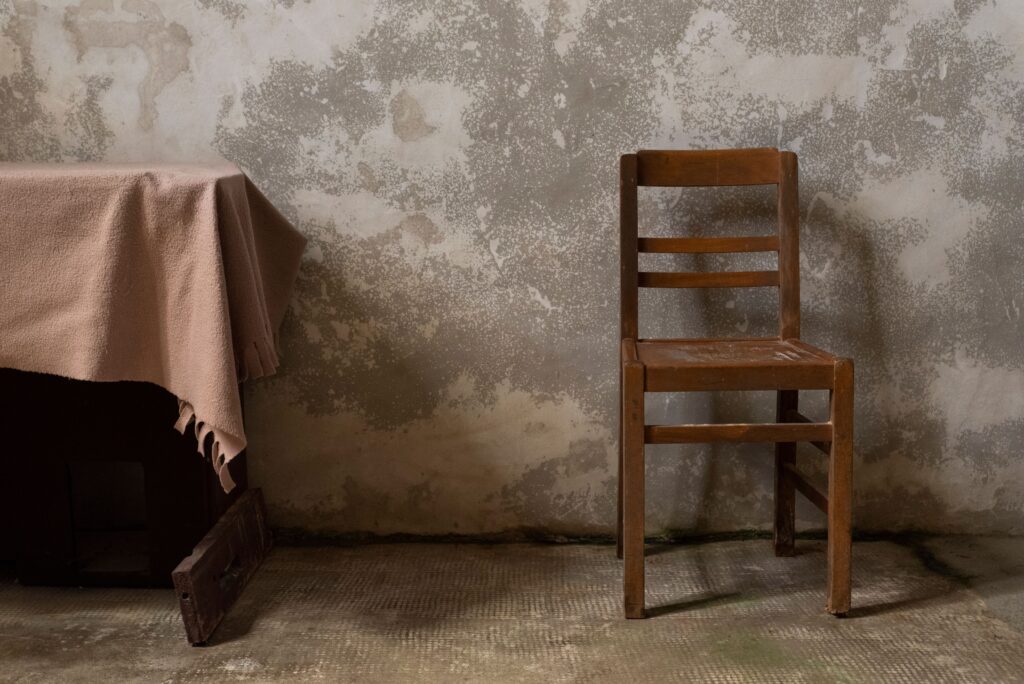
A wobbly chair always gives a warning before it becomes embarrassing. It creaks when someone sits, shifts under pressure, or rocks just enough to make everyone suspicious. The quick fix is to squeeze glue into the loose joint and hope the chair decides to behave.
That shortcut often fails because strong glue needs a clean, tight surface. Old glue, dust, and worn wood fibers can block a proper bond. If the joint is loose and dirty, new glue may mask the problem rather than fix it.
A better repair takes more patience. The loose joint should be cleaned, fitted properly, glued, clamped, and left to cure. That sounds less exciting than a quick squeeze from a bottle, but it creates a stronger hold. A chair should not look repaired while secretly waiting for the n