Food shopping used to feel simple. You grabbed eggs, tossed salad greens into the cart, picked up deli meat for sandwiches, added fruit for the week, and moved on with your day. Now, every few weeks, another recall headline seems to land with a thud. Cucumbers. Delicatessens. Bagged salads. Frozen fruit. Flour. The ordinary grocery run suddenly feels like a quiet inspection mission.
That does not mean we should panic every time we open the fridge. Most food in American grocery stores is safe, and basic kitchen habits still go a long way. The real issue is awareness. Some foods carry more risk because they are eaten raw, handled many times before reaching us, stored cold for long periods, or exposed to contamination in fields, factories, deli counters, or kitchens.
The riskiest foods are not always the strangest ones. Often, they are the familiar staples we trust without thinking. A lettuce leaf can look crisp and clean while still carrying bacteria. Flour can look harmless even though it is a raw agricultural product. Deli meat can sit neatly sliced behind a glass case while creating real concern for older adults, pregnant people, and anyone with a weakened immune system.
This list is not a “never eat this again” warning. It is a smarter shopping and cooking guide. These are the foods that deserve a second look, cleaner handling, better storage, and a little less blind trust.
Raw eggs and unpasteurized dairy
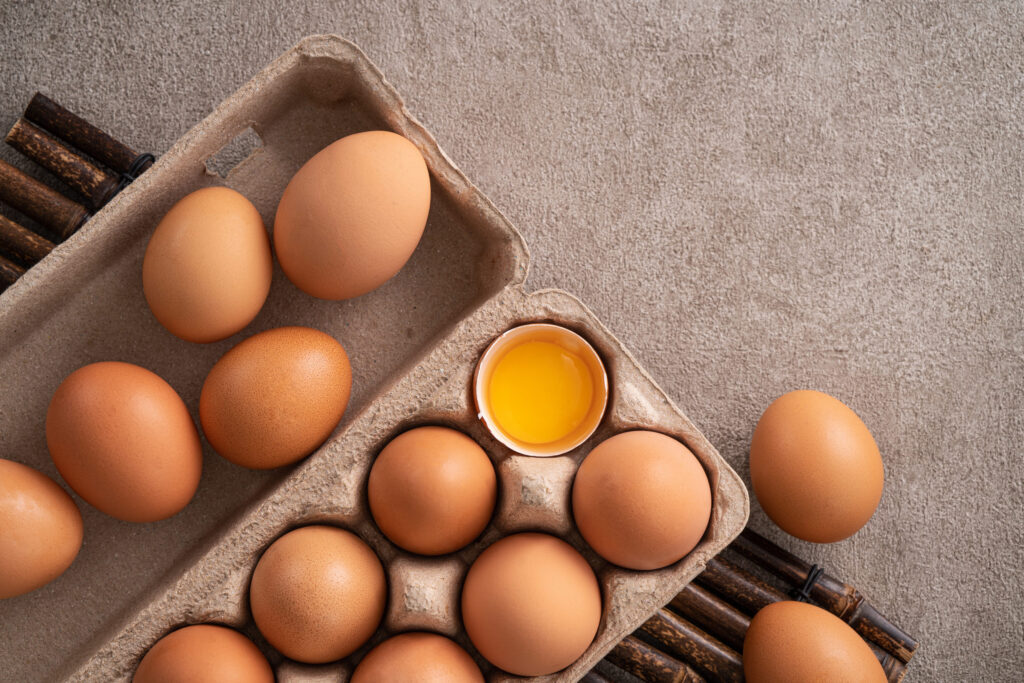
Eggs and dairy are central to many kitchens, but they can pose risks when eaten raw, undercooked, or unpasteurized. Raw eggs may show up in homemade cookie dough, Caesar dressing, hollandaise sauce, mousse, eggnog, or soft scrambled eggs that never fully set. Unpasteurized milk and raw milk cheeses raise another concern because pasteurization exists for a reason: it kills harmful germs that can make people seriously sick.
The tricky part is that risky eggs and dairy products rarely announce themselves. They may look fresh, smell normal, and taste fine. That is why food safety depends less on instinct and more on handling. Buy eggs from refrigerated cases, keep them cold at home, cook them until both yolk and white are firm when needed, and use pasteurized eggs for recipes that call for raw or lightly cooked eggs.
With dairy, choose pasteurized milk, yogurt, and cheeses, especially for children, pregnant people, older adults, and people with weakened immune systems. Fancy labels and farm-style packaging can make raw dairy feel wholesome, but natural does not automatically mean safe. In food safety, the most charming product is still only as safe as the process behind it.
Raw poultry, pork, beef, and other uncooked meats
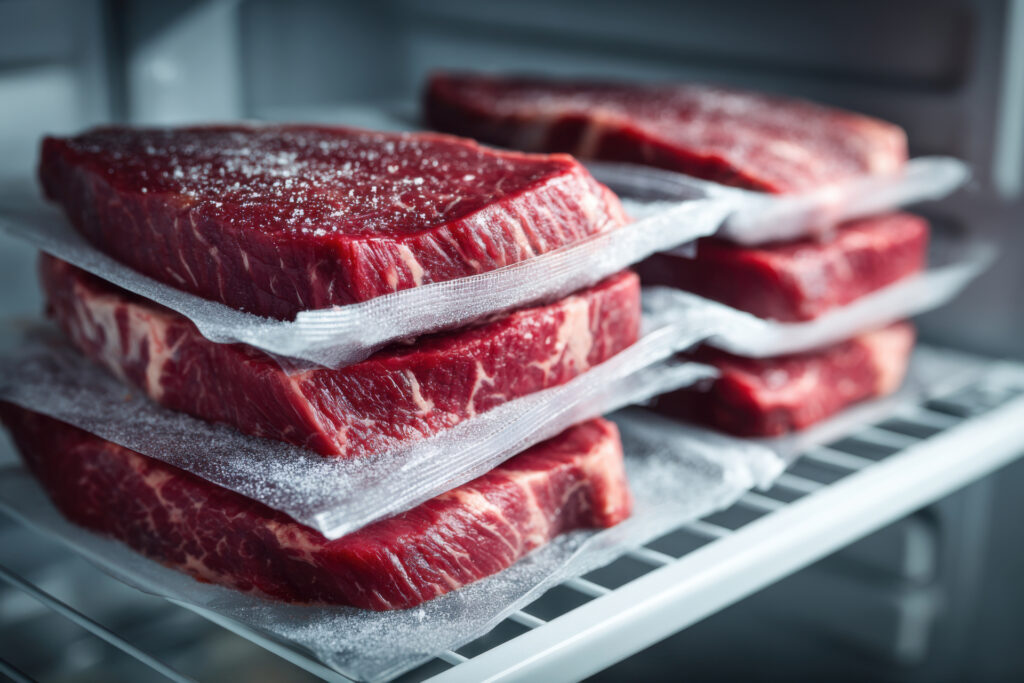
Raw meat is one of the most obvious food safety risks, yet it still causes trouble because people underestimate cross-contamination. Chicken juice on a cutting board, raw burger patties handled before touching seasoning jars, or a leaky meat package sitting above lettuce in the refrigerator can turn dinner prep into a germ-spreading event. The problem often starts before the food even reaches the pan.
Poultry needs special caution because raw chicken can carry harmful bacteria that cooking must fully destroy. Pork and beef also require careful handling, especially ground meat, since bacteria can be mixed throughout during processing. A steak’s surface can be seared, but ground beef needs thorough cooking because the inside is no longer protected in the same way.
The safest habit is to treat raw meat like a contained hazard. Keep it separate in the cart, bag it at checkout, store it on the bottom shelf of the refrigerator, and use separate cutting boards for meat and ready-to-eat foods. Wash hands, knives, counters, and plates after contact with raw juices. A beautiful meal can turn dangerous when raw meat is given casual treatment before cooking.
Deli meats and processed meats
Deli meat feels convenient, familiar, and ready to eat, which is exactly why it deserves caution. Unlike raw chicken or ground beef, deli turkey, ham, salami, roast beef, and bologna are often eaten straight from the package or counter paper. That means there may be no final cooking step at home to kill germs before the food reaches your sandwich.
The deli counter also creates many opportunities for contamination. Slicers, gloves, counters, storage trays, and shared surfaces must be cleaned correctly and often. If bacteria such as Listeria enter that environment, they can be especially stubborn because Listeria can survive in cold conditions better than many people realize. That makes deli meat more concerning for pregnant people, older adults, and anyone with a weakened immune system.
Safer choices start with buying only what you will use quickly. Keep deli meats refrigerated, check sell-by dates, and avoid packages that look swollen, slimy, or poorly sealed. High-risk groups should heat deli meats until steaming before eating. It may not feel as convenient as a cold sandwich, but it is a simple step that can dramatically lower risk.
Leafy greens and bagged salads
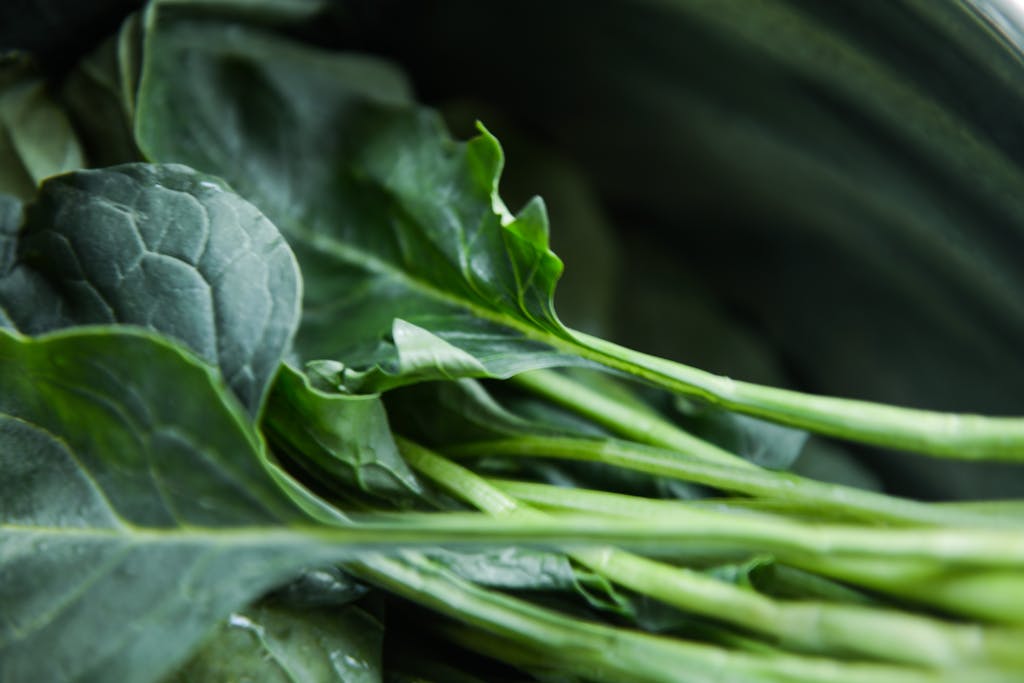
Leafy greens have a health halo, and they deserve much of it. Spinach, romaine, kale, arugula, spring mix, and lettuce can be packed with nutrients. The problem is that they are often eaten raw, grown close to the soil, exposed to irrigation water, handled during harvesting, moved through processing facilities, and sometimes sealed in plastic bags where moisture can help bacteria survive.
Bagged salads are especially complicated. They may be labeled pre-washed or triple-washed, which sounds reassuring, but it does not make them invincible. Once the greens are cut, washed, mixed, packaged, transported, and stored, every step adds the risk that something will go wrong. Washing at home can remove dirt and some surface contamination, but it cannot reliably erase a serious outbreak risk once bacteria are present.
That does not mean we should abandon salads. It means we should buy greens from reputable sources, keep them cold, use them quickly, and avoid bags that are swollen, wet, slimy, or past their date. People at higher risk may choose cooked greens more often, since heat adds protection. A salad should feel fresh and crisp, not like a gamble pulled from the back of the fridge.
Cucumbers and other water-heavy raw vegetables
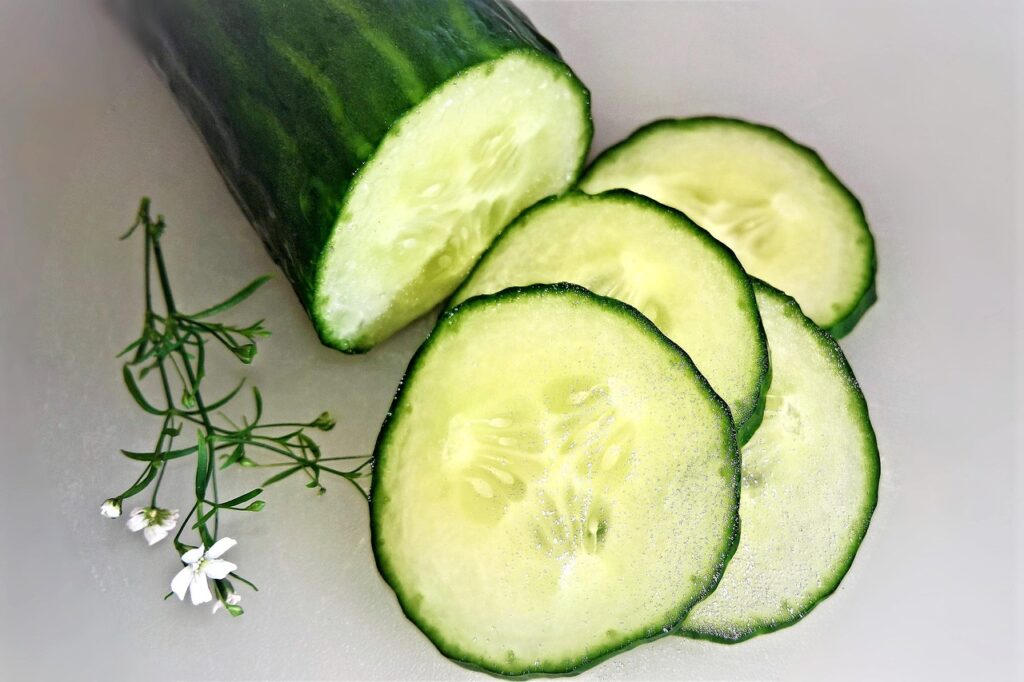
Cucumbers look clean, cool, and innocent. They are mostly water, often eaten raw, and regularly used in salads, sandwiches, salsas, sushi, and snack plates. That combination makes them refreshing, but it also makes them a food safety concern when contamination enters the supply chain. If the outside of a cucumber carries germs, slicing can transfer them to the flesh.
Water-heavy vegetables can be vulnerable because they are commonly eaten without cooking. Cucumbers, tomatoes, peppers, and similar produce often travel through multiple hands before reaching the kitchen. A dirty knife, unwashed cutting board, or contaminated sink can create additional risk after purchase. The danger is rarely visible, which is why the washing and prep routine matters.
Wash whole cucumbers under running water before cutting, even if you plan to peel them. Use a clean knife and cutting board and refrigerate the cut cucumber promptly. Avoid using produce that feels slimy, smells sour or has soft spots that look suspicious. Raw vegetables are still worth eating, but they deserve the same respect we give more obviously risky foods.
Flour and raw dough
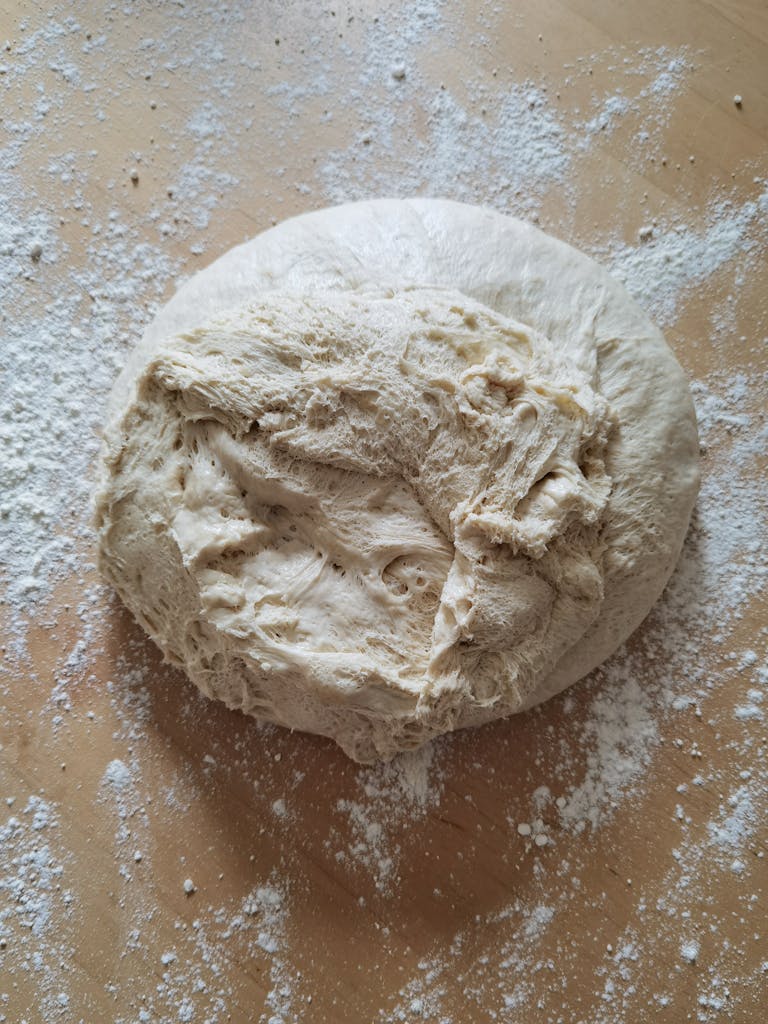
Flour fools people because it looks dry, soft, and harmless. It does not look like raw chicken. It does not smell risky. It sits quietly in a paper bag in the pantry, waiting for pancakes, cookies, cakes, biscuits, and bread. Yet flour is a raw agricultural product, and raw flour can carry germs before it is baked, fried, or cooked.
That is why raw cookie dough is more than a playful guilty pleasure. The risk does not come only from raw eggs. Raw flour can also be contaminated, and tasting batter before baking gives those germs a direct invitation. Children are especially likely to touch raw dough, lick fingers, or handle flour during crafts, which makes cleanup and handwashing important.
The safer rule is simple: do not eat raw dough or batter unless it is specifically made with heat-treated flour and safe ingredients. Bake, cook, or heat flour-based recipes until fully cooked. After handling flour, wash your hands, counters, bowls, and utensils. Flour belongs in the “raw food” category in our minds, even if it does not look like one.
Seafood and shellfish
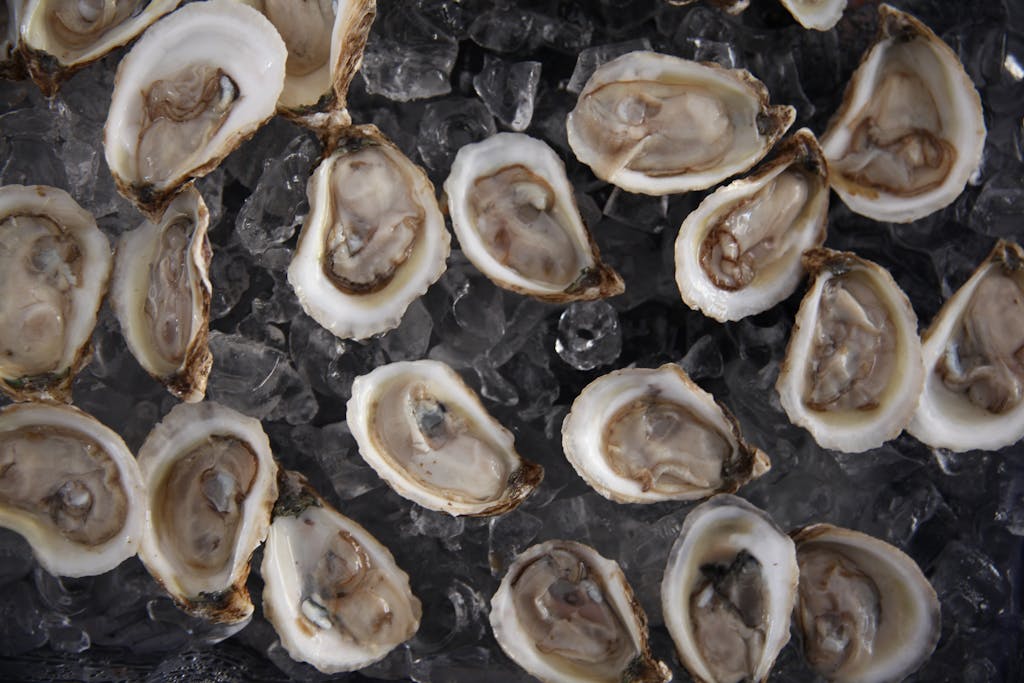
Seafood can be one of the most delicious foods on the table, but it is also among the least forgiving when handled poorly. Fish and shellfish need careful temperature control from the catch to the counter to the kitchen. If that cold chain breaks, quality drops quickly, and safety concerns rise. Smoked fish, raw oysters, sushi, shrimp, crab, and ready-to-eat seafood products deserve extra attention.
Shellfish pose particular concern because they filter water, so their safety depends heavily on where they were harvested. Raw oysters may be prized by seafood lovers, but they can carry bacteria that are especially dangerous for people with liver disease, weakened immune systems, or certain chronic conditions. Even cooked seafood can become risky if stored too long or cross-contaminated after cooking.
Buy seafood from sellers who can answer basic questions about freshness and sourcing. It should smell clean and mild, not sour, ammonia-like, or aggressively fishy. Keep it cold, cook it properly, and avoid letting cooked seafood sit out during parties, picnics, or buffet-style meals. Seafood rewards care. It punishes neglect quickly.
Onions and pantry vegetables

Onions feel sturdy. They sit in mesh bags, last for weeks, and seem far removed from the fragile world of bagged lettuce or seafood. That durability can make recalls more alarming because people may not remember when they bought them, where they came from, or which bag they used. Onions can also end up raw in burgers, salads, salsas, sandwiches, relishes, and restaurant meals.
The danger with onions is not everyday use. It is traceability and raw consumption during contamination events. A recalled onion may already be chopped and placed in a container, mixed into guacamole, scattered over tacos, or cooked into a dish before anyone hears the warning. Once produce moves through restaurants, meal kits, and prepared foods, the source can become harder for shoppers to track.
Store onions in a cool, dry place away from raw meat and moisture. Discard onions that are moldy, mushy, leaking, or foul-smelling. Wash hands and surfaces after peeling and chopping. During active recall, check labels, lot numbers, and purchase locations instead of guessing. Pantry vegetables may seem low-maintenance, but they are not immune to food safety problems.
Fruit products, cut fruit, and frozen fruit.

Fruit feels like the safest thing in the cart, but certain fruit products carry hidden risks. Whole fruit with intact skin is generally easier to manage, but cut, frozen, fruit cups, dried, freeze-dried, and juice-packed products undergo more handling and processing. Every added step creates another place where contamination, labeling errors, or quality failures can occur.
Cut melon requires particular caution because the rind can harbor germs that can spread when sliced. Once fruit is cut, it needs to be refrigerated. Leaving fruit trays out for hours at a party may look harmless, but warm rooms and juicy surfaces can create ideal conditions for bacteria to grow. Frozen fruit can also be risky if it is used straight in smoothies without cooking during a recall or contamination issue.
The safest approach is to wash whole fruit before cutting, refrigerate cut fruit, follow package instructions, and pay attention to recall notices for frozen and processed fruit products. Throw away fruit that smells fermented, looks moldy, or has leaking packaging. Fruit should be bright, clean, and refreshing. If it has become questionable, it does not deserve a second chance.
The safest way to shop when recall headlines keep coming
Food safety starts before the kitchen. At the store, check dates, packaging, temperature, and recall news when a product category is in the headlines. Avoid dented cans with deep seams, swollen packages, torn seals, leaking meat trays, warm refrigerated foods, or frozen items with heavy ice crystals that suggest thawing and refreezing.
Separate raw meat, poultry, seafood, and eggs from ready-to-eat foods in the cart. Use produce bags and meat bags as barriers, not decorations. Pick up cold and frozen foods near the end of the shopping trip, then get them home quickly. A slow grocery run followed by errands in a hot car can undo good choices in a hurry.
At home, make the refrigerator work for you. Keep it cold, clean up spills quickly, and store raw meat on the lowest shelf so juices do not drip onto other foods. Label leftovers with dates if your household tends to forget them. The safest kitchen is not the fanciest kitchen. It is the one where people pay attention.
What to do if a food recall affects something in your kitchen
The worst response to a recall is guessing. Do not sniff the food and assume it is fine. Many dangerous germs do not change the smell, taste, or appearance of food. Instead, check the brand, size, lot number, best-by date, and store location listed in the recall notice. If the product matches, do not eat it.
Place the recalled food in a sealed bag before throwing it away, especially if children, pets, or other household members might come into contact with it. Clean refrigerator shelves, drawers, containers, counters, and utensils that may have come into contact with the product. Wash your hands thoroughly afterward. If the recall notice instructs you to return the product, follow those instructions.
Anyone who develops severe symptoms after eating a recalled or suspicious food should seek medical advice. Warning signs can include high fever, bloody diarrhea, repeated vomiting, dehydration, confusion, severe abdominal pain, or symptoms affecting a pregnant person, infant, older adult, or immunocompromised person. Food poisoning is often temporary, but it should never be brushed off when symptoms become serious.
Conclusion
The scariest foods are not always exotic, expensive, or strange. Sometimes they are the sandwich meat, salad greens, cucumbers, flour, onions, fruit, eggs, and seafood sitting quietly in an ordinary kitchen. That is what makes food safety feel unsettling. Risk often hides inside routine.
Still, caution is not the same as fear. We do not need to stop eating fresh food, cooking at home, or trusting every grocery item. We need sharper habits. Wash what needs washing. Cook what needs cooking. Separate raw foods from ready-to-eat foods. Keep cold foods cold. Check recall alerts when headlines mention products you buy.
A safe kitchen is built through small, repeated choices. The goal is not to make food feel frightening. The goal is to make confide