Power rarely wears a crown. While presidents, kings, and prime ministers dominate history books, the truth is far more complicated. Many of the people who truly shaped countries did so through relationships, access, or understanding how power works, often without holding office or appearing in official portraits. Their influence is less visible but equally impactful.
These shadow figures reveal that behind the grand chair, strategic relationships and subtle mechanics of governance shape history, sparking curiosity about unseen influence.
Cardinal Richelieu Controlled France From Behind the Throne
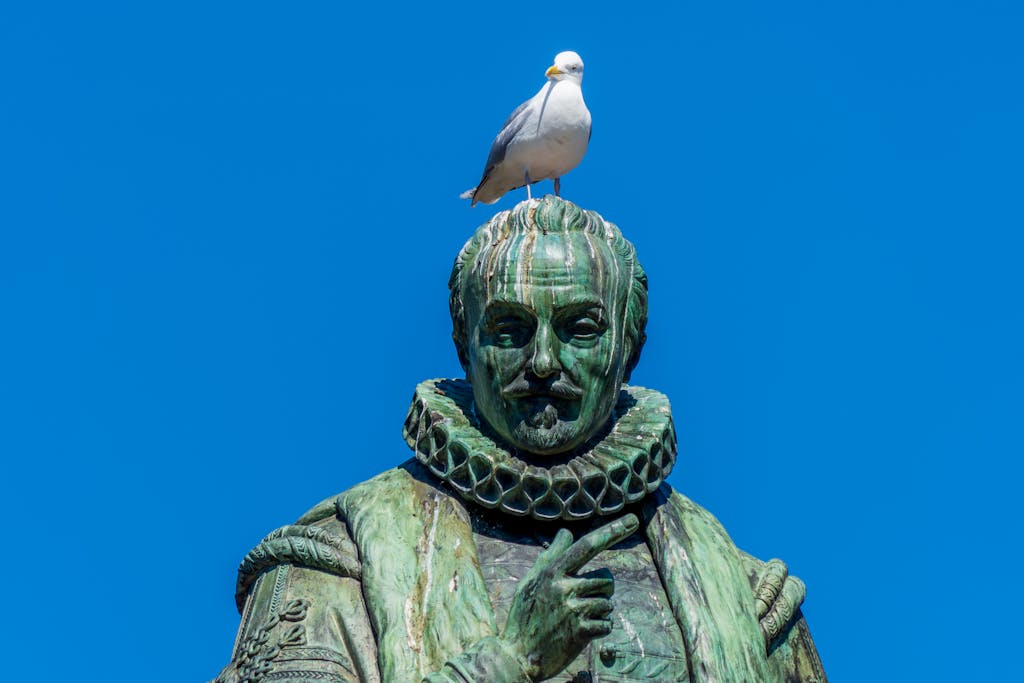
Cardinal Richelieu, chief minister to Louis XIII, transformed the French monarchy into a centralizing force in Europe. By weakening rebellious nobles, managing foreign alliances, and guiding internal policy, Richelieu wielded far more real authority than the king himself.
He understood the levers of power and used them to strengthen France at home and abroad.
Even though Louis XIII wore the crown, Richelieu’s strategic vision determined the nation’s direction. His work demonstrates that intellect, patience, and political skill often outweigh formal authority.
He turned France into a European power while remaining technically subordinate, proving that titles alone are insufficient for influence.
Madame de Pompadour Ran Versailles With Influence
Madame de Pompadour, mistress to Louis XV, is often remembered for beauty and style, but her political impact was substantial. She influenced appointments, shaped court alliances, and became the conduit through which nobles and ministers accessed the king.
Her ability to blend personal charm with political savvy allowed her to manage the most delicate court intrigues.
Her influence went beyond courtly life, extending into culture, art, and even policy recommendations.
Madame de Pompadour shows that soft power, when skillfully exercised, can rival formal authority, particularly in hierarchical systems where access is everything.
Karl Rove Shaped Modern American Politics
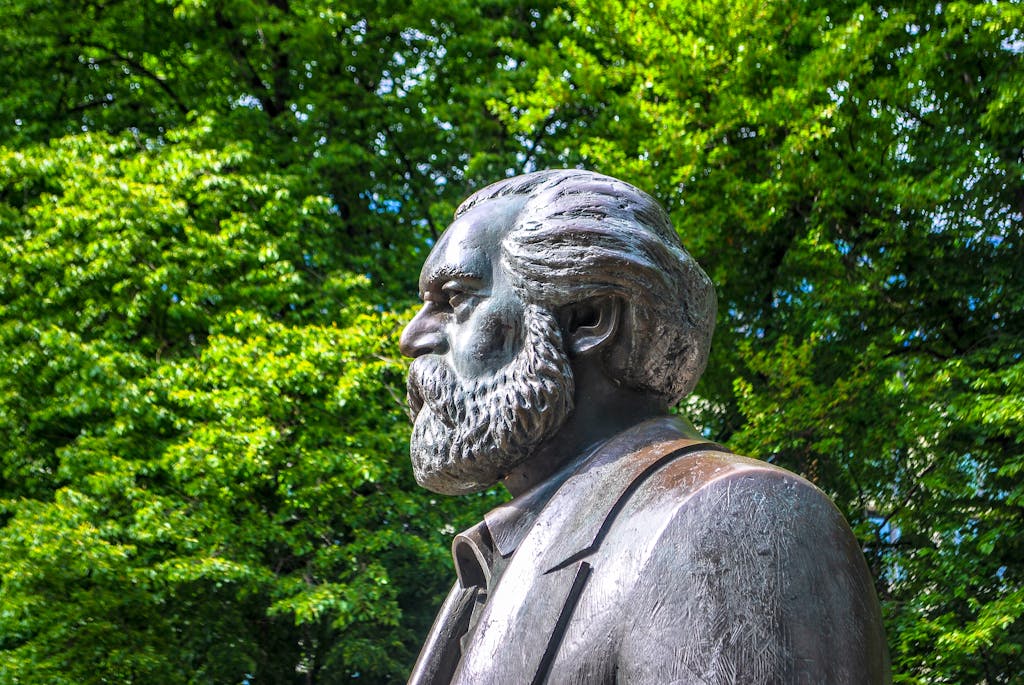
Karl Rove never occupied elected office, yet he became one of the most influential political strategists in modern American history. He directed messaging, coordinated campaigns, and helped craft policies during George W. Bush’s presidency.
Rove’s expertise in perception, timing, and political strategy allowed him to steer national outcomes from the shadows.
He represents a modern type of shadow ruler, proving that behind-the-scenes maneuvering can be as consequential as official authority.
Rove’s career shows that in contemporary politics, control over narrative and strategy can surpass the formal power of those in office.
Edith Wilson Secretly Led the White House
After President Woodrow Wilson suffered a debilitating stroke, his wife Edith took control of his daily presidential affairs. She reviewed documents, decided which issues were presented to him, and acted as a buffer between the president and his staff. Many historians describe her role as “stewardship,” but the reality is closer to an unofficial presidency.
By controlling access and filtering information, Edith influenced the United States’ decisions at a delicate post-war moment. Her quiet authority sparked debates over legality and ethics, yet it also shows how proximity to power can translate into enormous influence.
She proved that knowledge and control of information can be as potent as holding office itself.
Deng Xiaoping Transformed China From the Sidelines

After Mao Zedong’s death, Deng Xiaoping emerged as the architect of modern China, despite never holding the country’s top ceremonial post. He implemented market reforms, established special economic zones, and guided China toward globalization.
Deng operated quietly behind the scenes, letting others hold visible titles while he made key strategic decisions.
His pragmatic, calculated approach reshaped China’s economy and the global balance of power.
Deng’s tenure illustrates that enduring influence often comes from strategic vision, patience, and political credibility rather than formal office. He demonstrates that in tightly controlled systems, the unofficial leader can wield unprecedented power.
Empress Dowager Cixi Dominated China From Behind the Curtain
Empress Dowager Cixi never officially ruled as emperor, yet she controlled Qing China for decades. Rising from concubine to political power broker, she managed court factions, oversaw regencies, and navigated palace politics to consolidate authority.
Her decisions guided reform, modernization, and foreign relations, often determining the fate of the empire.
Cixi’s power stemmed from cunning, strategic intelligence, and the ability to manipulate a rigid system to her advantage.
Her story demonstrates that a brilliant mind behind the throne can command nations, proving that titles are often less important than influence and strategic skill.
Grigori Rasputin Haunted the Russian Court
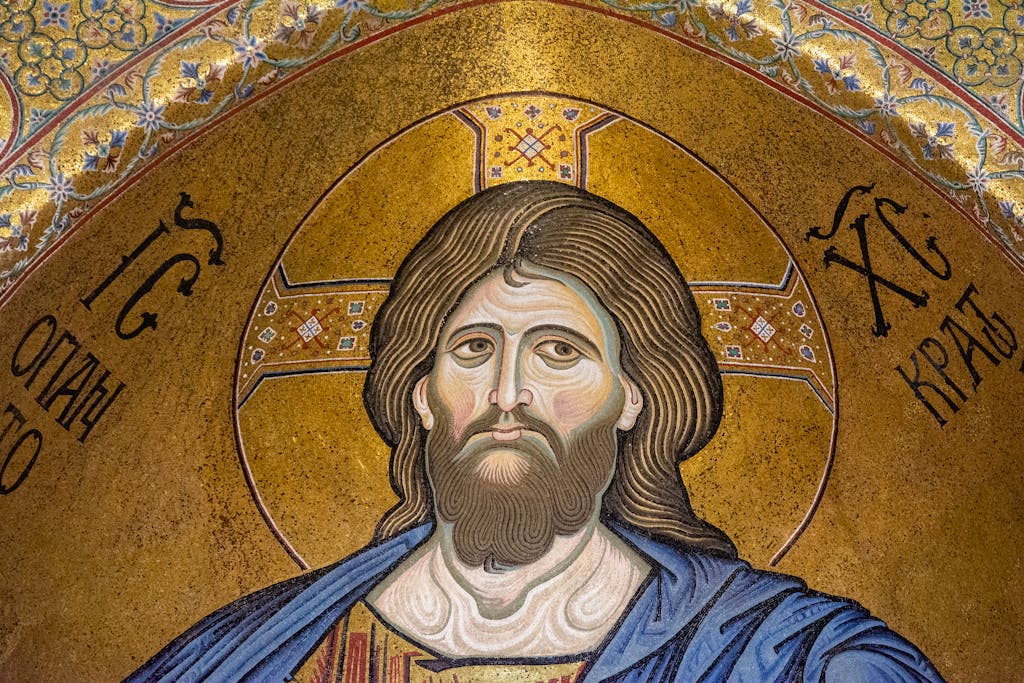
Rasputin, a mystic monk with no formal rank, became a pivotal figure in the final years of Imperial Russia. Trusted by Tsarina Alexandra for his ability to ease her son Alexei’s hemophilia, Rasputin gained sway over appointments and policy decisions at the Russian court.
Ministers feared him, nobles despised him, and public resentment mounted, turning him into a symbol of the monarchy’s fragility.
His influence shows how emotional leverage can become political power, evoking intrigue about how personality and timing can override official authority and leave a lasting mark.
Key Takeaway
These seven figures demonstrate that true power often hides where we least expect it. Titles matter less than influence, access, and timing. From palace intrigue to modern political strategy, shadow rulers have shaped nations, altered history, and changed the course of millions of lives without ever holding official office.
The lesson is clear: in politics, who sits in the spotlight is rarely the one directing the performance.