An edible garden should feel like a small reward system in the backyard. We plant herbs, tomatoes, peppers, lettuce, strawberries, cucumbers, beans, and leafy greens because fresh food tastes better when it comes from soil we touched ourselves. Yet many edible gardens quietly turn into pest magnets long before the first big harvest arrives.
The problem often starts with simple habits that look harmless. A few fallen tomatoes sit under the vines. The basil grows too crowded. The compost pile smells a little too sweet. The hose runs every evening until the soil stays damp for days. Then aphids, slugs, beetles, whiteflies, fungus gnats, ants, and caterpillars seem to appear from nowhere.
Pests do not usually invade a healthy garden by accident. They follow easy food, soft growth, hiding places, moisture, and weak plants. When we understand the mistakes that invite them in, we can grow a cleaner, stronger, and more productive edible garden without turning every leaf inspection into a panic session.
Leaving Overripe Produce on the Ground
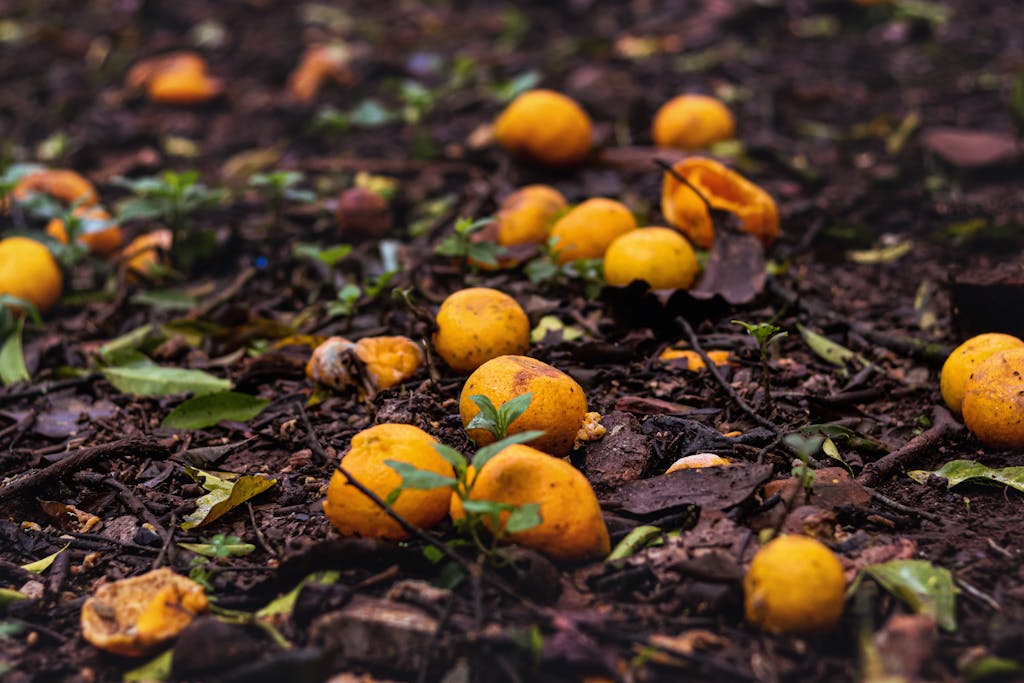
A few mistakes make edible gardens more attractive to pests than letting fallen fruit and vegetables sit in the soil. A split tomato, bruised pepper, rotting strawberry, or half-eaten cucumber becomes a feeding station for insects and small animals. The scent of decay pulls in fruit flies, ants, beetles, slugs, snails, rodents, and other unwanted visitors.
Rotting produce also creates a perfect place for pest populations to build quietly. Many insects do not need a whole season to become a problem. They need moisture, shelter, and food, and a messy garden gives them all three. Once they gather around fallen produce, they often move on to nearby healthy plants.
We should treat garden cleanup as part of the harvesting process. Pick ripe produce before it softens, remove cracked fruits quickly, and check under dense plants where dropped vegetables can hide. A clean garden bed does not remove every pest, but it removes the free buffet that helps them multiply.
Planting Edibles Too Close Together
Crowded planting may look lush at first, but it often creates a pest-friendly microclimate. When tomatoes, peppers, beans, herbs, and leafy greens grow too close together, air cannot move freely through the leaves. Moisture lingers, shade deepens, and pests gain protected spaces that birds, beneficial insects, and gardeners cannot easily reach.
Dense growth also makes it harder to spot early warning signs. Aphids cluster on tender stems. Whiteflies hide under leaves. Caterpillars chew from the inside of foliage. Slugs rest in shaded pockets near the soil. By the time the damage becomes obvious, the infestation may already be well established.
Proper spacing of plants keeps the garden healthier and easier to manage. We should follow the seed packet spacing, prune lower leaves as needed, and thin crowded seedlings rather than trying to save every sprout. Strong airflow helps leaves dry faster, reduces stress, and makes edible plants less attractive to pests that love damp, hidden corners.
Overwatering the Garden Beds
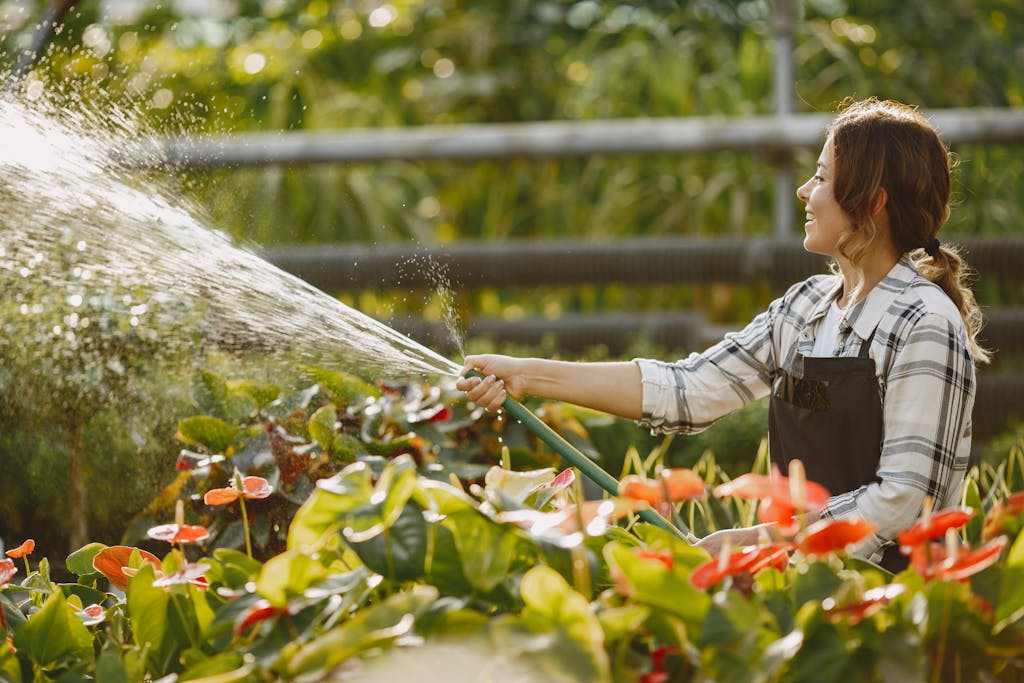
Water keeps an edible garden alive, but too much of it invites trouble. Constantly wet soil attracts fungus gnats, slugs, snails, mosquitoes, root pests, and disease-related problems that weaken plants. Weak plants then become easier targets for insects that prefer tender, stressed, or damaged growth.
Overwatering also changes how roots behave. Many vegetables need oxygen around their roots, and soggy soil limits that oxygen. When roots struggle, the whole plant struggles. Leaves may turn yellow, stems may soften, and growth may weaken, making it more attractive to pests seeking easy prey.
A better routine starts with checking the soil before watering. We should water deeply but less often, aim water at the base of plants, and avoid soaking leaves late in the day. Mulch helps hold steady moisture, but it should not become a wet blanket pressed against stems. Balanced watering builds stronger plants, and stronger plants withstand pest pressure better.
Using Too Much Nitrogen Fertilizer
Fertilizer can help edible gardens grow, but too much nitrogen can make plants irresistible to pests. Nitrogen pushes fast, soft, leafy growth. That fresh growth may look impressive, yet aphids, mites, leafhoppers, and other sap-feeding insects often prefer it because it is tender and easy to pierce.
Overfed plants can also become unbalanced. A vegetable plant with large leaves but weak fruiting, poor structure, or soft stems may appear green yet remain vulnerable. Pests take advantage of that softness. The garden may seem productive for a moment, then suddenly become covered in insects feeding on the newest leaves.
We should feed edible gardens based on plant needs, not panic. Compost, balanced organic amendments, and slow, steady feeding usually create stronger growth than heavy doses of quick-release fertilizer. Leafy greens need different feeding than tomatoes or peppers, and young seedlings need gentler care than mature plants. The goal is steady strength, not explosive softness.
Ignoring Weeds Around Edible Plants
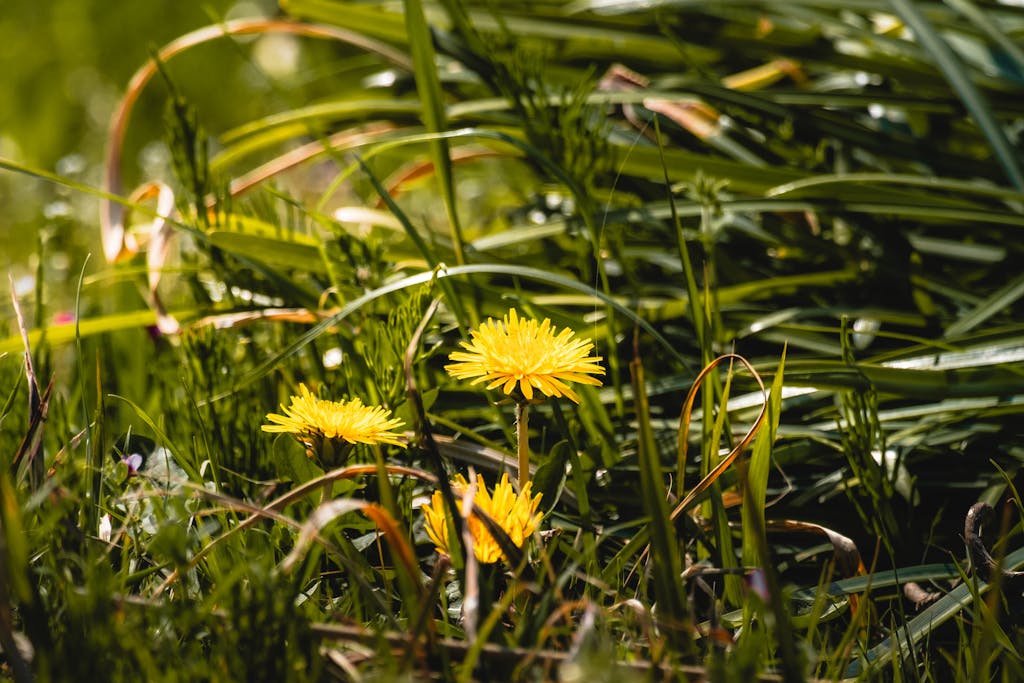
Weeds are more than competition for water and nutrients. They can act as pest shelters, pest bridges, and pest nurseries. Many insects hide in weeds during the day, feed on them when garden plants are unavailable, then move into vegetables when the timing is right.
Weeds also make the garden harder to inspect. A bed full of grass, chickweed, purslane, or other volunteer plants provides pests with extra shade and cover. Slugs can move under weed growth. Aphids can survive on nearby hosts. Flea beetles and leafhoppers can linger around the edges before attacking tender crops.
We do not need sterile soil, but we do need control. Pull weeds before they flower, keep paths trimmed, and clear the area around young vegetables. Mulch can reduce weed pressure, but it should be managed carefully to avoid becoming a hiding place for slugs. A tidy edible garden leaves pests fewer places to hide and fewer backup food sources.
Planting the Same Crops in the Same Spot Every Season
Repeating the same crop in the same bed every season can quietly build a pest problem. If tomatoes grow in the same corner year after year, pests and soil issues associated with tomatoes may persist nearby. The same can happen with crops in the cabbage family, including beans, cucumbers, squash, peppers, and potatoes.
Many pests survive between seasons in soil, plant debris, nearby weeds, or sheltered cracks around the garden. When we plant their favorite crop in the same spot again, we make their lives easier. They do not have to search far. Their food returns to the same place like a scheduled delivery.
Crop rotation breaks that pattern. We can move plant families around the garden each season, even in small spaces. Tomatoes, peppers, potatoes, and eggplants belong to the nightshade family, so they should be rotated together. Cabbage, kale, broccoli, and radishes belong to the brassica family, so they also need to be moved. Rotation does not solve every pest problem, but it makes the garden less predictable and less convenient for repeat invaders.
Forgetting to Inspect the Undersides of Leaves
Many pest problems begin where we rarely look. The undersides of leaves are prime hiding places for aphids, whiteflies, spider mites, eggs, and tiny larvae. A plant may look fine from above, yet a full pest colony may be feeding beneath the foliage.
Early inspection changes everything. A few aphids can be washed off or pinched away. A few caterpillar eggs can be removed before they hatch. A few damaged leaves can be pruned before pests spread through the whole bed. Waiting until leaves curl, yellow, or become skeletonized gives pests too much time.
We should inspect edible gardens at least once a week during active growth. Look under leaves, along stems, near flower buds, and around new shoots. Tender growth tells the truth first. A simple routine of checking, removing, and correcting small problems can prevent the kind of infestation that ruins harvests.
Removing All Beneficial Insect Habitat
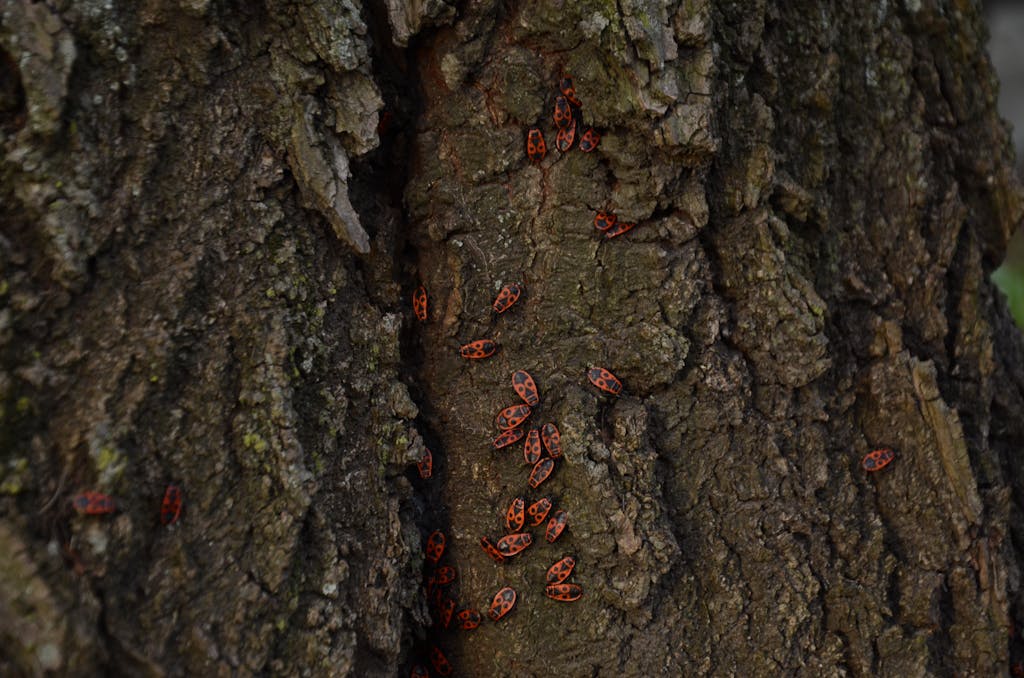
A garden that attracts pests but offers no support for beneficial insects becomes unbalanced. Lady beetles, lacewings, hover flies, parasitic wasps, ground beetles, spiders, and other natural helpers feed on common garden pests. When we remove every flower, every herb bloom, every patch of habitat, and every natural edge, we make the garden less welcoming to the insects that protect it.
Some gardeners accidentally create pest-friendly spaces by chasing perfection. They remove flowering herbs, spray at the first sign of movement, and keep the garden so bare that beneficial insects have no nectar, shelter, or reason to stay. Pests often recover faster than predators in that kind of environment.
We can make edible gardens more balanced by planting flowers and herbs near vegetables. Dill, cilantro, parsley, fennel, marigold, calendula, alyssum, basil flowers, thyme, and oregano blooms can support helpful insects. The goal is not a wild mess. The goal is a smart garden ecosystem in which pests encounter resistance before they take over.
Conclusion
Edible gardens attract pests when they offer easy meals, weak plants, damp hiding places, and poor balance. Most infestations begin with ordinary mistakes rather than dramatic failures. Fallen produce, crowded beds, overwatering, excess fertilizer, weeds, repeated planting, poor inspection habits, and lack of beneficial insect habitat all make the garden easier for pests to exploit.
We do not need to fight the garden every day to protect it. We need cleaner habits, stronger plants, better spacing, smarter watering, steady observation, and a more balanced growing space. When an edible garden becomes less convenient for pests, it becomes more productive for us.