A lemon looks harmless sitting in a fruit bowl, but that little yellow fruit can become a quiet cleaning weapon when your home starts collecting grime, grease, odors, and stains. The problem is that many people save lemons for tea, fish, or pretty drinks, then spend extra money on sprays that still leave the house smelling like chemicals. A lemon will not replace every cleaner in your cabinet, but it can handle several annoying messes before they become embarrassing.
Used the right way, lemon can freshen, brighten, loosen, and cut through everyday dirt. The trick is knowing where it works best and where it should never go. These eight household spots can look worse than they should when you ignore this simple kitchen staple.
Your Cutting Board Can Turn Into a Smelly Germ Trap
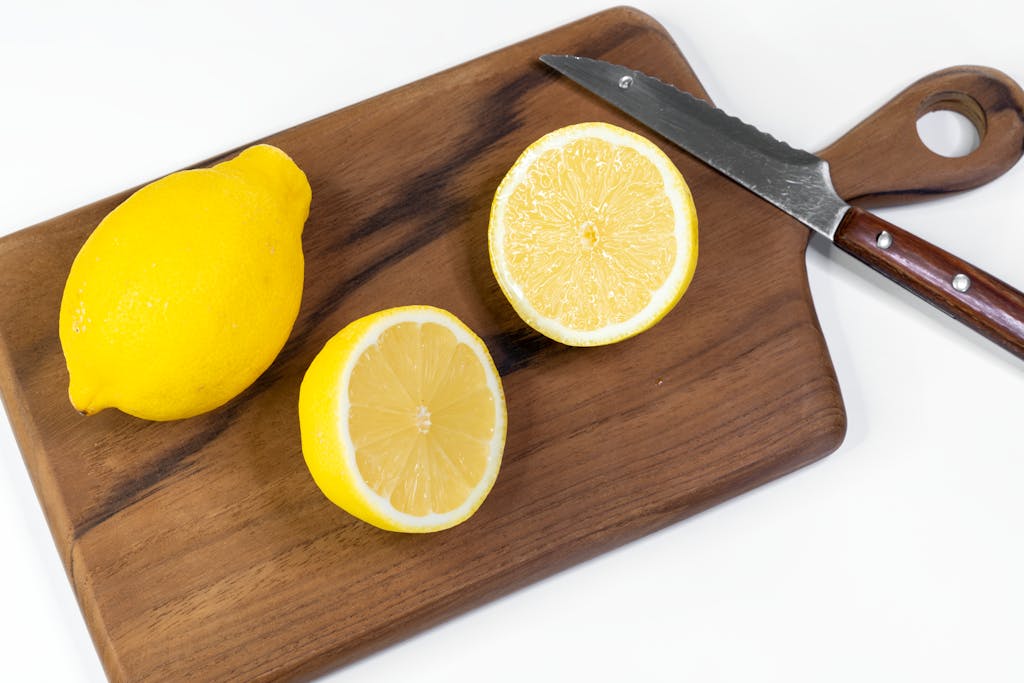
Cutting boards take a beating from onions, garlic, meat, fruit, and everything else you chop in a hurry. After a while, they can hold onto odors even after a regular wash, especially if the surface has tiny knife marks. That is where lemon becomes useful because its fresh juice helps lift smell and surface stains.
Cut a lemon in half, sprinkle coarse salt over the board, then scrub with the cut side of the lemon. The salt adds grit, and the lemon helps freshen the surface. Rinse well afterward and let the board dry completely before storing it.
Your Faucets Can Look Filthy Even When the Bathroom Is Clean
Hard water marks can make faucets look neglected, even when you wipe the sink every day. Those cloudy spots and chalky rings often collect around the base of the tap, handles, and shower fixtures. A lemon can help loosen that dull buildup and bring back some shine.
Rub a cut lemon directly over the stained area, or squeeze lemon juice onto a cloth and press it against the spots for a few minutes. Wipe clean with water, then dry with a microfiber cloth. The drying step matters because wet metal quickly collects new marks.
Your Porcelain Sink Can Start Looking Older Than It Is
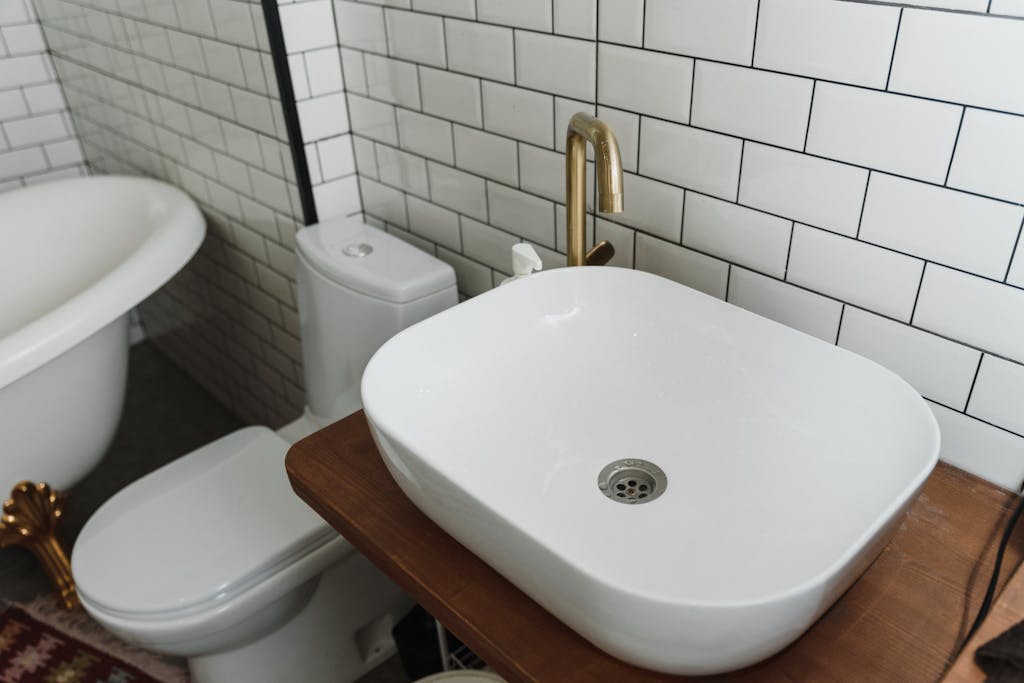
A porcelain sink can look beautiful when clean, but it also shows stains, soap scum, and dull patches fast. Toothpaste, makeup residue, dirty hands, and mineral deposits can leave the surface looking tired. Lemon and salt can help refresh it without turning cleaning into a long project.
Sprinkle a little salt into the basin, squeeze lemon over it, and gently scrub the stained areas. Keep the pressure light because the goal is to polish, not scratch. Avoid this method on stainless steel or delicate materials because abrasive scrubbing can damage the finish.
Your Microwave Can Hide a Disgusting Mess Behind the Door
The microwave is one of the easiest appliances to ignore because the mess stays hidden until you open the door. Splattered soup, sauce, butter, and coffee can dry into stubborn spots that feel impossible to remove. Lemon steam can soften that stuck-on grime before you start scrubbing.
Place lemon slices or lemon juice in a microwave-safe bowl with water, then heat for a few minutes until steam fills the bowl. Let it sit briefly with the door closed, then wipe the walls, ceiling, and turntable. The steam loosens the mess, and the lemon helps fight stale food smells.
Your Pots and Pans Can Keep Grease Longer Than You Think
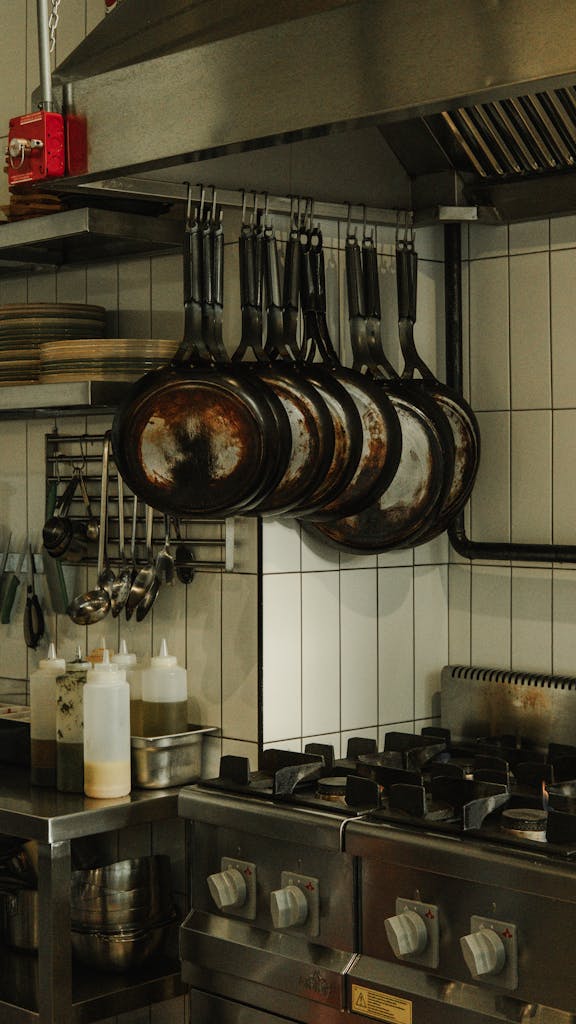
Greasy pans can look clean after washing, but a sticky film often remains around the edges or bottom. Burnt bits can also cling to cookware, making every meal feel like it left behind a tiny disaster. Lemon can help break through that greasy layer when dish soap alone feels weak.
Squeeze lemon juice over the dirty area, add a little baking soda or salt, and scrub gently with a sponge. Let the mixture sit for a few minutes on stubborn spots before rinsing. Use extra care with nonstick surfaces, as rough scrubbing can damage the coating.
Your Windows and Mirrors Can Look Streaky After You Clean Them
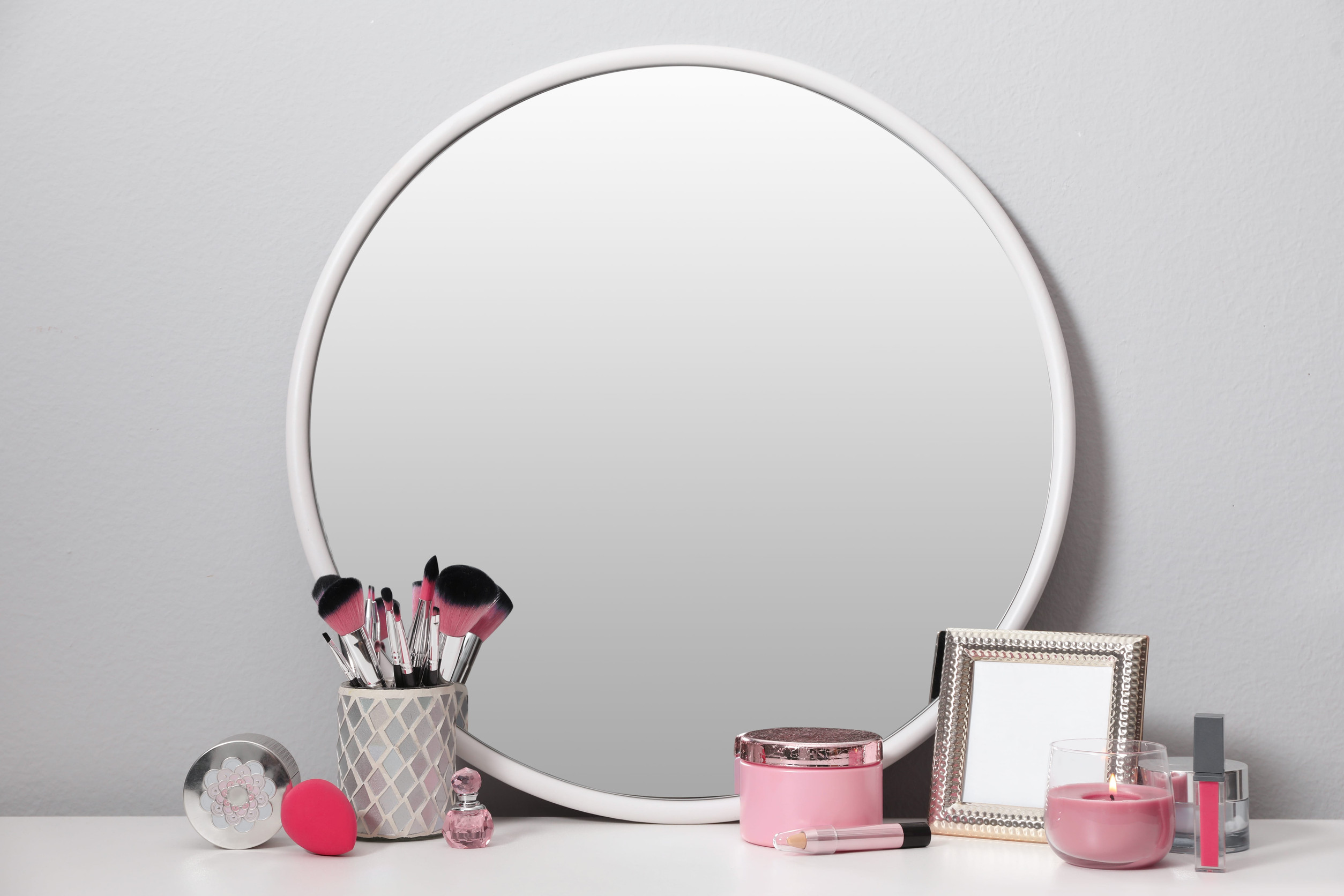
Nothing is more annoying than cleaning glass and still seeing cloudy streaks when the light hits it. Windows, mirrors, and glass tables often show fingerprints, water spots, and cleaning residue. A small amount of lemon juice mixed with water can help freshen the glass and cut through light grime.
Add lemon juice to water, dip a soft cloth in it, and wipe the glass in smooth passes. Follow with a dry microfiber cloth to remove moisture before streaks form. Do not overdo the lemon juice, as too much can leave a residue.
Your Grout Can Make the Whole Room Look Dirty

Grout is one of those small details that can ruin the look of an entire bathroom or kitchen. It collects moisture, soap scum, stains, and dark patches in the lines between tiles. Lemon mixed with baking soda can create a paste that helps lift surface grime from hard-to-reach areas.
Apply the paste with an old toothbrush, then gently work it into the grout lines. Let it sit for a few minutes, then rinse and wipe the area clean. For deep mold or serious staining, lemon may help the surface look better, but you may still need a stronger cleaning method.
Your Grill Grates Can Hold Onto Last Weekend’s Meal
Grill grates can become a sticky graveyard of burnt food, grease, and smoky residue. If you leave that buildup on the grill, it can affect the taste of the next meal and make the grill look rough. Lemon can help loosen bits of food when the grates are still warm.
Cut a lemon in half, place it on a long fork or grill-safe tool, and rub the cut side across the warm grates. The heat helps release the lemon’s juice, and the fruit helps break up greasy residue. Afterward, brush the grates and safely wipe away any loosened debris.
Conclusion
Lemon is not magic, but it is one of the easiest cleaning helpers hiding in plain sight. It can freshen cutting boards, brighten sinks, loosen microwave grime, reduce odors, and make small messes less stubborn before they turn into bigger chores. The smartest move is to use it where it works well and avoid it on delicate surfaces that can be scratched, stained, or react badly to acidity.
So before you toss out that extra lemon, look around your kitchen or bathroom. That sour little fruit might save you from another ugly stain, greasy pan, or smelly cutting board.