Cherries are the small, glossy temptations of summer, but they can be deceiving. One minute, they look like perfect gems promising natural sweetness. Next, you’re staring at a bag of soft, flavorless, mushy fruit that costs far more than it should have.
Cherries are delicate, seasonal, and surprisingly complex. Picking the wrong batch can turn a healthy snack into a frustrating expense. To enjoy cherries at their peak, you need more than just a quick glance in the produce aisle; you need knowledge. Here’s how to avoid the mistakes that quietly sabotage your cherry haul.
Judging by Color Alone

Color is the first thing most people notice, but it is not a foolproof indicator of quality. Many assume that dark-red cherries are automatically sweet. While this is true for varieties like Bing, other cherries like Rainiers are golden or blush-pink when perfectly ripe.
Learning which color corresponds to which variety is key. Pale cherries with a slight blush can be perfectly ripe and even sweeter than over-darkened ones. Relying solely on redness can cause you to miss out on fruit with superior flavor or, conversely, pick cherries that are overripe or drying out.
Rushing the Season
Many shoppers make the mistake of grabbing cherries as soon as they appear in stores, regardless of whether they’re truly ripe. Early-season cherries can be underdeveloped, tart, and lacking in flavor. Often, these are imports from southern hemisphere countries like Chile, arriving weeks before local orchards produce fully mature fruit.
The peak U.S. cherry season generally runs from late May to mid-July, when fruit achieves the optimal balance of sweetness and firmness. Waiting for local, in-season cherries can reward you with more complex flavors and juicier texture, making the patience worthwhile. Sampling when possible or checking harvest updates from nearby orchards can be the difference between disappointment and delight.
Skipping the Gentle Squeeze Test
Cherries are tactile as well as visual. A light squeeze reveals much about a cherry’s freshness. Rock-hard cherries may have been harvested too early and may never develop the full sweetness you expect. Overly soft or wrinkled cherries are likely past their prime and prone to bursting or fermenting quickly.
The squeeze test should be gentle. Shoppers should feel a slight give without mushiness. This simple touch test can prevent a bag of visually perfect cherries from becoming a disappointing mess at home.
Ignoring Stem Health
The humble stem carries clues that many shoppers overlook. Green, flexible stems suggest that the cherries were picked recently and handled carefully. Dry, brittle, or brown stems indicate older fruit that may have been sitting in transit or on store shelves too long.
This small detail matters because cherries do not continue to ripen after being picked; they only age. Fresh stems often correlate with firmer, juicier cherries that can last several days in the fridge, while dried stems can signal fruit nearing the end of its life.
Buying Wet or Pre-Washed Cherries
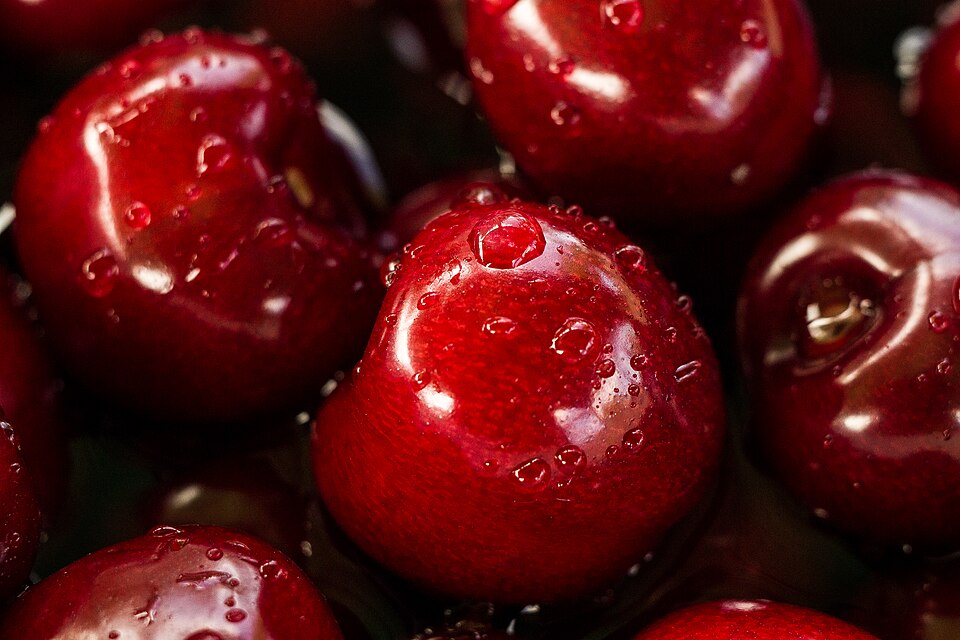
Wet cherries may seem cleaner and more appealing, but excess moisture shortens shelf life. Water on the skin encourages mold, bruising, and softening. Pre-washed cherries may have been handled excessively, increasing the chance of early spoilage.
The safer approach is to choose dry cherries and wash them just before eating. This simple step prevents early decay and helps keep your cherries firm, flavorful, and safe to eat longer.
Choosing the Wrong Cherry for the Job
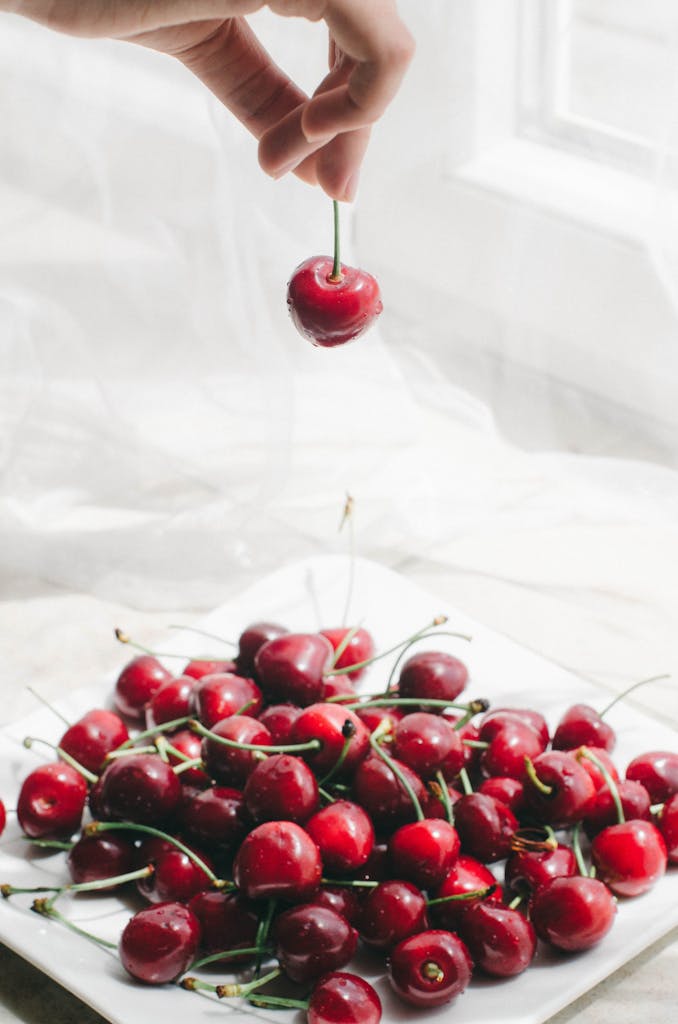
Not all cherries are interchangeable. Sweet cherries like Bing and Lapins are ideal for snacking, salads, or fruit bowls. Tart cherries, such as Montmorency, are better suited for pies, sauces, jams, and other baked goods. Buying the wrong type can affect both taste and texture.
For example, using tart cherries in a fresh snack may be unpleasantly sharp, while sweet cherries in a pie can result in an overly soft filling that lacks structure. Match the cherry variety to your intended use for the best results.
Overlooking Hidden Damage
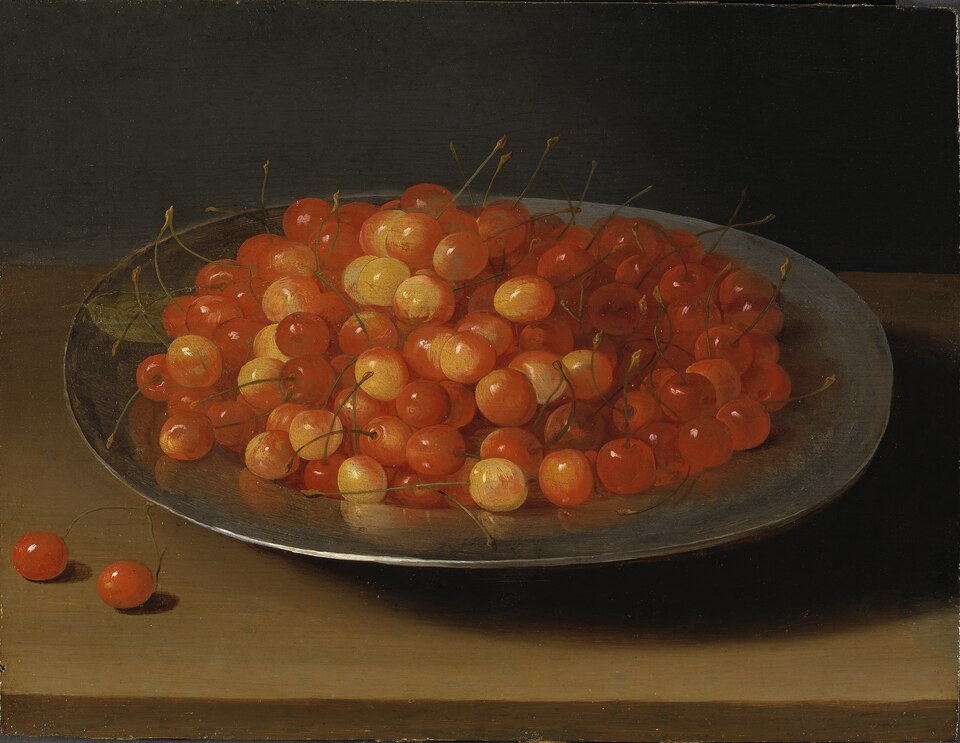
Cherries in bags or clamshells can hide bruised, soft, or moldy pieces under the surface. One bad cherry can contaminate others, especially in tightly packed containers. Many shoppers make the mistake of judging a bag by its top layer alone.
Before buying, tilt the container and inspect the fruit from multiple angles. Sticky juice, dull skin, or collapsed cherries indicate underlying issues. Taking an extra moment to check prevents wasted money and frustration when a bag goes bad too quickly.
Overbuying and Wasting Fruit
Cherries are tempting to buy in bulk, especially during the summer rush. Unfortunately, their delicate nature makes them highly perishable. Overbuying often leads to wasted fruit if you cannot consume it quickly.
A practical solution is to freeze extras. Wash, pit, and freeze cherries on a tray before transferring to a freezer-safe container. While frozen cherries lose the fresh-snack texture, they are perfect for smoothies, sauces, and baked goods, extending the season’s enjoyment without waste.
Treating Cherries Like Hardier Fruit
Cherries are fragile. Unlike apples or oranges, they bruise easily and spoil quickly. Leaving them on the counter or in warm spots accelerates decline. Refrigeration is essential for extending their life.
Store cherries unwashed, loosely covered, and remove any damaged pieces. Treating them gently ensures they remain firm, juicy, and flavorful. Even a short misstep in handling can turn premium cherries into mush before you get a chance to taste them.