Saving money is essential, but some habits that seem frugal on the surface can actually drain your finances in the long run. Many people unknowingly get caught in money-saving routines that waste more time, effort, and resources than they’re worth. These seemingly harmless habits may be hindering your financial goals and leaving you with more stress than savings.
Instead of sticking to outdated money-saving tactics, it’s time to reconsider your approach. True financial health requires distinguishing between short-term discounts and the “false economy” of cheap goods that necessitate frequent replacement. By prioritizing value and durability over the lowest sticker price, you can shift from simply spending less to building sustainable wealth.
Overspending on DIY Projects
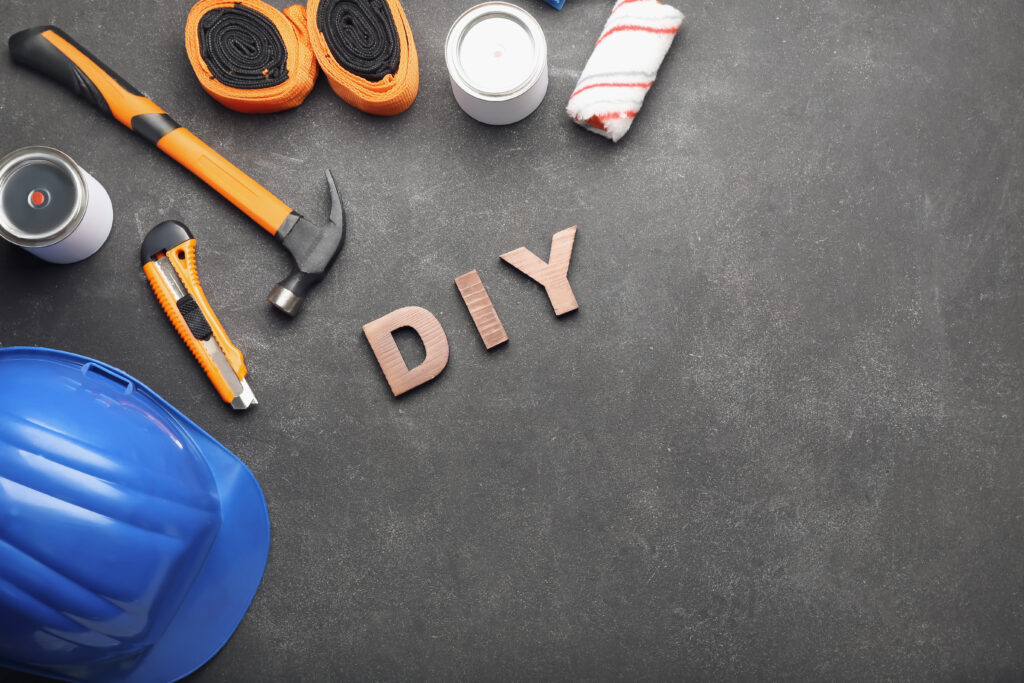
DIY projects often seem like an easy and rewarding way to save, but they can quickly turn into a costly endeavor. What starts as a small, budget-friendly fix can quickly escalate into more money spent on tools, supplies, and repairs. Whether it’s fixing plumbing, making your own cleaning supplies, or trying out a new craft, the costs often add up, and the results aren’t always as expected.
Instead of diving headfirst into every DIY project, evaluate whether hiring a professional or purchasing pre-made products is the more affordable and efficient option. This approach saves you time and helps avoid expensive mistakes.
Rinsing and Reusing Disposable Items
You’ve probably tried rinsing and reusing paper towels or aluminum foil, thinking you’re saving money. While it may feel frugal, this habit actually wastes your time and energy. These disposable items are designed for single use, and the effort required to clean them often isn’t worth the small savings.
Consider investing in reusable alternatives, such as cloth napkins or beeswax wraps. These options not only save you money but are far more sustainable and practical in the long term.
Constantly Chasing Discounts and Coupons
The hunt for coupons and discounts might seem like a smart way to save, but it’s often more trouble than it’s worth. Organizing, tracking, and using coupons can take up valuable time that could be better spent on other, more effective financial strategies. In the end, the savings from coupons are often minimal compared to the time spent chasing them.
Instead of dedicating hours to coupons, look for simpler ways to save, such as cashback apps, loyalty programs, and shopping during seasonal sales. These strategies will give you more significant savings without the time commitment.
Shopping at Multiple Grocery Stores

It’s easy to think that hopping between grocery stores to get the best deal will save you money, but the effort can quickly add up. The time spent driving from store to store, not to mention the gas you’re burning, often cancels out the savings. For many, it’s simply not worth the hassle of shopping around for a few cents off.
Focus on shopping at a primary store that offers great value across the board, and avoid running around to different stores. Consider online shopping for convenience and delivery services to save even more time and effort.
Driving Across Town for Cheaper Gas
Driving across town to fill up at a cheaper gas station is a classic example of how frugality can backfire. The cost of the extra miles driven often outweighs any savings from the lower price per gallon. The time and money you spend driving out of your way could be better used elsewhere.
Save yourself the hassle by finding nearby stations with reasonable prices or using gas rewards programs. Focus on convenience to avoid wasting time and fuel for marginal savings.
Always Buying Off-Brand Products
While off-brand products can help reduce your spending, they’re not always the best value. Some off-brands fail to deliver the same quality as name-brand items, forcing you to use more of the product or replace it more frequently. This could end up costing you more in the long run than if you’d just invested in the trusted brand.
Evaluate the quality of off-brand products before automatically opting for them. For certain items, it’s worth spending a little extra for a well-known brand that offers better performance and durability.
Skipping Hobbies to Save Money

Cutting back on hobbies to save money may seem like a good idea, but it can negatively affect your mental and emotional well-being. Hobbies are important for reducing stress, boosting creativity, and promoting overall happiness. When you cut them out to save a few bucks, you’re depriving yourself of the personal benefits these activities offer.
Rather than eliminating hobbies, find low-cost alternatives that still allow you to unwind and recharge. Whether it’s exploring free local events or trying a new budget-friendly activity, investing in your well-being can actually improve your financial discipline in the long run.
Buying in Bulk Without a Plan
Buying in bulk is often seen as a great way to save, but it only works if you actually use the items before they go bad. Too often, people buy large quantities of products they don’t need, only to end up throwing them out when they spoil. These bulk purchases turn into wasted money, rather than actual savings.
When buying in bulk, only purchase items you consistently use and can finish before they expire. This approach ensures that you’re truly getting savings without the waste.
Attempting Major Repairs Without the Right Skills

Tackling major home or car repairs yourself might seem like a smart way to save money, but it often leads to bigger problems down the road. When you lack the proper tools or expertise, what seemed like a simple fix can quickly escalate into a costly disaster. The damage you cause could require professional repairs that end up being far more expensive than hiring someone from the start.
In most cases, hiring a professional to handle complex repairs is the best choice. While it may feel like an upfront expense, it prevents the problem from getting worse and ensures the job is done right the first time, saving you time, money, and stress in the long run.