Some plants look innocent on the shelf, like they’ll thrive on compliments and a splash of water.
Then you bring them home, and suddenly you’re in a full-time relationship with a leaf that judges you daily. Here are 10 plants that are surprisingly hard to maintain, even though they’re often marketed as “easy.”
Fiddle Leaf Fig (Ficus lyrata)
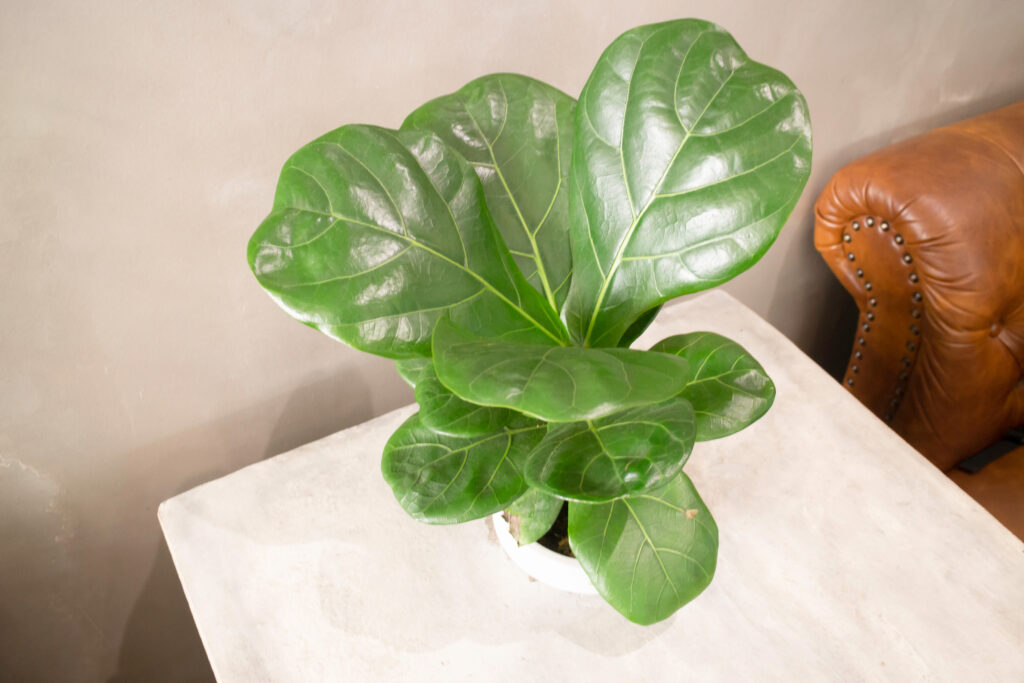
This plant has main-character energy and expects you to treat it that way. It hates sudden changes, so moving it near a window today and “a better spot” tomorrow can trigger leaf drop like a dramatic exit.
It also reacts badly to inconsistent watering, cold drafts, and low humidity. When it’s unhappy, it won’t whisper; it will shed leaves like it’s clearing a stage.
Calathea (Prayer Plant Family)
Calatheas are beautiful, patterned, and emotionally high-maintenance. They prefer stable warmth, higher humidity, and water that’s low in minerals, meaning regular tap water can leave them crispy and offended.
Too much sun fades them, too little makes them sulk, and a small drop in humidity can cause brown edges overnight. If plants had customer service complaints, calatheas would file them daily.
Maidenhair Fern (Adiantum)
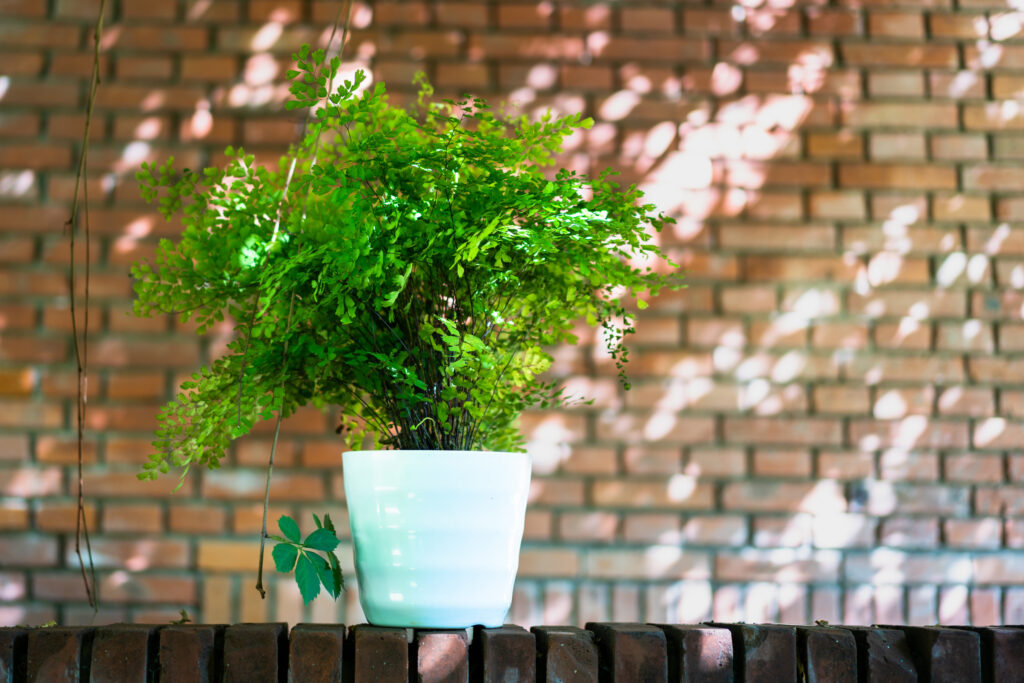
Maidenhair ferns are delicate masterpieces, and they act like it. They want constant moisture without soggy roots, plus humidity that feels like a quiet rainforest morning.
Miss a watering, and it can crisp up fast, like it took your mistake personally. Even if you fix everything, it may still decline out of pure stubbornness.
Venus Flytrap (Dionaea muscipula)
Carnivorous plants look fun until you realize they have strict rules. A Venus flytrap usually needs bright light, mineral-free water, and a specific kind of soil that most houseplants would hate.
It also needs a winter dormancy period to remain healthy in the long term, which surprises many people. Treat it like a normal plant, and it slowly taps out, trap by trap.
Bonsai Trees (Any Species)

Bonsai aren’t a plant, they’re a lifestyle decision. You’re managing a tiny ecosystem that depends on precise watering, pruning, light timing, and careful root care.
Because the pot is small, the soil dries quickly, and mistakes show up fast. Bonsai reward patience and consistency, but they punish neglect like a strict teacher with a red pen.
Gardenia
Gardenias smell like luxury and act like luxury. They prefer bright light without harsh sun, high humidity, and evenly moist soil, plus they’re picky about soil acidity.
If conditions aren’t just right, buds drop before blooming, which feels like being stood up on a date. Even experienced plant lovers struggle to keep them happy indoors.
Orchids (Especially Phalaenopsis for Beginners)
Orchids are misunderstood, and that misunderstanding kills them. People drown them, then wonder why the roots rot, or they leave them bone-dry and call it “tough love.”
They need bright indirect light, airflow, and a watering rhythm that respects their roots, not their flowers. Orchids can thrive, but they demand that you learn their language first.
Alocasia (Elephant Ear Types)
Alocasias look bold and tropical, but they’re sensitive to nearly everything. They want humidity, steady warmth, and careful watering, because they can rot if too wet and collapse if too dry.
They also attract pests like spider mites when stressed, which is very on-brand for a drama-prone plant. One week of “I’ve been busy,” and it may start dropping leaves like receipts.
String of Pearls (Senecio/Curio rowleyanus)
This one is cute, trendy, and surprisingly easy to kill. It needs bright light and very careful watering, as the pearls rot quickly when the soil stays wet.
Underwatering makes the strands shrivel, overwatering makes them melt, and inconsistent light makes them stretch out and look sparse. It’s basically a balancing act in bead form.
Peace Lily (Spathiphyllum)

Yes, peace lilies are hardy, but maintaining them well is the tricky part. They’re dramatic when thirsty, drooping like they’re in a tragic movie, and they’re sensitive to chlorine and minerals that cause browning tips.
Too much light burns them, too little stops flowering, and overwatering can quietly rot the roots. They can be hardy, but they still demand your attention.