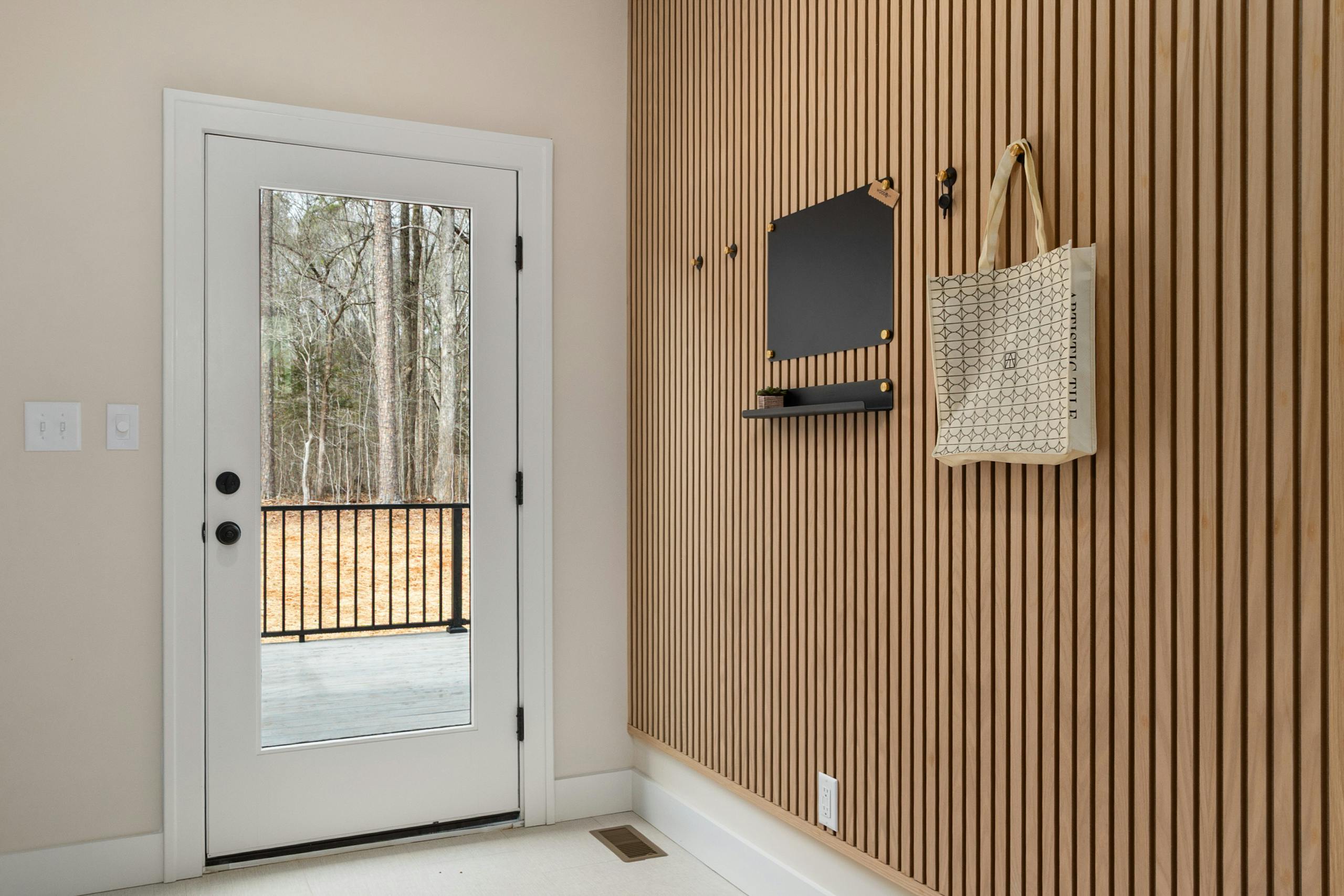
Think you’re saving money with those “cheap” landscaping tricks? Think again. While some quick fixes may sound like easy solutions, they’re actually draining your wallet and your energy.
If you’re tired of endless upkeep and disappointing results, it’s time to face the ugly truth about these so-called “budget-friendly” landscaping hacks. Here are 10 landscaping mistakes that are a total waste of your time and money.
Container Gardens

You’ve seen the Pinterest-worthy photos of beautiful container gardens that seem so effortless. But here’s the hard reality: container gardening is a money pit. From overpriced planters to constant soil replacement and excessive watering, the costs stack up fast.
And let’s not even talk about the inevitable problem of plants not thriving despite your best efforts.
Quick Tip: Skip the containers unless you’re prepared to constantly spend. Stick to low-maintenance ground plants instead.
Buying Plants in Bulk
Sure, buying plants in bulk may sound like a steal, but here’s the catch: if they don’t suit your space or climate, you’ve just wasted money. Bulk-buying plants without a plan is a disaster waiting to happen.
You might end up with hundreds of plants you don’t need, or worse, plants that die quickly and leave your yard looking like a neglected jungle.
Quick Tip: Don’t get suckered into bulk buying unless you’re absolutely certain they’ll thrive and fit your space. It’s not a deal if you end up throwing them away.
Growing from Seed
Sure, starting your plants from seed sounds like a cheap way to grow a garden. But let’s be honest, most people fail miserably at this. Seeds don’t always germinate, and even if they do, they require constant care, attention, and time. You could easily spend weeks trying to get them right, only to end up with sad, underwhelming results.
Quick Tip: If you don’t have endless time to waste, buy mature plants that are ready to thrive, not seeds that might never make it.
Native Plants
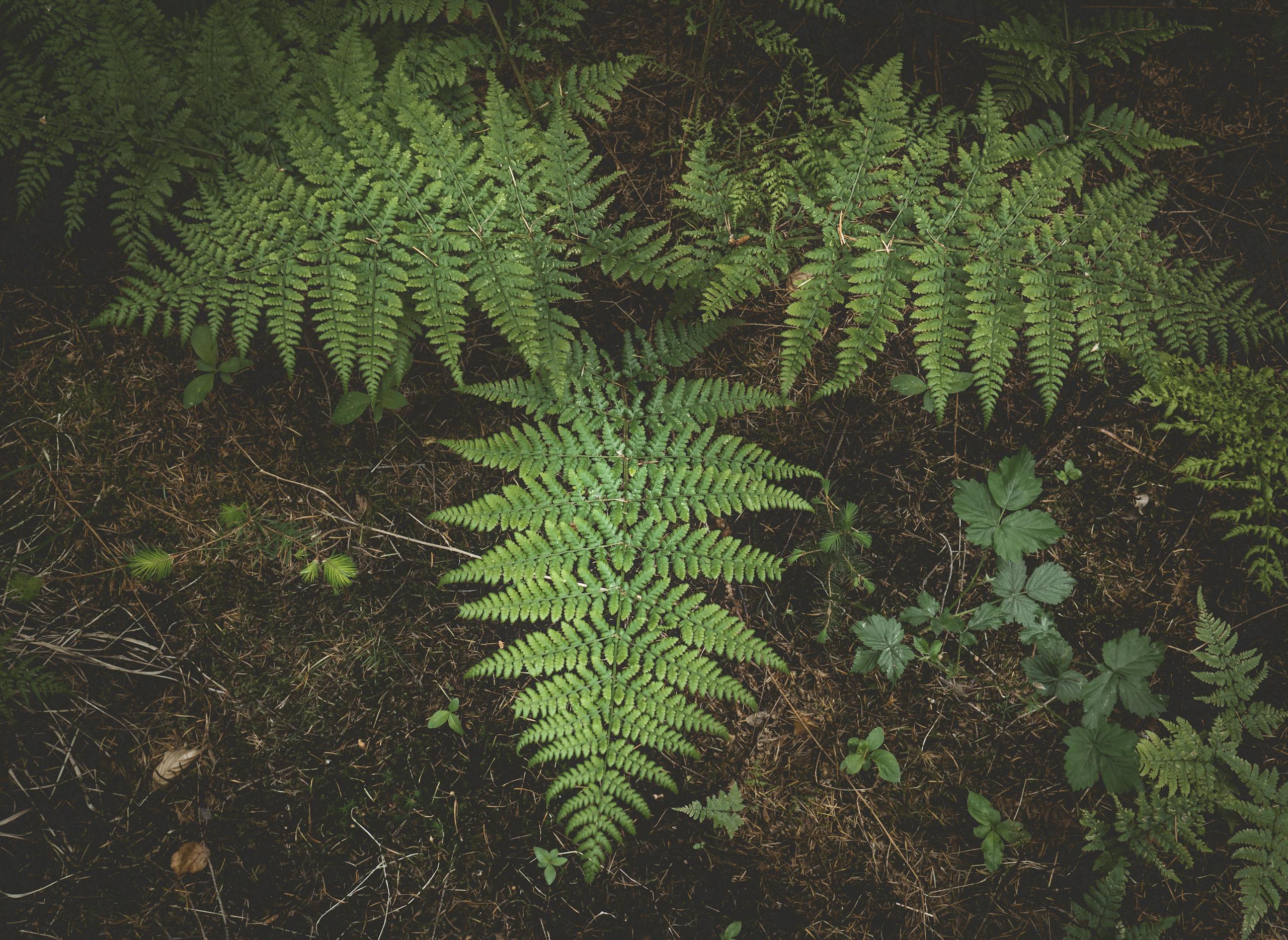
While native plants are often marketed as the low-maintenance, cost-saving hero, they aren’t always the savior they claim to be. Some native plants require just as much care as non-natives, and depending on your region, they might not even be as “low-maintenance” as advertised. Instead of saving money, you might find yourself constantly battling with these plants just to keep them alive.
Quick Tip: Native plants are not foolproof. Make sure you do your research and consider non-native plants that might be better suited to your yard.
Perennials
Perennials are marketed as a one-time investment, but in reality, they can turn into a burden. Sure, they come back each year, but often they need constant upkeep, soil amending, and special care to keep them alive.
And don’t forget, perennials are still expensive upfront. What was promised as a cost-saving investment could turn into an ongoing headache.
Quick Tip: Focus on hardy annuals or even some low-maintenance shrubs instead. Perennials aren’t always the bargain they seem.
Planting Off-Season
Want to plant bulbs in the fall for a gorgeous spring garden? Think again. This off-season trick sounds great in theory, but it often leads to disappointment. Bulbs may fail to bloom, take up too much space, or end up looking like a wasted investment.
Plus, you’re tying up garden space for months before you even see a hint of life.
Quick Tip: Save your energy and money by focusing on year-round plants instead. Avoid off-season planting if you want immediate results.
Tidying Up
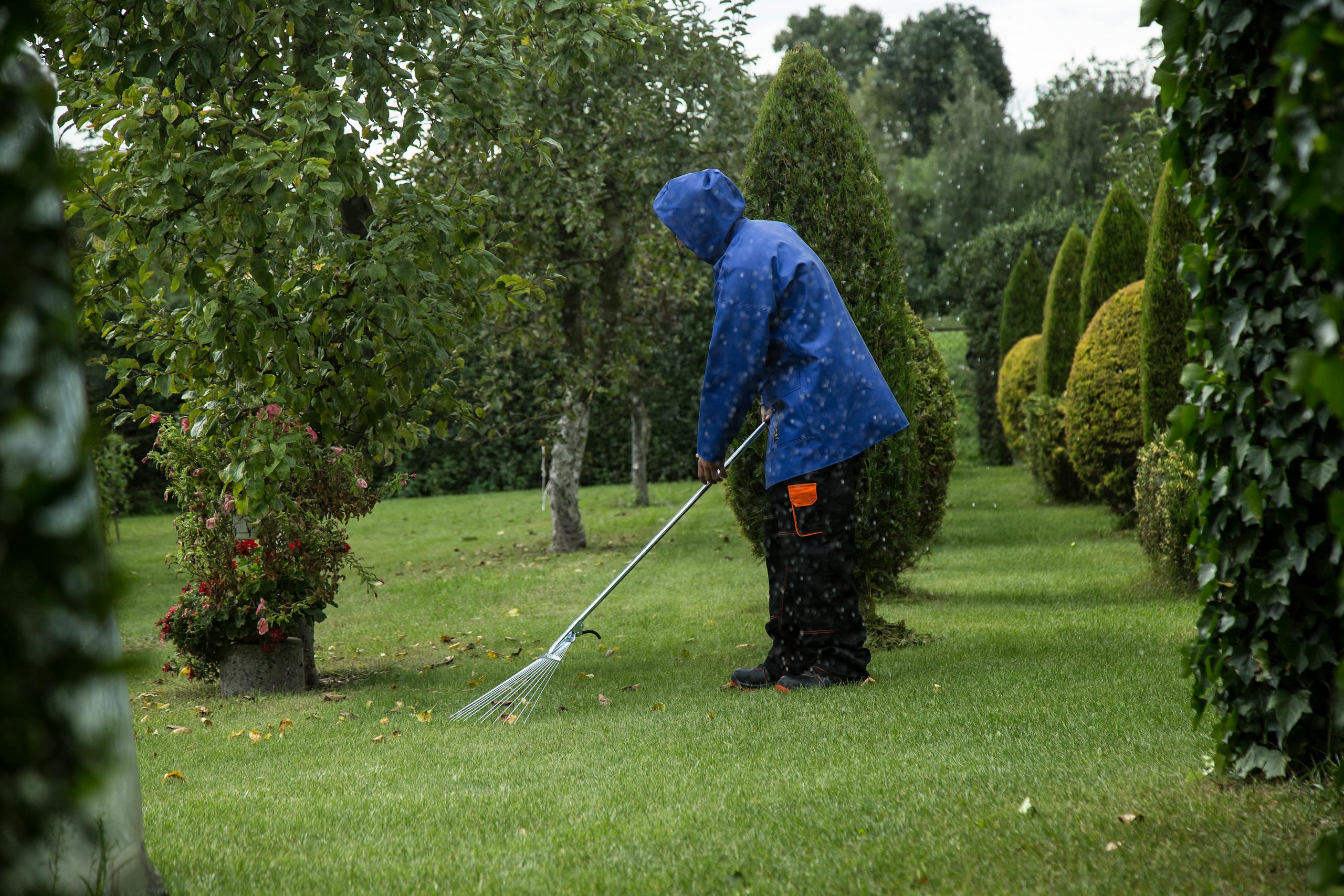
Everyone thinks that a little tidying up will instantly refresh their yard, but overzealous cleaning actually does more harm than good. Raking leaves, deadheading flowers, and trimming shrubs too often can damage plants, deplete nutrients from your soil, and even attract pests. You’re not improving your yard you’re creating a maintenance nightmare.
Quick Tip: Stop overdoing it. A little tidying is fine, but excessive pruning and cleaning will cost you in the long run. Learn to leave well enough alone.
Mulch
Mulch might seem like an easy fix to spruce up your garden beds, but it’s a costly, never-ending cycle. Each season, you’ll need to reapply it, spending more money for a temporary solution that quickly breaks down, attracts pests, and looks shabby.
Mulch is just a quick visual fix that demands constant upkeep.
Quick Tip: Skip the mulch and invest in more permanent ground covers like clover or creeping thyme. They require less maintenance and look better in the long run.
Seeding Your Lawn
Seeding a patchy lawn might seem like an affordable option, but the reality is far less glamorous. You’ll be stuck watering constantly, waiting weeks for the seeds to sprout, and praying they don’t wash away in a rainstorm.
It’s a slow, labor-intensive process that rarely delivers the lush, green lawn you’re hoping for.
Quick Tip: If your lawn is beyond saving, skip the seeding process and consider laying sod or installing artificial grass. It’ll save you time, money, and a lot of frustration.
Side Yards
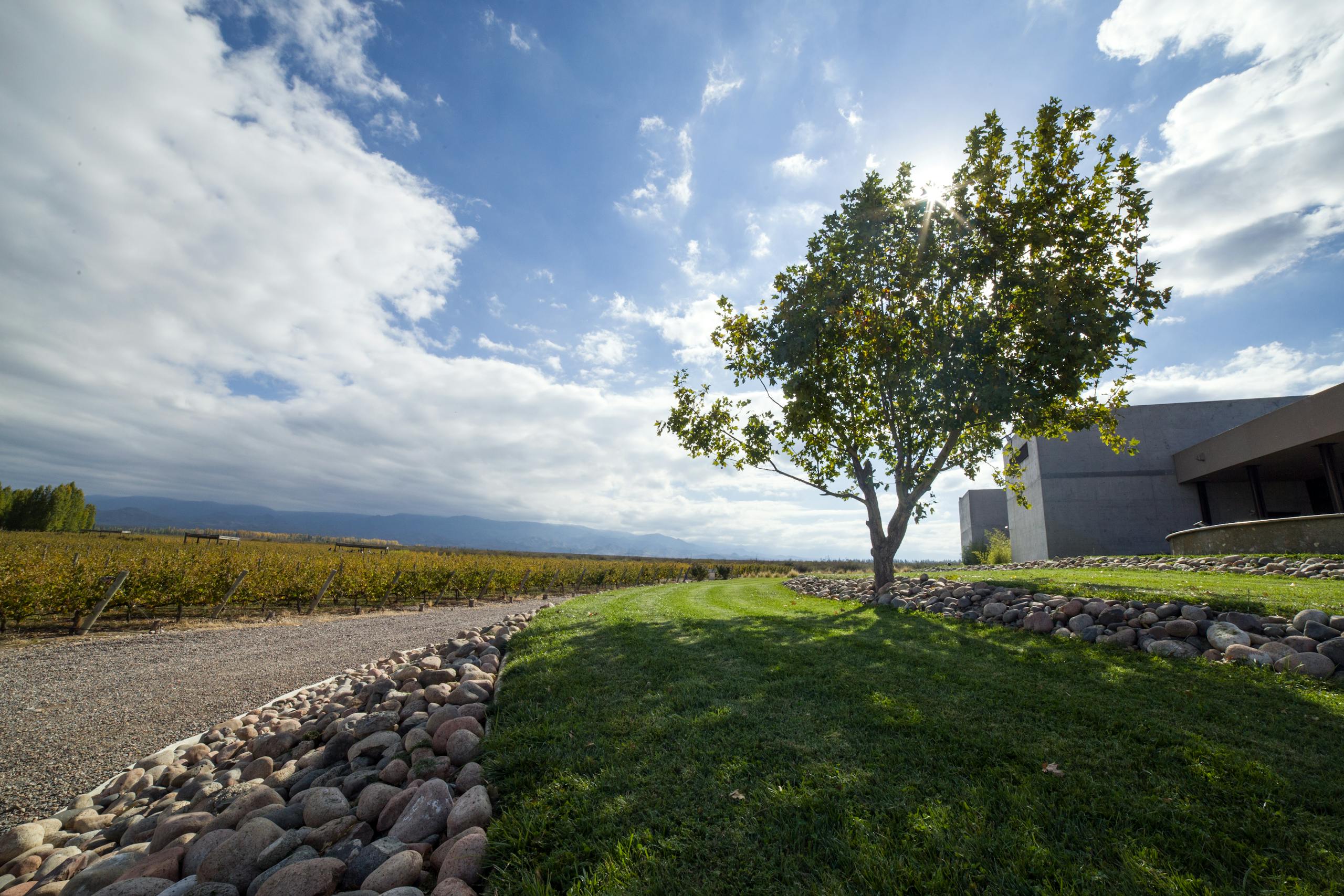
Think your side yard is the perfect place for a cheap landscaping makeover? Think again. Filling narrow, awkward side yards with gravel, stones, or sand often results in a barren, unattractive space that serves no real purpose.
These areas usually end up looking like an afterthought and attract more weeds and pests than anything else.
Quick Tip: Don’t waste time and money on side yards that are better left alone. Use them for storage or leave them natural sometimes; less is more.
Why This Matters
Landscaping might seem like an easy way to improve your home, but many of these “budget-friendly” tips are actually costing you more time, money, and frustration than they’re worth.
Instead of falling for quick fixes that promise instant results, take a step back and focus on long-term, low-maintenance solutions that will actually pay off. Avoid these common landscaping mistakes, and you’ll save yourself from unnecessary headaches.
FAQ
Q1: How can I improve my yard without wasting money?
Skip the quick fixes. Invest in plants suited to your climate, and focus on sustainable, low-maintenance options that won’t require constant rework.
Q2: What are the worst landscaping mistakes to avoid?
Over-relying on container gardens, bulk-buying plants without a plan, and seeding your lawn without a solid strategy are among the most costly and time-consuming mistakes.
Q3: How can I maintain my landscaping without constant investment?
Choose low-maintenance plants, use natural ground covers, and avoid unnecessary upkeep that leads to costly, short-term fixes.
Conclusion
Landscaping doesn’t have to be filled with costly and frustrating mistakes. Many of the “affordable” landscaping hacks you’ve been told to try are actually just shortcuts that lead to waste and disappointment. Instead of falling for gimmicks, focus on smart, sustainable solutions that will save you time, money, and effort in the long run. Your yard will thank you for it.