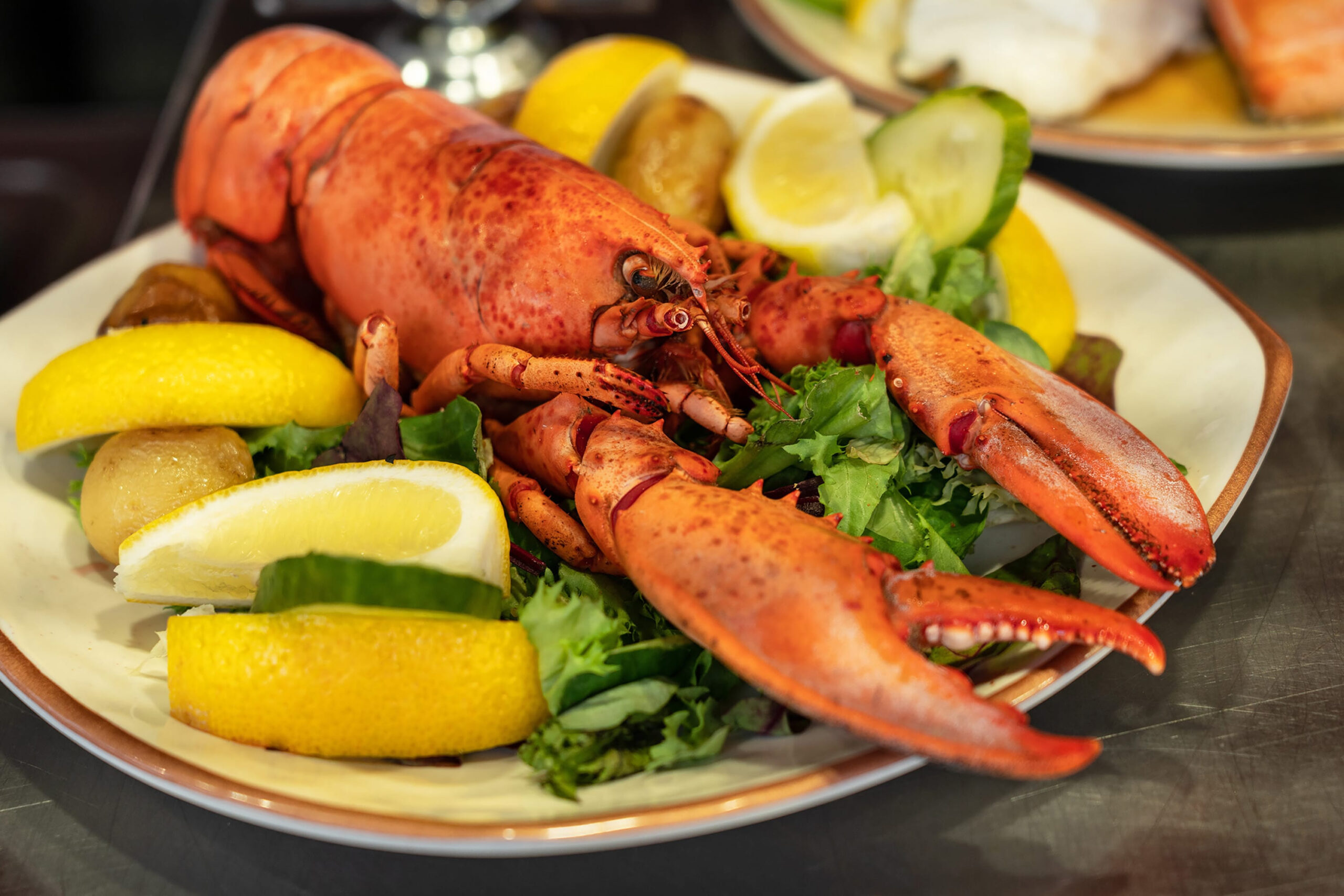
Beer pairing with food seems like a fun idea, right? But before you pop open that IPA to pair with your dinner, remember: the right beer can elevate your meal, but the wrong pairing can ruin the experience. In this article, discover why careful matching matters and learn about hidden pairing pitfalls that could leave your dining experience less than stellar.
Boldness That Steals the Spotlight
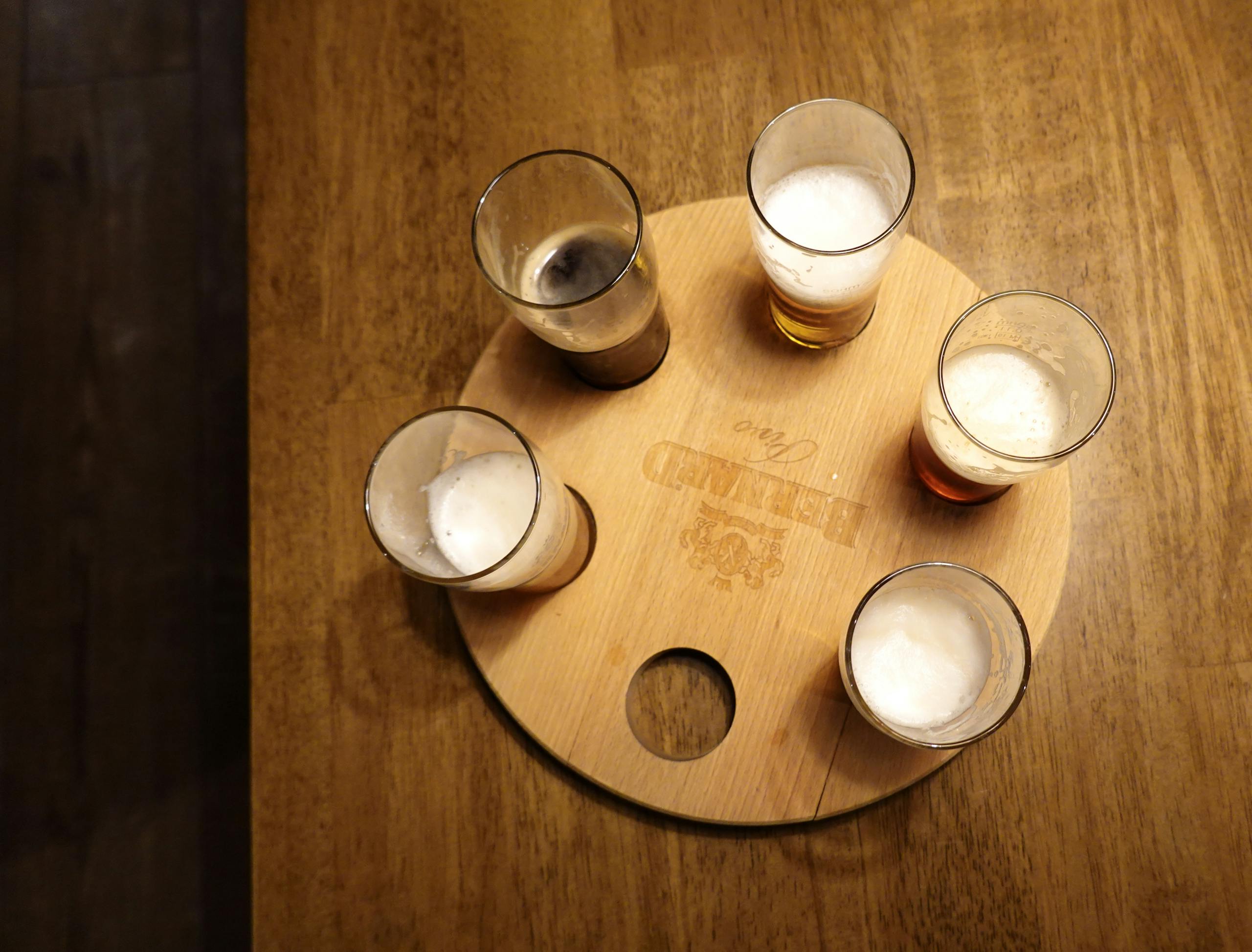
If you’re reaching for a stout to pair with your dinner, think twice, especially if you’re serving anything delicate. While stouts are great with hearty meats, their rich, chocolatey, and coffee-like flavors can quickly overpower lighter dishes, such as seafood or chicken.
Instead of enhancing the meal, a stout often takes over, masking the subtler flavors of your food and leaving you with a beer-heavy experience rather than a balanced pairing.
The Underwhelming Companion for Rich Dishes
Wheat ales might seem like a good option for light, crisp dishes, but they quickly fizzle out when paired with anything heavier. The beer’s light body and refreshing taste struggle to cut through the richness of fatty or creamy dishes, often leaving your meal and beer feeling flat.
When faced with anything more substantial than a salad, a wheat ale’s lack of complexity fails to provide the contrast that enhances the dining experience.
The Jack of All Trades, Master of None
Brown ales are often praised for their versatility, but this can be a double-edged sword. While it might seem like the perfect match for a variety of dishes, brown ale ends up being too malty for lighter meals and not bold enough for richer, spicier ones.
Instead of enhancing the meal, brown ale leaves you wondering whether it’s complementing your dish or just taking up space on your plate. It’s the middle-of-the-road choice that doesn’t quite satisfy either side.
A Poor Fit for Spicy Foods
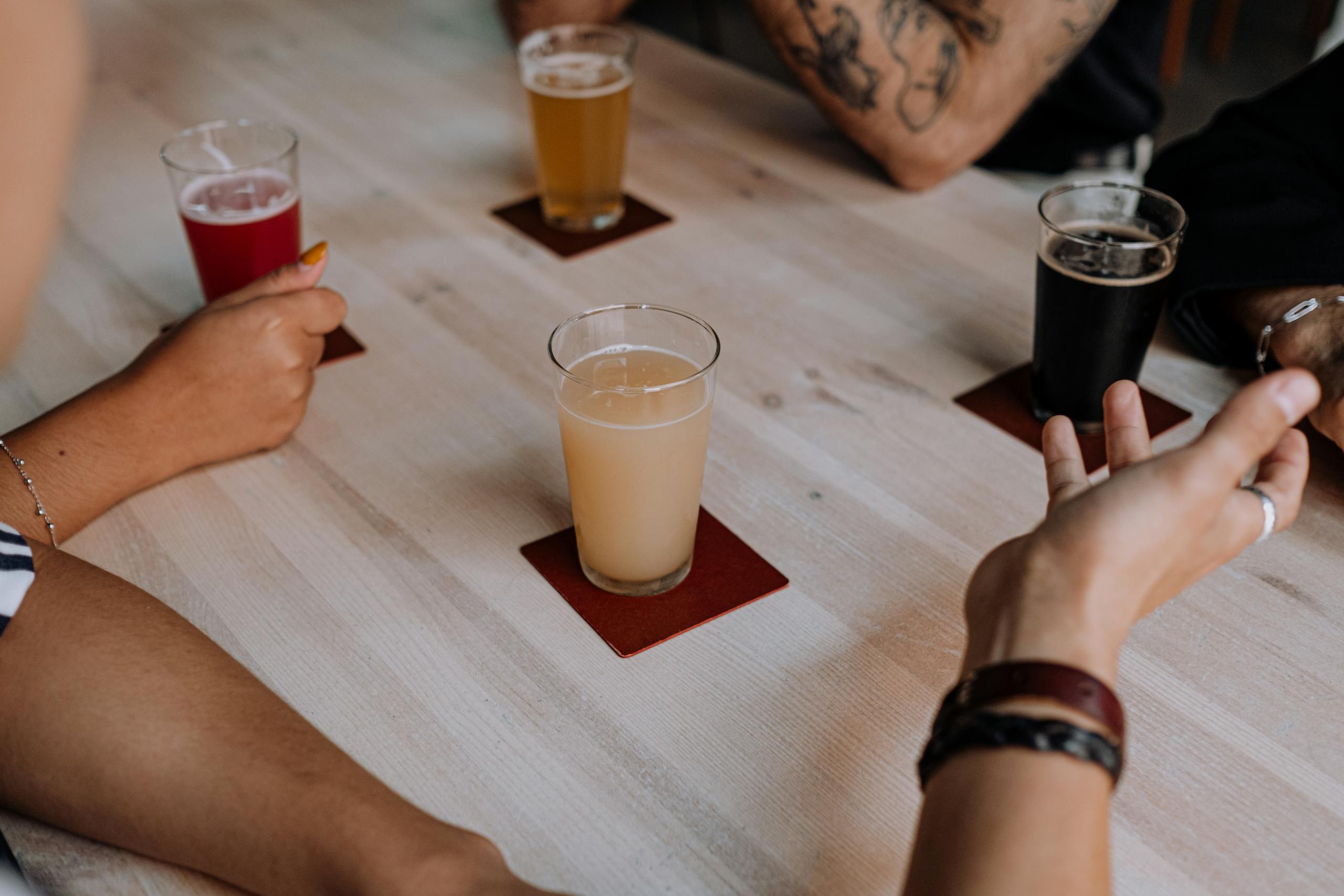
Red ales are marketed as a good choice for hearty meals, but they fail spectacularly when paired with spicy dishes. The beer’s malt-forward profile overwhelms the heat from dishes like curry or spicy BBQ, muddying the flavors and creating an unbalanced experience.
Instead of cutting through the spice, red ale simply adds to the chaos, leaving you with a pairing that doesn’t complement but competes with the food.
The Trendy Beer That Doesn’t Always Work
IPAs have become synonymous with beer pairings, but their trendiness doesn’t mean they’re a good fit for every meal. The bitterness that makes IPAs so popular can easily overwhelm your food, masking its flavors instead of enhancing them.
Pairing an IPA with a subtle dish is a recipe for disaster, as the beer’s sharp notes quickly steal the show. While fashionable, IPAs are often chosen more for their reputation than their true compatibility with food.
The Fruit-Filled Disappointment
Belgian white beers are often thought to be a great match for seafood or light salads, but they lack the depth required to elevate heavier dishes. The fruity and slightly spicy profile might work in theory, but when paired with anything richer than a basic salad, it falls flat.
Instead of adding complexity or balance, the beer’s sweetness becomes more of a distraction than a complement, leaving your meal feeling incomplete.
Safe but Forgettable
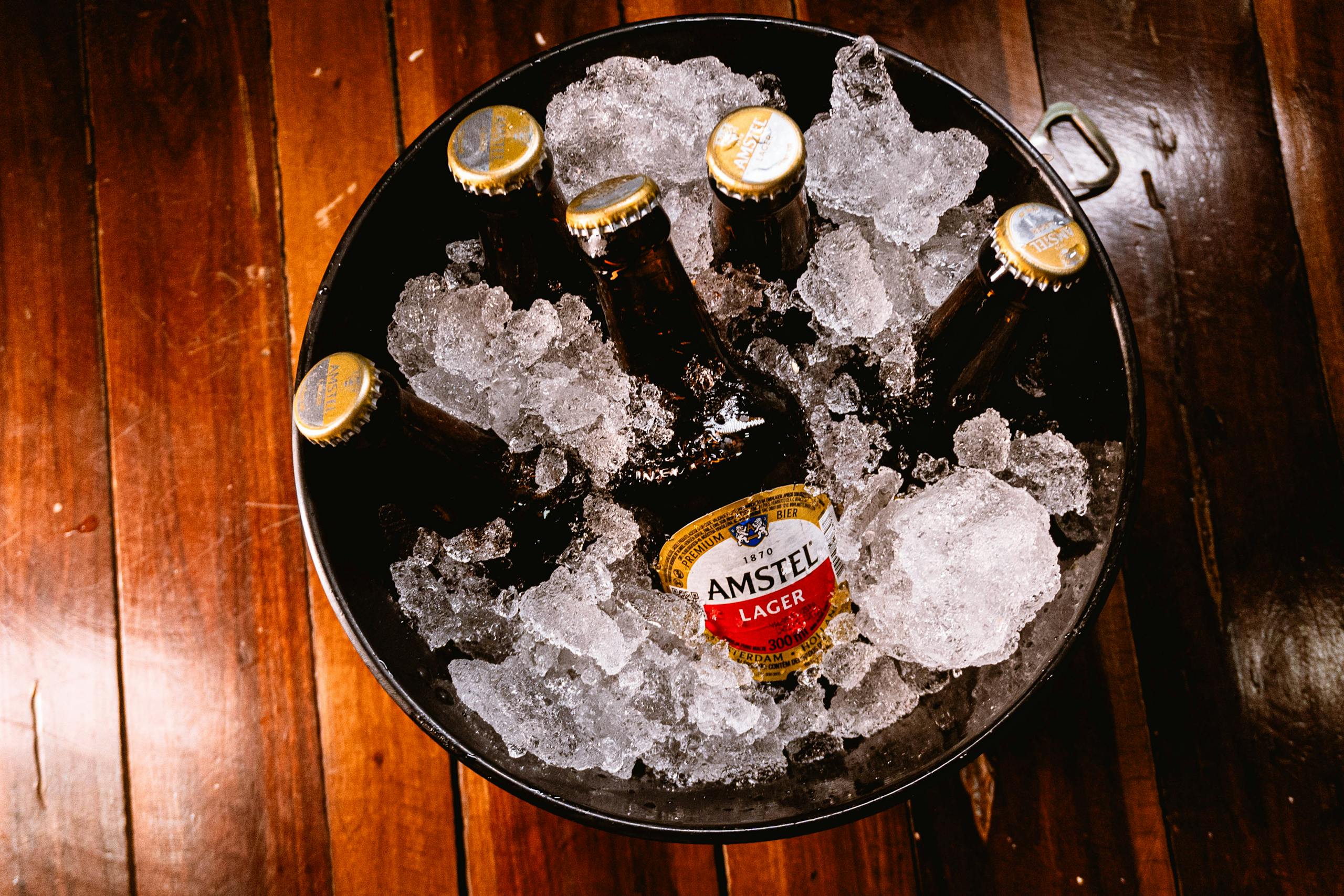
Lagers are widely known for their clean and crisp flavor, making them a go-to choice for pairing with many meals. While they may be safe, lagers are often boring and lack the complexity to enhance your dining experience.
They might refresh your palate between bites, but they do little to elevate or interact with the food’s flavors. The end result? A forgettable beer that doesn’t add anything significant to the meal.
The Bland, Uninspiring Choice
Blonde ales are often labeled as versatile and easy-drinking, but their simplicity can be their downfall. While they provide a mild, malty sweetness, they lack the bold flavors needed to enhance spicier or more flavorful dishes.
Instead of complementing the meal, blonde ales simply serve as a neutral filler, doing little to engage the taste buds. If you’re hoping for a beer that elevates the dish, you’ll find yourself disappointed by the flatness of a blonde ale.
Sweetness That Clashes with Savory
Porters may seem like an ideal match for smoky grilled meats, but their rich, caramelized sweetness can clash with the meal’s savory elements.
Instead of balancing the bold flavors of barbecue or charred meats, porters often introduce a discordant sweetness that disrupts the harmony between food and drink.
The beer’s dessert-like qualities make it an odd pairing with savory dishes, leaving you with an unbalanced, unsatisfying experience.
Why Too Much Hops is a Bad Thing
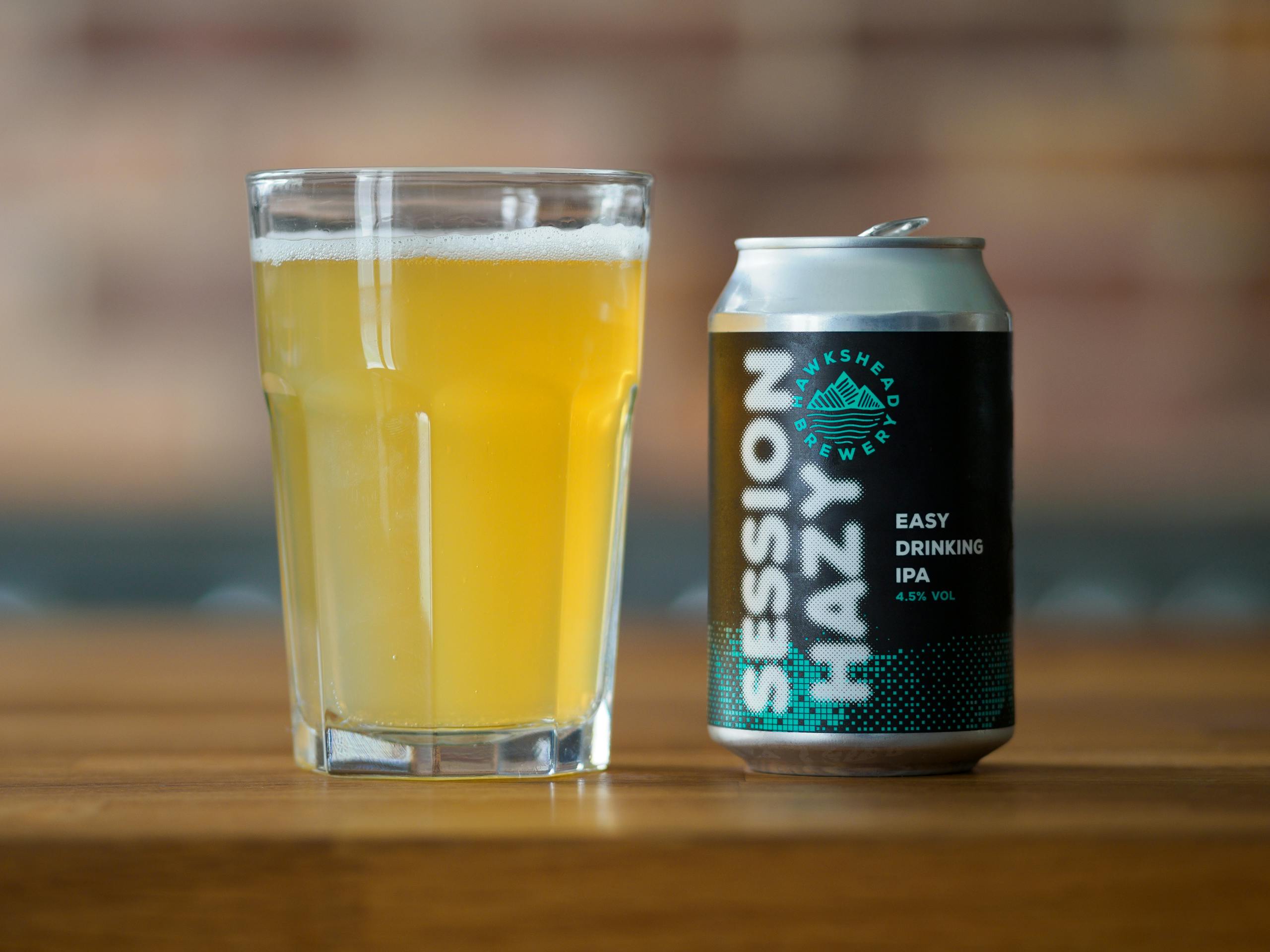
IPAs are often seen as the go-to beer for bold, flavorful dishes, but their bitterness can easily overwhelm a delicate meal. When paired with more subtle dishes, the IPA’s sharp, hoppy bitterness often masks the food’s natural flavors rather than complementing them.
It’s easy to fall into the trend of pairing IPAs with everything, but sometimes, less is more, especially when it comes to such a powerful beer that can take over any dish.
The Dangers of Pairing for the Sake of It
There’s a temptation to get creative and try out unusual beer pairings, but experimentation doesn’t always work out as planned. Pairing a fruit-forward beer like a hefeweizen with a rich, fatty pork roast can lead to a clash of flavors, leaving both the beer and the food underwhelming.
Trying to pair beers just because they seem “interesting” can lead to a disappointing meal in which neither the beer nor the food shines. It’s important to consider flavor profiles before jumping into a pairing, rather than relying solely on creativity.
Conclusion
While pairing beer with food may sound like a great way to enhance your dining experience, the reality is that many popular beer choices are doing more harm than good.
From overpowering IPAs to bland lagers, the wrong beer can drown out your meal’s flavors, leaving you disappointed. The main takeaway is that the key to a successful pairing is balance: choose a beer that complements, rather than competes with, your food.
By rethinking your beer choices and considering the flavor profiles more carefully, you can enjoy a pairing that truly elevates your meal.