Throughout history, countless popular ideas and trends have captivated societies, only to reveal their harmful consequences later. From health fads to beauty trends, many well-intended practices have been found to carry grave risks.
Let’s explore 10 such ideas that, despite their widespread adoption, turned out to be much more dangerous than initially perceived.
Skipping Vaccinations
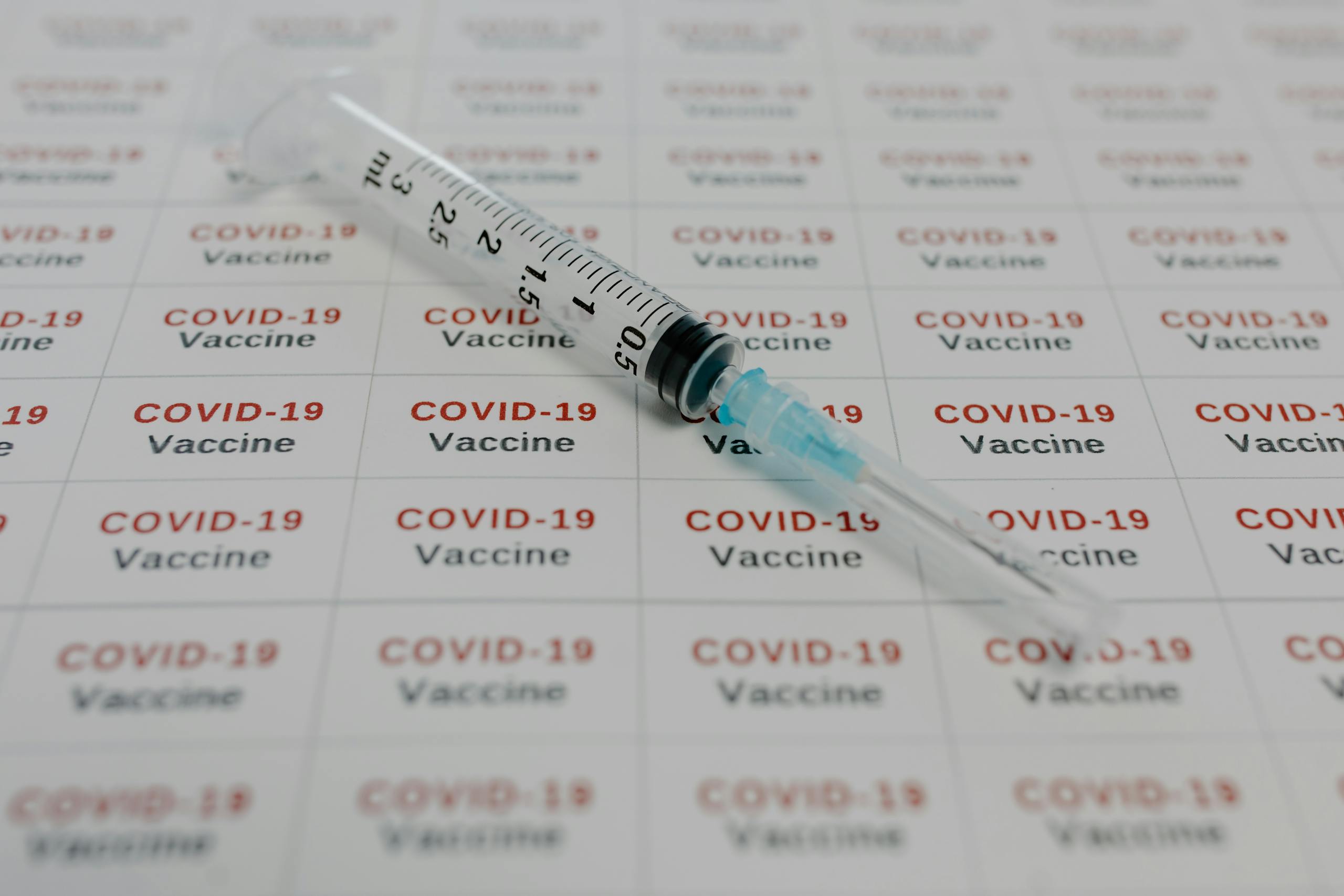
The anti-vaccination movement persists, despite overwhelming evidence for immunization’s benefits. Vaccines have eradicated diseases like polio and smallpox and are vital for public health. Yet, misinformation, including the debunked vaccine-autism claim, has led to outbreaks.
In 2014, measles resurged in the U.S. with 288 cases, mostly among unvaccinated individuals. Skipping vaccinations poses real risks—vaccines save lives and prevent millions of illnesses each year.
Wearing Muslin
During the early 19th century, light, sheer muslin dresses became a fashion sensation across Europe, especially in Paris.
The material, prized for its elegance and purity, inadvertently sparked a deadly health crisis. Often, women wore these wet muslin dresses year-round, even through winter, which compromised their immune systems.
When influenza struck Paris in 1803, tens of thousands—mostly women weakened by this trend—succumbed to the outbreak. Fashion choices, even if well-intended, can unintentionally shape public health in profound ways.
Asbestos
Asbestos, once heralded for its heat resistance and durability, was widely used in construction materials, insulation, and even household items for decades.
In ancient Greece, it was used in funeral pyres and cooking pots, and its use continued well into the 20th century.
However, the fibers from asbestos can cause severe lung conditions such as mesothelioma and asbestosis when inhaled. The full extent of its dangerswasn’t fully recognized until the 1970s, by which time countless lives had been lost.
E-Cigarettes

E-cigarettes were introduced as a safer alternative to traditional smoking, offering nicotine without harmful tar. While they contain fewer toxic chemicals, risks are often downplayed.
Their vapor contains substances such as formaldehyde, acetone, and propylene glycol, which can cause respiratory issues and irritation.
The liquid nicotine also poses poisoning risks to children and pets, with hundreds of incidents reported. Though promoted as safer, e-cigarettes remain harmful.
Dietary Supplements
The dietary supplement industry is largely unregulated, with many products entering the market without the rigorous testing required for prescription drugs.
While some supplements may provide health benefits, others are laden with unlisted, dangerous substances. For instance, in 2013, the FDA pulled several weight loss supplements from the shelves after discovering that they contained dimethylamlamine (DMAA), a stimulant linked to psychiatric disorders and even death.
The lack of oversight in the supplement industry means that consumers are often exposed to potentially deadly substances under the guise of health benefits.
Radium Watches
Radium was once a sought-after substance for its ability to glow in the dark, and it was used in everything from watches to military equipment. In the early 1900s, dial painters, mostly young women, were employed to paint watch dials with radium.
Many of these workers ingested radium by licking their brushes to achieve fine detailing, unaware of the dangers of prolonged exposure. Over time, they developed severe health issues, including bone decay and cancer.
Despite early warnings, the true dangers of radium were not fully understood until the 1920s, after hundreds of workers had already been exposed to its toxic effects.
Mercury in Hat-Making

The phrase “mad as a hatter” originates from the use of mercury in the hat-making industry during the 18th and 19th centuries. Mercury was used to treat fur during hat felt-making, exposing workers to toxic mercury vapors.
Over time, this exposure led to neurological damage, resulting in symptoms such as tremors, irritability, and hallucinations. Hatters suffering from mercury poisoning were known to display erratic behavior, hence the term “mad as a hatter.”
The use of mercury in hat-making was eventually banned, but not before it caused lasting damage to many workers.
Cadmium Paint
Cadmium sulfide, a component of many yellow paints, was once a popular pigment used by artists, including Van Gogh and Monet. The dangers of cadmium were not well known at the time, and the metal’s use continued well into the 20th century.
Cadmium is a toxic carcinogen, and prolonged exposure can lead to lung cancer, kidney damage, and other serious health issues. Even though artists’ paints containing cadmium are now less common, cadmium remains a risk in some consumer products.
The 2010 recall of McDonald’s Shrek-themed merchandise due to cadmium contamination serves as a reminder of its continued presence in everyday items.
Carving Pumpkins
Carving pumpkins is a beloved Halloween tradition, but it carries surprising risks.
Research from SUNY Upstate Medical University found that one-third of Halloween injuries occur while carving pumpkins, ranging from minor cuts to severed tendons.
Special pumpkin-carving tools are safer than kitchen knives, but carving itself remains risky. Taking precautions, like using safer tools and applying controlled pressure, helps reduce injuries during this activity.
Skin Care Products

Throughout history, beauty trends have often sacrificed health for appearance. In feudal Japan, women used lead-based powders to achieve a pale complexion, unaware of the long-term effects of lead poisoning.
Similarly, mercury-based products were used in Western beauty routines, leading to neurological disorders. In modern times, sun exposure has become associated with beauty and youth, despite its well-documented link to skin cancer.
Despite the growing awareness of the dangers of sun exposure, people continue to tan excessively, increasing their risk of skin cancer and premature aging.
Conclusion
Throughout history, ideas once considered harmless have led to serious consequences.
Whether it’s the misguided health trends, dangerous materials, or beauty practices, it’s crucial to examine the risks associated with popular ideas. From e-cigarettes to muslin dresses, these examples serve as reminders of how society can blindly follow trends without fully understanding their dangers.
The next time we encounter a new fad or popular idea, let’s be more cautious and consider its potential impacts on our health and well-being.