Food is more than just fuel; it’s an experience, driven by complex chemistry that enhances flavors, textures, and aromas. In this article, we’ll dive into the scientific processes that make ten popular foods irresistible.
By understanding the chemistry that makes them taste so good, you’ll not only appreciate your favorite dishes but also gain insight into the fascinating world of culinary science.
Caramelization

Caramelization occurs when sugar is heated to around 340°F (170°C), undergoing a chemical transformation that produceshundreds of flavorful compounds. This process creates the rich, nutty, and toasty taste associated with caramel.
As the sugar breaks down, new compounds such as furans, diacetyl, and maltol emerge, intensifying the sweetness and adding depth. The evolution of caramel over the centuries shows how this simple chemical reaction has become a beloved treat worldwide.
Roasting Coffee
Coffee roasting is a chemical process that unlocks the hidden flavors of the raw coffeebean. During roasting, green coffee beans go through various stages, with the Maillard reaction and other chemical transformations producing complex flavors and aromas.
As the roast deepens, compounds such as pyrazines and acetaldehyde contribute to smoky, fruity, and rich notes. The roast level, from light to dark, directly influences the flavor profile, making coffee a diverse and intricate beverage.
Yeast Fermentation in Bread
The airy, light texture of bread comes from yeast fermentation, a process that produces carbon dioxide gas, causing the dough to rise. When yeast feeds on the sugars in the flour, it releases CO₂, which is trapped by the gluten network.
This fermentation not only creates the bread’s structure but also produces flavorful compounds that contribute to its tangy aroma. The final bake sets the dough and gives the bread its characteristic flavor and texture.
Ceviche

Ceviche is a dish in which raw fish appears to “cook” in the acidic juices of lemons and limes. Citric acid denatures the proteins in the fish, altering its texture and color without heat.
This chemical process mimics cooking by causing the proteins to unfold and reorganize, resulting in a firm, opaque texture. The timing of the marination is crucial, as overexposure can lead to a dry, tough texture.
The Chemistry of Frying and Glazing
Donuts owe their appeal to the chemical processes of frying and glazing, which create the perfect balance of crispy and soft textures. When the dough is fried, the water inside turns to steam, causing the donut to puff up.
The Maillard reaction occurs, giving the donut its golden-brown color and complex flavors. After frying, the donut is coated with a glaze that quickly forms a sugary crystalline shell, adding sweetness and texture.
Umami in Pizza
Umami, the fifth taste, plays a central role in pizza’s rich flavor, contributing depth and savoriness. Ingredients like tomatoes and cheese are naturally high in glutamates, the compounds responsible for this savory taste.
As the pizza bakes, the glutamates are activated, intensifying the umami experience. Additional toppings like Parmesan and cured meats further enhance the umami, making pizza a flavor-packed dish.
The Chemistry of Chocolate
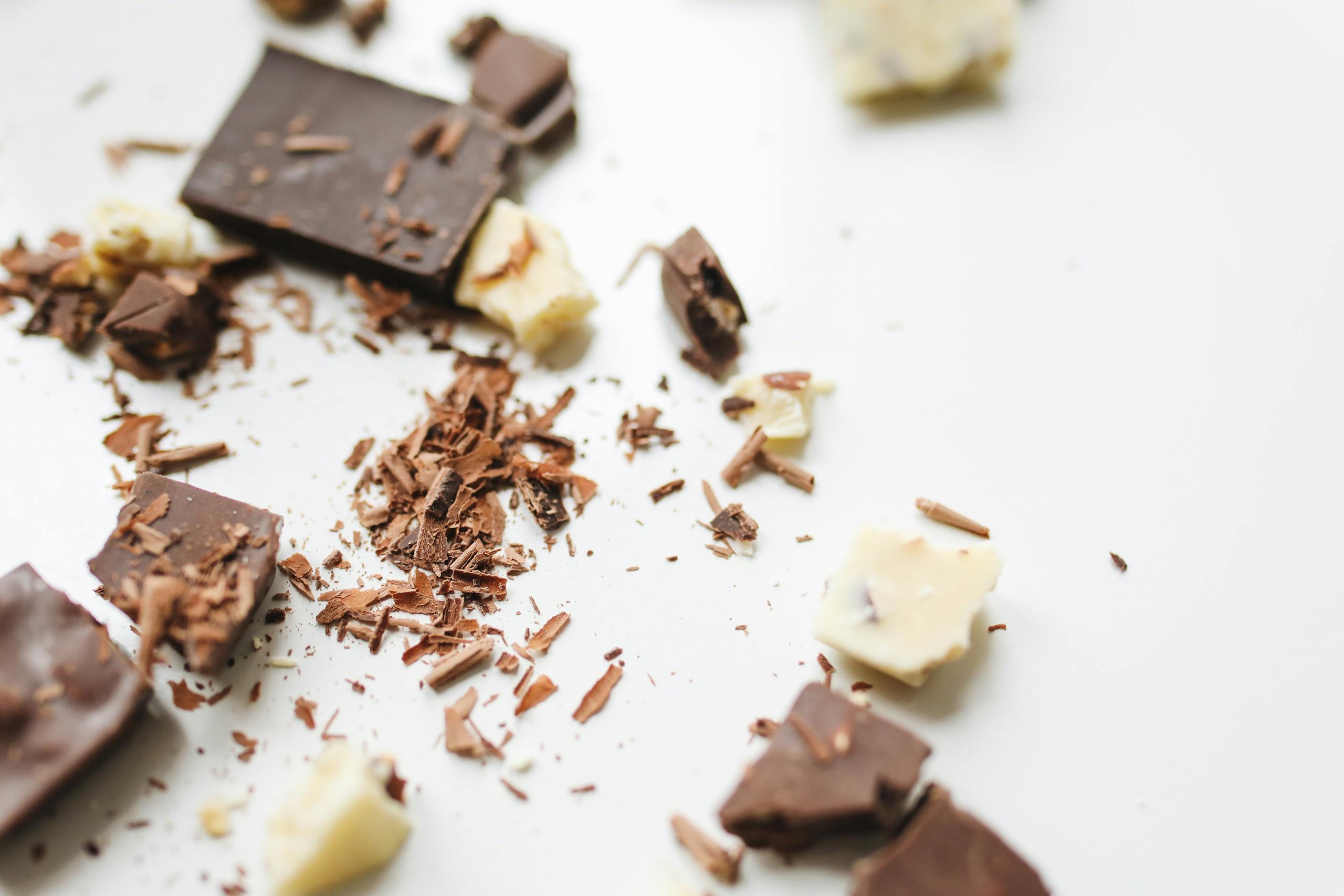
Chocolate’s irresistible flavor is the result of chemical processes that occur during the fermentation and roasting of cocoa beans.
The fermentation breaks down bitter compounds in the beans, while roasting releases a variety of complex flavor compounds.
Maillard reactions and caramelization further enhance chocolate’s flavor depth, giving it a rich, smooth taste. The combination of these processes creates the beloved treat we all enjoy.
The Chemistry Behind the Perfect Steak
Steak’s rich flavor and texture result from chemical reactions during cooking, primarily the Maillard reaction.
As the steak cooks, proteins and sugars in the meat react, forming new, complex flavors and a golden-brown crust. The fat in the steak also melts, adding juiciness and richness to the taste.
The longer the steak is cooked, the more intense these flavors become, creating the perfect steak.
How Butter Enhances the Flavor of Your Favorite Foods
Butter is more than just a cooking fat; it enhances the flavors of other ingredients through its fat content. The fat in butter carries and amplifies fat-soluble flavor compounds, making dishes taste fuller and richer.
When butter is browned, it undergoes the Maillard reaction, creating nutty, toasty flavors. This versatility is why butter is a key ingredient in many recipes, improving both texture and taste.
The Chemistry of Spices

Spices are rich in chemical compounds that interact with our taste receptors to create complex flavors. Capsaicin in chili peppers, piperine in black pepper, and curcumin in turmeric all contribute distinct sensations, from spicy to earthy.
When cooked, these compounds are released, intensifying the flavors in dishes. The heat from cooking also activates the oils in spices, allowing their flavors to fully develop and enhance the overall taste of the food.
Conclusion
By understanding the chemistry behind the foods we love, we gain a deeper appreciation of the complex processes that make these dishes so delicious.
Whether it’s the sweetness of caramel, the richness of coffee, or the savory umami of pizza, chemistry plays a pivotal role in creating the unforgettable flavors we crave.