When we think about modern food trends, names like avocado toast, plant-based burgers, or exotic cheeses often come to mind.
However, what if we told you that the foundations of these dishes stretch back thousands of years, with origins in ancient cultures? That’s right—our modern culinary favorites have deep historical roots. Join us as we uncover the rich histories of some of our beloved dishes that have satisfied appetites for millennia.
Pancakes

Pancakes are a breakfast staple with origins dating back over 5,300 years. The earliest evidence comes from Otzi the Iceman, a Copper Age mummy, whose last meal included red meat and einkorn wheat pancakes cooked over an open fire. This shows that ancient humans enjoyed dishes similar to the breakfast we have today.
Cheesecake
Cheesecake may seem modern, but ancient Greeks created their version over 2,000 years ago with cheese, honey, and flour, fueling Olympic athletes.
Romans later tweaked the recipe with ricotta and eggs, establishing the foundation for today’s creamy dessert.
Tamales
Tamales are a popular dish across Latin America today, but their origins trace back over 7,000 years to the Aztec and Mayan civilizations. They were made from masa dough, filled with vegetables or meat, and wrapped in leaves or corn husks.
These early tamales were portable, making them ideal for soldiers or travelers who needed a quick, satisfying meal. Today, tamales have retained much of their traditional charm and remain a staple in many cultures.
Popcorn

Popcorn, a favored movie snack, dates back at least 4,000 years. Archaeologists found puffed kernels in Mexican caves, showing that ancient people enjoyed popcorn as a treat and for ritual decoration.
Popcorn’s transformation from cultural artifact to modern snack highlights its appeal.
Noodles
Noodles, often linked with Chinese cuisine, have existed for over 4,000 years. The oldest discovered noodles were found in China, and written records date to the East Han Dynasty nearly 2,000 years ago.
From ancient origins, noodles have become a global staple.
Pot Pie
Pot pie, viewed as comfort food, dates back over 3,700 years to Mesopotamia. Early versions used meat like birds with gizzards, hearts, and livers, spiced crusts, and featured fiery fillings.
The concept of baking a meal in pastry remains popular today.
Bread
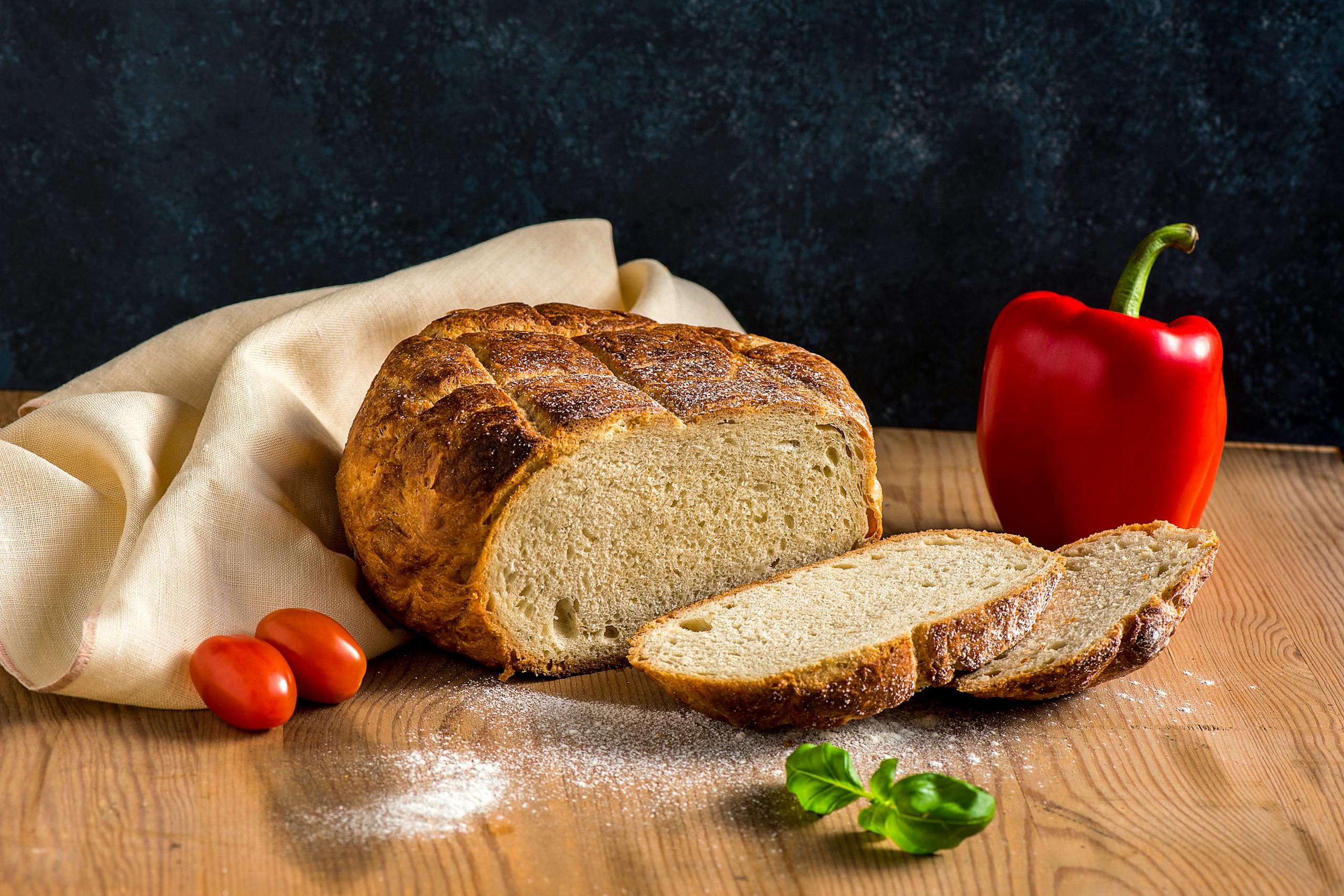
Bread is one of humanity’s oldest prepared foods, dating back over 14,000 years. The earliest forms of bread were flatbreads made from grains, with the ancient Egyptians being the first to master leavened bread.
Bread was a central part of daily life in many ancient cultures and has remained an essential food throughout human history. Today, bread comes in a wide variety, but its historical significance as a source of sustenance remains unchanged.
Beer
Beer, believed to have beenfirst brewed over 7,000 years ago, was a staple in ancient Mesopotamia. The Sumerians brewed beer from barley, which was used for both social and medicinal purposes.
Early beer was thick and unfiltered, consumed using a straw, and played an important role in rituals and religious ceremonies. Though modern beer is far different, the ancient tradition of brewing has continued through the centuries.
Olives
Olives have been cultivatedfor over 6,000 years. Early olive trees grew in Crete, with uses for food, oil, and medicine.
The crop’s versatility secured its place in ancient civilizations. Today, olives and olive oil remain central to Mediterranean cuisine.
Wine

Wine has been enjoyed by humans for over 6,000 years, with the earliest evidence of winemaking found in the Caucasus region.
The ancient Greeks, Romans, and Egyptians valued wine not just for its intoxicating effects but also for its medicinal properties.
It was used in religious ceremonies, feasts, and daily life, highlighting its importance in ancient cultures. Today, wine remains a popular beverage, enjoyed in a variety of forms around the world.
Conclusion
Exploring the history of pancakes, tamales, and noodles reveals that today’s beloved dishes have ancient origins.
These foods have adapted over time yet retain core elements that make them timeless.
When you savor pasta or cheesecake, you’re tasting centuries of tradition.