Have you ever thought that the beautiful flowers and lush greenery around you could be hiding a dangerous secret? Many plants we encounter in gardens, homes, and parks are not as harmless as they appear.
Some contain toxic compounds that can cause serious health issues for both humans and animals. In this article, we will uncover 10 common plants that are surprisingly toxic and explain how to identify and handle them safely.
Poinsettia (Euphorbia pulcherrima)

Poinsettias are widely associated with the holiday season and are known for their bright red and green foliage. Despite their festive appeal, they contain diterpene esters, a toxic substance found in their sap. While they’re often considered highly poisonous, the actual danger is relatively mild unless large quantities are consumed. Ingesting the plant can lead to symptoms like vomiting and diarrhea, and direct contact may cause skin irritation or eye discomfort.
Datura (Datura stramonium)
Datura, also known as Jimson, weed or Devil’s trumpet, is a highly toxic plant found in various environments. All parts of the plant—especially the seed pods and flowers—contain tropane alkaloids like atropine and scopolamine, which can cause severe hallucinations, delirium, and potentially fatal poisoning if ingested.
Even minimal exposure can be deadly. Although it has been used in the past for religious rituals, Datura is now recognized as highly dangerous, warranting extreme caution.
English Ivy (Hedera helix)
English Ivy is a popular ornamental plant commonly used in homes and gardens. While it may seem harmless, its leaves contain triterpenoid saponins that can cause severe poisoning if ingested.
This toxin can lead to hallucinations, delirium, and fever, along with severe skin reactions like rashes and blisters. The plant’s invasive nature makes it even more hazardous, especially when it spreads unchecked in outdoor spaces.
Easter Lily (Lilium longiflorum)
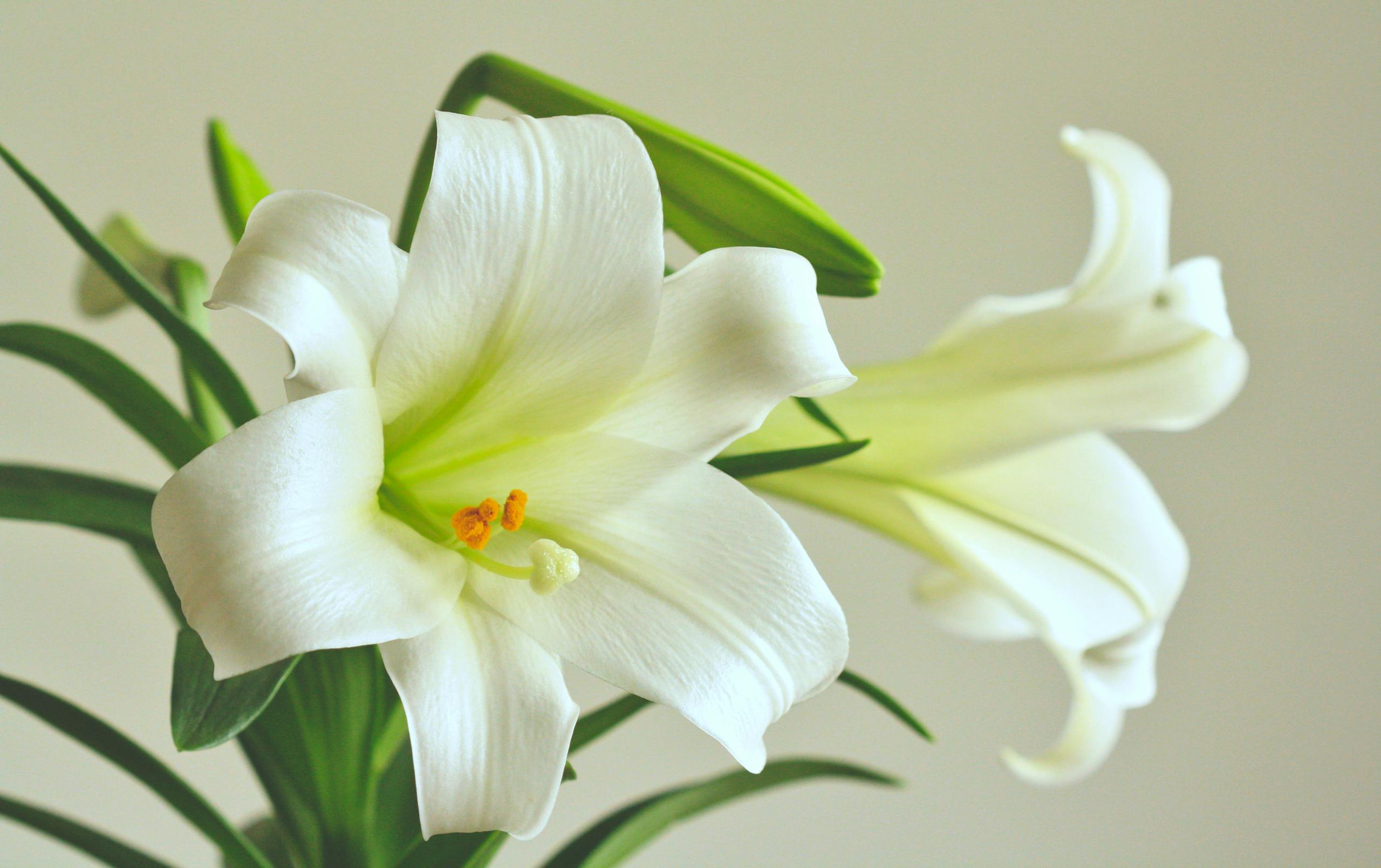
The Easter Lily, a favorite during the spring season, carries a toxic surprise in its beautiful petals. The plant contains alkaloids, such as lycorine, which can cause serious poisoning in both humans and pets, particularly cats.
Symptoms of poisoning include nausea, vomiting, and abdominal pain, and for cats, it can lead to kidney failure if ingested. As a result, this plant is highly dangerous to pets and should be kept out of reach.
Larkspur (Delphinium spp.)
Larkspur is an elegant flower found in many gardens, yet it hides a toxic secret. The plant contains alkaloids such as delphinine, which can cause severe symptoms when ingested, including nausea, vomiting, and even paralysis.
Livestock, particularly cattle, are at risk when they graze this plant. Ingestion can be fatal, making it essential for ranchers to manage their pastures carefully.
Azalea (Rhododendron spp.)
Azaleas are known for their striking flowers, often seen in gardens across the world. However, they contain andromedotoxin, a potent neurotoxin. Ingesting even small amounts can cause symptoms such as nausea, vomiting, and difficulty breathing.
This toxin can also lead to severe symptoms, including paralysis and death, especially in children and pets.
Dumb Cane (Dieffenbachia)
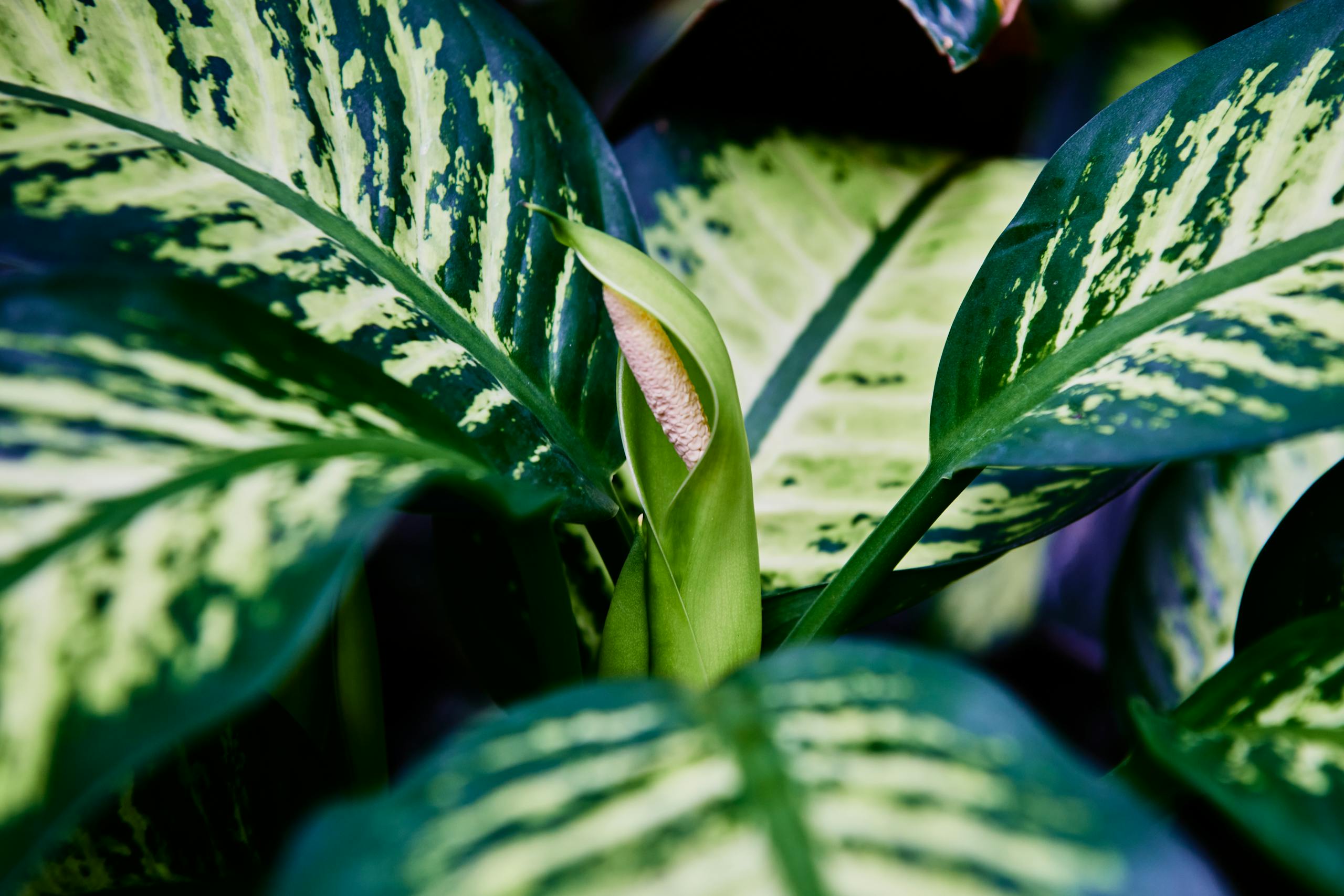
Dumb Cane is a common houseplant known for its striking appearance and ease of care. However, the plant’s leaves contain calcium oxalate crystals, which can cause intense pain and swelling if chewed.
Ingesting the plant can result in burning sensations in the mouth and throat, and, in severe cases, temporarily paralyze the vocal cords, causing difficulty speaking. Despite its widespread availability, it’s essential to keep this plant out of reach of children and pets.
Oleander (Nerium oleander)
Oleander is an attractive shrub often planted for its vibrant flowers, yet it is considered highly toxic. The entire plant contains cardiac glycosides, which can cause fatal poisoning if ingested.
Symptoms include nausea, dizziness, irregular heartbeat, and seizures, and even a small amount may be lethal to humans and animals. The plant’s toxicity persists after drying, making it particularly hazardous.
Foxglove (Digitalis purpurea)
Foxglove is another beautiful flowering plant that is widely cultivated in gardens. It contains toxic cardiac glycosides that can affect the heart when ingested.
Early symptoms of poisoning include nausea, vomiting, and hallucinations, followed by irregular heart rhythms and even death. Although it has been used in the past to treat heart conditions, the plant’s toxicity makes it highly dangerous when consumed improperly.
Aloe Vera (Aloe barbadensis miller)
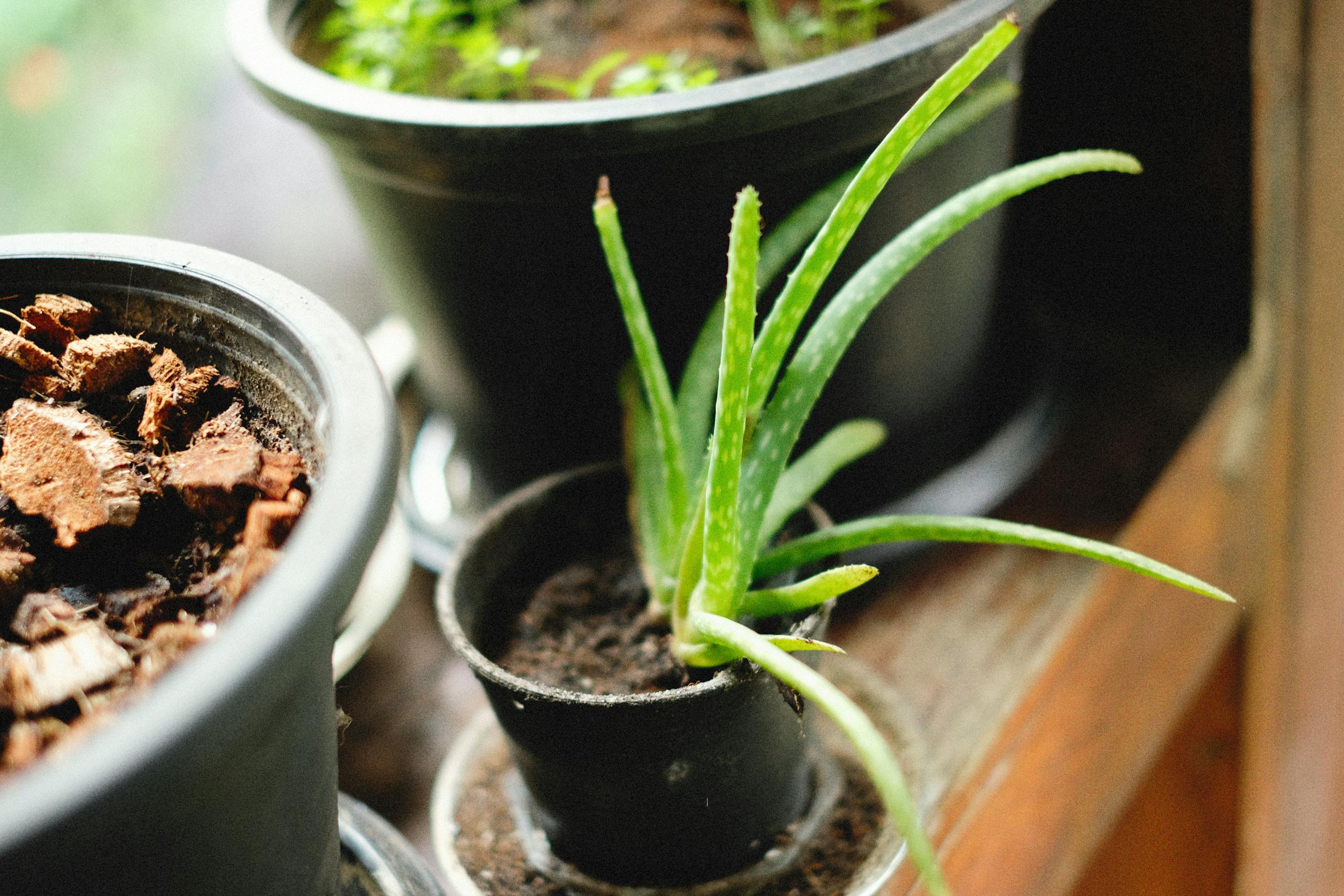
Aloe Vera is known for its properties in treating burns. However, the plant’s outer leaves hold aloin and anthraquinone glycosides, which are toxic if consumed.
Ingesting large quantities may result in abdominal cramping, nausea, and diarrhea. The gel inside the leaves is usually safe for topical use, but caution should be exercised when considering ingestion.
Conclusion
In summary, while these plants add beauty to our surroundings, they also carry hidden dangers. Familiarizing yourself with common toxic plants and taking steps to prevent accidental exposure will help keep your household safe.
Enjoy your garden with increased awareness and always take precautions to protect children and pets from potential harm.