Names carry meaning, history, and significance, often with an aura of positivity or even grandeur. But for some names, the backstory isn’t as pretty as you might think.
While you might choose a name based on its sound or cultural significance, some seemingly harmless names have unsettling, eerie, or even dark histories. Buckle up… some of these names are likely to surprise you!
Douglas

We’ve all heard the name Douglas, whether in history, films, or even from a friendly neighbor. But did you know the name comes from the Gaelic phrase “dubh glais,” which means “black water”?
It’s not as charming as it sounds. The murky, ominous waters of a river in Lanarkshire, Scotland, inspired the name.
Back in the day, locals were spooked by the deep, dark waters, fearing what could lurk beneath. From this chilling origin, Douglas evolved from a surname into the well-known first name we recognize today.
Mara
Mara is a name that may sound serene and pleasant to many, but its roots carry a much darker symbolism. In Hindu tradition, Mara is the goddess of death, destruction, and winter.
The very concept of Mara is associated with temptation and mortality, making it an unsettling name choice for a child. To make matters worse, in Hebrew, Mara means “bitter” or “sorrowful.”
Imagine naming your little one after such heavy, negative connotations, definitely a name to reconsider if you’re after something more uplifting!
Kennedy
When you hear “Kennedy,” you might think of political royalty, particularly President John F. Kennedy, whose legacy is synonymous with hope, leadership, and progress.
But the name has an eerie historical origin. The name Kennedy hails from the Gaelic “Cinnéidigh,” which means “chief with a helmet.” While that sounds reasonable, the other meaning of the name is less flattering: “misshapen head.”
Yes, in its early use, the name was associated with individuals with unusually shaped skulls. Certainly not the most dignified origin for a name that carries such prestige today.
Mallory
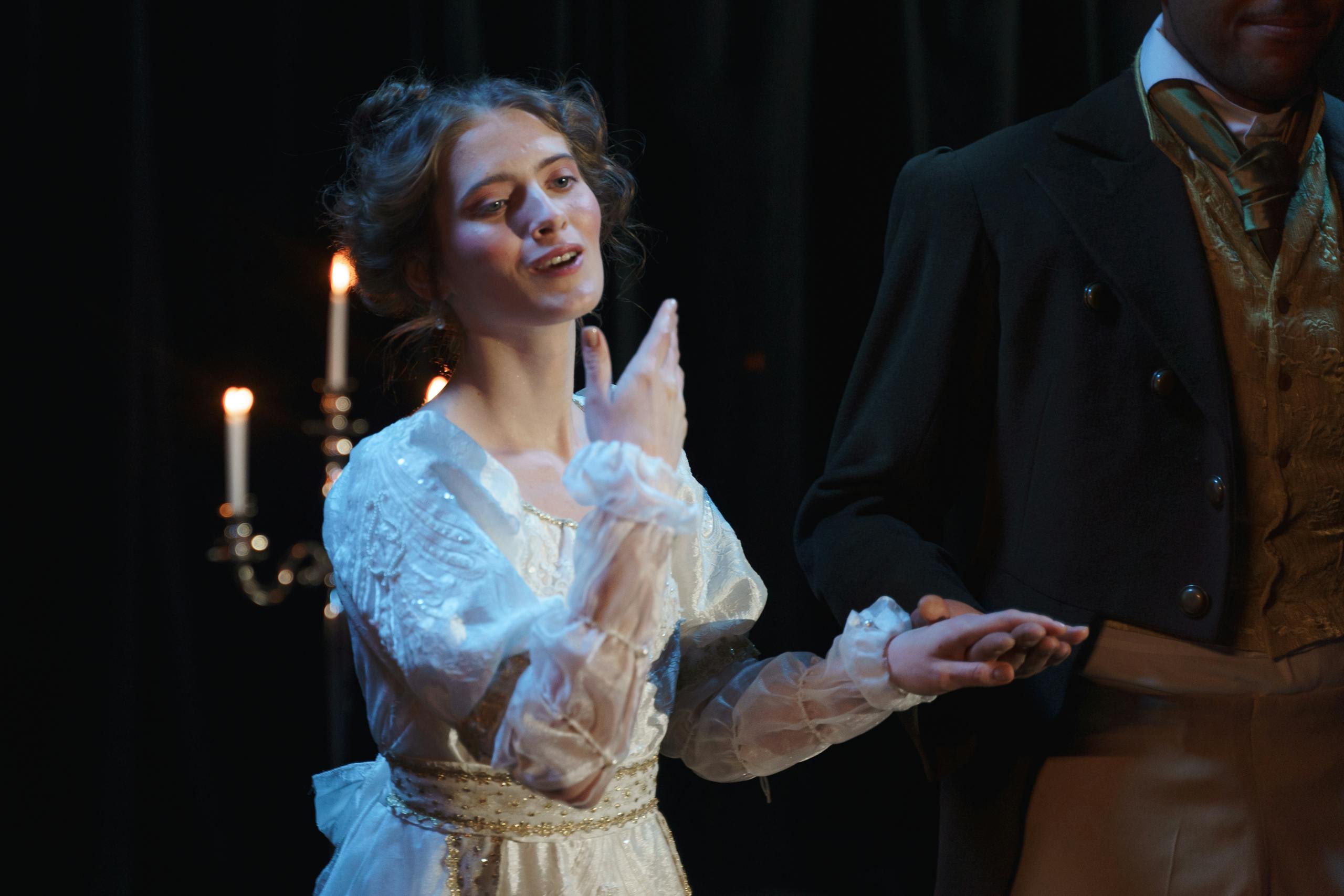
Mallory may evoke images of a charming, perhaps even aristocratic, name, but the reality is quite the opposite.
Derived from the Old French “malheure,” the name means “unlucky” or “ill-fated.” It has an inherent sense of doom attached to it, making it less than ideal if you’re hoping for a name with positive associations.
Despite its origins, Mallory gained popularity in the U.S., partly due to the TV character Mallory Keaton on Family Ties. But beneath its charming sound, the name carries an air of misfortune that many might not know about.
Melvin
Melvin, a name we may associate with someone gentle and kind, actually has rather grim beginnings. It originates from the Norman “Melville,” named after a village in northern France, “Maleville,” which translates to “bad town.”
The village suffered from poor land and harsh living conditions, making the name synonymous with misfortune.
However, after the Normans introduced the name to Scotland, it was adapted to carry more positive meanings, eventually becoming associated with “gentle chieftains.” Despite its noble evolution, the name’s roots remain steeped in negativity.
Brennan
Brennan may be a common surname or first name in the United States, but its Irish roots tell a story of sorrow. Derived from the Gaelic surname “O’Braonáin,” it carries the meaning of “teardrop” or “sorrow.”
The name itself is linked to the very essence of sadness, making it melancholic. Though many modern Brennans wear the name with pride, its origins are far from joyful.
Claudia
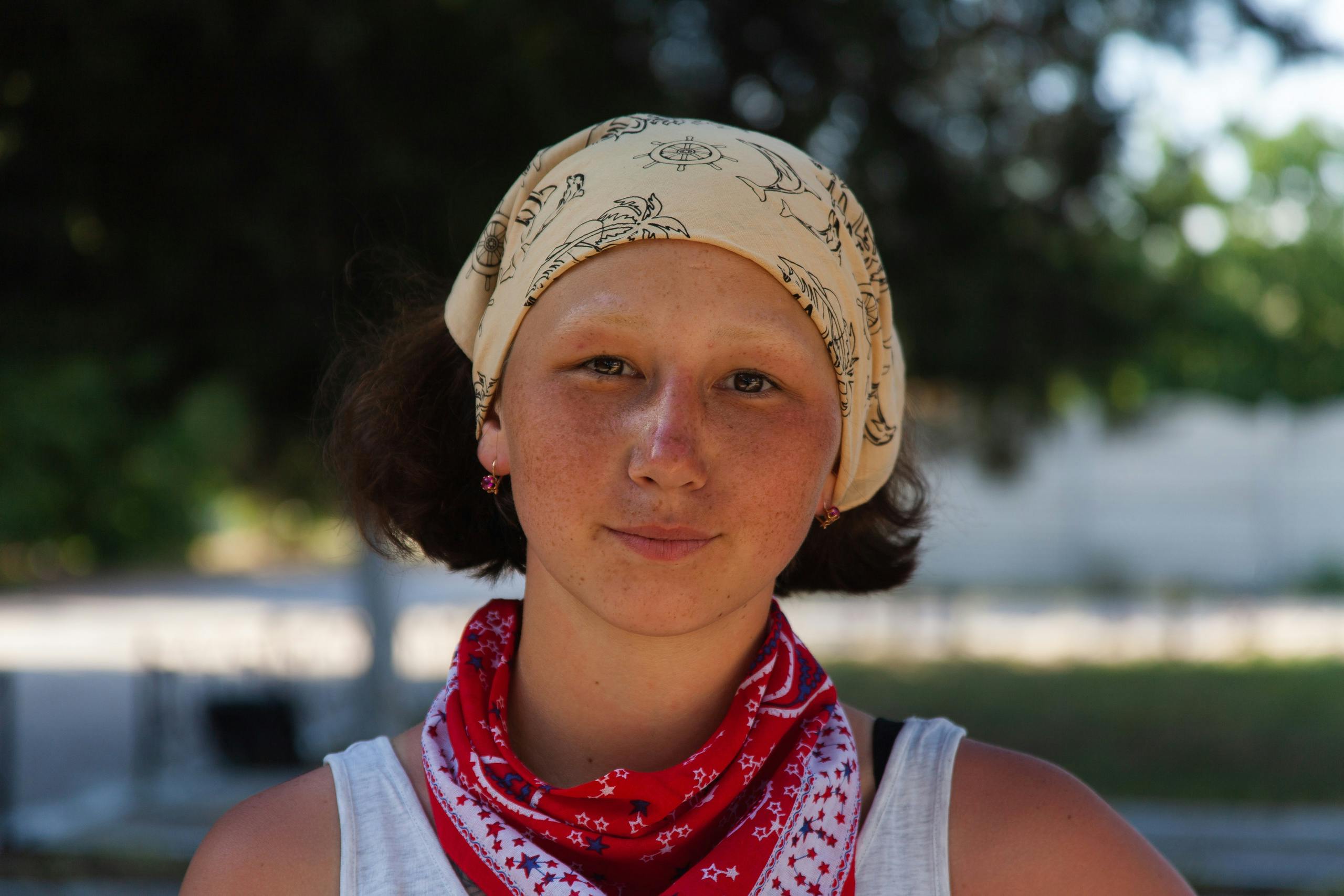
Claudia, a name commonly associated with elegance and grace, has an unexpected origin. Derived from the Latin “claudius,” it means both “lame” and “enclosure,” a rather limiting set of meanings for someone you hope will flourish.
In ancient Rome, Claudia was a common name among women of stature, but its literal translation has always been considered somewhat unfortunate.
If you’re seeking a name that exudes strength and empowerment, Claudia’s limited roots may not be your best choice.
Calvin
Calvin, a name revered for its association with the Protestant Reformation and the strong figure of John Calvin, has a more comical root when traced back to its Latin origins.
The name comes from the Latin “calvinus,” which means “bald.” Yes, the name Calvin essentially means “little bald one.”
While the name may carry with it historical weight, its literal translation might not inspire the strength it once did, at least not in a physical sense.
Brody
Brody, a name that sounds modern and cool, actually has a rather humble and muddy origin. Coming from the Gaelic word for “ditch” or “muddy place,” the name evokes imagery of unclean, boggy terrain.
Historically, the name was associated with a clan from the Moray region of Scotland, an area known more for its unpleasant swampland than for its idyllic landscapes.
So the next time you meet a Brody, you may want to reconsider your impression of the name’s origins.
Emily

Finally, Emily… a name that has graced the top of baby name lists for generations, might just have the darkest origin of them all.
Derived from the Latin “aemulus,” meaning “rival” or “striving,” Emily conveys a sense of competition and striving that can lead to negative outcomes.
While the name is often associated with sweetness and charm, its roots are tied to ambition and rivalry, traits that can sometimes lead to unfortunate situations.
Conclusion
These 10 names may be widely used today, but their origins tell a different, often darker, story. What starts as a seemingly innocent or charming name might actually carry with it a history of misfortune, sorrow, or even tragedy.
Understanding the true etymology of these names can help us appreciate their current meanings while recognizing that names often evolve from complex, sometimes unsettling roots.