We all crave a good night’s sleep, but did you know that some of the things we believe about sleep might be the very reasons we’re tossing and turning?
From the myth that more sleep is always better to the idea that a warm, cozy room is ideal for sleeping, there’s a lot of misinformation floating around. It’s time to separate the facts from the fiction so that you can finally catch the rest you deserve.
In this article, we’re about to bust 19 sleep myths that might be keeping you awake, and we’ll offer practical, research-backed tips to help you sleep soundly. So let’s dive into the common misconceptions about sleep and how you can overcome them for a better night’s rest!
More Sleep Is Always Better for You
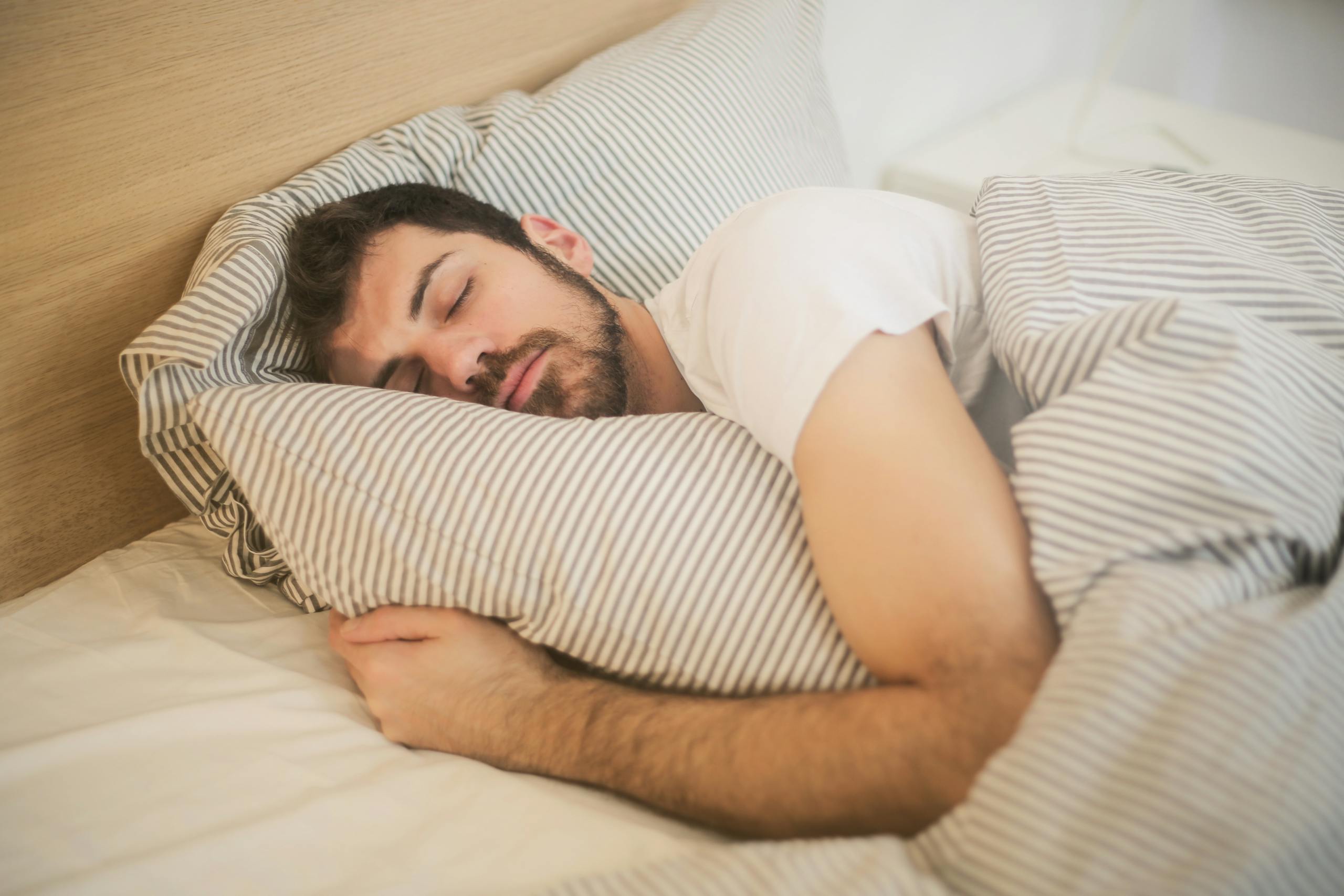
Think that sleeping longer will make up for lost hours? Think again. While it seems intuitive that more sleep would always be a good thing, research shows that too much sleep can actually cause cognitive issues, memory problems, and even an increased risk of heart disease.
According to the National Sleep Foundation, seven hours of sleep is the sweet spot for adults. So, if you’re stretching your sleep to 9 or 10 hours, you might be doing more harm than good. Keep it to 7–8 hours and avoid the dreaded sleep hangover.
Pro Tip: Stick to a consistent bedtime routine and set your alarm at the same time every day, even on weekends. This helps regulate your internal clock and ensures you’re getting quality sleep, not just quantity.
Stay in Bed Until You Have to Get Up
We’ve all been there: waking up before the alarm and trying to force ourselves back to sleep. But staying in bed when you’re awake can actually make things worse.
Research from Penn Medicine shows that people who stay in bed when they can’t sleep are more likely to develop chronic insomnia. The trick? Get up. Read a book, listen to calming music, or do something relaxing to help your brain wind down.
Pro Tip: If you wake up in the middle of the night and can’t fall back asleep within 20 minutes, don’t stay in bed. It’s better to get up and do something low-stress until you feel sleepy again.
Pajamas Have Nothing to Do with Sleep Quality
Is it better to sleep in your comfy pajamas or go au naturel? You might be surprised to learn that your choice of clothing can impact your sleep. According to sleep research, sleeping naked can actually improve sleep quality.
This is because it helps regulate your body temperature, which in turn reduces stress levels. Plus, sleeping without clothes can enhance intimacy, leading to a more peaceful and satisfying rest.
Pro Tip: Try sleeping without pajamas if you’re struggling with sleep. Let your body breathe and see if it helps you relax better and fall asleep faster.
Mattresses Last for Decades
If you’ve had your mattress for years, it’s tempting to think that it’s still doing the job, especially if you spent a lot of money on it. Unfortunately, mattresses don’t last forever.
The Better Sleep Council recommends replacing your mattress every 7 years. Over time, mattresses lose their support, leading to back pain, discomfort, and poor sleep quality. So if your mattress is sagging, it might be time to invest in a new one.
Pro Tip: Look for signs that your mattress is no longer supportive, like waking up with body aches or noticing lumps or sagging. Consider upgrading to a mattress with better support.
You Can Repay Sleep Debt
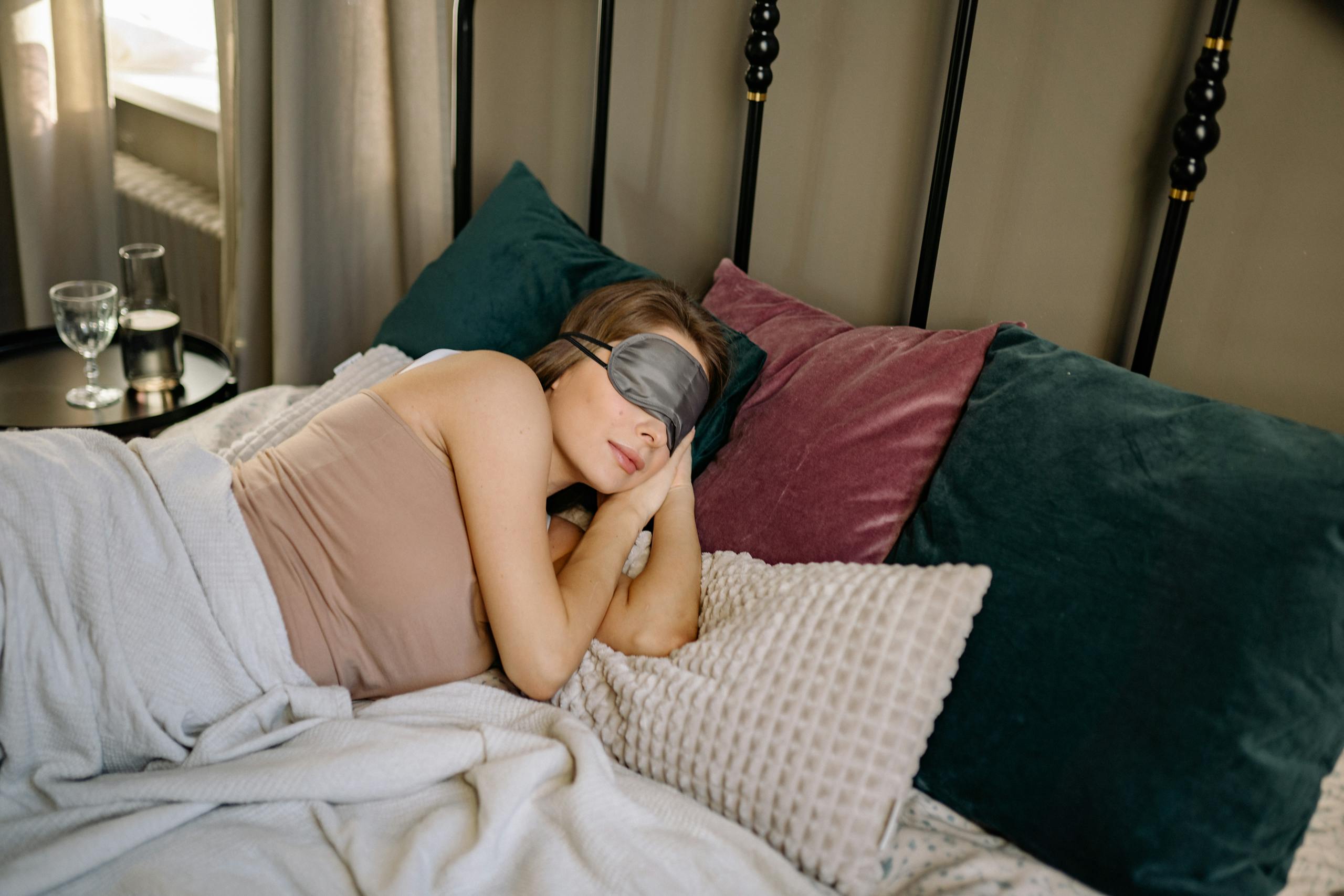
Ever pulled an all-nighter and thought you could just “catch up” on sleep later? Unfortunately, sleep debt isn’t as easy to repay as we’d like to believe.
Studies show that missing sleep negatively impacts cognitive function, motor skills, and productivity, effects that can’t be fully reversed by sleeping extra hours the next night. The best way to avoid sleep debt is to get a consistent 7–9 hours each night.
Pro Tip: Don’t rely on weekend sleep-ins to make up for a lack of rest during the week. Prioritize sleep consistency for better overall health.
Getting the Recommended Number of Hours Is Enough
You might think that as long as you hit that 7–8 hour mark, you’re good to go. But even if you sleep the recommended amount, waking up in the middle of a sleep cycle can leave you groggy and fatigued.
Research shows that waking up during certain sleep phases, especially REM, can disrupt your energy levels and leave you feeling less rested. It’s all about timing.
Pro Tip: Use a sleep cycle calculator to time your wake-up when you’re at the lightest stage of sleep. This ensures you wake up refreshed, not groggy.
A Quick Nap Won’t Affect Nighttime Sleep
Are naps a blessing or a curse? If you’re prone to insomnia, a nap might just make things worse. Though naps can boost alertness during the day, they can disrupt your nighttime sleep if taken too late or for too long.
According to the National Sleep Foundation, the ideal nap should last no more than 20 minutes and be taken earlier in the day.
Pro Tip: Avoid napping in the late afternoon or evening to ensure a restful night. A quick, early afternoon nap may help you stay energized without compromising your sleep.
Exercise Has No Effect on Sleep
Some people think exercise has no direct impact on sleep, but they’re wrong. In fact, regular physical activity can significantly improve sleep quality.
According to the National Sleep Foundation, even light exercise, such as walking or yoga, can help you fall asleep faster and enjoy deeper sleep. So, don’t skip your workouts if you’re hoping for a better night’s rest!
Pro Tip: Incorporate exercise into your daily routine, even if it’s just a short walk or a 10-minute stretch before bed. It can make a world of difference.
Stay in Bed Until You Fall Back Asleep
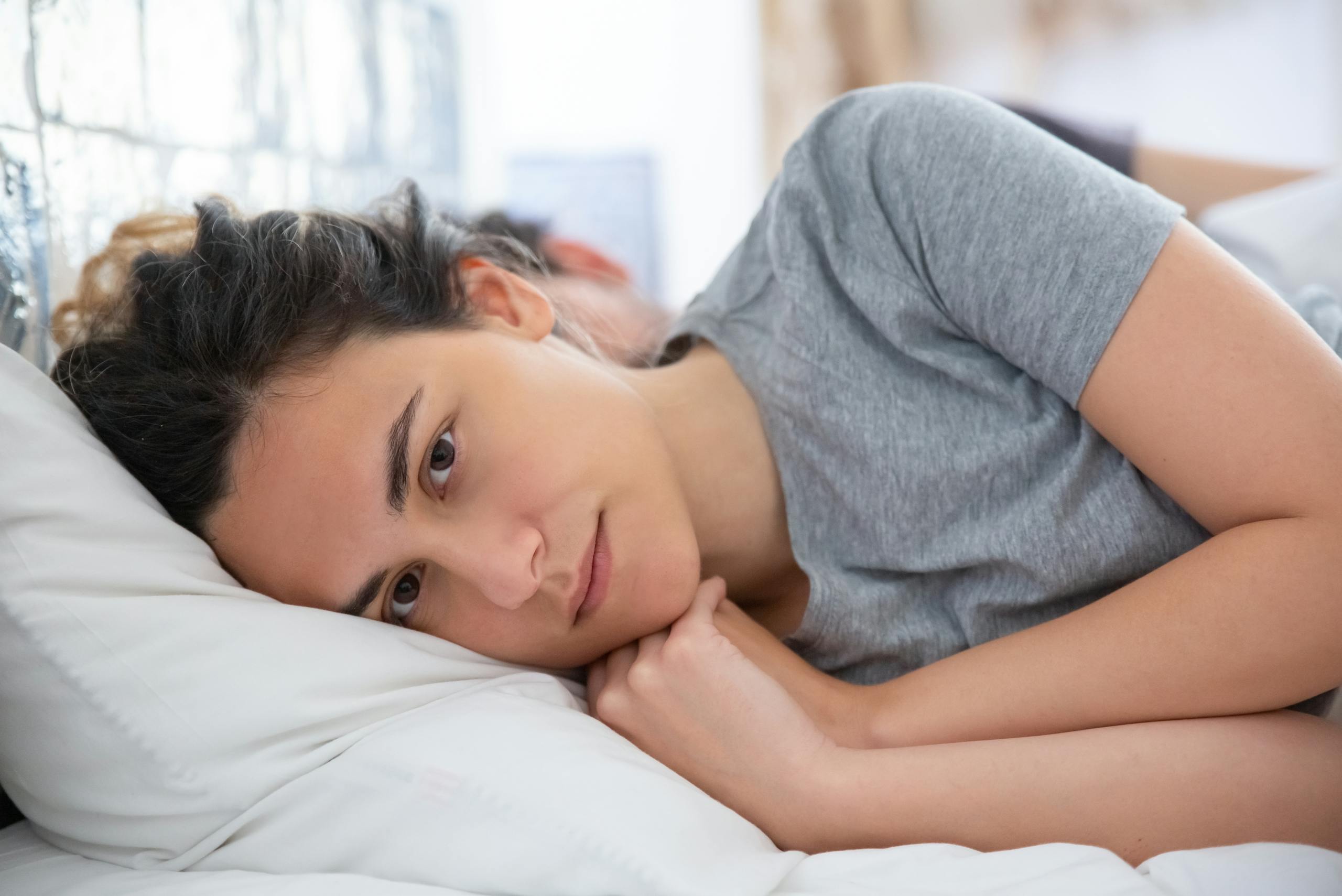
This myth is so common, yet it’s one of the worst habits you can have if you’re struggling with sleep. As mentioned earlier, staying in bed when you can’t sleep can worsen insomnia.
If you don’t fall asleep within 15–20 minutes, get up and engage in a calming activity in another room. Avoid screens and bright lights; they only stimulate your brain and make it harder to fall asleep.
Pro Tip: Practice good sleep hygiene by keeping your bedroom dark, cool, and quiet. If you’re awake in the middle of the night, focus on relaxation techniques instead of lying there frustrated.
Sleeping Alone Is Better for Rest
While many people believe that sleeping alone guarantees better sleep, the opposite might be true for some. Studies show that people with strong social connections, such as a supportive partner, tend to experience less stress and better sleep quality.
If you’re in a stable, supportive relationship, sharing a bed might actually help you sleep better.
Pro Tip: Don’t overestimate the importance of sleeping alone. If your relationship provides emotional stability, it might actually benefit your sleep quality to share your bed.
Reading Before Bed Helps You Relax
Many people swear by reading before bed to wind down. However, reading on electronic devices like your phone or tablet can have the opposite effect.
The blue light emitted from these devices suppresses melatonin production, making it harder for you to fall asleep. If you want to read before bed, choose a physical book or magazine instead of an e-reader or smartphone.
Pro Tip: Switch to a physical book or magazine before bed. Avoid screens for at least an hour before bedtime to give your body the chance to relax and prepare for sleep.
Caffeine Doesn’t Affect Sleep if You’re Immune to It
Think that caffeine doesn’t affect your sleep because you’ve built up a tolerance? Think again. Caffeine can disrupt your sleep even if you don’t feel its immediate effects.
According to the Sleep Health Foundation, it’s best to avoid caffeine for at least four hours before bedtime to prevent it from interfering with your sleep.
Pro Tip: Cut out caffeine in the afternoon and stick to herbal teas or water in the evening to avoid disrupting your sleep cycle.
Alcohol Helps You Sleep

While a glass of wine may make you feel drowsy at first, alcohol actually disrupts your sleep cycles. It can interfere with REM sleep, the most restorative phase of your sleep. If you’re struggling to sleep well, it’s best to avoid alcohol in the hours leading up to bedtime.
Pro Tip: Limit alcohol consumption in the evening to improve your sleep quality. Stick to a drink earlier in the evening if you want to avoid sleep disruptions.
Certain Foods Will Help You Sleep
While it’s tempting to reach for “sleep-inducing” snacks like warm milk or chamomile tea,there’s no magic food that guarantees better sleep. Instead, focus on avoiding foods that might keep you awake, like those high in caffeine or sugar.
For a bedtime snack, choose foods that are naturally calming, like almonds or bananas.
Pro Tip: Avoid heavy meals or sugary snacks before bed, as they can cause indigestion and disrupt your sleep.
Key Takeaway
If you’re struggling with sleep, it could be because you’ve been misled by these common myths. The good news is that with the right habits, you can improve your sleep quality and wake up feeling refreshed and energized. From adjusting your bedtime routine to making smarter choices about caffeine, alcohol, and naps, small changes can make a big difference.
So, what’s the next step for better sleep? Start by correcting one of these myths in your routine tonight and see how much better you feel in the morning.