The freezer aisle faces a branding issue. Many shoppers view frozen food as an inferior choice, despite U.S. consumers wasting about $261 billion on uneaten food in 2023 (ReFED’s 2025 report). Much of this waste comes from food spoiling before use. Suddenly, frozen fruit, vegetables, and meals look much more like a practical solution.
The trouble is that frozen food myths keep spreading faster than common sense. People mix up food safety, food quality, nutrition, and price as though they all belong in one giant bowl, then wonder why they keep making expensive mistakes.
The FDA says frozen food stored properly at 0°F stays safe, even though quality can decline over time, which is a very different idea from “every frozen food is perfect forever.” That distinction matters because once you understand it, the whole freezer debate starts to thaw out in a hurry.
Frozen produce is no less nutritious.
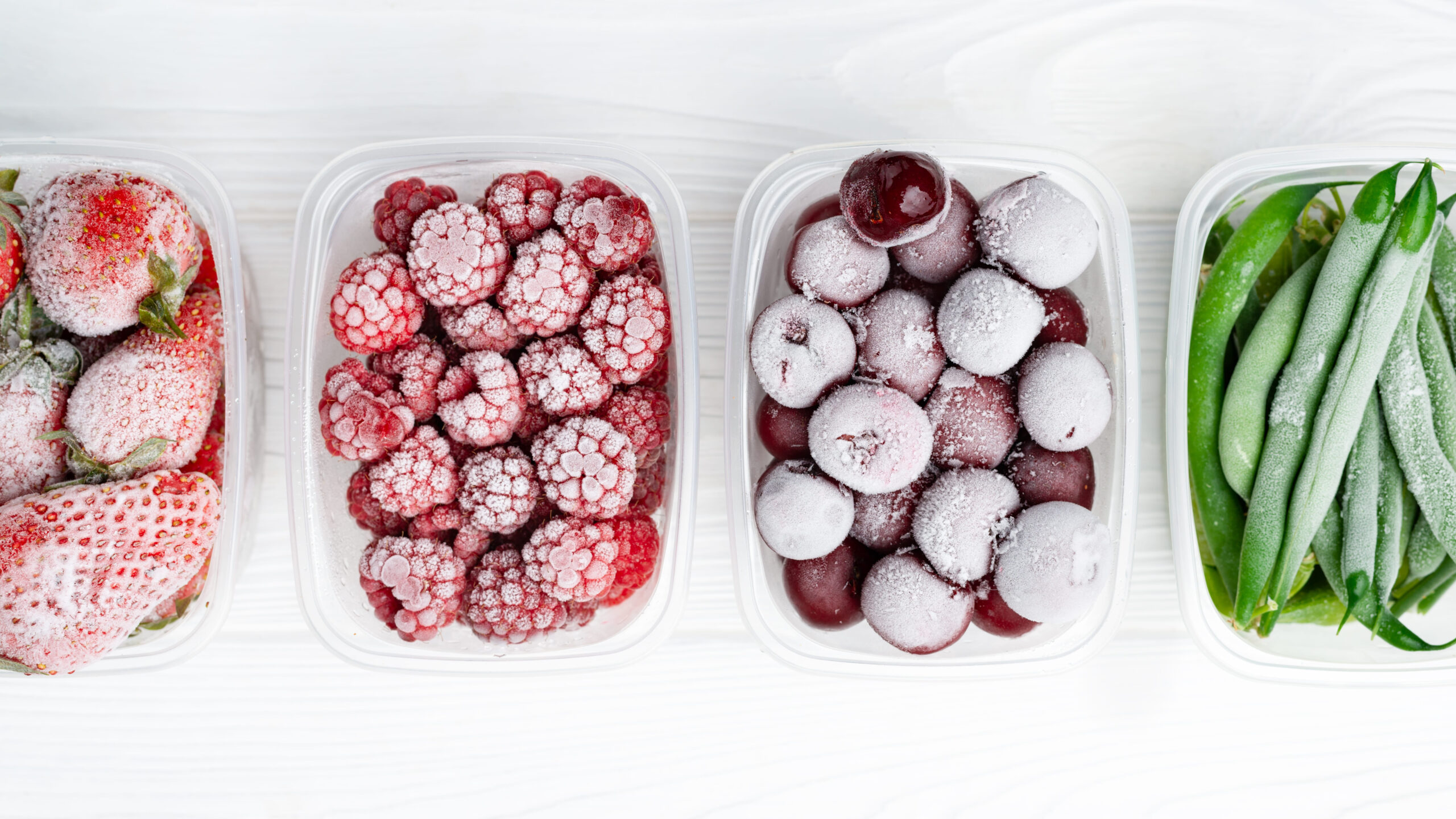
This myth sounds convincing but falls apart with scrutiny. The FDA says freezing does not reduce nutrients and only minimally changes protein value, so frozen produce is not always second to fresh.
Fresh fruits and vegetables may spend days in transit, on shelves, and in your fridge. If you’ve ended up with wilted spinach, you know the freezer isn’t the problem.
The smarter move is to buy the form you will actually use before it spoils. That matters even more when CDC data show only 12.3% of U.S. adults met fruit recommendations and just 10.0% met vegetable recommendations in the underlying 2019 data reported by the agency.
Frozen produce can help close that gap because it is available year-round, portion-friendly, and less likely to be wasted. In other words, food that makes it onto your plate beats “fresh” food that dies in a drawer every single time.
Freezing doesn’t kill Bacteria.
Now, here is a myth that sounds comforting right up until science walks into the room. The FDA says freezing stops bacteria from growing, but it does not kill most bacteria, which means unsafe food does not magically become safe just because it got cold.
Think of freezing as a pause button, not a reset button. If the food was mishandled before it went into the freezer, you may simply be freezing the problem for later.
That is why timing still matters: freeze leftovers or perishables promptly and ensure your freezer is cold enough. Freezing preserves good food, but cannot fix poor food handling. In short, prompt freezing and proper storage are essential for safe, quality results.
Delaying freezing can ruin food safety.
This is one of those kitchen rules people repeat with courtroom confidence and zero nuance. USDA guidance says food thawed safely in the refrigerator can be refrozen, though quality may decline due to moisture loss. ,
Food thawed by cold water or microwave should be cooked before refreezing, which is where many people trip up. So no, refreezing is not the problem;careless thawing is the realtroublemaker.
The easy fix is to thaw food in the refrigerator whenever possible. That one habit gives you more flexibility if plans change, dinner gets delayed, or life does what life loves to do and derails the evening.
Your freezer is supposed to make your week easier, not force you into a dramatic one-shot cooking deadline. Used correctly, it is a safety net, not a trapdoor.
Date labels don’t always mean danger.
If date labels had a publicist, that person would have been doing USDA freezer guidance, which states that food kept continuously frozen at 0°F remains safe indefinitely, while the FDA distinguishes between safety and quality in frozen storage. rozen storage.
That means the date on the package is not some theatrical countdown clock to doom. More often, it is guidance about peak quality, not an announcement that your food has suddenly turned villainous at midnight.
This misunderstanding is not harmless, either. ReFED’s 2025 reporting links consumer confusion to massive food waste, and the financial hit is enormous.
So instead of tossing food because a label made you nervous, look at how it was stored, how long it has been frozen, and whether the issue is truly safety or just quality. Panic is expensive, and your trash can does not need more good food.
Freezer burn means the food is unsafe.
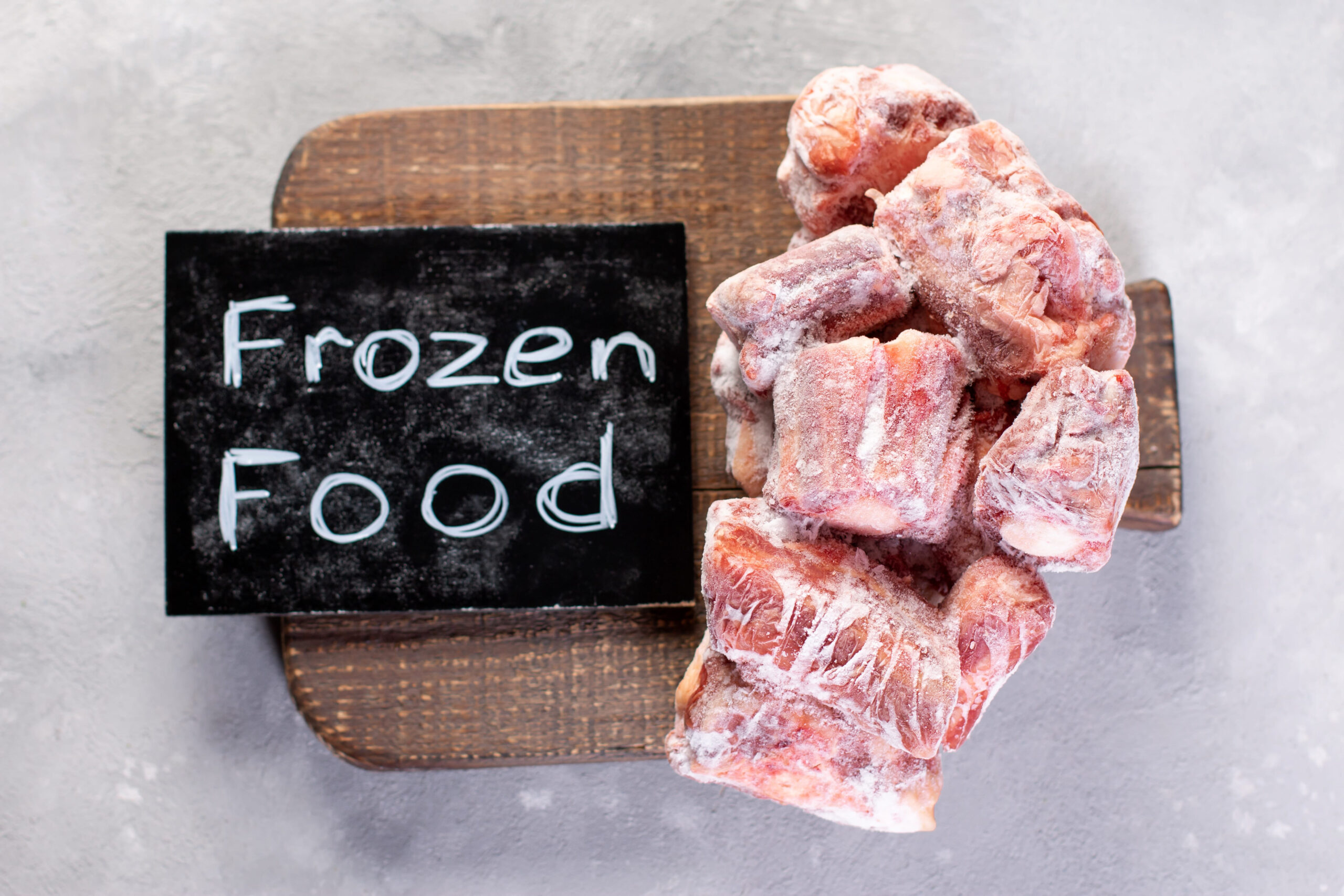
Freezer burn is ugly, and ugly food gets judged fast. The FDA says freezer burn does not mean food is unsafe and calls it a food-quality issue, not a food-safety issue.
It usually appears when food is not wrapped tightly in airtight packaging, leading to dry, discolored patches. In other words, freezer burn is annoying, not apocalyptic.
The practical fix is simple: trim freezer-burned spots, if needed, and cook the rest if the texture and flavor are acceptable. Better yet, wrap food tightly. Key takeaway: Freezer burn is a quality issue, not a safety hazard—manage packaging to minimize it.
All frozen meals are sodium-loaded junk.
This myth lingers because some frozen meals are high in sodium. However, not all belong in the same category. The FDA’s Nutrition Facts help shoppers quickly assess sodium and nutrients. Not every frozen meal is a salt bomb, and plain frozen vegetables are not.
The smarter habit is to read the label rather than judge the entire aisle in one dramatic swoop. Some frozen entrées are clearly convenience food in a suspicious little tray, but others can be balanced options when time is short.
A little label-reading goes a long way, and it beats making dinner decisions based on old freezer snobbery. Your dinner deserves better than broad stereotypes.
Frozen food always costs more than fresh food.
This sounds believable until the produce quietly spoils. Frozen food can be a better value because it lasts longer, reduces waste, and allows for selective use. Key takeaway: The best value is what gets eaten, not just what is cheapest upfront.
There is also a bigger picture. USDA ERS highlighted that in 2022, it was possible to meet fruit and vegetable recommendations for roughly $2.50 to $3.00 a day with a smart mix of forms, not just by chasing fresh produce alone. ce alone.
So if frozen berries save you from tossing moldy fresh ones next week, that is not a compromise. That is simply better shopping, dressed as common sense.
Frozen foods are loaded with preservatives.
This myth forgets the obvious: freezing itself is a preservation method. The FDA’s consumer guidance explains that freezing helps keep food safe by stopping bacterial growth, which is precisely why frozen food can last much longer than refrigerated food.
Some frozen products may contain added sodium, sauces, or stabilizers depending on the recipe, but that is about the product, not some universal freezer law.
A bag of frozen peas is not sneaking mystery preservatives into your dinner just because it came from the frozen aisle. The practical solution is to keep plain frozen ingredients and processed ones distinct in your cart. cart.
It does not matter how you package food before freezing it.
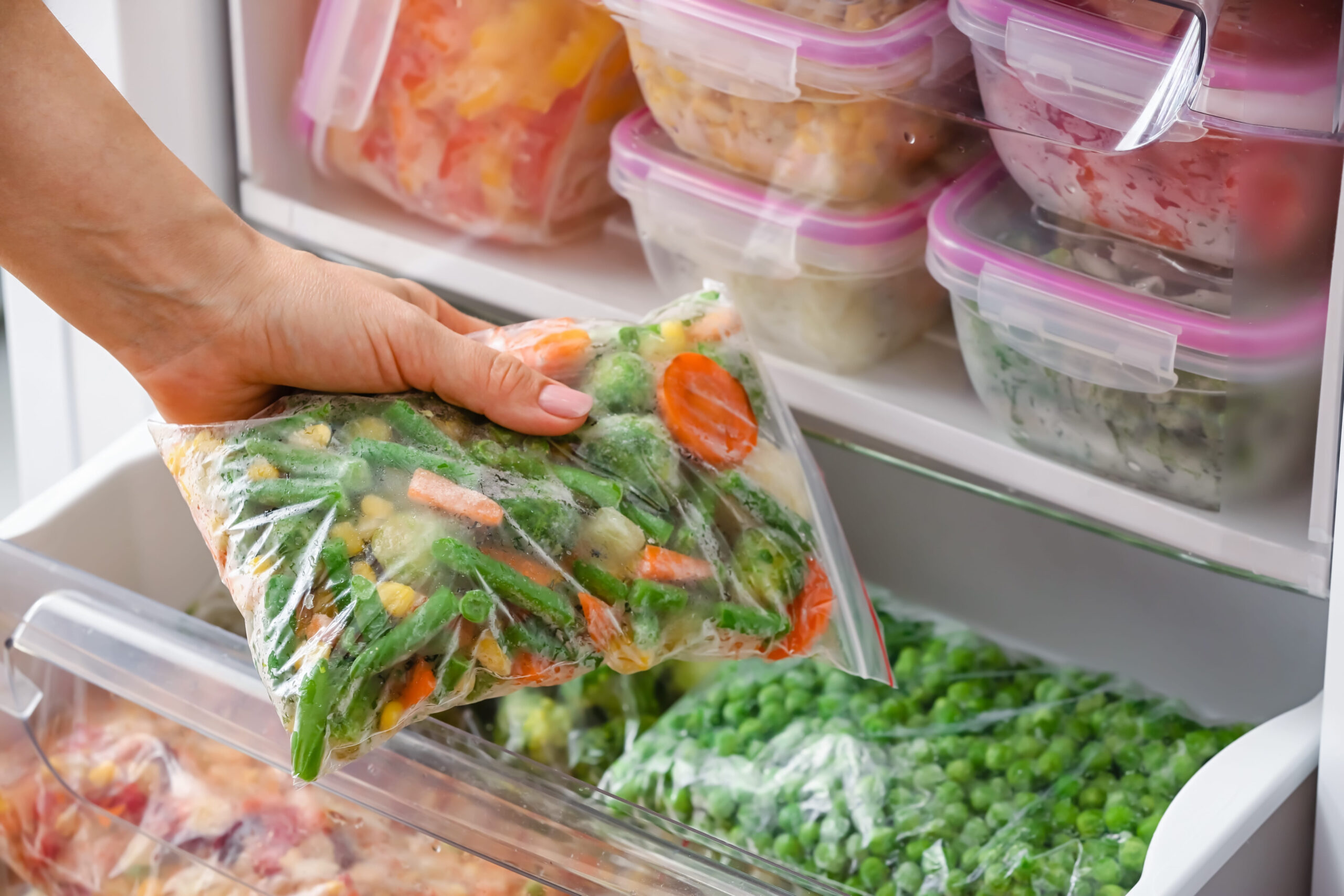
This is where many freezer problems begin, quietly and without notice. The FDA says freezer burn often occurs when food is not securely wrapped in airtight packaging, meaning sloppy storage can wreck texture and flavor long before safety becomes an issue.
The issue is tossing food into the freezer in a flimsy wrap is like leaving your front door open and acting surprised when chaos wanders in. The freezer can preserve food well, but it still needs some help from you.
Airtight containers, freezer bags with excess air pressed out, and properly portioned packaging all make a difference. Smaller portions also help, since you can thaw only what you need instead of wrestling with a giant frozen block later.
Good packaging is not glamorous, but it is the difference between a smooth weeknight dinner and a sad, frosty mystery package from three months ago. That is not food prep; that is freezer roulette.
Frozen food stays perfect forever.
Here is the half-truth that trips people up. USDA says frozen food is safe indefinitely at 0°F, but quality drops over time. Main takeaway: Freezing ensures safety, but not perfect taste forever. Plan to use frozen foods within a reasonable period for best results.e.
That is why labeling matters so much. Date what you freeze, rotate older items forward, and stop treating your freezer like a frozen attic for abandoned ambitions.
If you cannot remember when something went in, that is already a sign your system needs help. The best frozen food strategy is not “store it forever”; it is “use it before quality heads south.”
All vegetables can be frozen the same way.
If only it were that easy. Different vegetables behave differently in the freezer, and skipping prep steps can wreck their texture and flavor.
Guidance from food preservation experts emphasizes that many vegetables benefit from blanching before freezing because it slows the enzyme activity that can degrade quality over time.
So no, tossing everything into a bag raw and hoping for the best is not a strategy; it is a gamble in a zip-top disguise.The better move is to freeze with a little intention. Some foods freeze beautifully with minimal fuss, while others need prep to get decent results.
A few extra minutes upfront can save you from soggy vegetables and a dinner that tastes like regret. And really, if the choice is a quick blanch now or disappointment later, that is not much of a contest.
Texture changes mean the food has gone bad.
A softer berry or slightly mushier pepper can send people into full food-funeral mode. But texture changes after freezing are often about water and cell structure, not spoilage, and the FDA’s guidance repeatedly separates quality changes from safety problems.
That means a thawed strawberry may not win a beauty pageant, but it can still shine in smoothies, sauces, oatmeal, or baking. Not every food needs to stay photogenic to stay useful.
The real trick is matching the food to the right job. Frozen-thawed vegetables may be poor salad stars, but they can work beautifully in soups, stir-fries, casseroles, or pasta sauces.
If you keep expecting thawed produce to behave exactly like just-picked produce, you are setting dinner up for failure. Use the texture shift wisely, and suddenly it becomes an advantage instead of a problem.
You always have to thaw meat before cooking it.
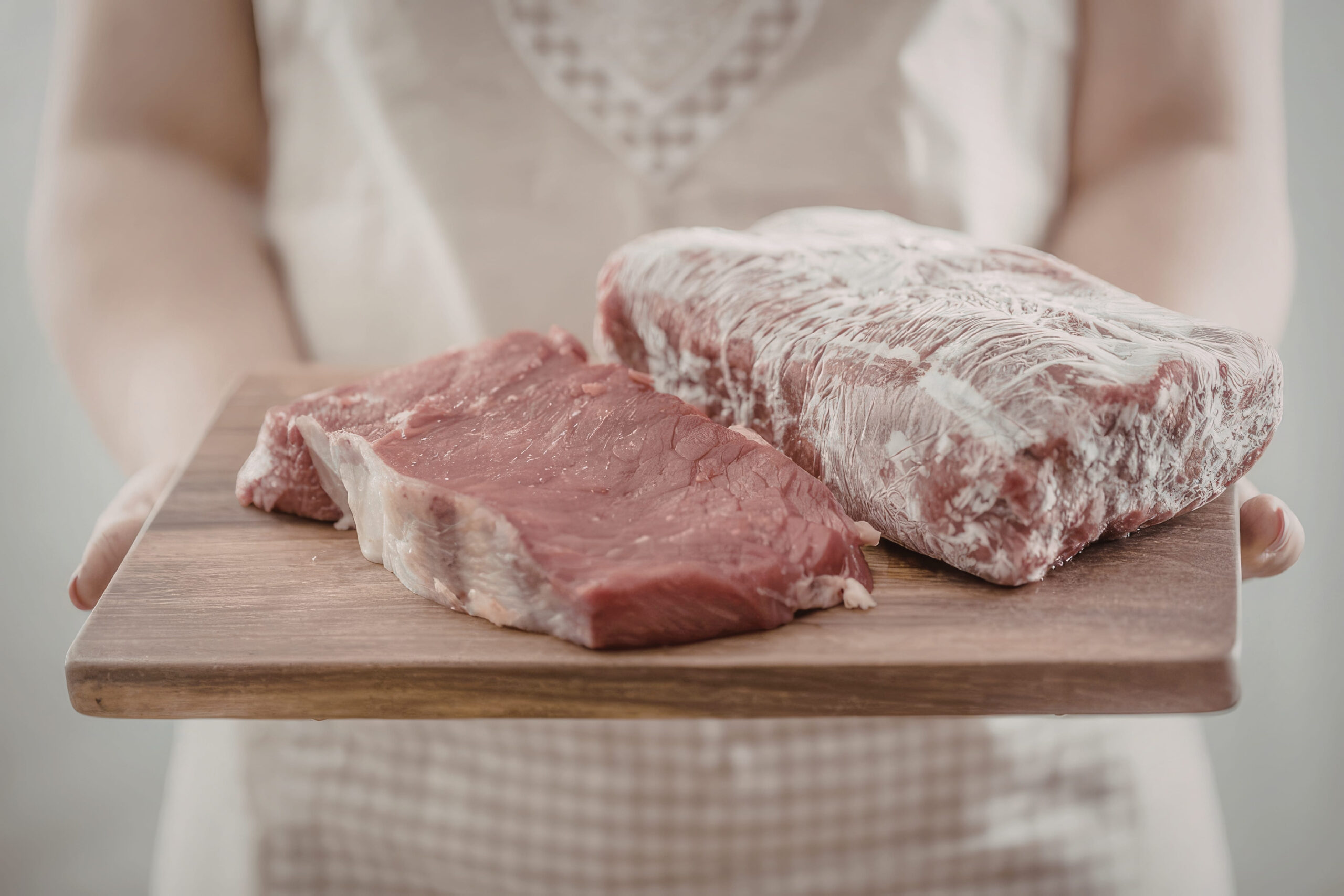
This myth makes frozen food seem less useful than it really is. USDA guidance says raw or cooked food thawed in the refrigerator can be handled safely, and cooking from frozen is possible for some foods with more time.
The catch is not safety theater; it is simply that frozen food often needs longer cooking. So the freezer is not blocking dinner, but it is asking you to respect the clock.
That is actually good news for busy households. It means your frozen ingredients are not locked away for some imaginary future perfect day when you remembered to thaw everything.
With a thermometer, a bit of patience, and realistic timing, the freezer can still rescue dinner tonight. And on some weeknights, that is not just convenient; it is heroic.
Frozen food isn’t second-rate.
This is the snobbiest myth of the bunch, and it deserves retirement. When CDC figures show that most adults are still not meeting fruit and vegetable recommendations, judging food by frost rather than usefulness starts to look pretty silly.
All forms of produce can help people eat better, and frozen foods often make that easier because they are convenient, portionable, and less likely to spoil before use. Good nutrition is not a popularity contest between the produce aisle and the freezer door.
The better mindset is practical, not performative. Frozen food is not “less than” if it helps you waste less, save money, and keep real ingredients on hand for busy days. In many kitchens, it is not the backup plan at all. It is the plan that quietly keeps the whole week from falling apart.
Conclusion
After all the myths, the answer is almost annoyingly simple. Frozen food is usually not what ruins meals; bad storage, bad assumptions, and bad timing do that.
Keep your freezer at 0°F, wrap food tightly, thaw carefully, and stop tossing food because of myths that sound confident but crumble under actual guidance from the FDA and USDA.
So here is the question worth taking into your next grocery trip: how much money, produce, and perfectly good dinner could you save if you stopped believing freezer folklore?
Start with one easy move this week: stock a few plain frozen staples like vegetables, fruit, or fish, label what you freeze, and use the oldest items first. That small shift may not sound glamorous, but it is exactly how smarter kitchens get built.