Have you ever wondered why some people seem to attract love effortlessly while others stumble at every turn? What if the answer isn’t logic, effort, or timing — but something far more mysterious hiding in plain sight?
Around the world, strange beliefs about love and luck endure, leading millions to believe that luck determines the fate of their romance. The truth is, these beliefs might be doing more harm than good, turning innocent intentions into self‑fulfilling romantic roadblocks.
Yellow Roses That Steal Your Spark

Everyone loves flowers, especially on a romantic date or Valentine’s Day, but not all blossoms send the message you intend. In some cultures, yellow roses symbolize jealousy and decline, hinting at trouble rather than affection.
Sending them to someone you adore could unintentionally signal the end before your connection even begins. If your goal is lasting love, stick to colors that represent passion and commitment.
The Curse of the Knitted Sweater
The romantic notion of knitting a sweater for someone you like might seem heartfelt, yet some people swear it jinxes relationships. Known as the “sweater curse,” this belief holds that gifting handmade sweaters often leads to breakups or awkward silence.
Whether rooted in cultural lore or just coincidence, it has made many hesitant to give such a personal present. At the very least, it shows how a well‑intentioned gesture can be reframed as a bad omen.
Rubbing Statues for Love Luck
Tourists and hopeless romantics alike have been known to rub famous statues believed to bring love, but this practice comes with a strange twist. In cities like Verona, visitors believe touching certain statues increases the chance of finding romance or returning to the place of passion.
However, this ritual has caused wear and tear on historic art, leading to replicas replacing originals. This highlights how even innocent beliefs can unintentionally harm what we cherish.
Wedding Timing and the Number Eight

Numbers have power — or so many traditions claim when it comes to planning weddings and anniversaries. In parts of India, the number eight is considered a bad omen for newlyweds, and arranging significant romantic dates around it is discouraged.
This belief comes from symbolic associations rather than logic, yet it still influences how couples choose meaningful moments. While choosing a date feels fun, letting fear dictate your celebration could take away from what truly matters.
The Folklore of Gifts and Clocks
On the surface, gifting something timeless like a clock or watch might seem romantic, but in some Asian cultures, it’s believed to bring misfortune. The word for giving a clock sound like you’re sending someone off on their final journey, making it an unlucky present for lovers.
This belief persists despite clocks being cherished gifts in most parts of the world. Understanding how symbolic meanings vary can help you avoid awkward romantic missteps.
Avoid Sharing Towels — Seriously
In several folk traditions, even everyday habits like sharing a towel are thought to influence the fate of a relationship. Some believe that sharing a towel with your partner invites conflict and emotional friction down the line.
While there’s no scientific proof for this, it’s a striking example of how superstition can seep into routines that have zero bearing on real connection. Love thrives on respect and communication, not humidity levels.
Don’t Count Flowers Wrong
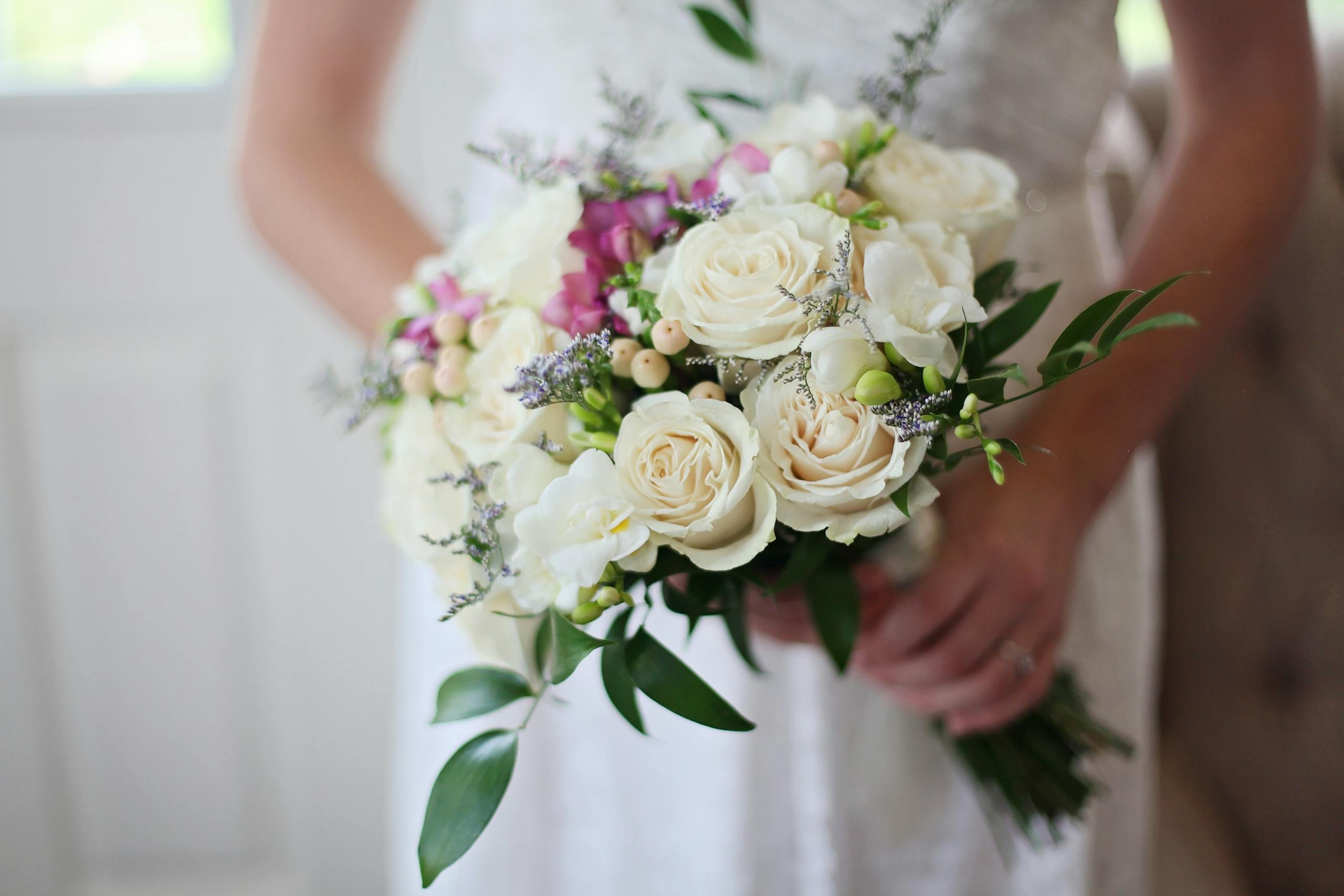
Flowers are a classic love language, yet even this can go wrong if you ignore cultural nuance. In Russia and other parts of Eastern Europe, giving an even number of flowers is associated with mourning and funerals.
Presenting two, four, or six flowers on a romantic outing is believed to bring bad luck instead of blossoms of affection. Knowing your audience helps your gesture come across as heartfelt rather than misunderstood.
The Beard That Backfires
Facial hair is a fashion choice for many, but in some cultures, it’s tied to luck and desirability. There are places where sporting a beard is seen as bad luck, implying lower status and fewer chances at romantic success.
This odd superstition shows how appearances can be interpreted very differently across cultures. Rather than fearing every stray hair, embrace the look that truly represents you.
The Myth of Romantic Moon Magic
Across cultures, people have interpreted the moon’s phases as signs of romantic destiny, believing that certain lunar cycles increase the likelihood of love.
Whether it’s timing your crush around a full moon or waiting for the “right” phase, there’s no scientific evidence that lunar cycles govern the heart. Still, such beliefs illustrate how eagerly we search for patterns in romance. Real connection grows from shared experiences and genuine presence, not celestial timetables.
Backing Love with Logic, Not Luck
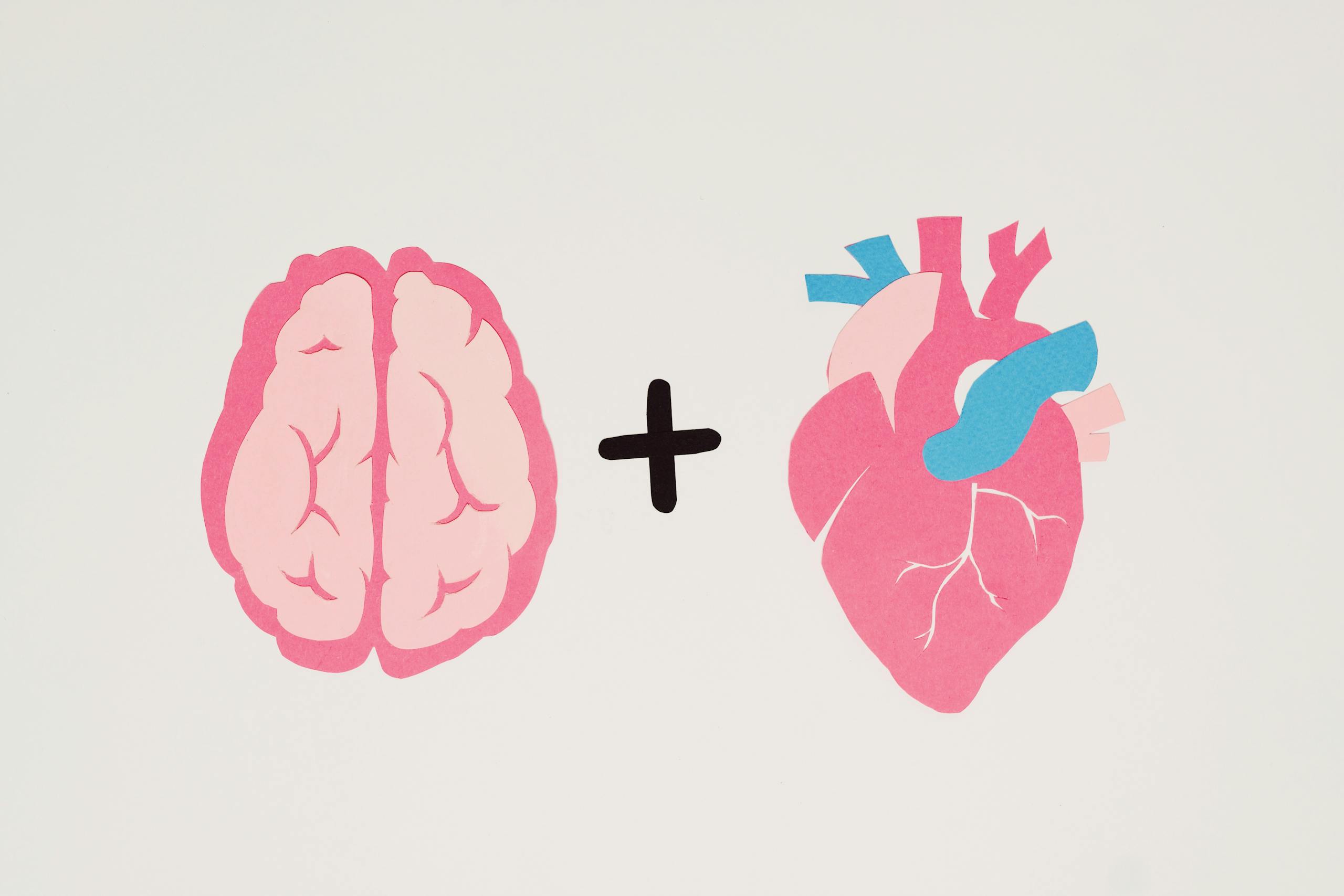
Superstitions persist because they give us a sense of control in a world full of emotional uncertainty. But leaning too hard on folklore can shift responsibility for your love life from your actions to chance.
Love flourishes when you communicate, show up, and build trust — not when you avoid unlucky numbers or worry about mismatched symbols. Remember, real romance isn’t governed by old wives’ tales but by intention and mutual respect.
Conclusion
Superstitions are interesting, but treating them as relationship rules plants unnecessary doubt. Love isn’t left to chance—it grows through effort, honesty, and understanding.
Let go of old beliefs and focus on building your connection through action, not luck. Take charge of your relationship and watch it thrive.