Owning a home is a huge responsibility, and while the rewards are plenty, there are risks lurking beneath the surface. Home maintenance might not always seem urgent, but skipping these essential tasks can lead to major financial and safety disasters.
From broken pipes to roof leaks, these seemingly minor oversights can add up quickly, costing you thousands of dollars.
In this article, we’ll break down 18 critical home maintenance mistakes you need to avoid and provide actionable tips to fix them before it’s too late. Don’t wait for the damage to be done; let’s dive into the mistakes that can ruin your home and how to steer clear of them.
Not Knowing Your Water Shut-Off Valve
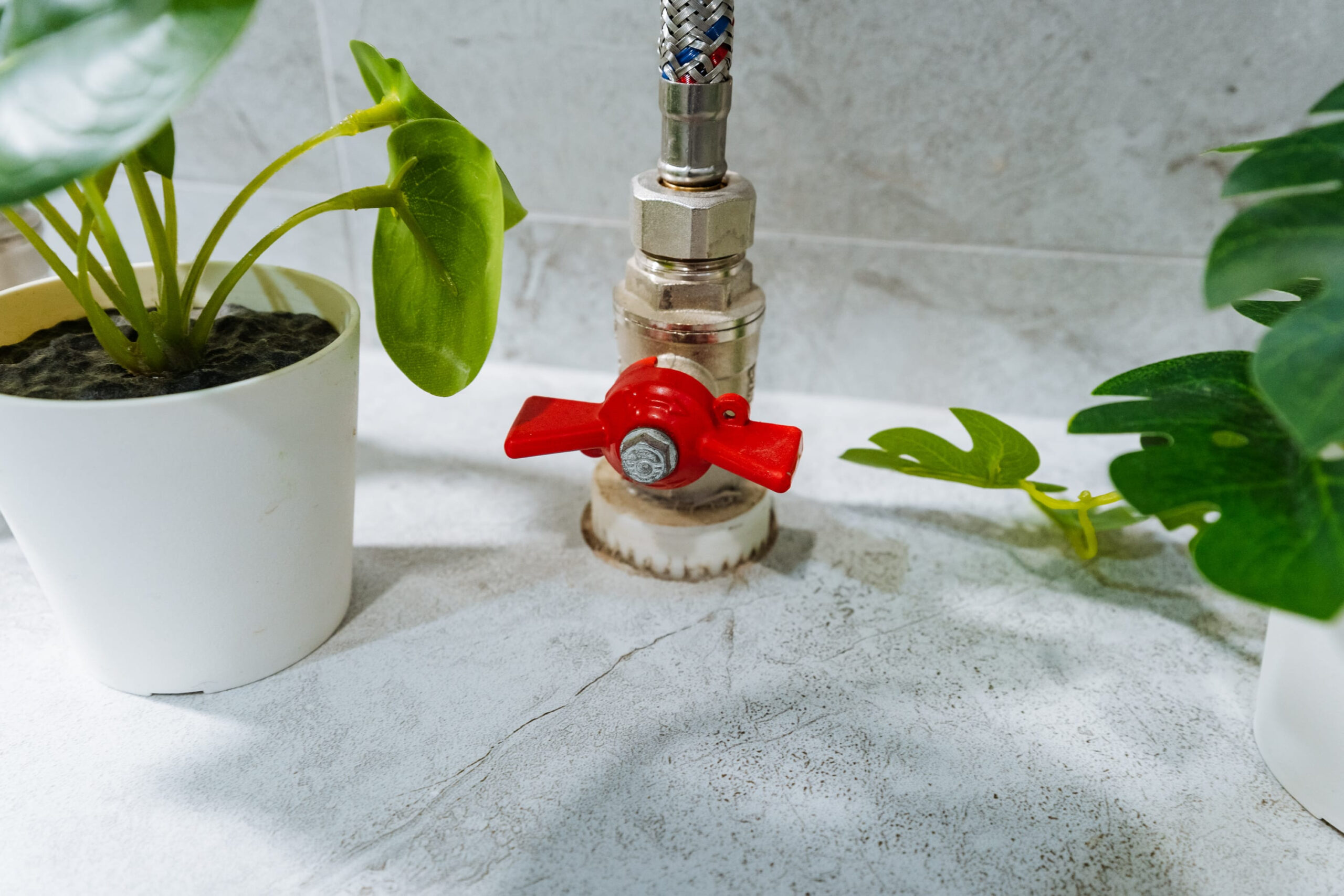
A burst pipe is one of the most destructive problems you can face in your home, but what if you don’t know where your water shut-off valve is? When disaster strikes, knowing where to turn off the water is essential to stopping the flood before it starts.
Why It’s Bad: If you don’t have quick access to your shut-off valve, water damage can spread uncontrollably, leading to expensive repairs and mold issues.
The Fix: Immediately locate your water shut-off valve and test it to ensure it stops the water flow. In the event of an unexpected leak or plumbing emergency, knowing the location and operation of this valve can help prevent serious damage.
DIYing Complex Repairs – Know When to Call the Experts
DIY is great for small projects, but some home repairs, like electrical or plumbing work, should be left to professionals. Attempting these repairs without the proper knowledge can lead to safety hazards and bigger damage.
Why It’s Bad: Unskilled repairs lead to more damage, and some jobs, like electrical work, can be dangerous.
The Fix: Hire a professional for plumbing, electrical, and HVAC repairs. It’s a wise investment that can save you money in the long run.
Using Chemical Drain Cleaners – A Quick Fix With Long-Term Damage
A clogged drain is one of those irritating issues that many people solve by grabbing a bottle of chemical drain cleaner. While it works temporarily, these harsh chemicals can damage your pipes over time, making them weaker and more likely to leak or burst.
Why It’s Bad: Chemical cleaners cause pipe corrosion and don’t solve the root cause of the clog. They may seem like a quick fix, but they create more expensive problems in the future.
The Fix: Instead of using chemical drain cleaners, use a plumbing snake to clear clogs, or pour a mixture of baking soda and vinegar down the drain. These safer methods remove blockages without corroding pipes, helping prevent future leaks or bursts.
Not Maintaining Your Gutter System – A Small Task, A Big Price Tag
You probably don’t give your gutters much thought until they start overflowing or causing water damage. Neglecting them can lead to serious foundation issues, flooded basements, and even roof damage.
Why It’s Bad: Clogged gutters lead to water damage, foundation erosion, and even mold growth in your home’s interior.
The Fix: Clean your gutters twice a year, preferably during the fall and spring. This simple, quick task will help you avoid larger, more expensive problems down the road.
Overloading Your Garbage Disposal – It’s Not a Trash Can
Your garbage disposal is designed to break down food scraps, but many homeowners treat it like a trash can. Overloading it with hard-to-grind items or putting non-food objects down it can cause jams, clogs, and even permanent damage to the unit.
Why It’s Bad: Improper use of your disposal can lead to clogs, foul odors, and the need for expensive repairs or replacement.
The Fix: Use the disposal only for soft food scraps, and avoid putting things like bones, fibrous vegetables, and grease down the drain. Always run cold water while using the disposal to keep everything flowing smoothly.
Not Sealing Gaps – Energy Loss and Unwanted Visitors
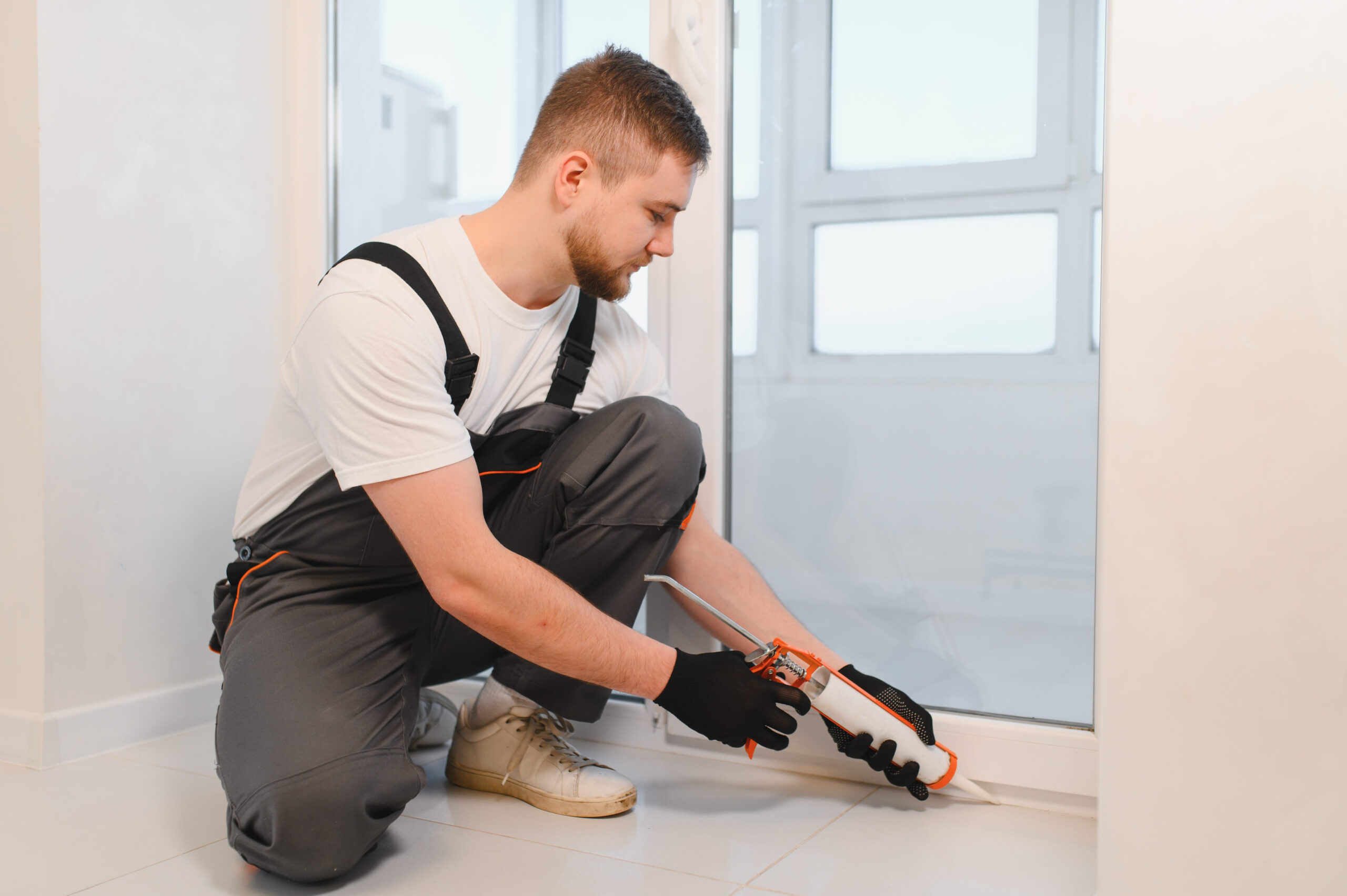
Small gaps around windows, doors, or even vents might seem harmless, but they can provide easy access for pests and cause major energy loss. You may not realize it, but these tiny openings are costing you more than just comfort; they’re draining your energy bills.
Why It’s Bad: Unsealed gaps lead to higher heating costs, uncomfortable living spaces, and potential infestations.
The Fix: Use caulk or weatherstripping to seal any gaps you find around windows, doors, or vents. This not only improves your home’s energy efficiency but also blocks pests from getting inside.
Not Testing Your Sump Pump – A Flooded Basement is More Expensive Than You Think
A working sump pump is essential for protecting your basement from floods, but if it’s not maintained, it won’t work when you need it most. Testing it periodically ensures you’re ready for anything Mother Nature throws your way.
Why It’s Bad: A failing sump pump results in water damage, foundation issues, and mold growth.
The Fix: Check your sump pump regularly and replace any old or malfunctioning parts before they fail.
Skipping HVAC Inspections – Don’t Wait Until It’s Too Late
HVAC systems are essential for keeping your home comfortable, but if they’re not properly maintained, they can break down at the most inconvenient times. Skipping regular HVAC inspections can lead to unpredictable breakdowns, poor air quality, and high energy bills.
Why It’s Bad: Without regular maintenance, your HVAC system can become inefficient, increasing your energy bills and causing emergency repairs.
The Fix: Schedule an annual inspection for your HVAC system. It’s an investment that keeps the system running smoothly and prevents costly, unexpected failures.
Not Disconnecting Hoses in Winter – A Frozen Pipe Disaster
When winter rolls around, leaving hoses connected to outdoor faucets might seem harmless, but it’s a disaster waiting to happen. Water trapped inside the hose freezes, leading to burst pipes and water damage once temperatures rise.
Why It’s Bad: Frozen pipes can cause significant water damage, and the repairs can be expensive and extensive.
The Fix: Disconnect all outdoor hoses and drain faucets before the cold weather hits. It’s a small task that can save you from devastating damage down the road.
Letting Trees Grow Wild – The Potential for Destruction
Those towering trees in your yard may add curb appeal, but their unchecked growth could be causing more harm than good. Overgrown branches near your roof or windows can break during a storm, leading to roof damage, window cracks, or even foundation issues.
Why It’s Bad: Unmaintained trees pose a risk to your home, causing structural damage and requiring costly repairs.
The Fix: Trim your trees regularly to keep branches away from your home. It’s an essential part of home maintenance that saves you money on repairs.
Ignoring Your Sump Pump – A Flooded Basement is More Expensive Than You Think
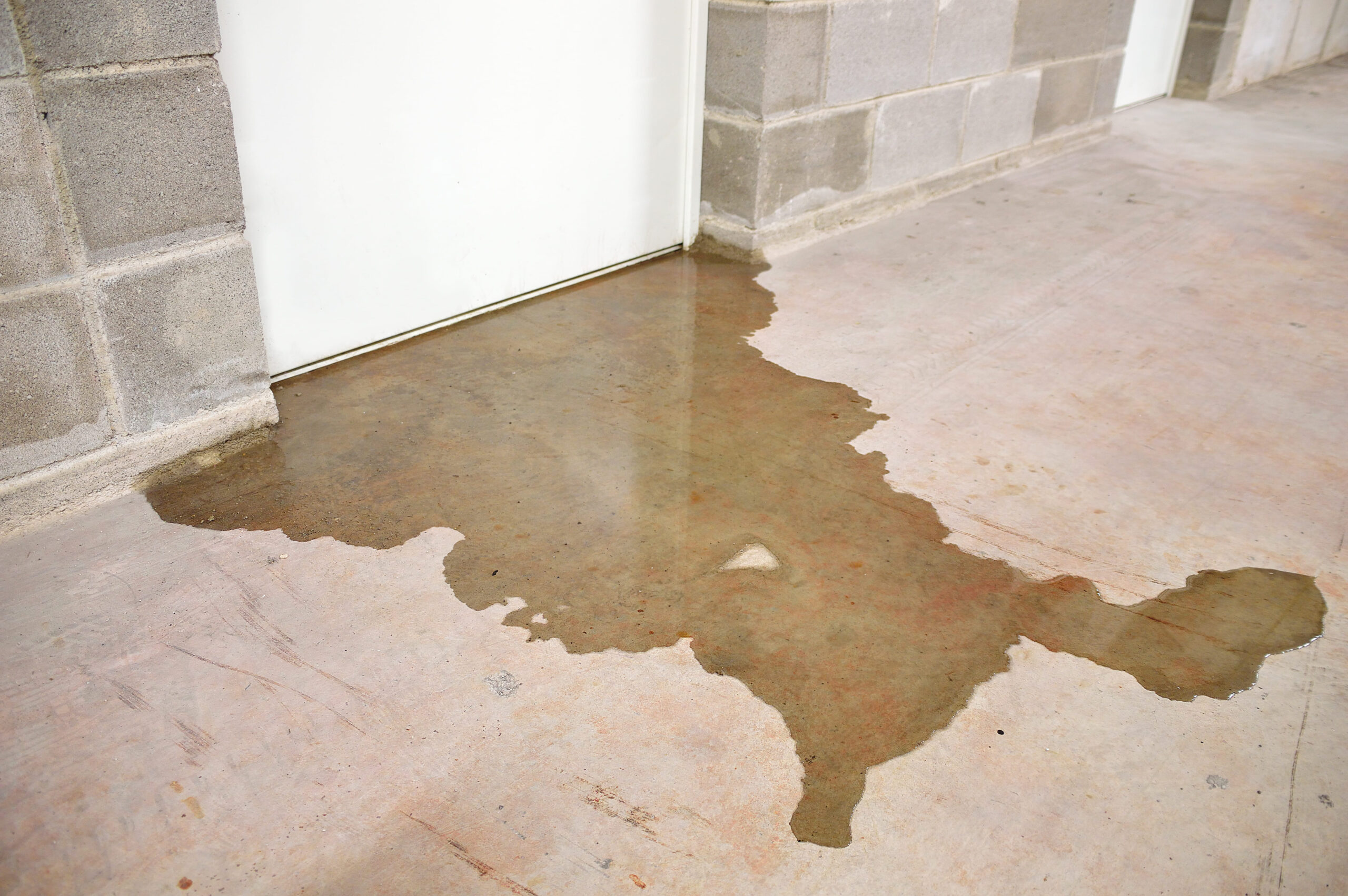
Sump pumps are there to keep your basement dry, but if they’re not maintained, you’re in for a flooded nightmare. A clogged or broken pump during a heavy rainstorm could cause water damage that costs thousands of dollars to repair.
Why It’s Bad: A malfunctioning sump pump leads to basement flooding, which can damage furniture, walls, and your home’s foundation.
The Fix: Test your sump pump regularly to make sure it’s working. Clean it out and replace any worn-out parts to prevent future flooding.
Not Keeping a Maintenance Schedule – You’re Setting Yourself Up for Failure
Home maintenance tasks can be overwhelming, but they’re easier to manage when you have a system. Without a maintenance schedule, it’s easy to forget essential tasks, leading to missed inspections and unnoticed damage.
Why It’s Bad: Neglecting regular maintenance tasks can lead to bigger problems and higher repair costs down the line.
The Fix: Create a home maintenance calendar to track regular tasks, such as changing air filters, cleaning gutters, and checking smoke detectors. This helps you stay on top of essential repairs and prevents larger issues from developing.
Not Maintaining Your Bathroom Fans – Moisture Is More Harmful Than You Think
Bathroom fans are often neglected, but they play an important role in ventilating excess moisture. Without them, that moisture can lead to mold growth, rotting surfaces, and unpleasant odors.
Why It’s Bad: Ignoring moisture buildup can lead to mold and wall damage, which can be expensive to address.
The Fix: Use your bathroom fan during and after each shower to remove moisture. It’s a quick habit that keeps your bathroom clean and mold-free.
Overlooking Insulation – You’re Wasting Money on Heating Bills
Poor insulation is one of the sneakiest ways your home loses energy. If your attic or walls aren’t properly insulated, your heating system has to work overtime, costing you extra money on your energy bills.
Why It’s Bad: Bad insulation leads to higher energy costs, leaving your home uncomfortable and more expensive to heat and cool.
The Fix: Inspect your home’s insulation in the attic, walls, and crawl spaces for adequate coverage and any gaps. Improve or upgrade insulation where it’s thin or missing to maintain comfort and keep energy bills low.
Skipping Pest Prevention – Pests Are Costly to Remove
Small cracks and gaps are an open invitation for pests to enter your home. Whether it’s rodents, insects, or larger animals, pests can cause extensive damage to your property and pose health risks.
Why It’s Bad: Pests damage your insulation, wiring, and walls, and can lead to dangerous infestations.
The Fix: Seal all entry points and keep your home clean. Regular inspections can prevent pests from making themselves at home.
Forgetting About Your Roof – Small Problems Can Turn Into Big Issues
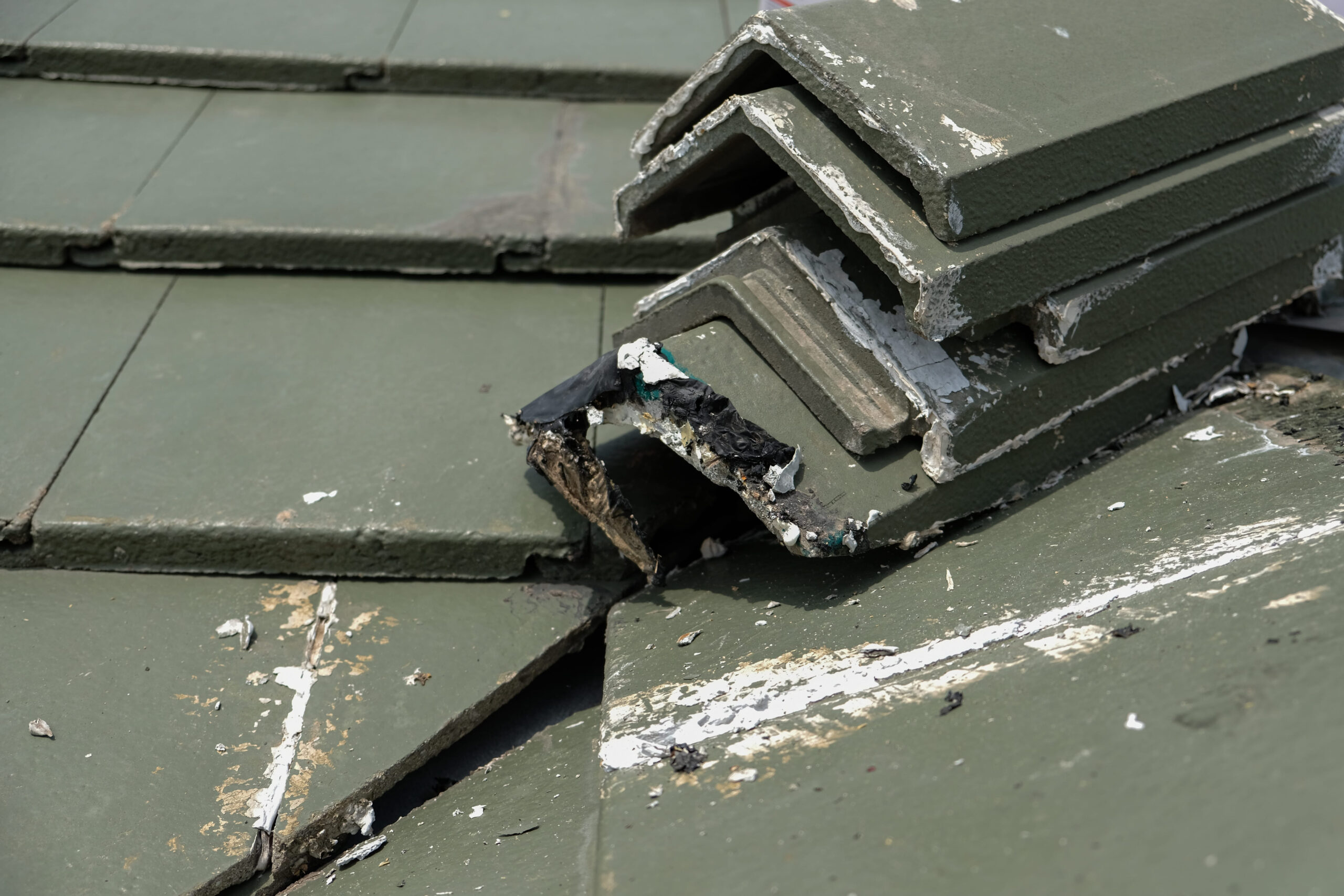
Your roof might seem sturdy, but it’s the most vulnerable part of your home during storms. Missing shingles, cracks, and leaks can lead to water damage and costly repairs if left unchecked.
Why It’s Bad: Roof issues can escalate quickly, leading to water leaks, mold, and costly repairs.
The Fix: Inspect your roof regularly and address any problems immediately. Early intervention will save you thousands in the long run.
Relying on Quick Fixes – Temporary Solutions Only Create Bigger Problems
DIY projects are fun, but sometimes quick fixes can make things worse. Whether it’s patching up a crack with cheap filler or using a temporary adhesive, you’re setting yourself up for bigger repairs down the line.
Why It’s Bad: Quick fixes don’t address the root cause, which leads to more expensive repairs down the road.
The Fix: Invest in permanent solutions. Don’t ignore problems or rely on band-aid fixes that will only cost you more in the long run.
Not Sealing Your Windows – Cold Air and High Bills Are Sneaking In
Leaky windows are a major culprit for cold drafts and high energy bills. If you haven’t sealed the gaps around your windows, you’re letting cold air in and warm air out, which means you’re paying more to heat your home.
Why It’s Bad: Gaps around windows lead to higher energy bills, uncomfortable living spaces, and potential water damage.
The Fix: Seal any gaps with caulk or weatherstripping to improve energy efficiency and reduce heating costs.
Conclusion
Home maintenance isn’t just about repairs; it’s about being proactive to prevent problems before they occur. By avoiding these common mistakes, you’ll keep your home in excellent shape, save money, and avoid unnecessary headaches. Ready to tackle your home’s maintenance today? Start with one small task; your future self will thank you.