Sleep is generally considered a time for restoration and dreams. However, each night, some people do not wake up, often due to medical issues that can occur with little or no warning. Some causes are well-known, while others can seem unexpected.
The goal here is not to alarm, but to share helpful information that supports safer, healthier sleep.
Sleep Apnea That Stops the Breath

Sleep apnea causes the airway to narrow or close repeatedly during sleep, interrupting airflow. This can lower oxygen levels and put stress on the heart, usually without the sleeper noticing.
Over time, these challenges may contribute to heart rhythm issues. Many people have undiagnosed sleep apnea, making it a common but often overlooked condition.
Catastrophic Heart Attacks During Slumber
A heart attack can strike at any time, and in many cases, the most dangerous moments are when the body is at rest. During sleep, blood pressure and heart rate fluctuate, potentially destabilizing vulnerable cardiac systems.
A blocked artery, especially in someone with undiagnosed coronary disease, can lead to sudden death before any alarm is sounded. Sleep gives the body peace, but it also masks the warning signs of impending disaster.
Carbon Monoxide, the Invisible Killer
Carbon monoxide is colorless, odorless, and insidious, silently displacing oxygen in the bloodstream. While breathing it consciously might lead to panic and escape, asleep, you remain completely unaware.
The gas gradually overwhelms the body’s ability to oxygenate vital organs, and the brain shuts down first. That makes it one of the deadliest ways to die unnoticed under the covers.
Undiagnosed Arrhythmia Triggering Cardiac Arrest

Some people have electrical problems in the heart that never show up on routine checks. These arrhythmias can erupt without pain or symptoms, especially during sleep when parasympathetic activity is high.
The heart suddenly stops, and without CPR or a defibrillator, death is almost instantaneous. Often, no cause is found during autopsy, leaving families shocked and searching for answers.
Silent Stroke While at Rest
A stroke occurs when blood flow to the brain is blocked, rapidly killing brain cells. Many strokes cause immediate symptoms, but some occur so quietly that the victim never wakes up.
During sleep, the brain can’t easily compensate for reduced blood flow, which can accelerate the onset of fatal damage. This is especially common in people with high blood pressure or hidden vascular disease.
Pneumonia That Worsens at Night
Respiratory infections like pneumonia can seem minor during the day but worsen dramatically overnight. Mucus builds up, and breathing becomes shallow, robbing the bloodstream of needed oxygen.
In elderly or immunocompromised individuals, this can escalate quickly and silently. Without intervention, oxygen deprivation becomes fatal long before morning arrives.
Drug Interactions that Suppress Breathing

Certain medications, especially some painkillers and sleep aids, can decrease breathing rates if combined.
During sleep, natural respiratory changes may amplify this effect. Individuals taking multiple medicines or supplements should consult healthcare professionals to reduce risks.
Hypoglycemia in People With Diabetes
Low blood sugar may sound like a daytime concern, but for diabetics, it can turn deadly overnight.
Without food intake during sleep and with insulin still active, blood glucose can drop to levels that impair brain function. Seizures, coma, and death can result if the crisis isn’t temporarily reversed. Because it happens while unconscious, the victim never realizes what hit them.
Sudden Adult Death Syndrome
Sudden Adult Death Syndrome (SADS) refers to unexpected cardiac deaths in otherwise healthy adults. Often linked to genetic ion channel defects in the heart, these conditions remain hidden until it’s too late.
The victim falls asleep normally and never awakens because the heart’s rhythm collapses. This is one of the cruelest and most baffling categories for doctors and families alike.
Severe Asthma Attacks at Night
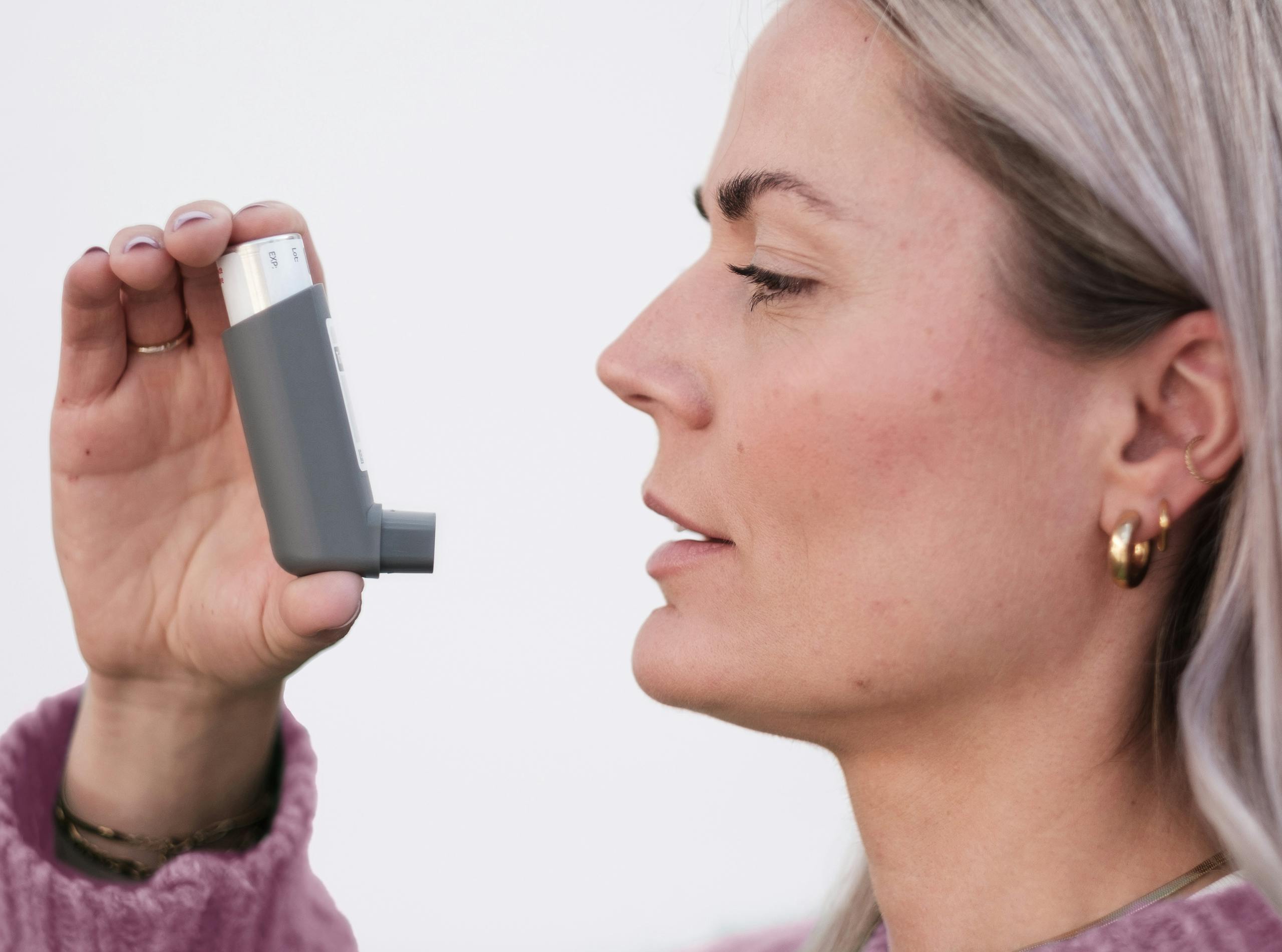
Asthma can worsen at night due to natural body rhythms and airway sensitivity. An attack may restrict breathing and lower oxygen levels.
Prompt treatment is important, so having an asthma management plan in place can help ensure safety during sleep.
Conclusion
The night holds contradictions: rest and danger, peace and silent peril. While most sleep peacefully, understanding these hidden risks can guide better health choices, early screenings, and timely interventions.
Knowledge is power, and awareness of these dangers helps shift them from “unexpected” to preventable. Don’t fear sleep — just respect what happens in the hours when the world is dark, and the body is most vulnerable.