The Wild West was never the endless feast movies sometimes make it look like. For early pioneers, food was not about comfort, presentation, or variety. It was about survival, distance, weather, and one brutal question that never really went away: what can last long enough to get us through the next stretch of trail? Guidebooks for overland travelers recommended heavy loads of flour, bacon, cornmeal, beans, dried fruit, coffee, and other shelf-stable basics because wagon families needed food that could survive heat, rough travel, and long gaps without resupply.
That reality shaped a diet that was plain, repetitive, and surprisingly resourceful. Pioneers baked, dried, salted, hunted, stewed, and stretched every ingredient until it had nothing left to give. Some meals were hearty.
Some were strange. A few would probably make modern diners stare at the plate and quietly lose their appetite. Still, these foods kept people moving across thousands of miles of hard country, and that alone makes them unforgettable.
Flour Was The Real Lifeline
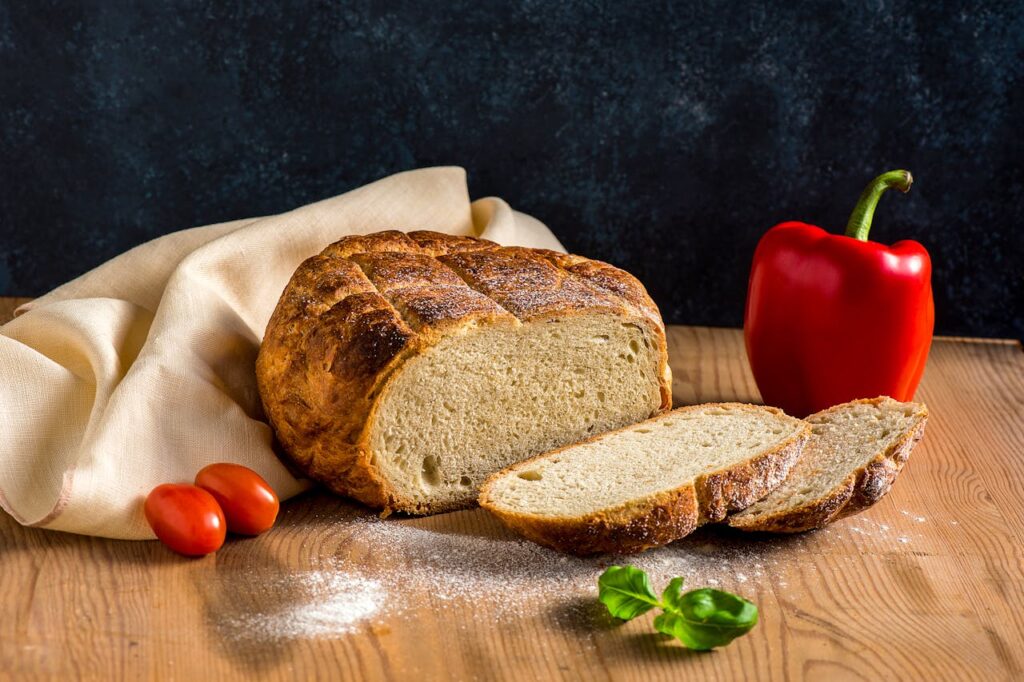
If one food ruled pioneer kitchens, it was flour. Overland packing lists recommended enormous amounts of it per adult, which tells you everything you need to know about its value.
Flour could become bread, biscuits, dumplings, gravy thickeners, or rough trail cakes with only a few extra ingredients. It was not glamorous, but it was flexible, filling, and dependable, which is exactly what survival food had to be.
Cornmeal Earned Its Place Every Single Day
Cornmeal was another frontier champion because it stored well and could be turned into fast, hearty food. Travelers packed ground corn and cornmeal, then used it for mush, hoecakes, johnnycakes, and rustic breads that filled the stomach without demanding much from the cook.
On the frontier, that mattered. When the fire was weak, the day was long, and everyone was tired, a simple pan of cornmeal could feel like victory.
Hardtack Was Tough, Dry, And Absolutely Necessary
Hardtack was the kind of food nobody romanticizes after one bite. Made from little more than flour, water, and salt, it was famous for being hard enough to test both patience and teeth. Yet that brick-like cracker lasted a long time, making it perfect for travel.
People softened it in liquid, crumbled it into stews, or fried it in fat, because when food had to survive the trail, comfort came second and durability came first.
Salt Pork Brought Fat, Flavor, And Staying Power
Salt pork was not elegant food, but it solved several problems at once. It lasted longer than fresh meat, added desperately needed fat to meals, and could make a bland pot of beans taste like something worth eating.
That salty richness mattered more than modern readers might think. On physically punishing journeys, calories were not the enemy. They were fuel, and salt pork helped turn survival rations into meals with enough strength to carry people forward.
Jerky Turned Meat Into A Portable Survival Tool
Fresh meat spoiled quickly, so pioneers leaned hard on dried meat. The source article highlights jerky and salted meats as practical sources of protein on long journeys, which makes perfect sense in a world without refrigeration.
Jerky was compact, durable, and easy to carry, making it ideal for travel in wagons and camps. It may have been chewy, salty, and far from luxurious, but it gave pioneers something priceless: meat that did not disappear in a day.
Beans Were Cheap, Filling, And Worth The Wait
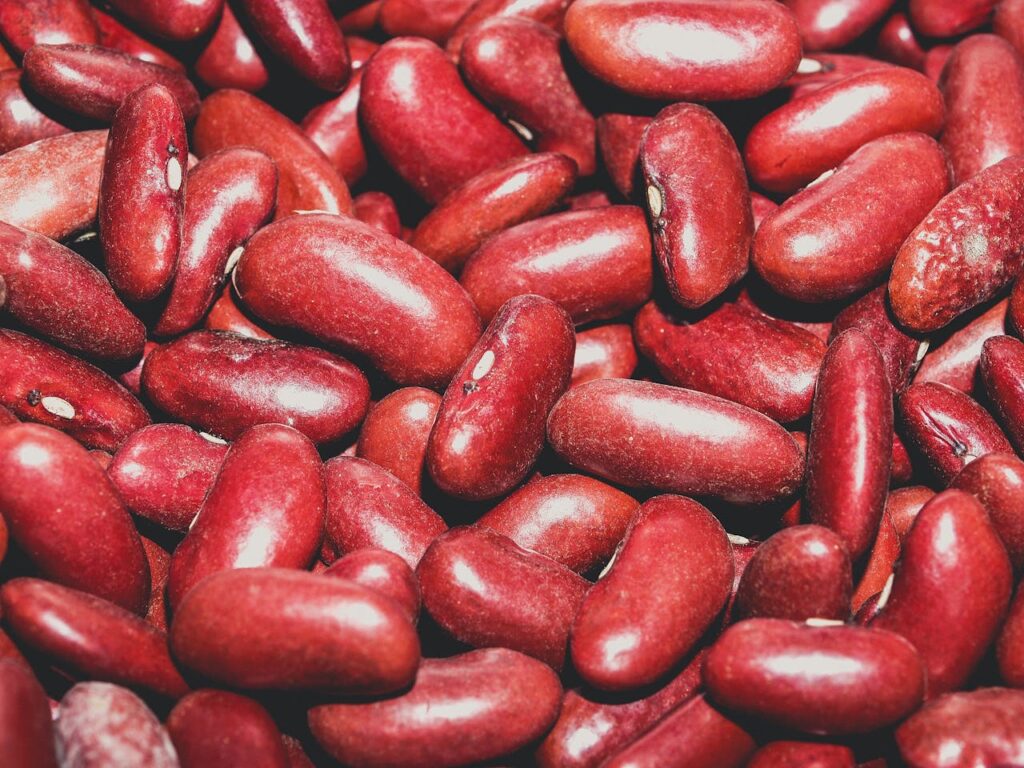
Beans were one of those humble foods that quietly held the frontier together. Overland supply lists commonly included dried beans, and once they were soaked and cooked, they delivered bulk, warmth, and a sense that dinner was, in fact, dinner.
Beans also paired beautifully with whatever else was around, especially bacon, salt pork, or meat scraps. They were slow food in the most literal sense, but on the frontier, a slow pot of beans could still be the smartest thing in camp.
Dried Fruit Helped Break The Monotony
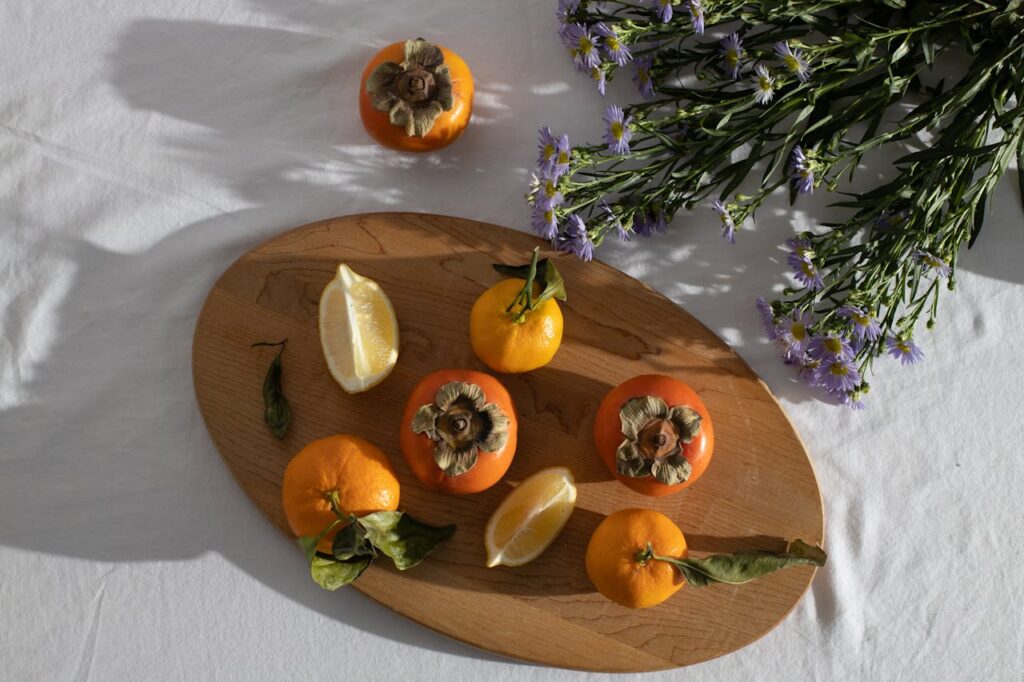
Imagine days and days of starch, salt, smoke, and grease. Then imagine the relief of biting into something sweet and chewy.
Dried apples and other dried fruits appeared on recommended food lists because they lasted far longer than fresh produce and gave families a welcome change in flavor. They were not just treats. They added variety, traveled well, and helped make hard meals feel a little more human.
Wild Game Filled The Gaps When Supplies Ran Thin
The frontier rewarded anyone who could hunt. The source article points out that pioneers relied on local game such as rabbits, squirrels, and venison, and that hunting was less a hobby than a necessity.
That detail matters because packed provisions could run low, spoil, or simply become too monotonous to bear. Wild game gave settlers fresh protein and a break from preserved food, even if catching supper was often hard, messy work that came with no guarantees.
Coffee Was More Than A Drink

Coffee shows up again and again in historical ration lists, which says a lot about how deeply people depended on it. It brought warmth in cold weather, comfort at dawn, and a little spark of morale in a life that could feel punishingly repetitive.
. On a difficult journey, a hot cup did more than wake people up. It created a pause, a routine, and one small familiar pleasure in a world that kept demanding toughness.
Molasses And Vinegar Desserts Proved Pioneers Could Improvise
Frontier food was not all grit and grease. Pioneers still found ways to make something sweet, even when proper dessert ingredients were scarce.
The source article describes molasses cake as a common comfort food and notes that settlers even used apple cider vinegar in pie-style desserts when fresh fruit was hard to come by. That kind of improvisation says everything about frontier cooking. It was not fancy, but it was clever, stubborn, and deeply determined to make the best of whatever was left in the wagon.