Food history is rich with tales passed down for generations. We love the version where one genius invents an iconic dish in a flash of inspiration, a single famous traveler imports a staple from abroad, or a celebrated name becomes permanently linked to a product.
However, food history is much more complex and fascinating than these tidy narratives suggest. Most iconic dishes and food innovations emerged through migration, trade, improvisation, and marketing, not from one person’s moment of brilliance.
When we take a closer look at documented evidence, patents, menus, and travel accounts, many of the famous “facts” we take for granted begin to unravel. What follows is a closer look at 10 food history misconceptions, and the better-supported stories behind them.
Caesar Salad
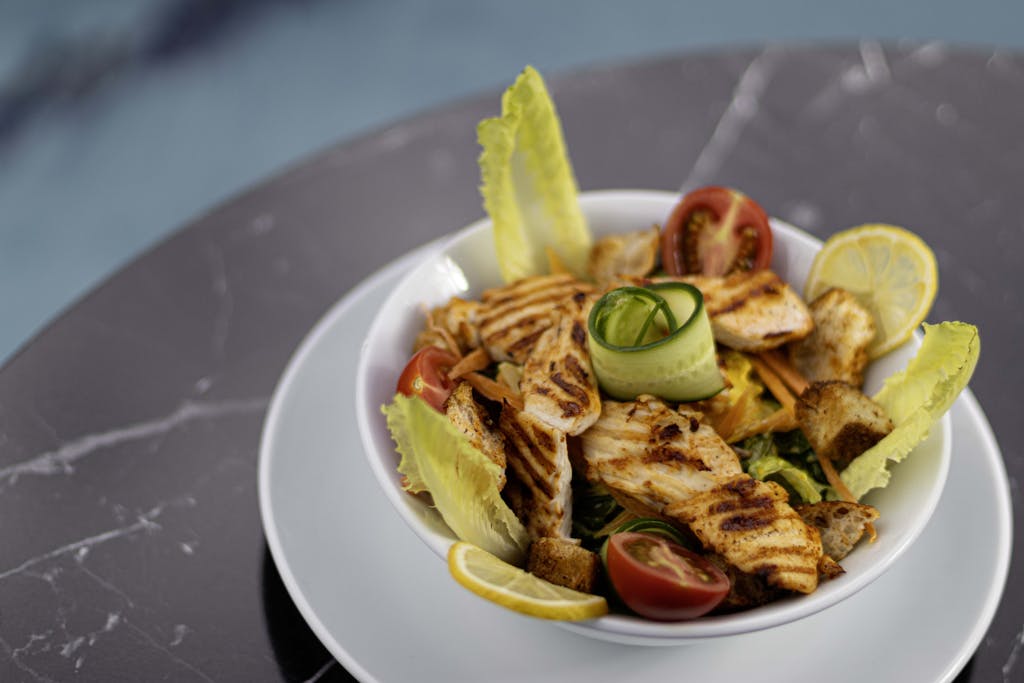
The Caesar salad’s name evokes images of ancient Rome, but the connection to Julius Caesar is purely accidental. In reality, Caesar Cardini, an Italian restaurateur, is credited with creating the dish in 1924. Cardini owned a restaurant in Tijuana, Mexico, where he served the salad to American tourists seeking a fresh dining experience during Prohibition. The idea that the salad originated in ancient Rome is a misconception. The Caesar salad, with its bold dressing and theatrical presentation, is a product of early 20th-century Mexico, not an ancient Roman recipe.
Dom Pérignon
Dom Pérignon is often credited with inventing champagne, but the truth is more nuanced. While Pérignon made significant improvements to the production of sparkling wine, he did not create it. Champagne, as a sparkling wine, existed before Pérignon’s time. Pérignon’s contribution was to refine the process, particularly by controlling fermentation and blending methods, making the drink more consistent and drinkable. He was a key figure in the development of champagne, but he was not its originator.
Meat Substitutes
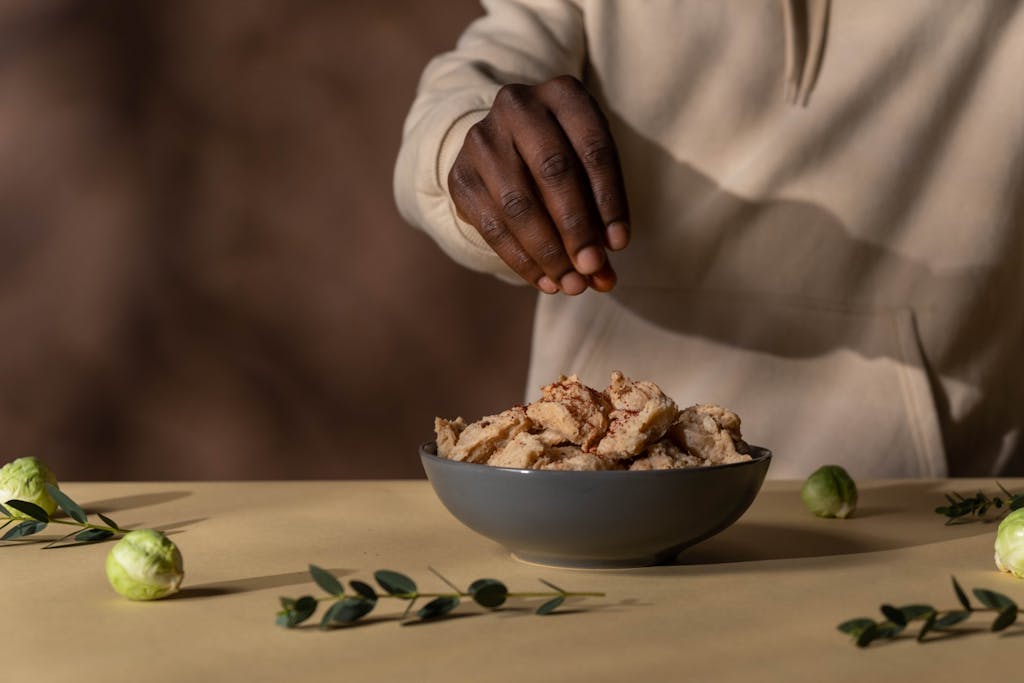
Plant-based meat substitutes are often seen as a modern trend driven by health-conscious consumers and environmental concerns. However, the history of meat substitutes goes back much further, particularly during wartime periods when resources were scarce. During World War I, Germany created vegetarian sausages to stretch food supplies, long before plant-based products became associated with modern-day wellness culture. These early substitutes were born from necessity, not as part of a contemporary lifestyle trend.
Coca-Cola and Cocaine
Contrary to popular belief, Coca-Cola did indeed contain coca-leaf extract, which naturally contains trace amounts of cocaine, in its original formula. While it’s true that the company removed cocaine from the drink in the early 1900s, the drink’s association with the substance is part of its historical reality. The Coca-Cola Company phased out the use of coca in the drink and, by 1929, began using a cocaine-free coca extract for flavoring. So, while Coca-Cola today is free of cocaine, its original formulation was far from innocent.
Hydrox vs. Oreo
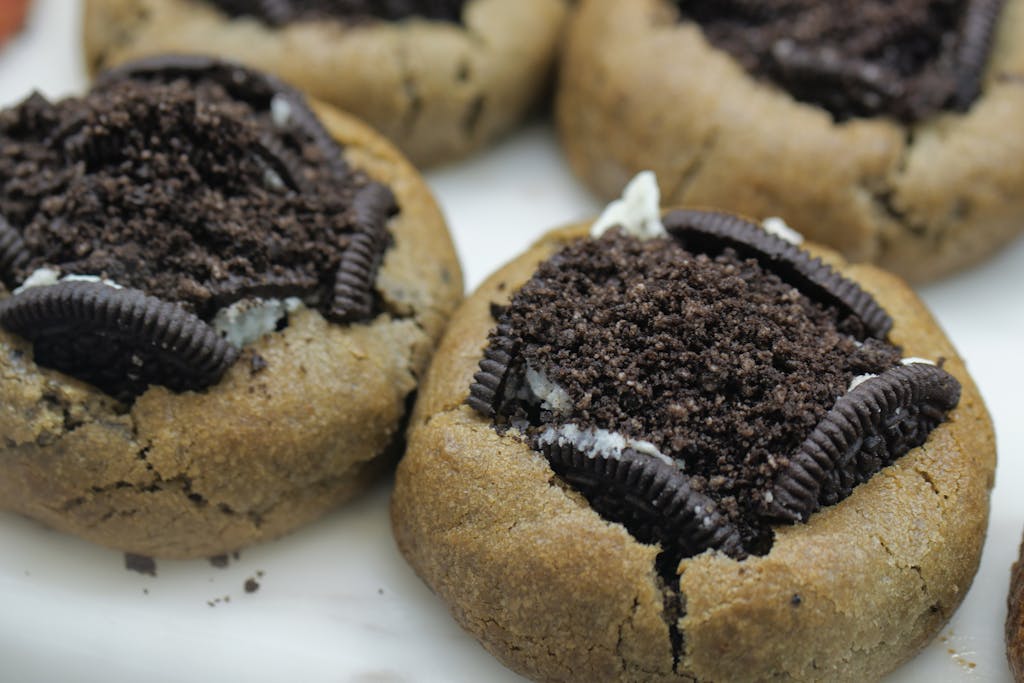
Oreo is often regarded as the original sandwich cookie, but in reality, Hydrox, created by Sunshine Biscuits, predates Oreo by 4 years. Hydrox was introduced in 1908, and Oreo followed in 1912. Despite Oreo’s later success and overwhelming brand recognition, Hydrox was the first sandwich cookie to hit the market. It’s a classic case of brand dominance rewriting history, where the bigger name overshadows the true originator.
Croissants
While France may be most famous for its croissants, the pastry’s origins can actually be traced back to Austria. The kipferl, a crescent-shaped pastry, existed long before the croissant was popularized in France. It was only after the pastry traveled to France that it underwent a significant transformation, eventually becoming the buttery, flaky croissant we know today. The croissant’s journey is a testament to how food evolves across borders, blending influences from different cultures before becoming a defining symbol of French cuisine.
Marco Polo and Pasta
One of the most enduring myths in food history is that Marco Polo introduced pasta to Italy after his travels to China. In fact, pasta was already well-known in Italy long before Polo’s return. Historical records show that pasta was being produced and consumed in Italy as early as the 12th century, particularly in Sicily. While Polo’s travels may have sparked curiosity about Asian foods, they did not bring pasta to Italy. The myth of Marco Polo and pasta simplifies a much older and richer history of pasta in Italy.
George Washington Carver and Peanut Butter
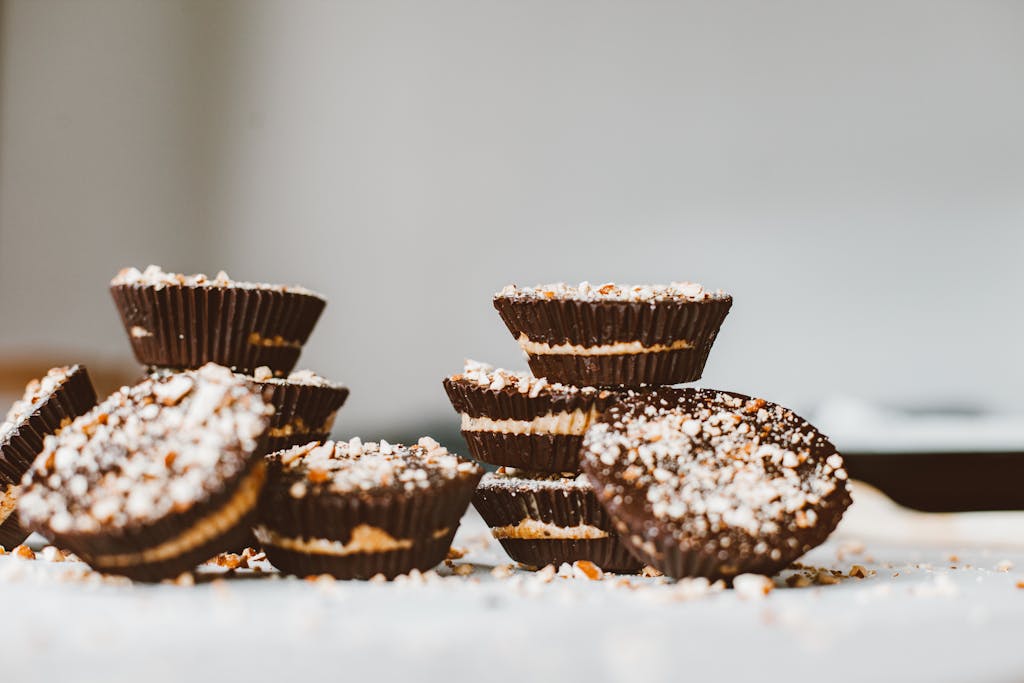
George Washington Carver is often credited with inventing peanut butter, but this is another misconception. While Carver made significant contributions to the agricultural use of peanuts, including developing ways to cultivate and process them, peanut butter was invented before Carver’s time. The first patent for peanut paste was granted to Marcellus Gilmore Edson in 1884, and John Harvey Kellogg also developed a form of peanut butter in 1895. Carver’s work in promoting peanuts helped make them a staple, but he did not invent peanut butter.
Fortune Cookies
Fortune cookies have long been associated with Chinese restaurants in the United States, but they actually have Japanese roots. The earliest known fortune cookies were made by Japanese immigrants in California, particularly in San Francisco’s Japanese Tea Garden. Over time, fortune cookies became linked to Chinese-American restaurants, especially after World War II, when the internment of Japanese Americans led to a shift in production. While fortune cookies are now a staple of Chinese-American dining, their true origins lie in Japanese-American traditions.
The Earl of Sandwich
The sandwich is often attributed to the Earl of Sandwich, who is said to have invented it as a convenient way to eat while gambling. However, the concept of placing food between bread predates the Earl of Sandwich by centuries. In fact, the practice of eating bread with filling can be traced back to ancient civilizations, including the 1st century BC, when Hillel the Elder, a Jewish sage, is said to have eaten a form of sandwich during Passover. The Earl of Sandwich may have popularized the name, but the sandwich as a concept existed long before him.