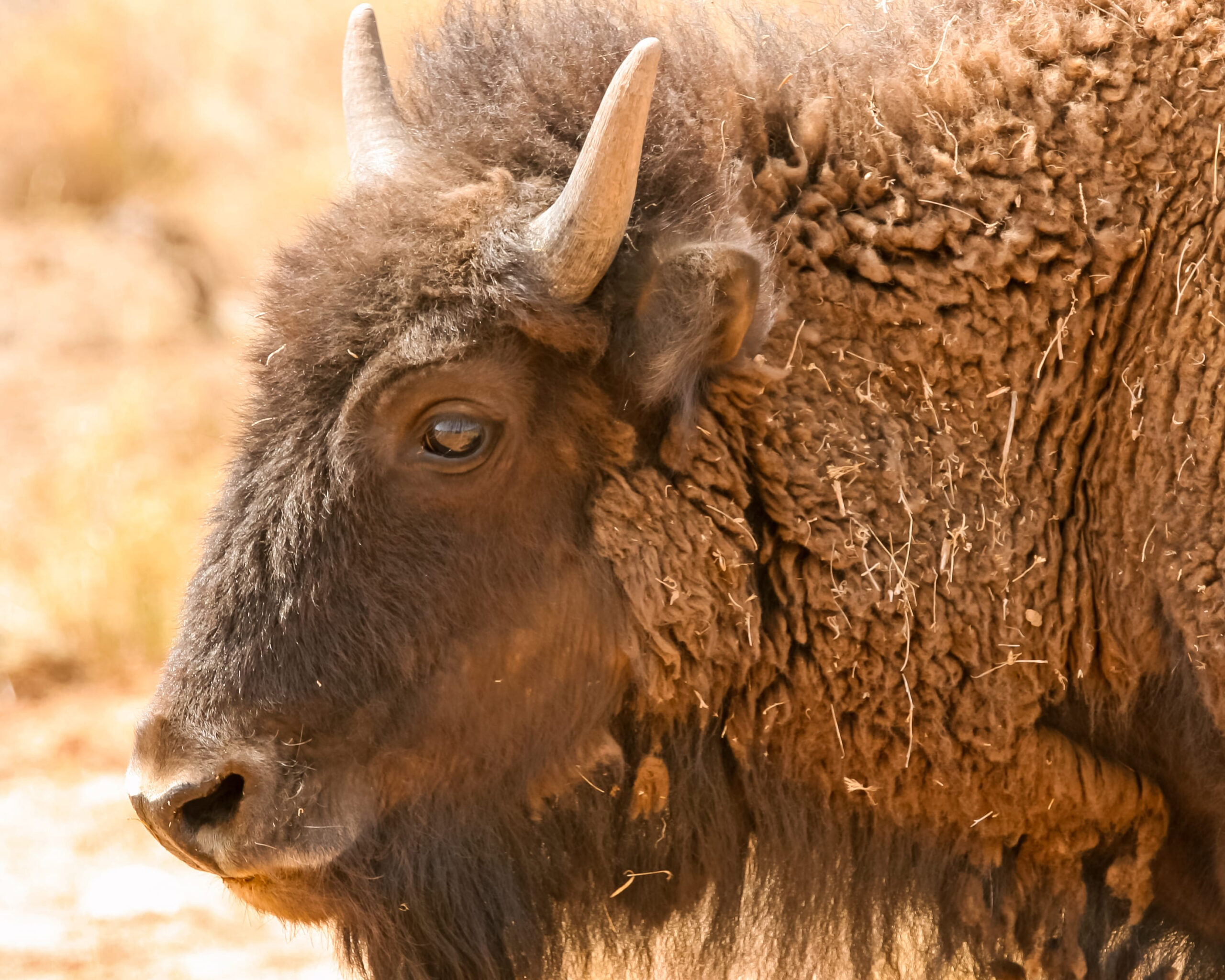
What if the next breakthrough in disease detection is not in a lab but in the animal kingdom? As technology continues to improve, we are realizing that animals can detect human diseases even before we do. Their keen senses can detect even the slightest change in human biology that might otherwise go unnoticed. From dogs to pigeons, animals are proving to be the most valuable asset in our quest to conquer diseases. In this article, we will look at 10 amazing animals capable of detecting human diseases.
Dogs
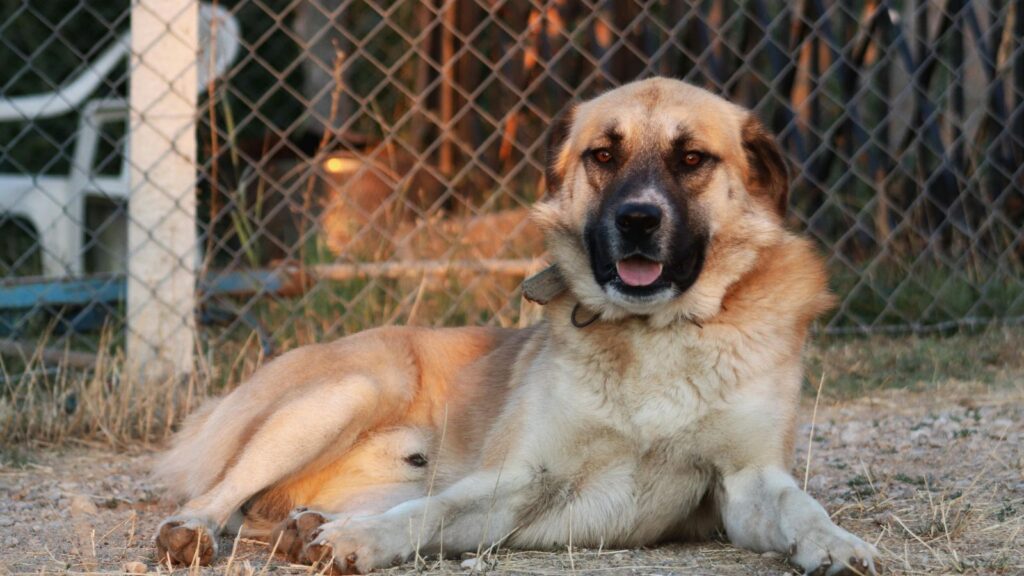
Dogs have always been recognized for their incredible sense of smell, which is 10,000 to 100,000 times better than humans’. Now, dogs’ incredible sense of smell is being used to detect diseases such as cancer, diabetes, and even Parkinson’s disease. A study has revealed that dogs can detect chemical changes in human bodies and detect diseases at an early stage. Dogs can detect the smell of cancer, such as lung cancer, breast cancer, and ovarian cancer, even when the patients do not display the symptoms of the diseases.
Rats
Rats may not be the first species that comes to your mind when you think of detecting diseases, but their abilities are nothing short of astonishing. It has been found that rats, with their keen sense of smell, can not only detect tuberculosis but also certain types of cancer, such as lung cancer. In a study undertaken by Korean researchers, rats were trained to smell a chemical compound associated with lung cancer, namely toluene.
The rats were required to jump on a floating ledge when they sensed the smell of toluene. These rats have proven their mettle, achieving an astonishing 82% accuracy by jumping onto the ledge when they detected toluene.
Bees
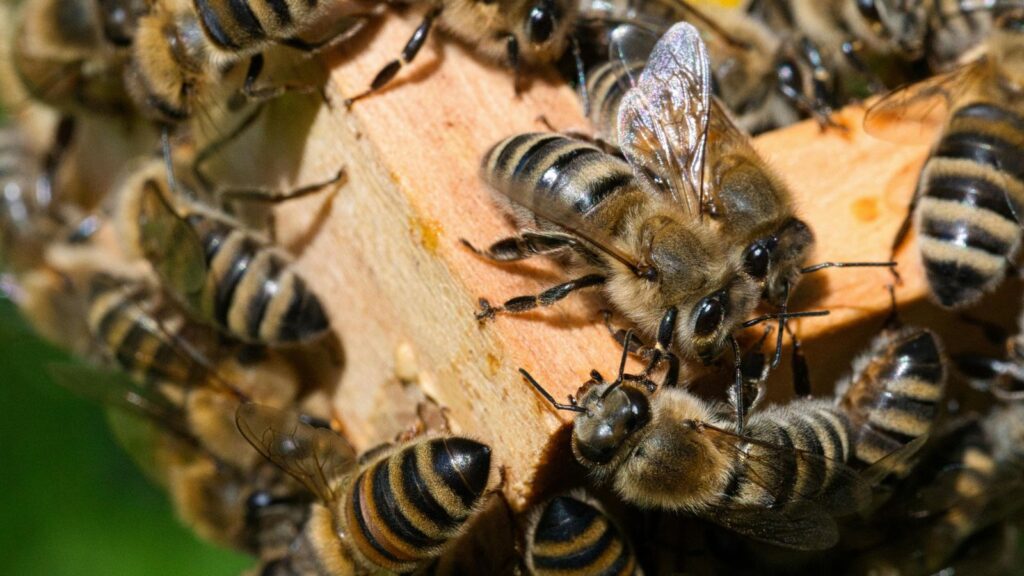
While bees may seem like an uncomplicated insect, their olfactory skills are incredible. Bees can detect tiny amounts of substances in the air, making them ideal for detecting diseases such as tuberculosis and diabetes. In a revolutionary study, bees were trained to recognize certain chemicals linked to disease, and they responded by landing at a specific spot.
Their ability to distinguish between odors in combination makes them suitable for use in a clinical environment, where many odors need to be distinguished. This innovation may lead to faster, cheaper tests, especially if bees are used to detect specific biomarkers in human breath.
Pigeons
Animals such as pigeons, which are considered to be at the lowest levels of the animal kingdom, have astonished researchers with their ability to detect diseases such as cancer and even viruses. In a study, pigeons were trained to detect diseases by being exposed to certain visual and olfactory cues.
Pigeons’ keen eyesight and sense of smell help them detect even minute changes in human health. These birds have been trained to peck at a screen when they identify patterns associated with biomarkers for certain diseases, potentially revolutionizing the detection of these diseases.
Elephants
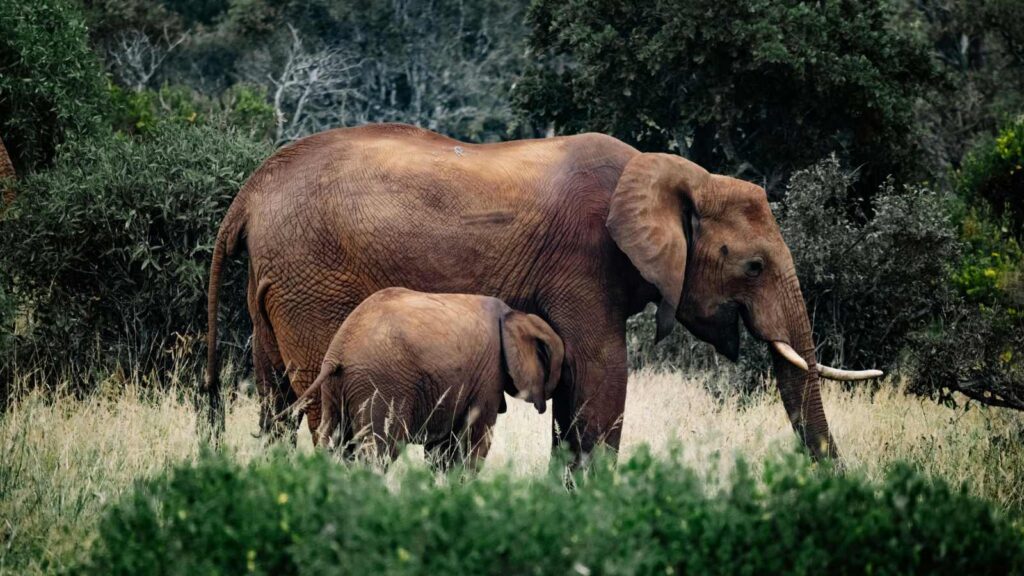
Elephants, known for their impressive memory, also have an extraordinary sense of smell. This remarkable ability has been harnessed to detect landmines, but it doesn’t end there—elephants have also been shown to detect certain cancers. Their keen sense of smell allows them to detect scents from tissues affected by tumors, which could help identify early signs of cancer in humans. The potential for elephants in medical diagnostics is vast, given their size and sensitivity to a range of biological odors.
Sharks
Sharks, often feared for their predatory nature, have an incredible ability to detect electrical signals emitted by living organisms. This skill is so finely tuned that sharks can detect diseased tissues in humans, particularly those suffering from cancer.
Sharks can detect weak electrical fields generated by abnormal cell growth, making them an invaluable resource for early detection of certain diseases. Though this discovery is still in its infancy, the potential for sharks to assist in medical diagnostics could revolutionize non-invasive health monitoring.
Snakes
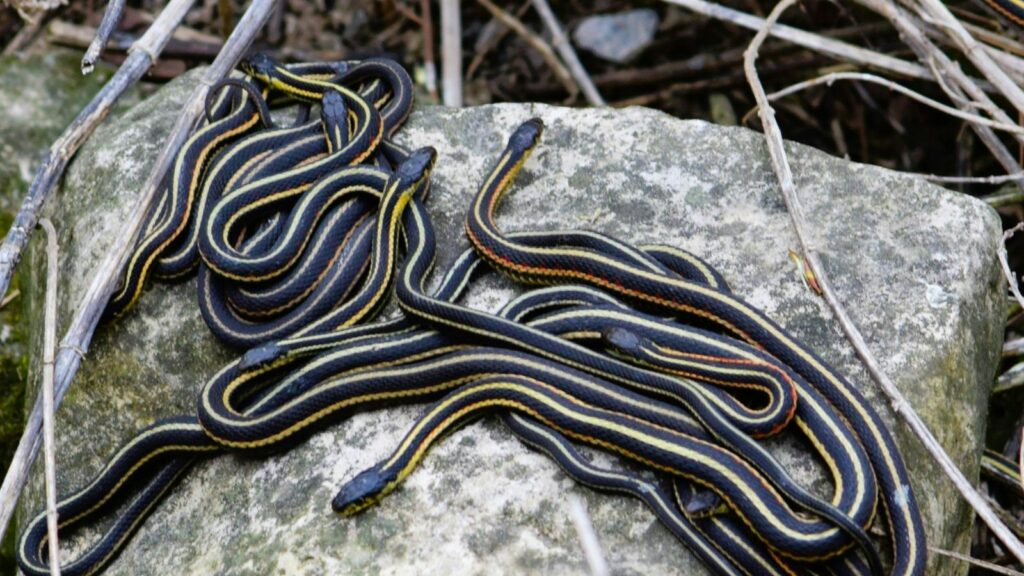
Certain species of snakes, such as pit vipers, have an organ called the Jacobson’s organ that enables them to detect chemicals in their environment. This highly specialized sense enables snakes to “smell” pheromones. Researchers have found that snakes can be trained to sense human diseases such as cancer. Their sensitivity to the chemical changes associated with disease makes them excellent candidates for disease detection, offering a new avenue for non-traditional diagnostic methods.
Cows
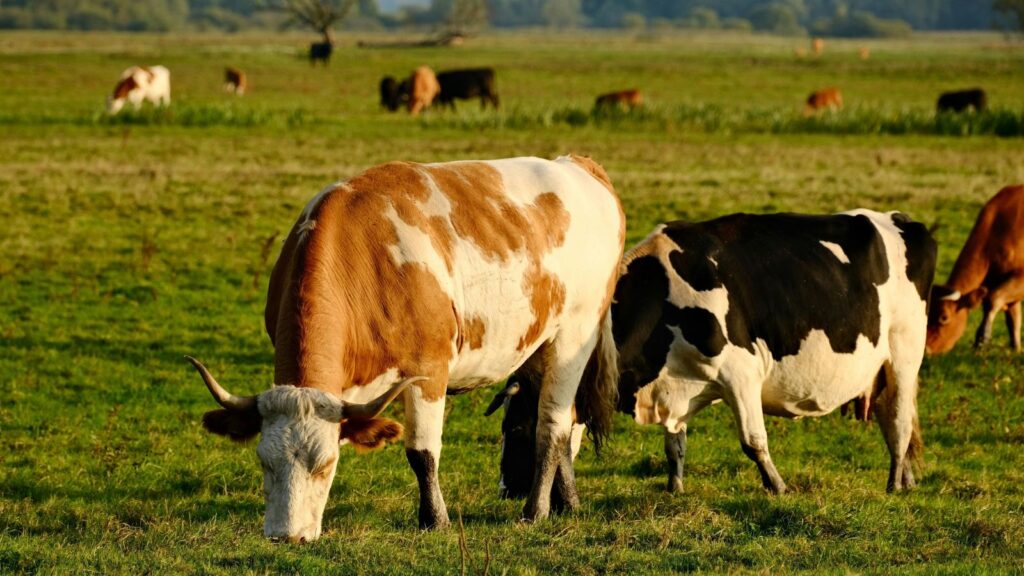
While cows are primarily known for their role in agriculture, they also have a highly developed sense of smell, enabling them to detect diseases such as tuberculosis in humans. In research, cows have been trained to recognize certain smells associated with infected people. This ability to detect diseases through smell is an invaluable asset, especially in a rural context where such facilities may be lacking. The animal’s friendly nature makes it well-suited for this purpose.
Mice
Mice, due to their genetic similarities to humans, have long been used in scientific research. But it’s their extraordinary sense of smell that’s now catching the attention of medical professionals. Mice have been shown to detect changes in body chemistry linked to diseases such as diabetes and cancer. Researchers have begun training mice to identify specific chemical signals associated with these conditions, providing an innovative, cost-effective approach to early disease detection. Their small size and ease of handling make them an attractive option for clinical and laboratory environments.
Dogs and Dolphins
Though dogs are the first choice for disease detection, dolphins are increasingly entering the arena as unexpected allies. Like dogs, dolphins can also be easily trained and possess acute senses. Especially, the use of dolphins in detecting diseases in humans and animals is gaining momentum.
While working with both dogs and dolphins, scientists are revealing how the natural abilities of the animal kingdom can be employed to detect diseases in humans, especially in water.
Conclusion: Nature’s Unlikely Heroes in Disease Detection
The animals listed above are not just fascinating for their unique abilities but are also on the cutting edge of medical science. Whether it’s the incredible sense of smell in dogs or the chemical-detection abilities in rats, these creatures hold the key to early disease detection, which can change the face of health care in dramatic ways.
These incredible abilities demonstrate that, in our constant search to improve diagnostic tools, we look to the natural world for answers. With continued research and development, animals might be the key to unlocking a future of faster, more accurate disease detection that could save countless lives worldwide.