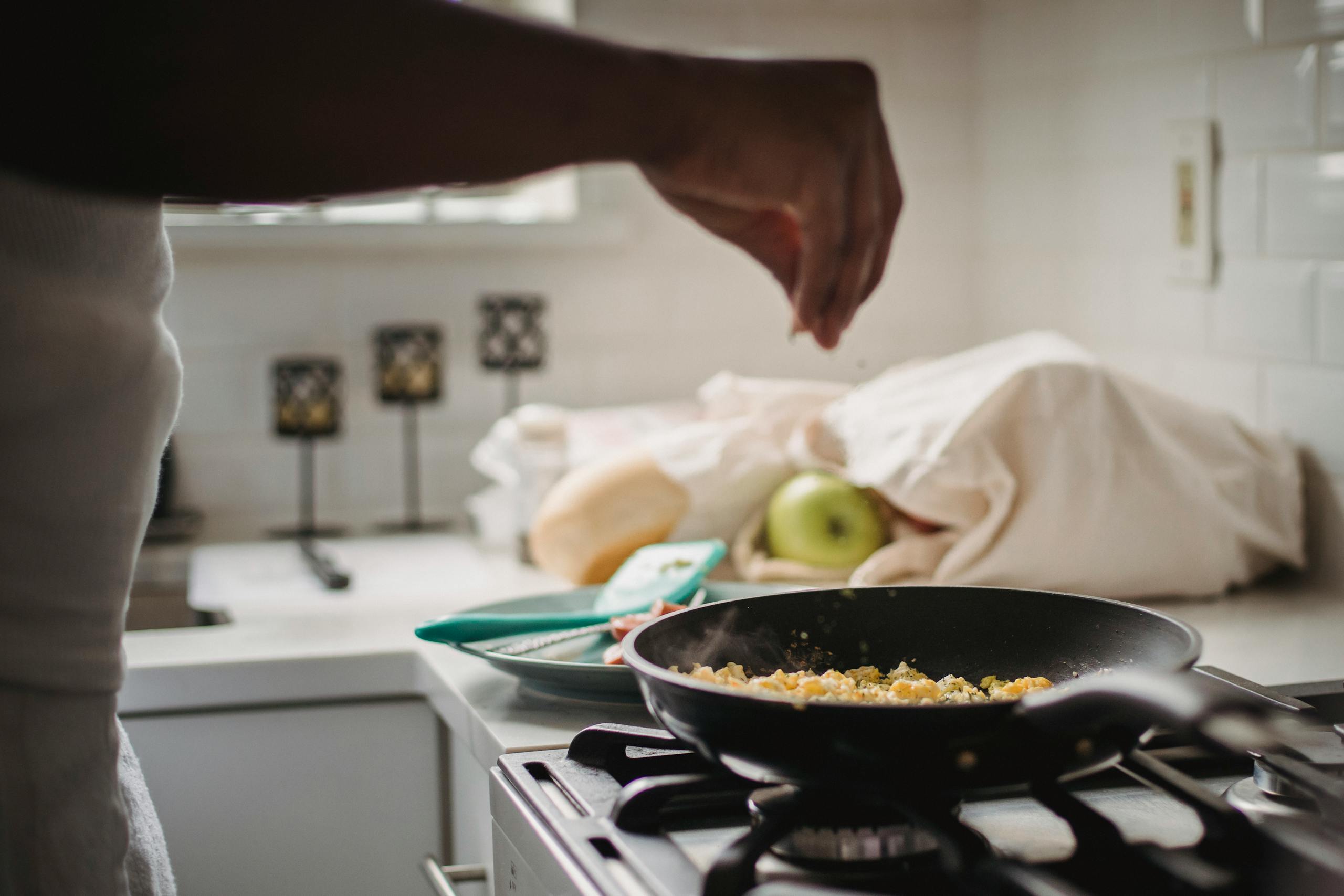
A good home cook does not need a fancy range, a drawer full of trendy gadgets, or the patience of a television chef. What really changes the game is knowing a handful of small tricks that save time, rescue ingredients, and make everyday meals taste more polished.
The original Frenz Hub piece rounds up 20 of those ideas, from saving pasta water to freezing herb cubes, and several of them are genuinely useful in a real kitchen.
The beauty of kitchen wisdom is that it often looks almost too simple to matter. A splash of brine, a sharp knife, or a labeled container can be the difference between a chaotic dinner and one that feels surprisingly effortless.
Here’s a fresh, more original take on those clever kitchen habits, written for home cooks who want food that tastes better without turning dinner into a second job.
Eat the peels when they deserve a place on the plate.
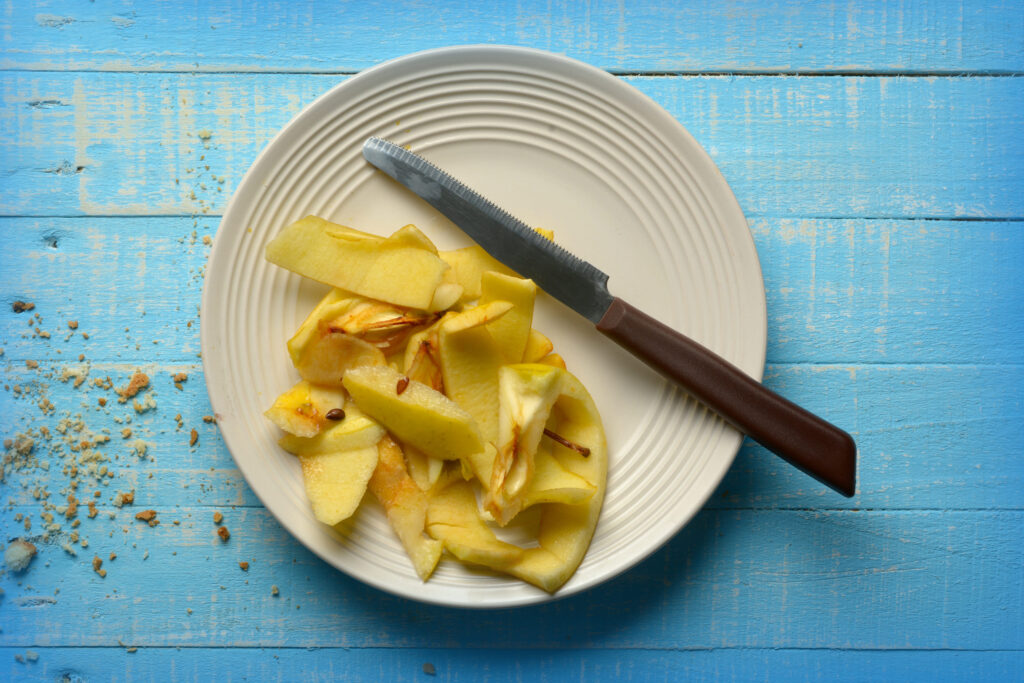
A lot of home cooks automatically strip vegetables and fruit bare, then toss away the most useful part. When the peel is clean, edible, and pleasant to chew, keeping it on can add texture, fiber, and extra nutrients.
Potatoes, cucumbers, carrots, apples, and even some zucchini are often better with less peeling and less fuss.
Treat pickle and olive brine like liquid flavor.
That last bit of brine sitting in the jar is not kitchen trash. It can wake up salad dressings, sharpen marinades, brighten potato salad, and give dips a salty, tangy edge that plain vinegar cannot quite match.
One spoonful can make a bland dish suddenly taste like somebody knew exactly what they were doing.
Never drain pasta without saving a little of the water.
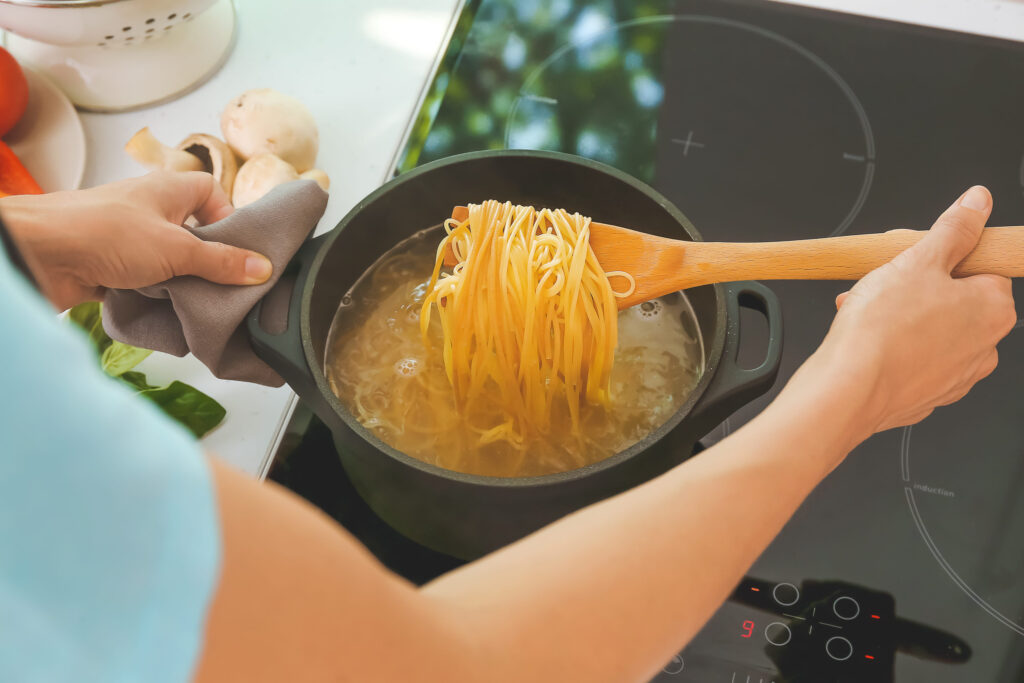
Pasta water is not glamorous, but it is one of the smartest tools in the room. Because it contains starch from the noodles, it helps sauces cling better and emulsify into a smoother, silkier texture rather than becoming oily or watery.
That is why restaurant-style pasta often tastes more unified than pasta served with sauce simply dumped on top.
Regrow what you can from scraps.
Kitchen scraps can sometimes be the start of your next ingredient. Green onions, celery, romaine hearts, and some herbs can push out new growth if you set the base in shallow water and give it a little light.
It will not replace a full grocery trip, but it does stretch your ingredients and makes your kitchen feel a little more alive.
Give leftover pulp a second life.
If you juice fruits or vegetables, the leftover pulp still has value. It can bulk up muffins, disappear into soups, thicken smoothies, or add moisture to pancakes and quick breads.
Smart home cooks know that “leftover” and “useless” are not the same word.
Stop throwing away useful rice water without a thought.
When you rinse rice, that cloudy water contains loosened starch. Some cooks use it in small ways around the kitchen, such as loosening sticky pans, soaking ingredients, or experimenting with batters and doughs that benefit from a little starch.
It is a small reminder that waste often comes from habit more than necessity.
Keep a freezer bag just for vegetable scraps.
Carrot peels, onion ends, celery tops, mushroom stems, and herb stalks may not look exciting in the moment, but together they can become a rich homemade stock.
Toss them into one freezer bag and let the collection build until you are ready to simmer it all into something useful. It is one of the cheapest ways to make soups and sauces taste deeper and more homemade.
Parmesan rinds are flavor bombs in disguise.
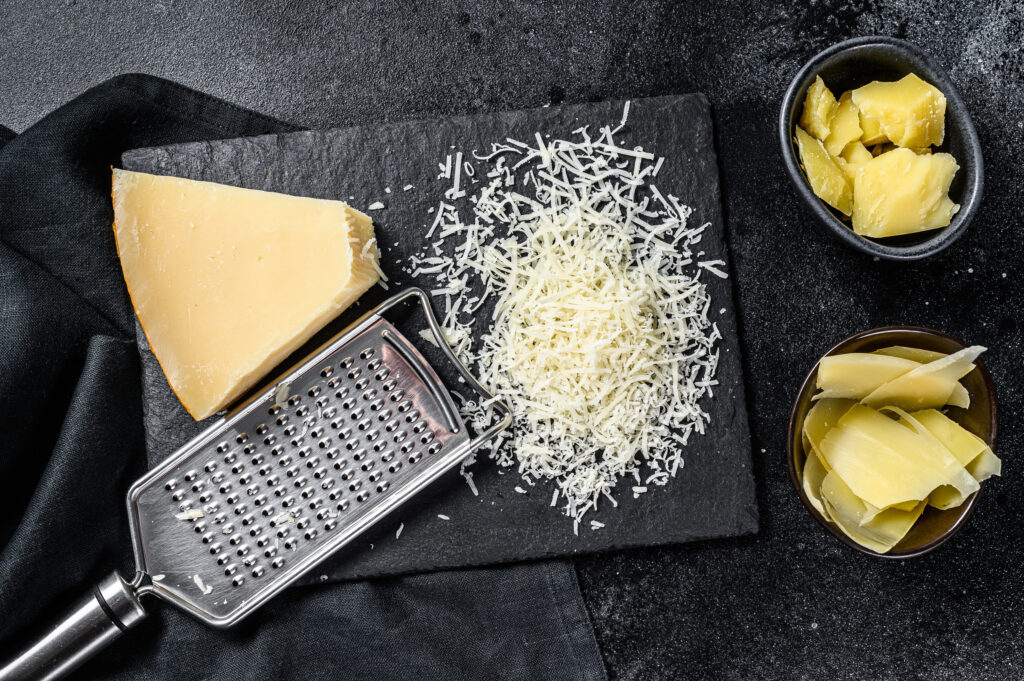
The hard end of a Parmesan wedge may seem done with life, but it still has work to do.
Drop the rind into soups, sauces, or beans while they cook, and it quietly releases a savory, nutty depth that tastes as if you worked much harder than you did. It is the culinary version of getting one last miracle out of something everyone else would toss.
Freeze leftover broth and wine before they turn on you.
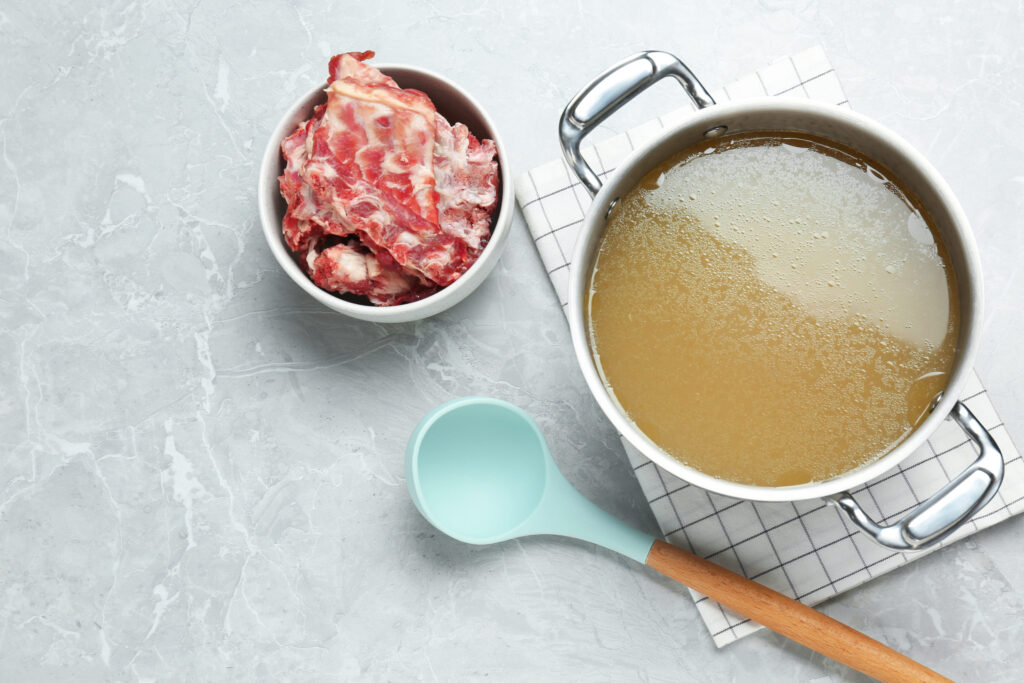
A half cup of broth or a splash of wine rarely looks important, until a recipe needs exactly that much. Freezing these leftovers in small portions gives you ready-made flavor boosters for pan sauces, braises, soups, and risottos.
It is a tiny habit that saves money and prevents the sad ritual of discovering spoiled liquid in the back of the fridge.