Let’s face it: the generational gap between Baby Boomers and Gen Z is not just about minor disagreements; it’s a full-on cultural clash. From the way they work to the food they eat, and even the values they hold dear, Gen Z is rewriting the rulebook.
Boomers, who grew up in a different time, often find themselves scratching their heads at the things Gen Z does on a daily basis. But is this really all that surprising? Maybe not. In a world that’s rapidly changing, Gen Z is simply adapting to the times in its own way. So, here’s a deeper dive into 10 habits that Baby Boomers just can’t quite wrap their heads around.
The “Job-Hopping” Trend

Boomers may have spent decades at one job, climbing the corporate ladder, and finding security in long-term employment. But for Gen Z, job loyalty isn’t necessarily the end-all, be-all. They’re far more likely to switch jobs every 2-3 years, looking for higher pay, better work-life balance, or roles that align with their personal values.
Many Gen Zers have seen their parents lose jobs to layoffs or be forced into early retirement, making the traditional “work your way up in one company” feel outdated. In fact, Gen Z sees job-hopping as a necessary career strategy to avoid burnout and achieve personal growth. This isn’t about disloyalty, it’s about taking control over their careers in an unpredictable economy.
Avocado Toast
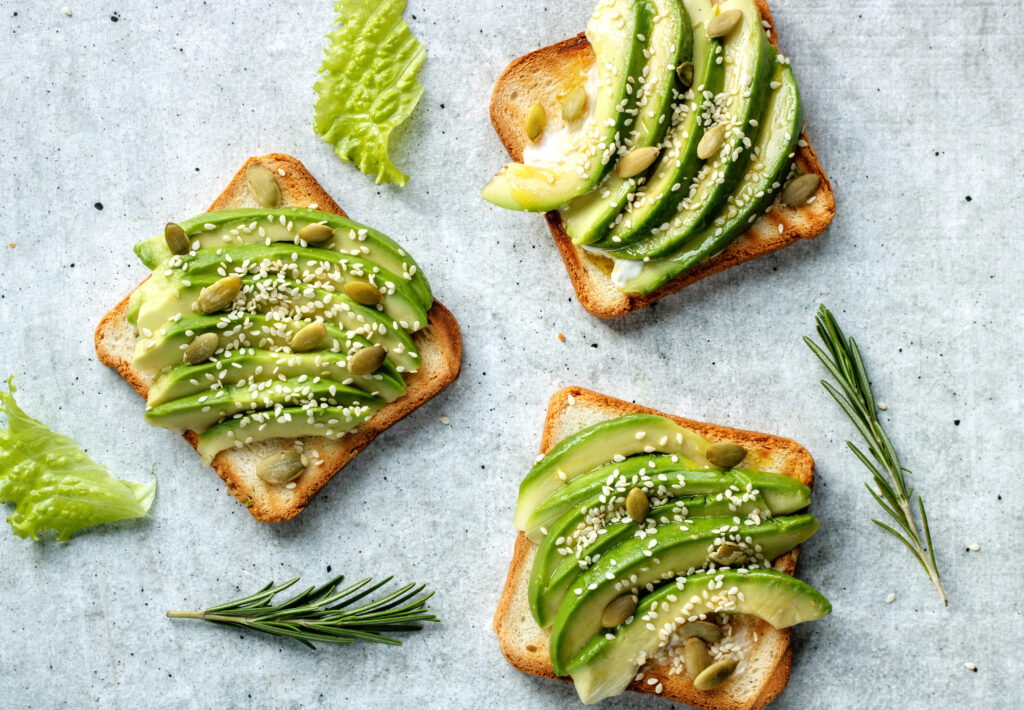
The infamous avocado toast. Boomers love to make jokes about how it’s the reason Gen Z can’t afford to buy homes. To them, it’s a frivolous indulgence. But for Gen Z, avocado toast represents more than just a trendy meal; it’s a symbol of self-care in an often-stressful, uncertain world.
This simple dish, often accompanied by a cup of coffee, is part of a broader trend toward seeking moments of enjoyment in a world that seems increasingly out of control. It’s an affordable luxury, an act of treating yourself when things are tough. In fact, many young people argue that without these small pleasures, life would feel much grimmer.
Renting vs. Buying
Boomers were taught that owning a home was the ultimate financial goal. It was the American Dream: buy a house, pay it off, and settle down.
For Gen Z, however, buying a house feels like an impossible dream. With soaring housing prices, student loan debt, and rising living costs, many in Gen Z have concluded that renting is simply a more practical option. Renting provides them with flexibility, allowing them to move for job opportunities or travel without being tied down.
Homeownership, once a symbol of success, has become an elusive goal for many young adults who are focused on creating an enjoyable, debt-free lifestyle instead.
Setting Boundaries with Family
For many Boomers, family is everything. They grew up with the idea that you respect your elders, keep close ties with your relatives, and always make time for family gatherings. But Gen Z is changing the game.
They’re much more likely to set boundaries with family members, especially those who cause them emotional stress. This isn’t about being disrespectful; it’s about prioritizing mental health and well-being. While Boomers might view this as a “disrespectful” break from tradition, Gen Z sees it as a necessary part of modern self-care. If family members don’t contribute positively to your life, why keep them around?
Breaking the Stigma Around Therapy
Boomers grew up in an era where mental health was often stigmatized. Therapy was seen as something only for the “seriously troubled,” and emotional struggles were often kept private.
For Gen Z, however, therapy is a normal part of life just like going to the gym or visiting a doctor. They view therapy as a way to strengthen their mental well-being, develop self-awareness, and navigate life’s challenges.
The idea that mental health is just as important as physical health is a foundational belief for this generation. In fact, many Gen Zers advocate for making mental health care more accessible and mainstream.
Digital Natives
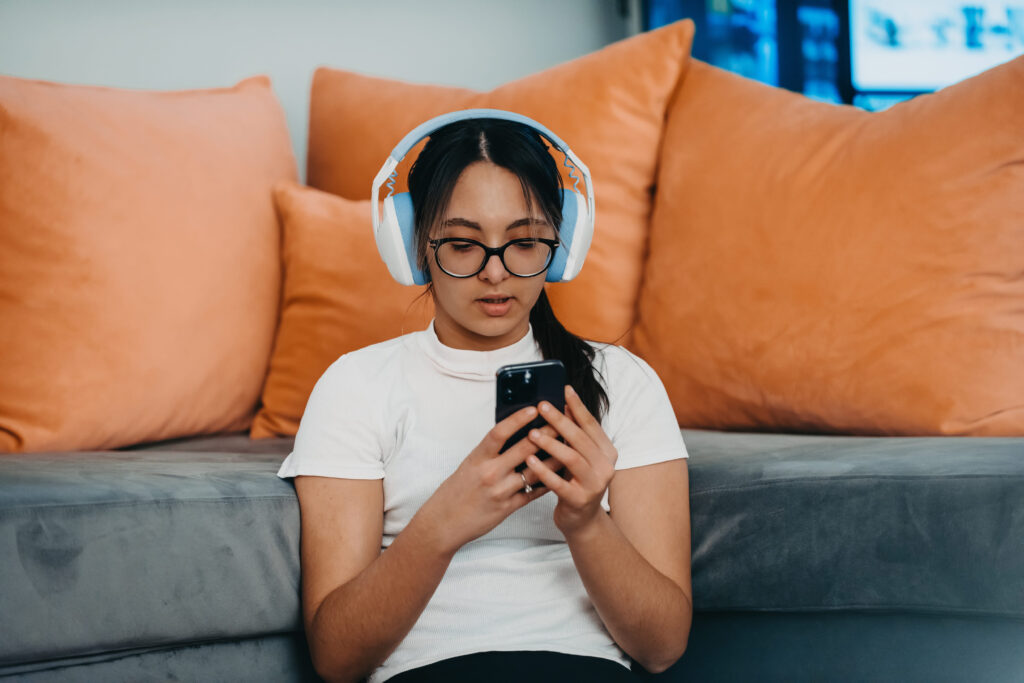
Boomers grew up without smartphones, and even when they were introduced, they were seen as luxuries or novelties. But for Gen Z, phones are essential. They use their devices not only for communication but for nearly every aspect of their lives: socializing, learning, working, and even relaxing.
Social media platforms like TikTok and Instagram are crucial for building social connections, expressing creativity, and gaining inspiration. While Boomers might see this as an unhealthy obsession, Gen Z views their phones as tools for success, personal growth, and connection. It’s a natural extension of their digital-first lives.
Food Pics
Boomers often mock the act of photographing food before eating it, but for Gen Z, it’s a form of self-expression. Food isn’t just something to eat; it’s something to share, celebrate, and sometimes even show off.
For Gen Z, food pics aren’t just about vanity; they’re about connecting with others, creating aesthetic content, and participating in a global conversation. It’s a way to document their experiences, their creativity, and their lifestyles. Whether it’s a simple home-cooked meal or an extravagant restaurant dish, food photos are part of their personal brand.
Selfies
Taking selfies may seem like a trivial activity to many Boomers, but for Gen Z, it’s a way to celebrate themselves. Selfies have become a key part of their social media presence, allowing them to express their individuality and boost their confidence.
While Boomers may view this as self-centered, Gen Z sees it as a healthy form of self-expression and self-love. It’s a way to document moments, share experiences, and feel empowered in a world where confidence can be hard to come by. In a way, selfies have become the modern-day version of a personal portrait.
Living at Home Longer
Boomers were typically expected to move out of their parents’ homes as soon as they could afford it. For Gen Z, though, staying with their parents longer is often a financial necessity.
With the high cost of living and student loan debt, many young people are staying at home while they get on their feet. While some Boomers may view this as a sign of immaturity, Gen Z sees it as a practical solution in a world where independence comes at a much higher price.
Choosing Not to Have Children

While Boomers followed a traditional path of marriage and children, many in Gen Z are opting out of parenthood altogether.
Whether it’s due to environmental concerns, financial instability, or a personal choice, more young adults are deciding that having children is not a priority. For Boomers, this is often seen as a rejection of family values, but for Gen Z, it reflects a changing world where self-care, environmental sustainability, and personal goals take precedence over traditional norms.