Kitchen cabinets are the go-to storage spot for all things cooking-related, but not everything belongs there. Some items can easily degrade, lose their freshness, or even pose safety risks when stored in the wrong conditions. Here are six common things that should not be kept in your kitchen cabinets, and where you should store them instead.
Paper Towels

Many of us store extra rolls of paper towels under the sink or in a lower kitchen cabinet. However, these spots are often prone to leaks, drips, or spills, which can ruin the rolls. To avoid this, store your paper towels in a dry, safe location, like a pantry shelf or a cabinet far from plumbing. This will keep them fresh and ready for use without the risk of damage.
Cookbooks
It’s tempting to keep your cookbooks close at hand in the kitchen, but the environment isn’t ideal for them. The heat, steam, and humidity from cooking can warp pages and cause wear over time. A better solution is to store them in a dry area, such as a bookshelf in another room or a shelf in a pantry. This way, your cookbooks stay in good condition, free from the daily kitchen hustle.
Spices Near Heat
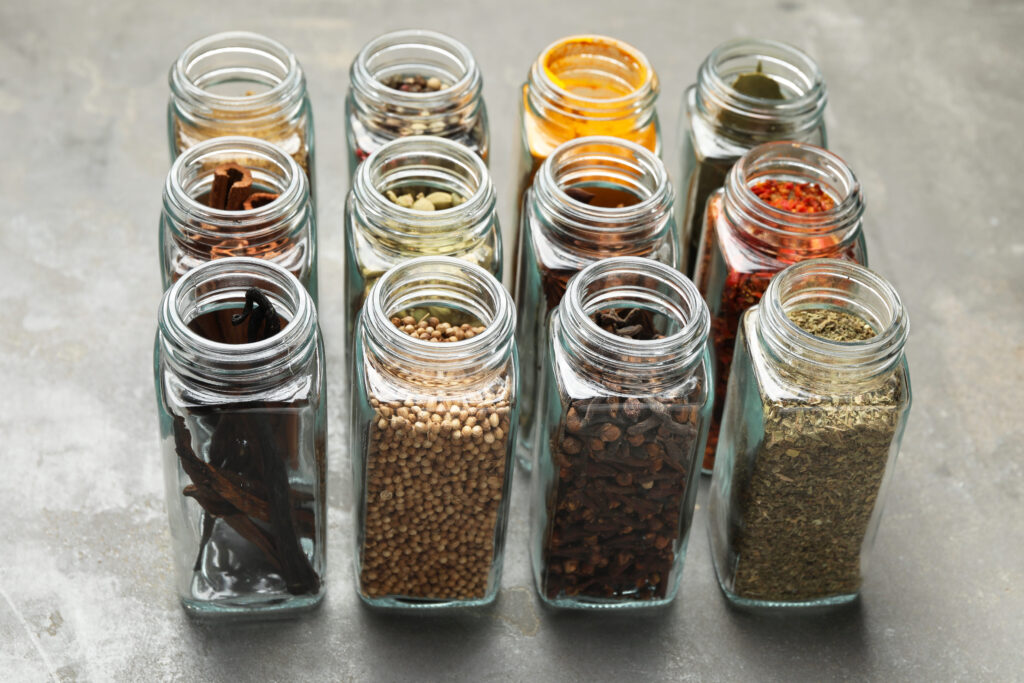
Spices should never be stored near the stove or any heat source. The constant exposure to heat and moisture can dull their flavors and shorten their shelf life. Instead, keep your spices in a cool, dry cabinet or drawer, away from heat. This will help preserve their flavor and keep them fresh for longer, making your meals taste much better.
Paper Tableware
Paper plates, napkins, and cups often end up in cabinets, but they don’t belong there, especially if the area is prone to moisture. Keeping them near the sink or dishwasher exposes them to humidity, which can make them soggy or lose their shape. The best place for paper tableware is in a dry pantry or on a high shelf in a room without moisture or heat.
Cleaning Products and Chemicals
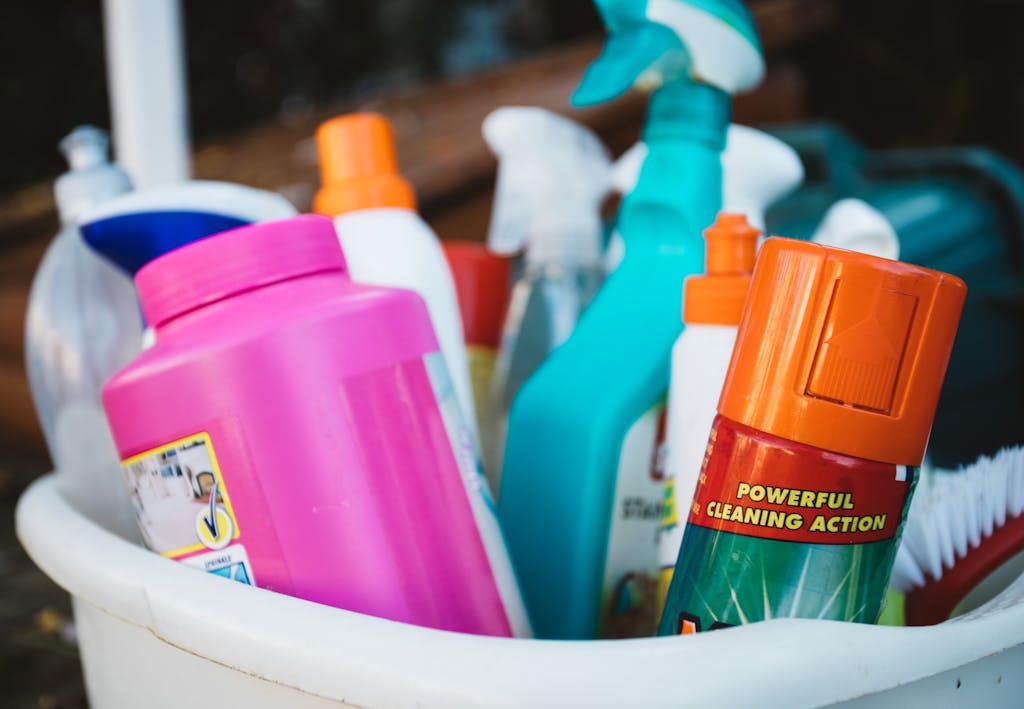
Storing cleaning products and chemicals near your food, dishes, or cookware is not only a bad idea for safety reasons but also unnecessary. These items can contain harmful substances, and keeping them in a kitchen cabinet can pose a risk to children or pets. Instead, designate a separate cabinet or storage area away from food-related items, and make sure it’s locked or out of reach.
Bulk Oils
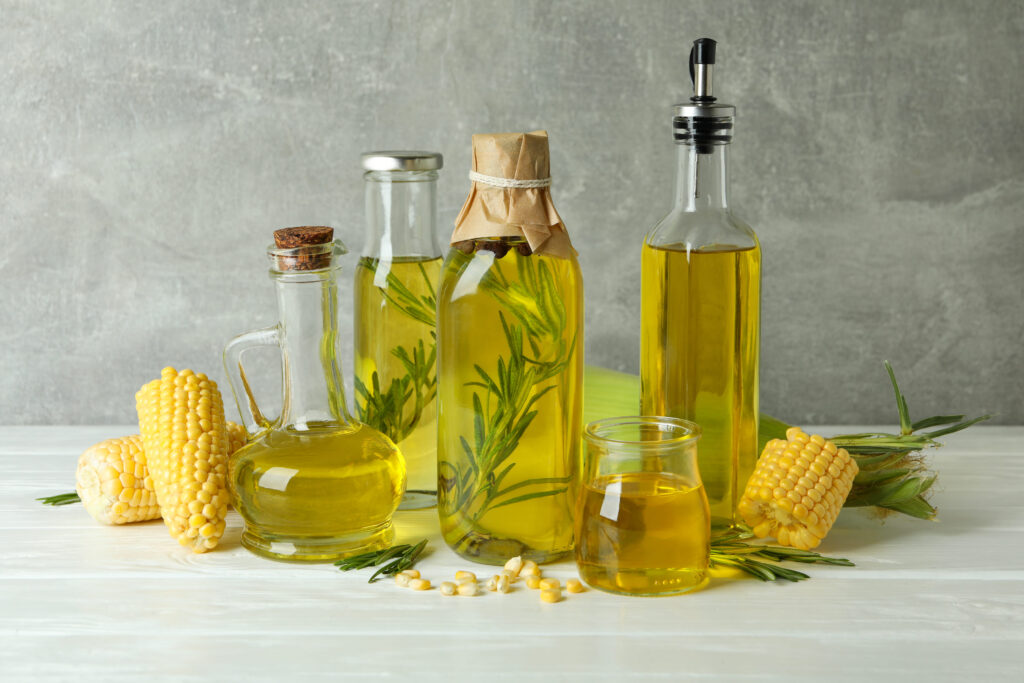
While buying oils in bulk can be cost-effective, it’s not the best idea to store them in your kitchen cabinets, especially if they are near heat sources like the stove. Heat can cause oils to go rancid more quickly, affecting their taste and quality. The better option is to store bulk oils in a cooler pantry or basement and keep a smaller bottle in the kitchen for daily use.
Conclusion
A well-organized kitchen is all about smart storage. Avoid storing paper items where they can absorb moisture, keep oils and spices in cool, dry spaces, and always make sure cleaning products are out of reach. With these changes, your kitchen will not only stay tidier but also more functional and safer.