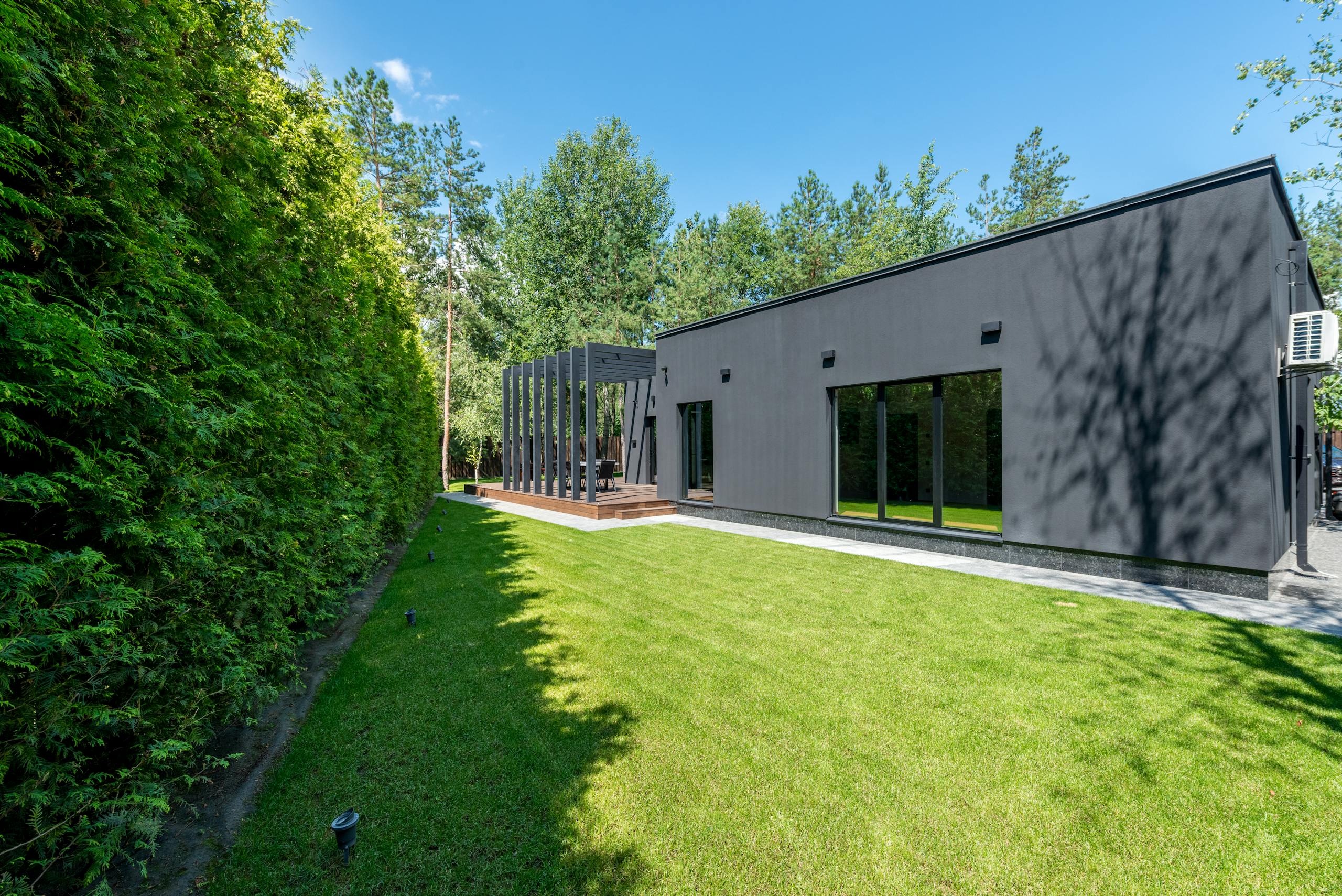
Small backyards are often underestimated. People look at a compact outdoor space and see limits, but good garden design plays a smarter game. The right layout can stretch sightlines, soften hard edges, and make a yard feel like it has room to breathe.
A bigger-feeling backyard is rarely about size alone. It is about flow, proportion, and where the eye lands first. Here are 10 garden layout ideas that can make a small backyard feel far more open, polished, and inviting.
Frame the edges with slim planting beds.
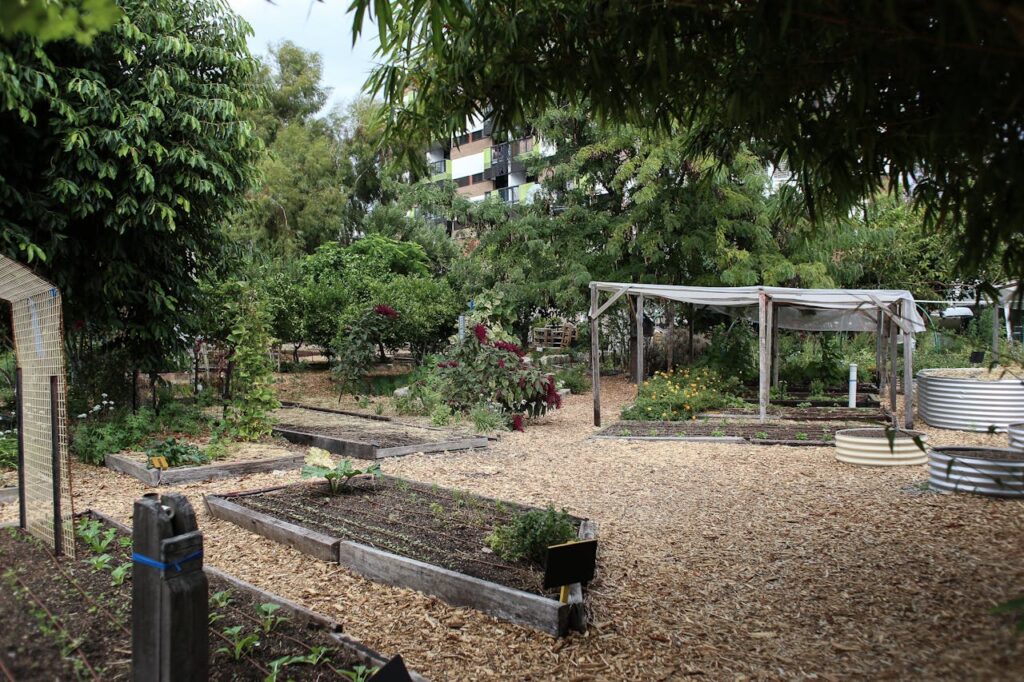
One of the easiest ways to make a small backyard feel wider is to keep the center open and push greenery to the edges. Slim planting beds along fences or walls create structure without crowding the yard. This layout gives the eye a clean, uninterrupted view across the middle, which instantly reads as more spacious.
It also helps the yard feel organized instead of cramped. Choose layered plants with varying heights, tall at the back and lower in front, so the border feels lush without becoming bulky. A tidy edge can make even a tiny backyard feel intentional and expansive.
Use curved paths instead of straight lines.
Straight lines reveal everything at once. Curved paths create mystery, and mystery makes a space feel larger because your eye keeps moving. Even a gentle curve in stepping stones, gravel, or paving can make a backyard feel like it unfolds in stages rather than ending abruptly.
This trick works especially well in narrow spaces. A curved path softens the boxy shape that many small yards suffer from and adds rhythm to the design. Suddenly, the backyard feels less like a rectangle and more like a little escape.
Create one strong focal point.

A small yard packed with too many features starts to feel busy fast. One bold focal point, like a fountain, a sculptural plant, a statement planter, or a small pergola, gives the eye a place to land. That sense of visual order makes the whole space feel calmer and, by extension, bigger.
The secret is restraint. Let one feature do the heavy lifting instead of forcing 10 different ideas into a single small patch of ground. When everything is competing for attention, the yard shrinks. When one element takes the lead, the whole garden feels more composed.
Build upward with vertical gardens.
When square footage is limited, height becomes your best friend. Vertical gardens, trellises, wall planters, and climbing plants draw the eye upward, which creates the feeling of more space. It is the same logic that makes a room with high ceilings feel grander.
This layout also frees up precious ground area. Instead of filling the floor with pots and bulky beds, you let greenery rise along walls and fences. The result is a backyard that feels lush without feeling overcrowded.
Divide the yard into soft zones.
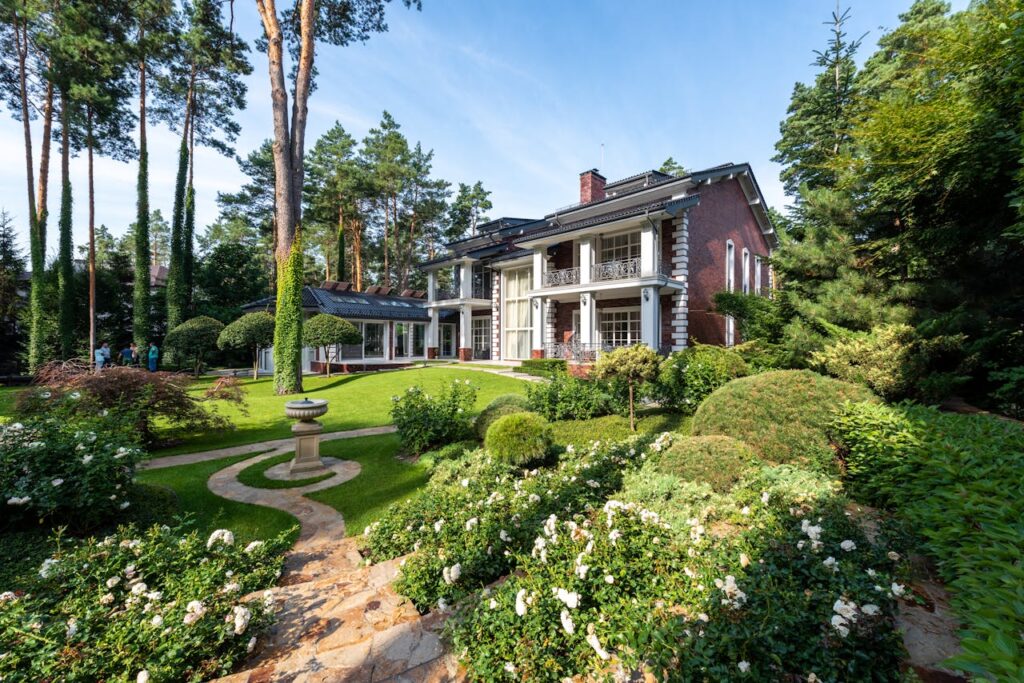
A small backyard can actually feel larger when it has distinct zones. A tiny dining corner, a planting area, and a lounging spot help the space feel layered rather than flat. The brain reads these as separate experiences, which gives the yard more depth.
The trick is to keep the transitions soft. Use low planters, a change in paving, or an outdoor rug instead of heavy dividers. You want the zones to suggest different uses without chopping the space into tight little boxes.
Choose a diagonal layout.
Diagonal design is a classic small-space trick because it changes how the eye measures a yard. When paving stones, decking, or planting lines run diagonally, the longest visual line becomes more noticeable. That makes the backyard feel broader and more dynamic.
This layout works beautifully with patios and stepping-stone paths. Instead of following the fence’s predictable edges, the design cuts across them, creating a sense of movement. It is a subtle change, but it can completely shift how spacious the yard feels.
Add layered planting, not bulky planting.
A lot of people make the mistake of stuffing small yards with oversized shrubs in the hope of making them lush. That usually has the opposite effect. A smarter layout uses layers, ground cover, medium-height plants, and a few taller accents, so the garden feels full without becoming heavy.
Layering also creates depth, which is one of the strongest illusions in landscape design. When the eye can move through different heights and textures, the yard feels richer and longer. It is the difference between a garden that breathes and one that feels like it is holding its breath.
Use mirrors or reflective surfaces carefully.
A well-placed outdoor mirror can visually double a small backyard. It reflects plants, light, and open sky, which tricks the eye into seeing more space than is actually there. Reflective water features or glossy finishes can create a similar effect.
Placement matters here. The mirror should reflect greenery or a pleasant view, not a blank wall or cluttered corner. Done right, it adds magic. Done badly, it feels like a strange backyard prank. Keep it elegant, and the space will instantly feel deeper.
Keep the color palette light and cohesive.
A chaotic mix of colors can make a small yard feel crowded. A calm palette of soft greens, whites, and silvers, pale flowers, and natural wood tones creates visual continuity. Continuity makes the space feel wider because the eye moves smoothly instead of stopping and starting.
This does not mean the garden has to be boring. It just means the colors should work together rather than fight for attention. A limited palette brings a quiet confidence to the space, and that quietness can make even a tiny backyard feel open and expensive.
Blend hardscaping and planting seamlessly.
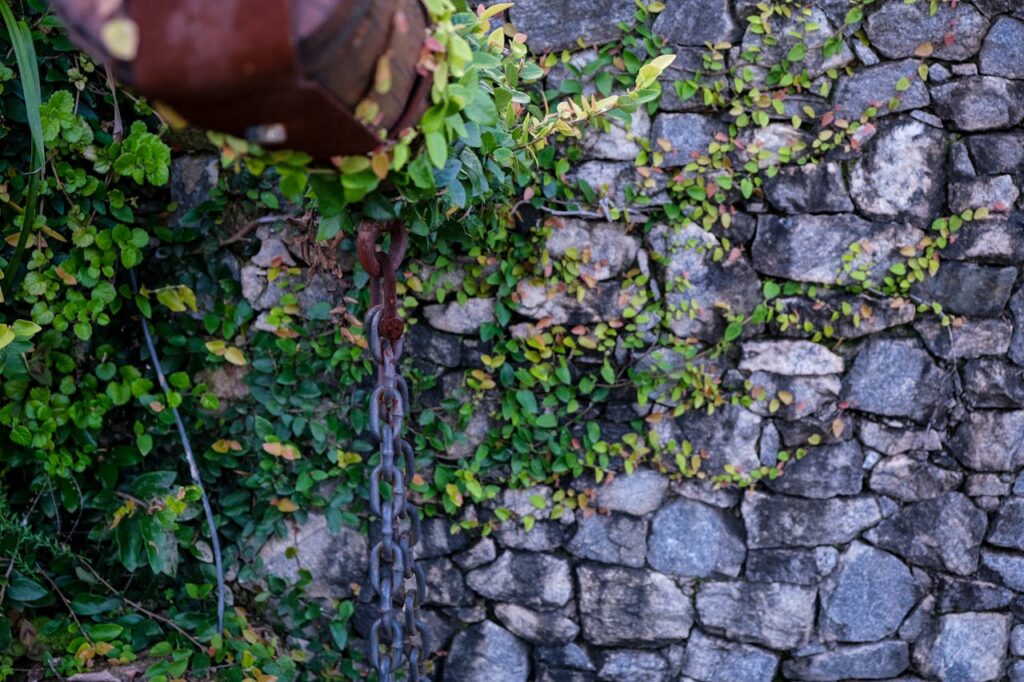
When patios, borders, and garden beds feel disconnected, a small yard starts to look chopped up. A better layout allows paving, gravel, decking, and plants to flow into one another. The more seamless the transitions, the more generous the yard feels.
This could mean using the same stone tone across different areas, repeating planter materials, or softening hard edges with trailing plants. A backyard always feels bigger when it feels connected. Good design is not about squeezing more in. It is about making every part of the system speak the same language.
A small backyard does not need miracles. It needs clever lines, smart planting, and a layout that lets the eye wander instead of hitting a wall. With the right design choices, even the tiniest outdoor space can feel airy, stylish, and full of possibility.